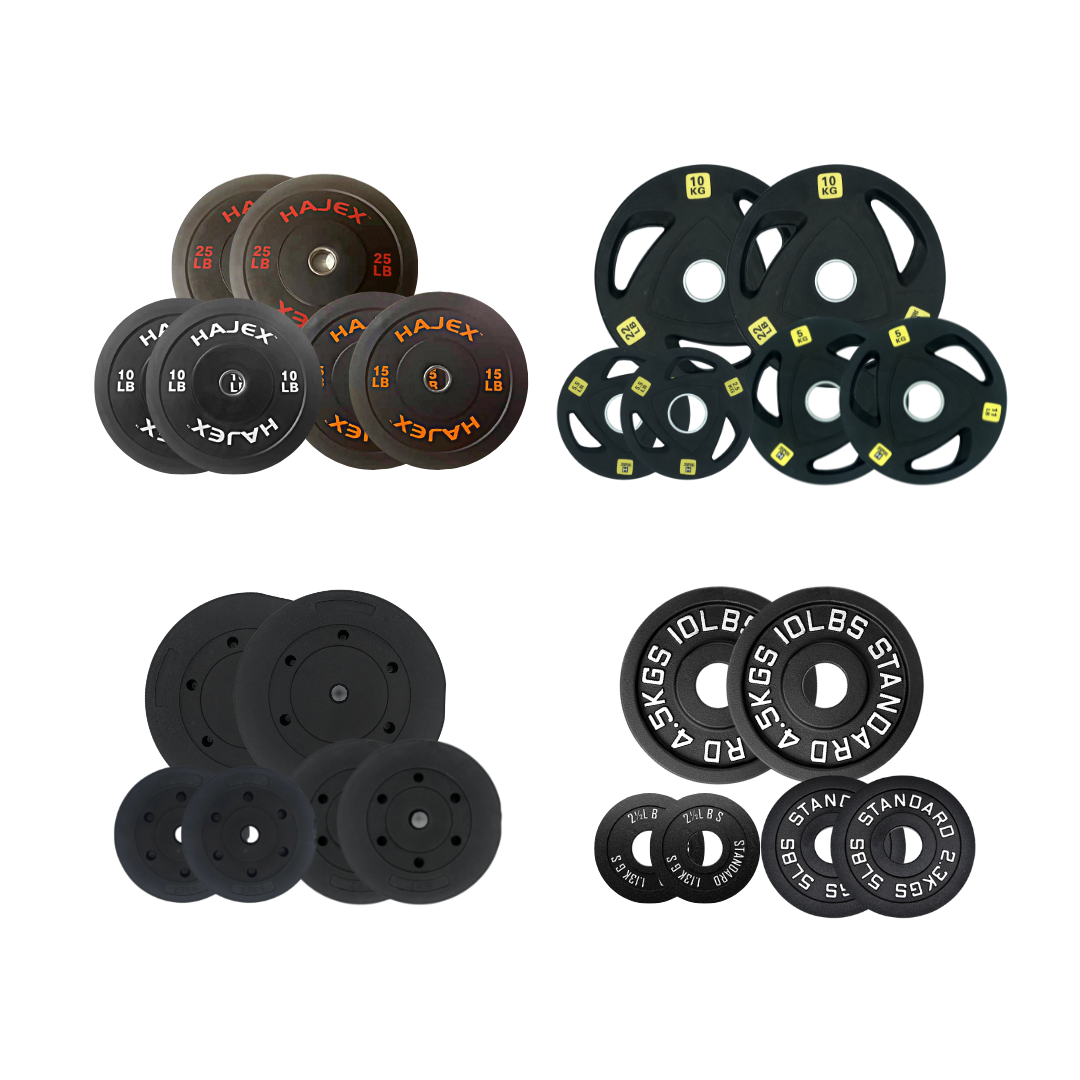
 WEIGHT PLATES
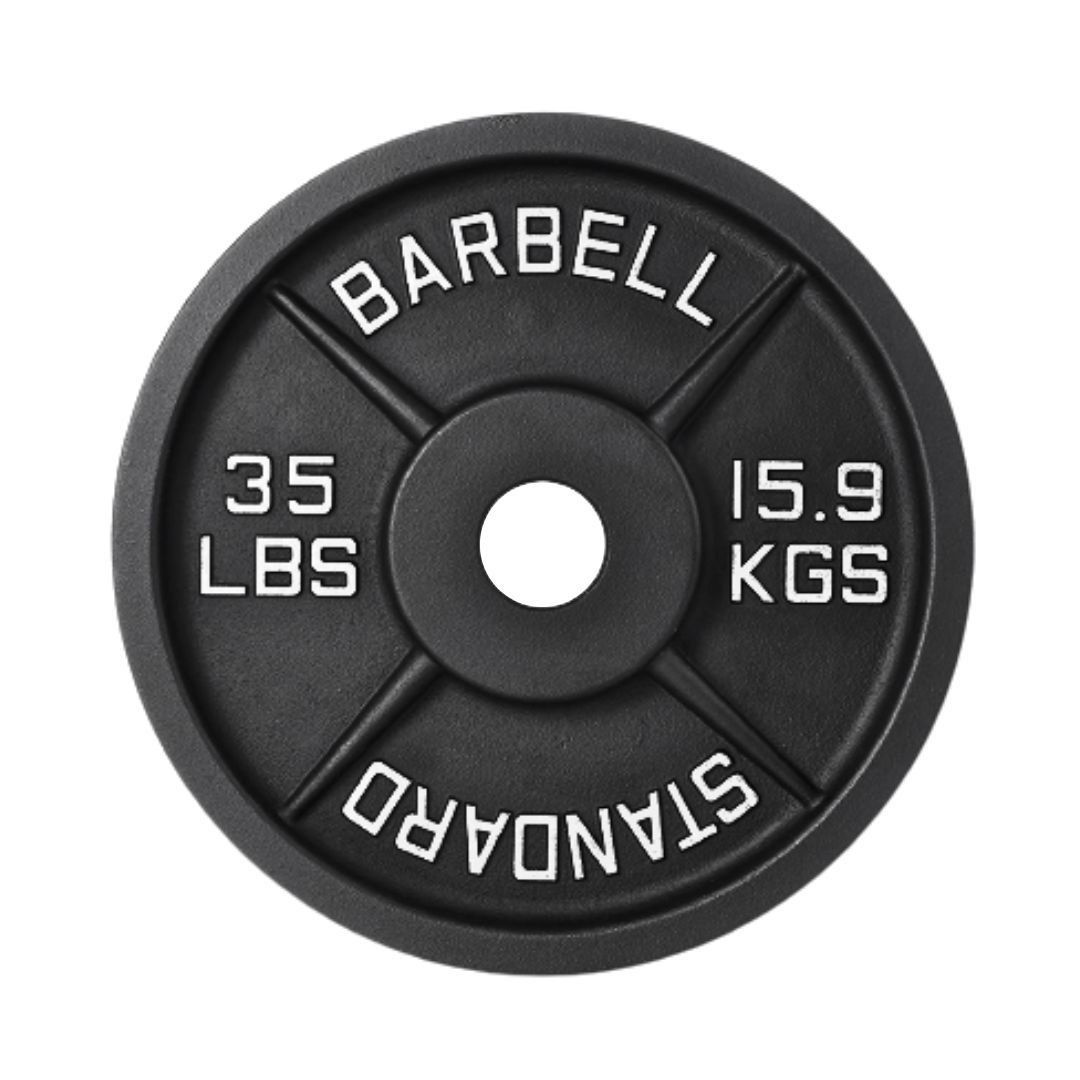 Cast Iron Olympic Plates
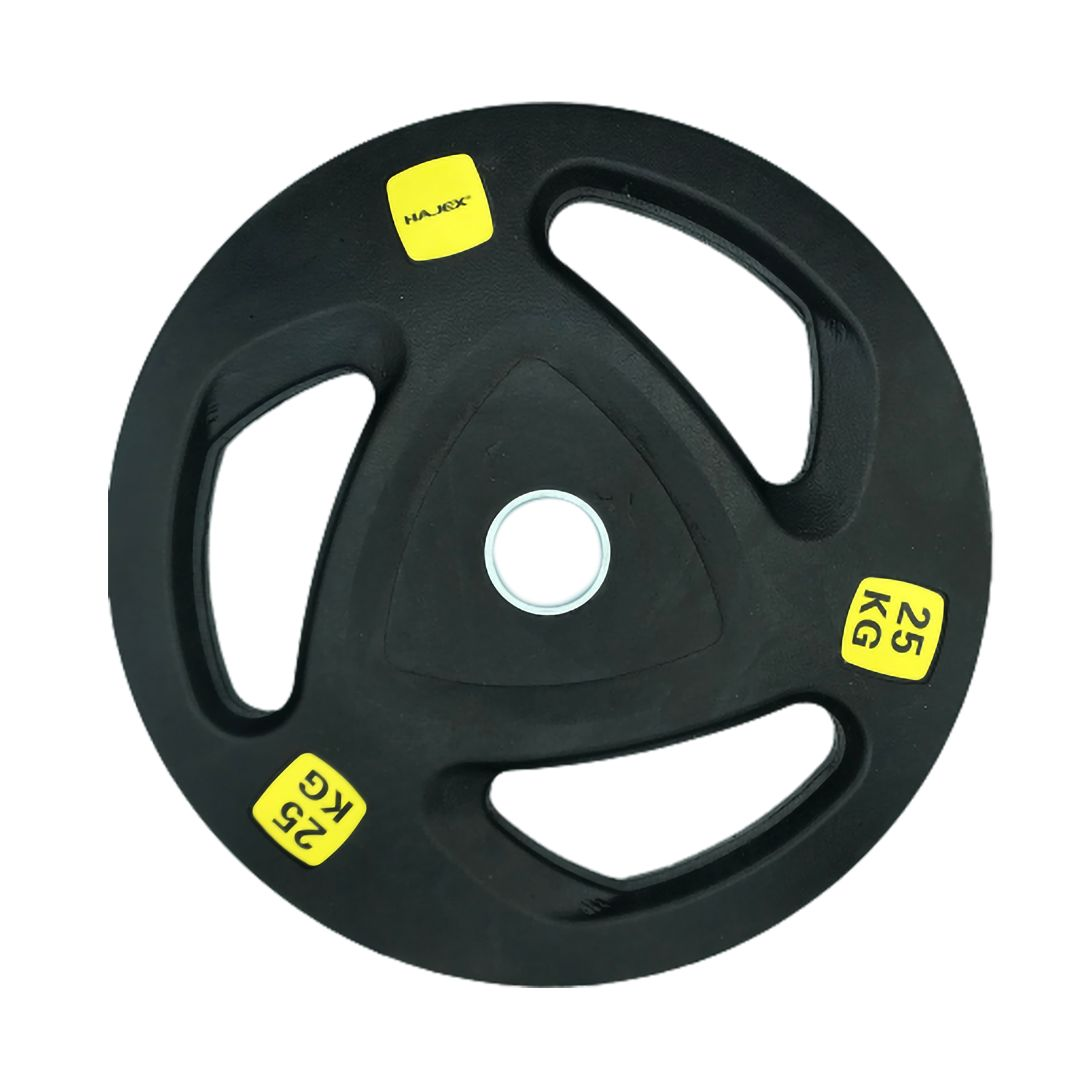 Olympic Rubber Weight Plates
 PVC Weight Plates
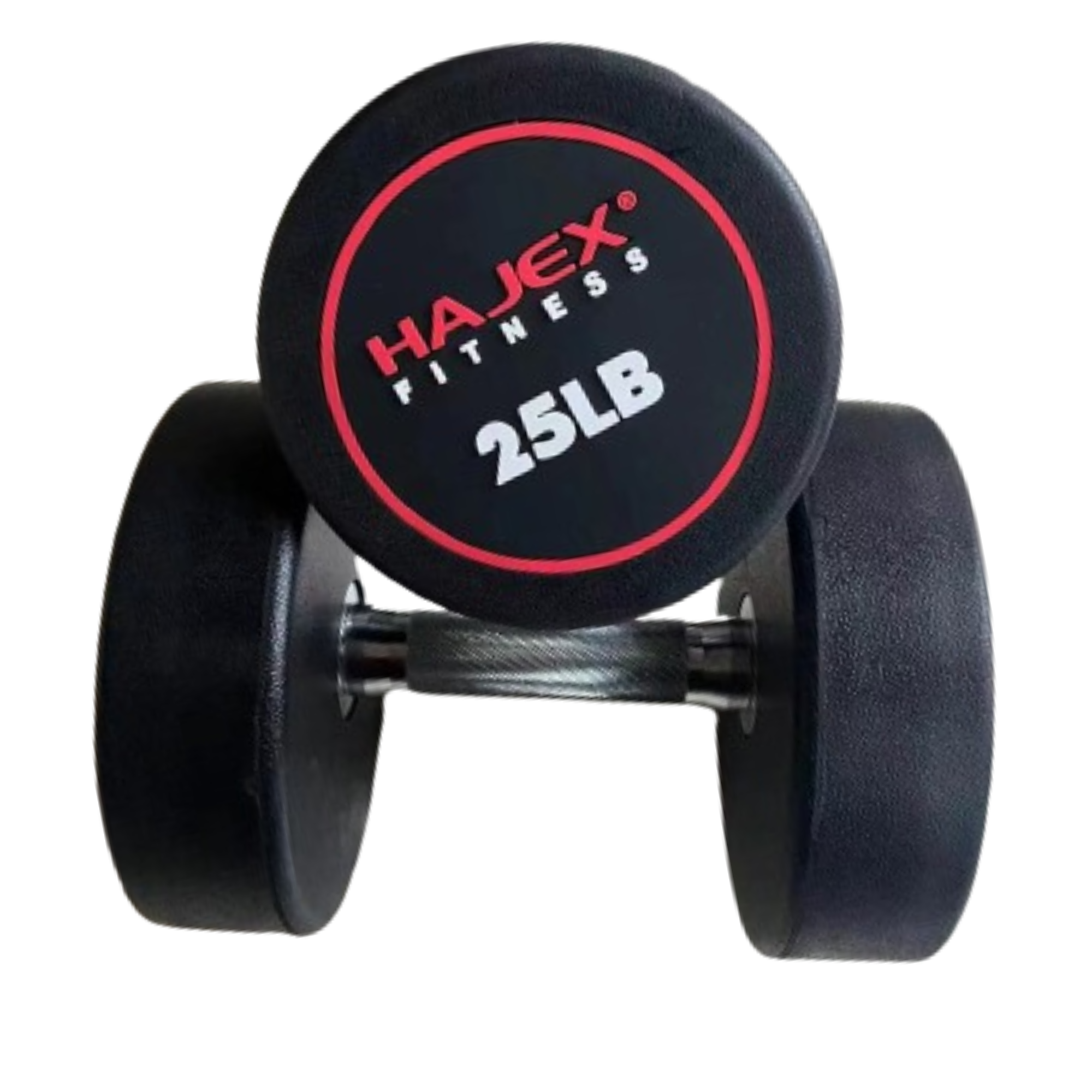 DUMBBELLS
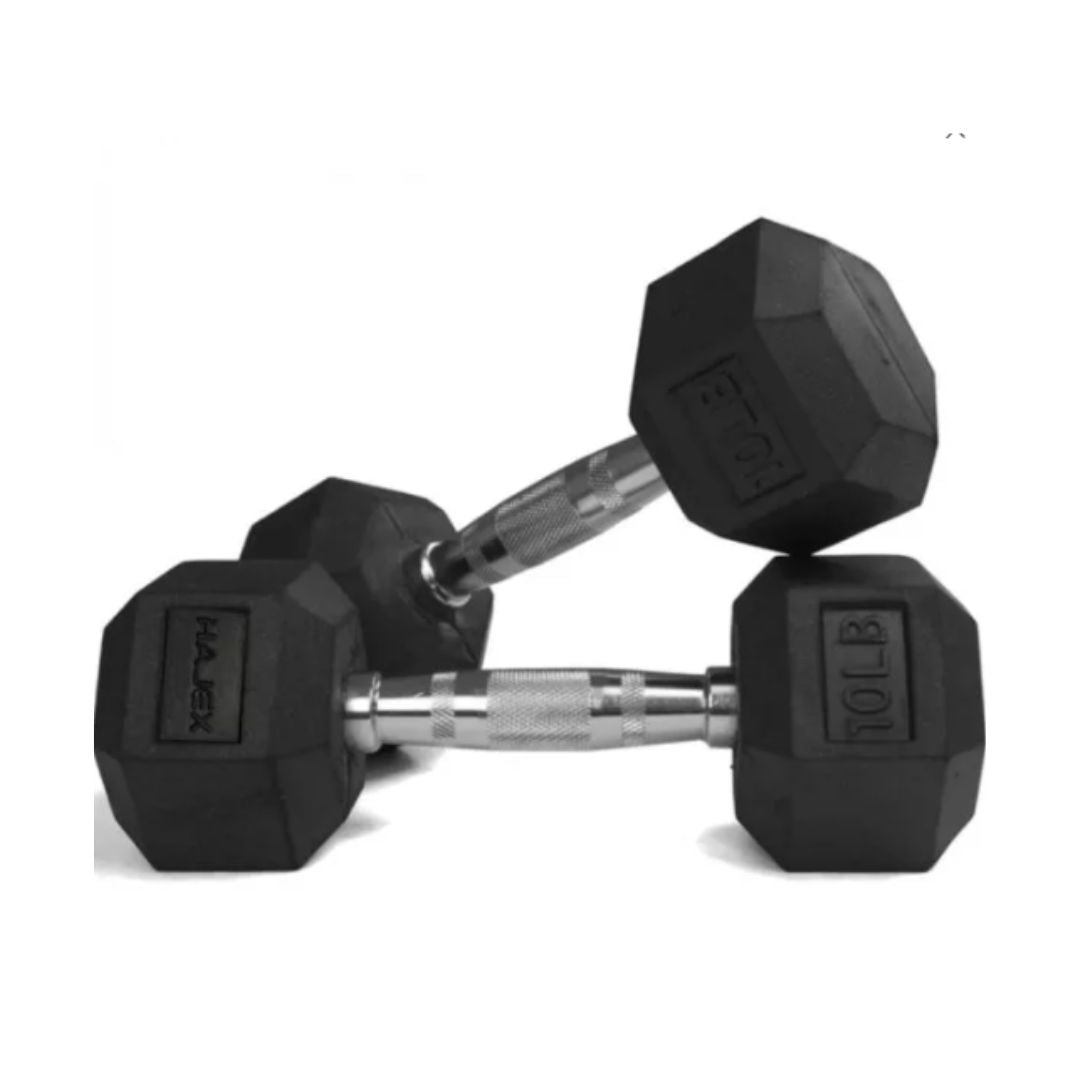 Rubber Hex Dumbbells
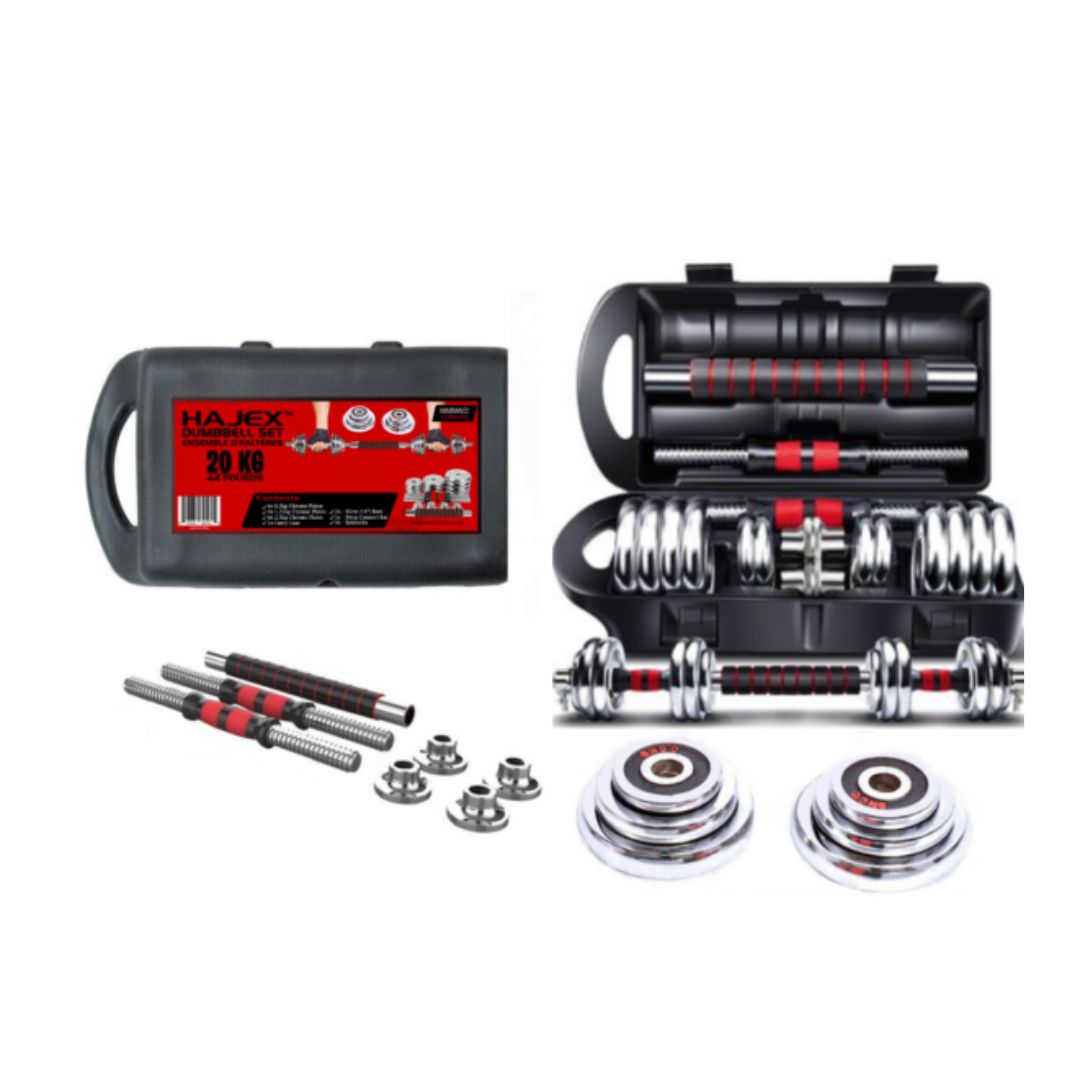 Cast Iron Adjustable Dumbbells
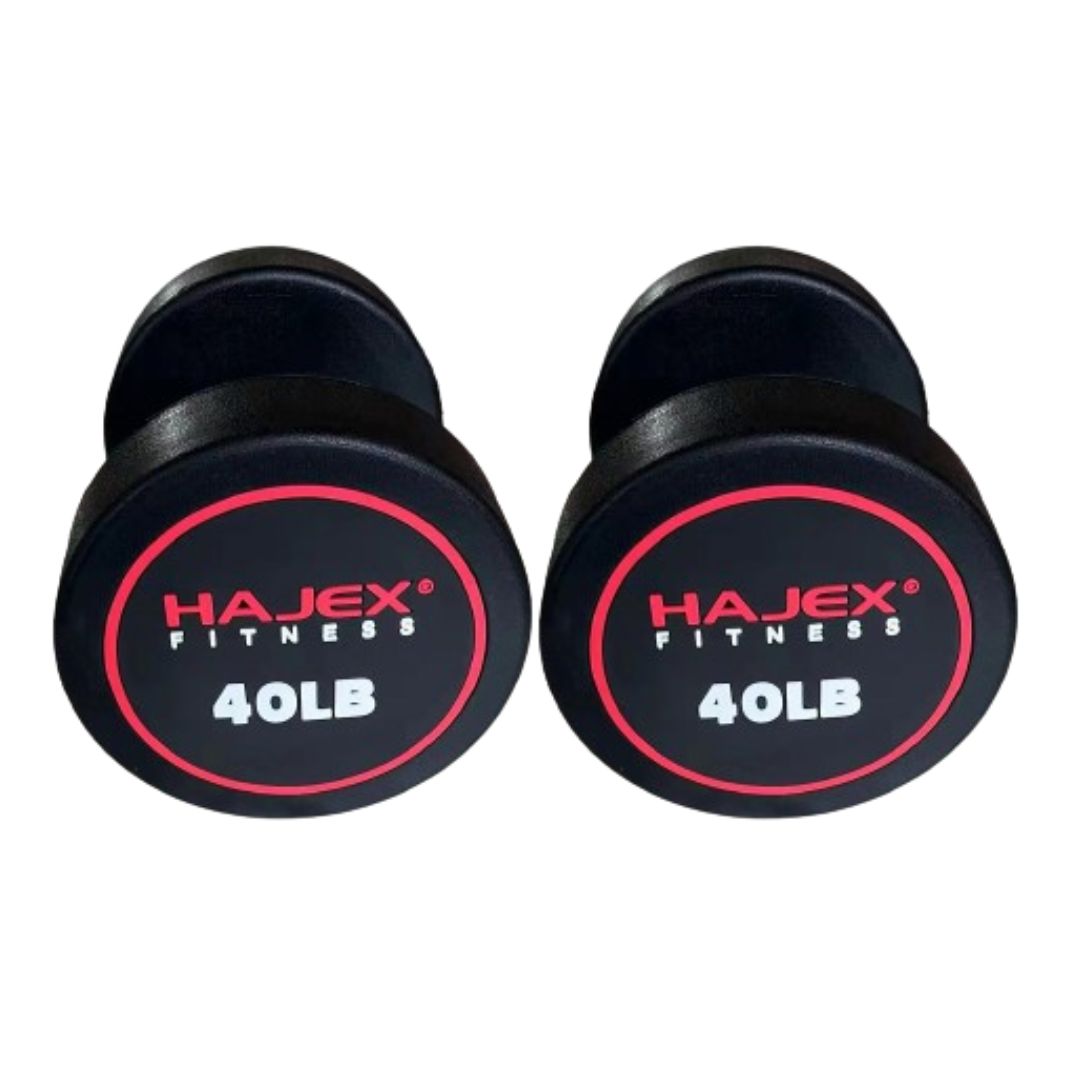 Round Head Dumbbells
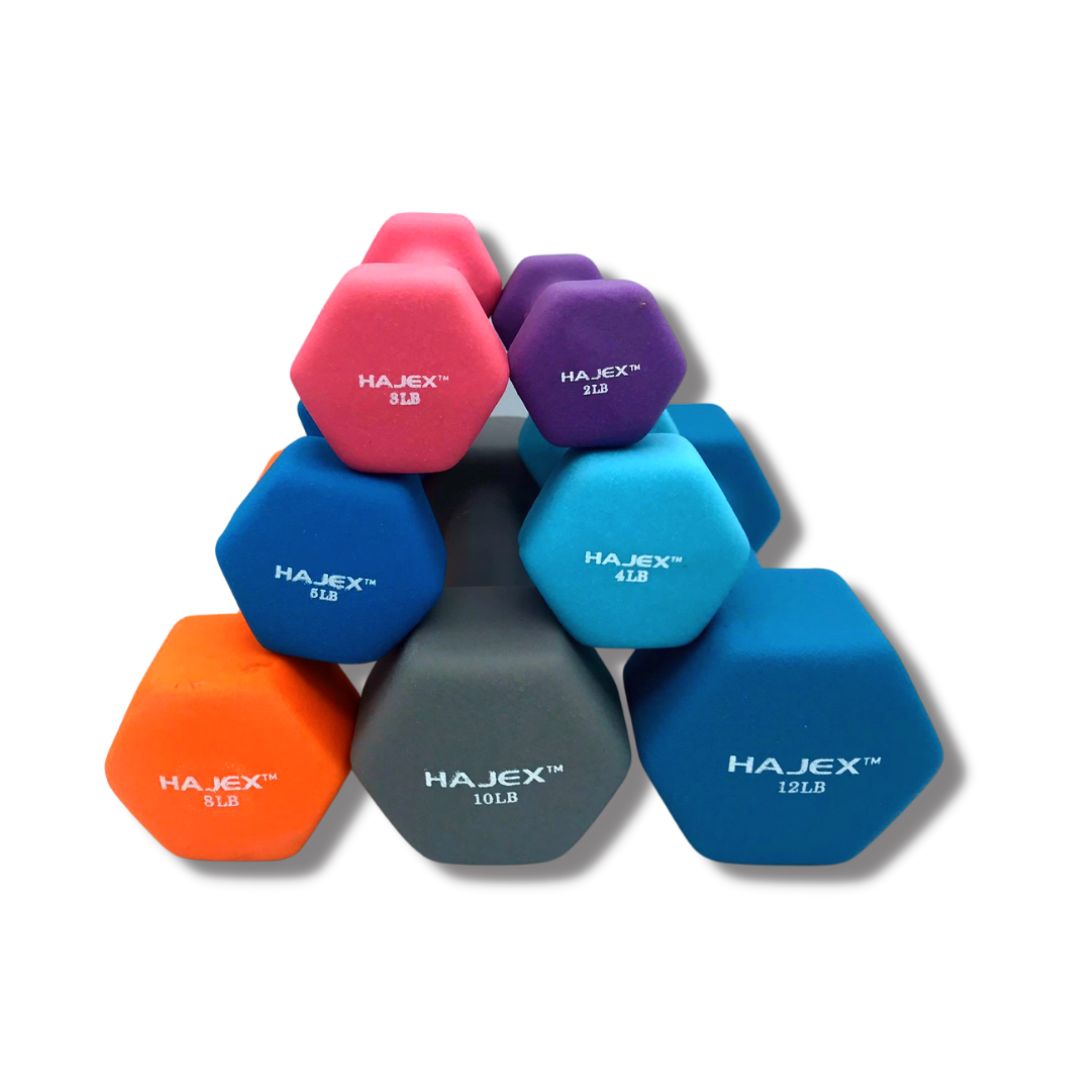 Neoprene Dumbbells
 BENCHES
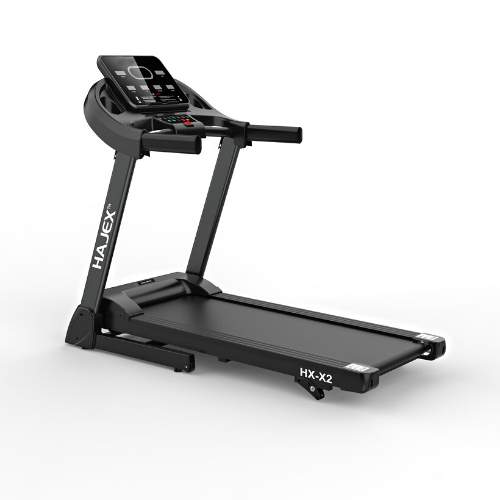 CARDIO
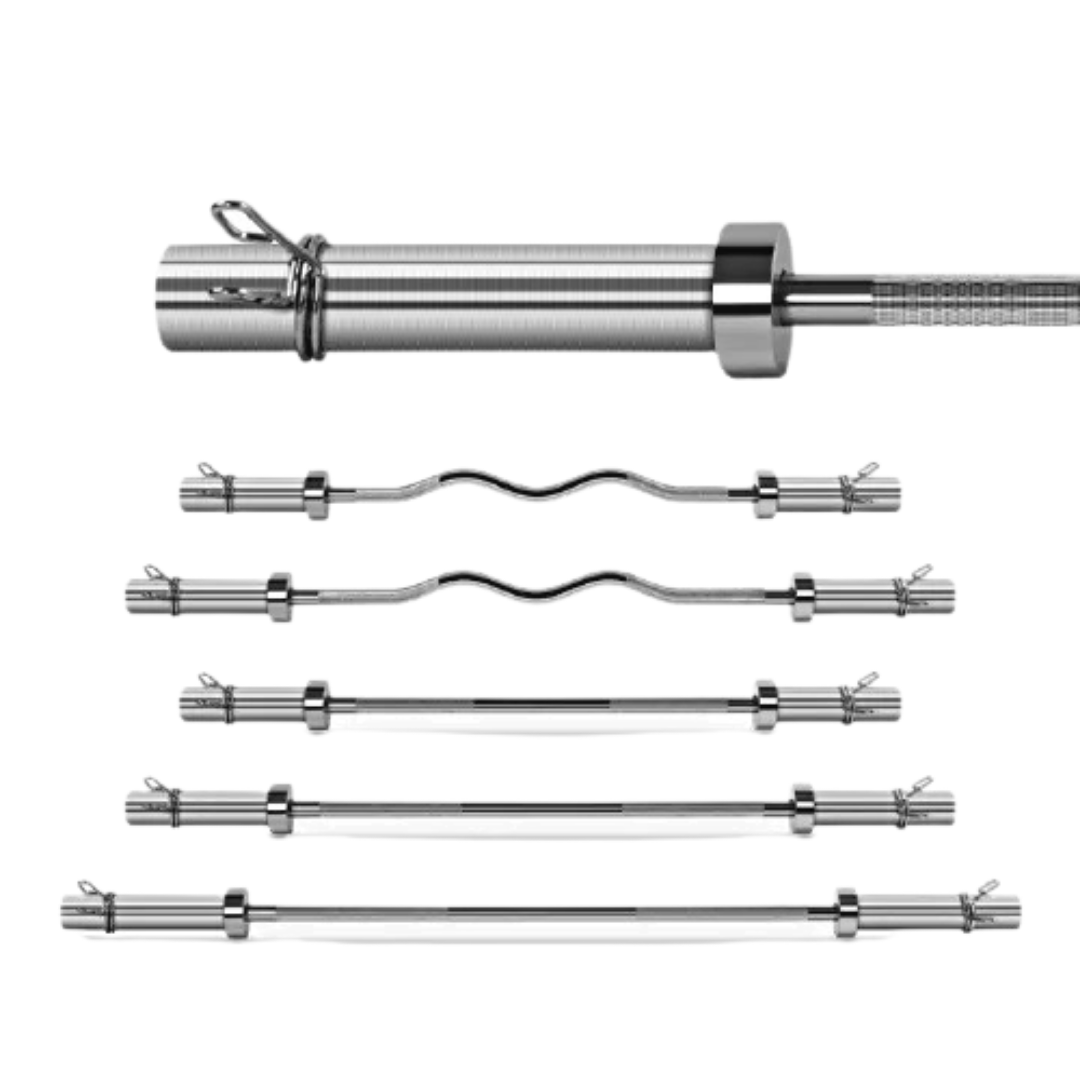 BARBELL BARS
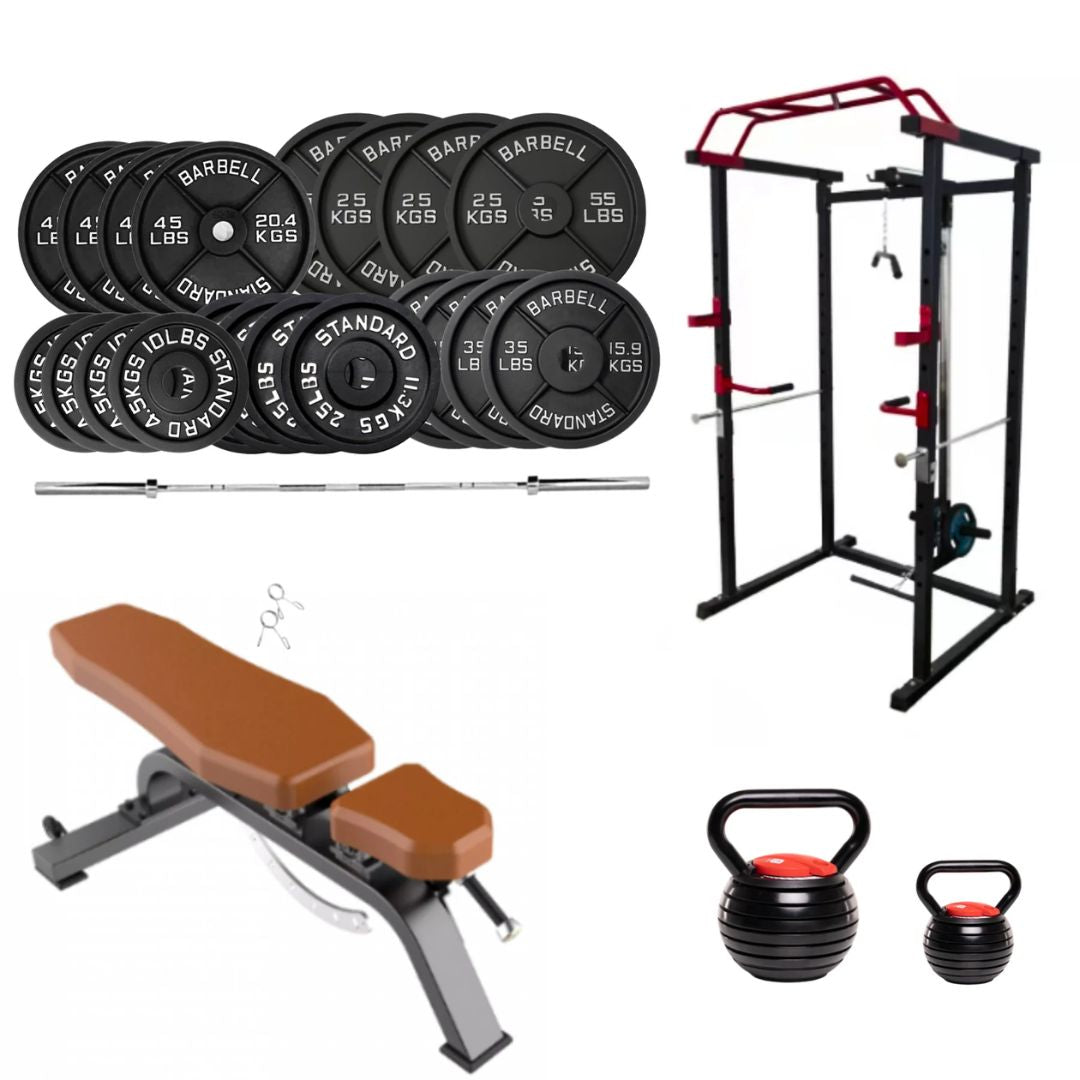 Home Gym Deals
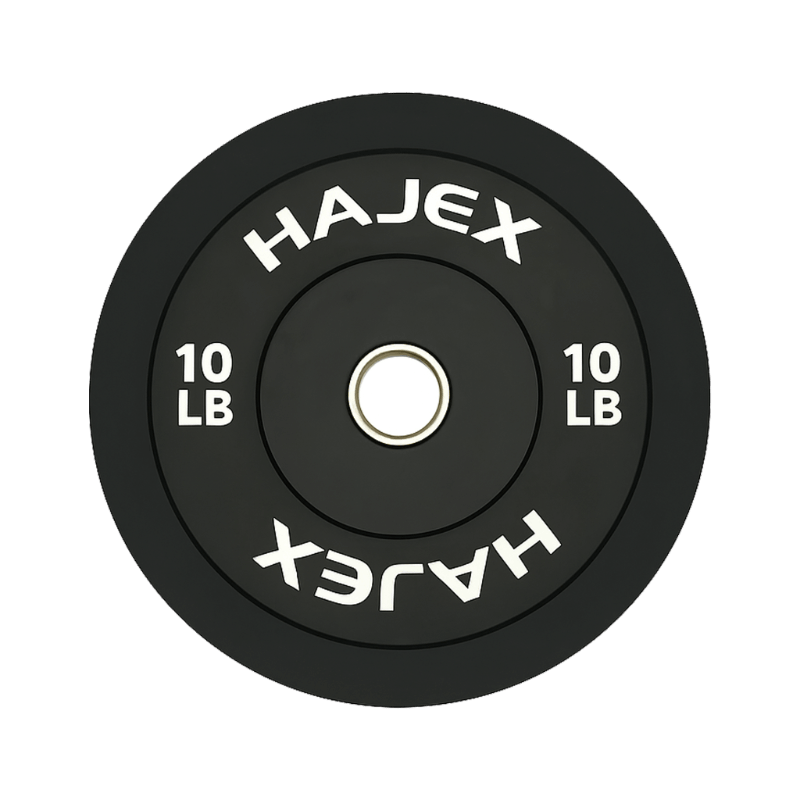 Olympic Bumper Plates
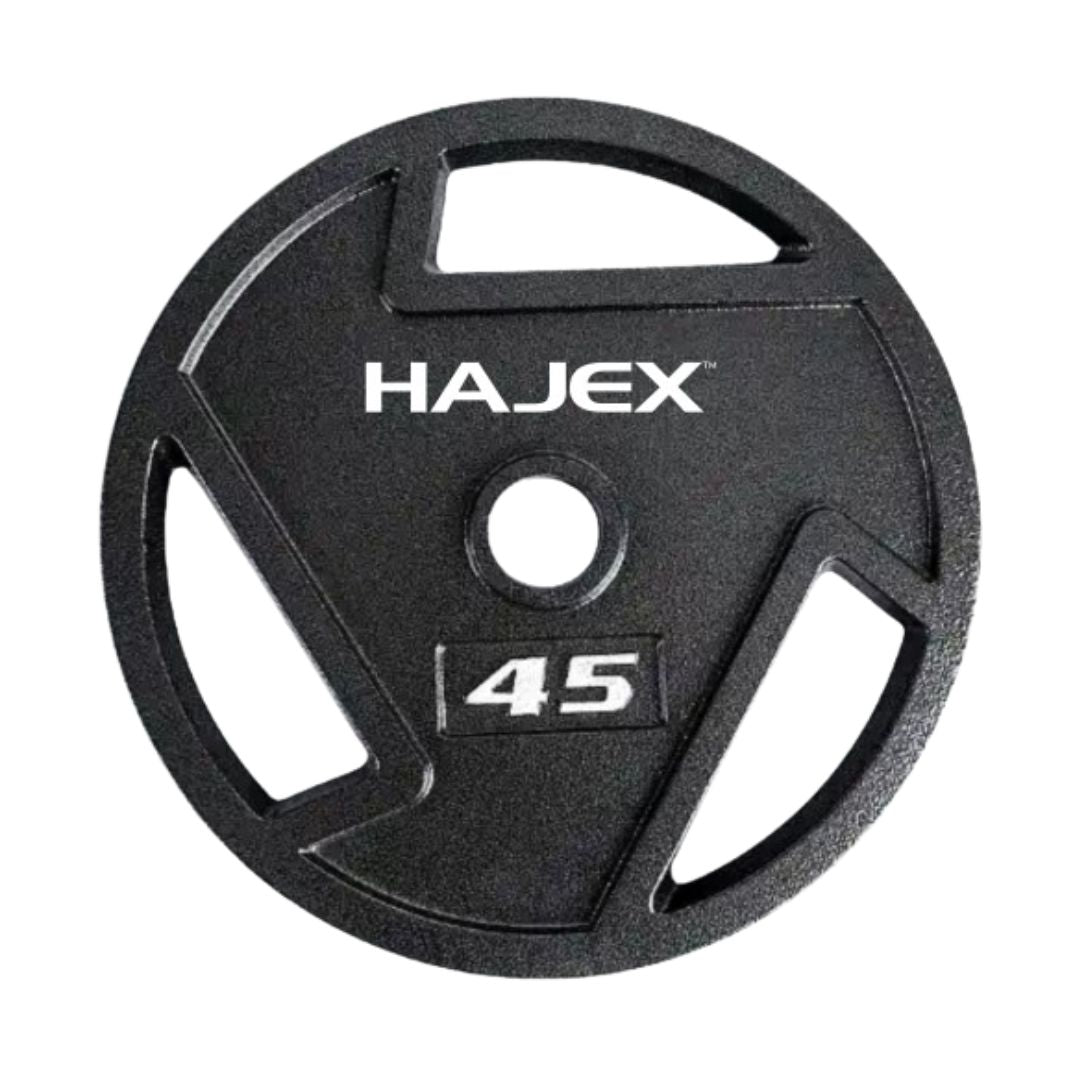 Tri Grip Plates
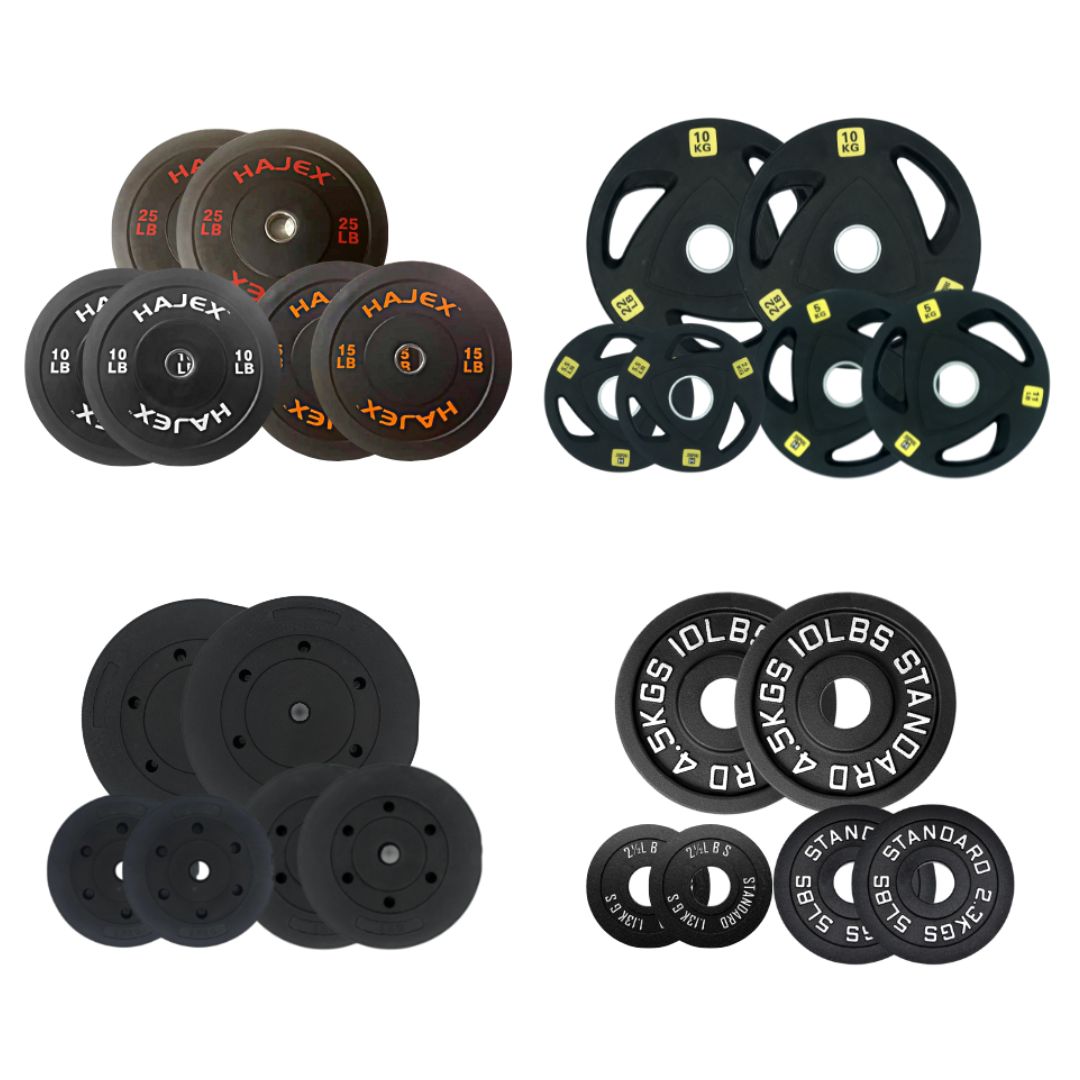 Weight Plates Combo
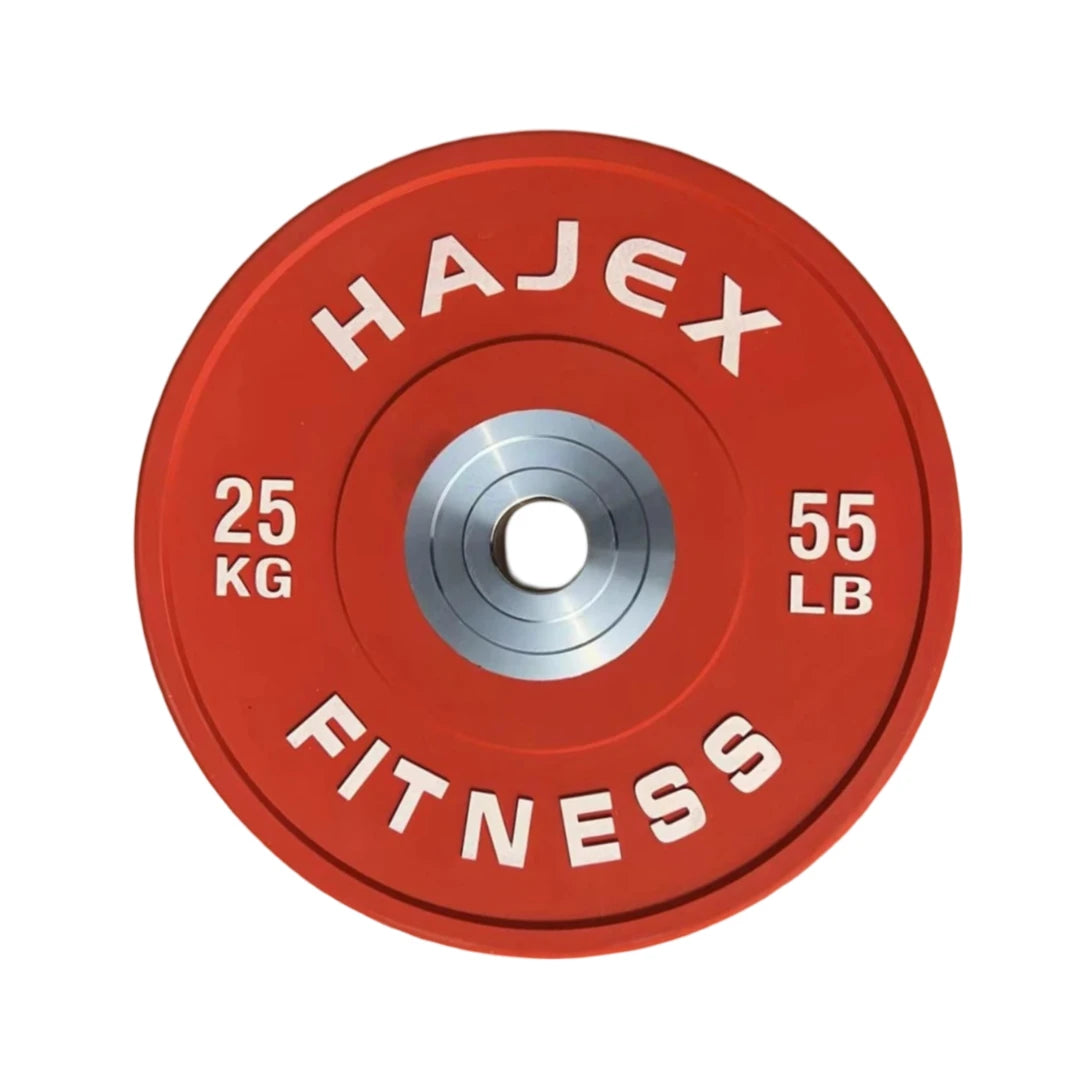 Olympic Steel Hub Bumper Plates
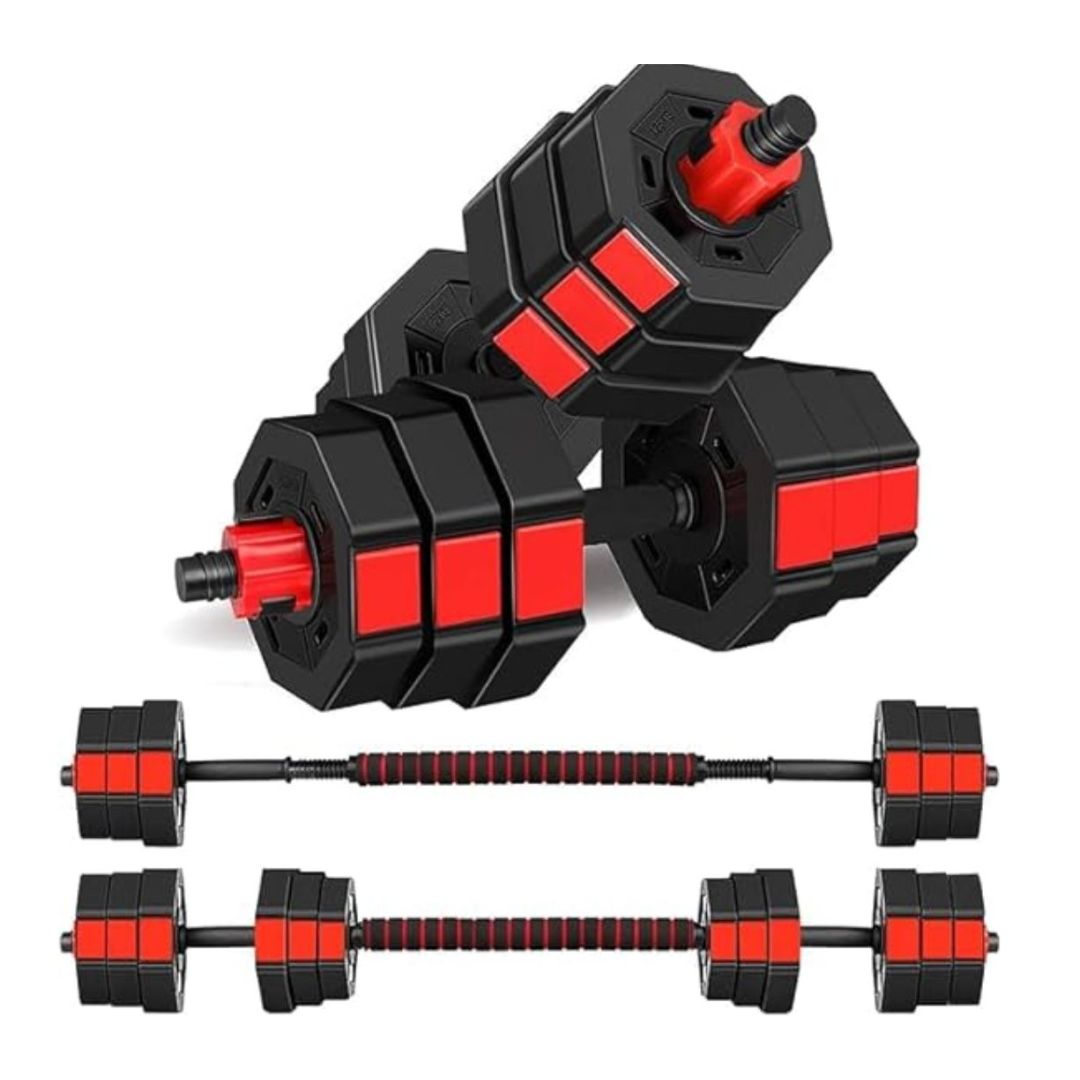 PVC Dumbbells
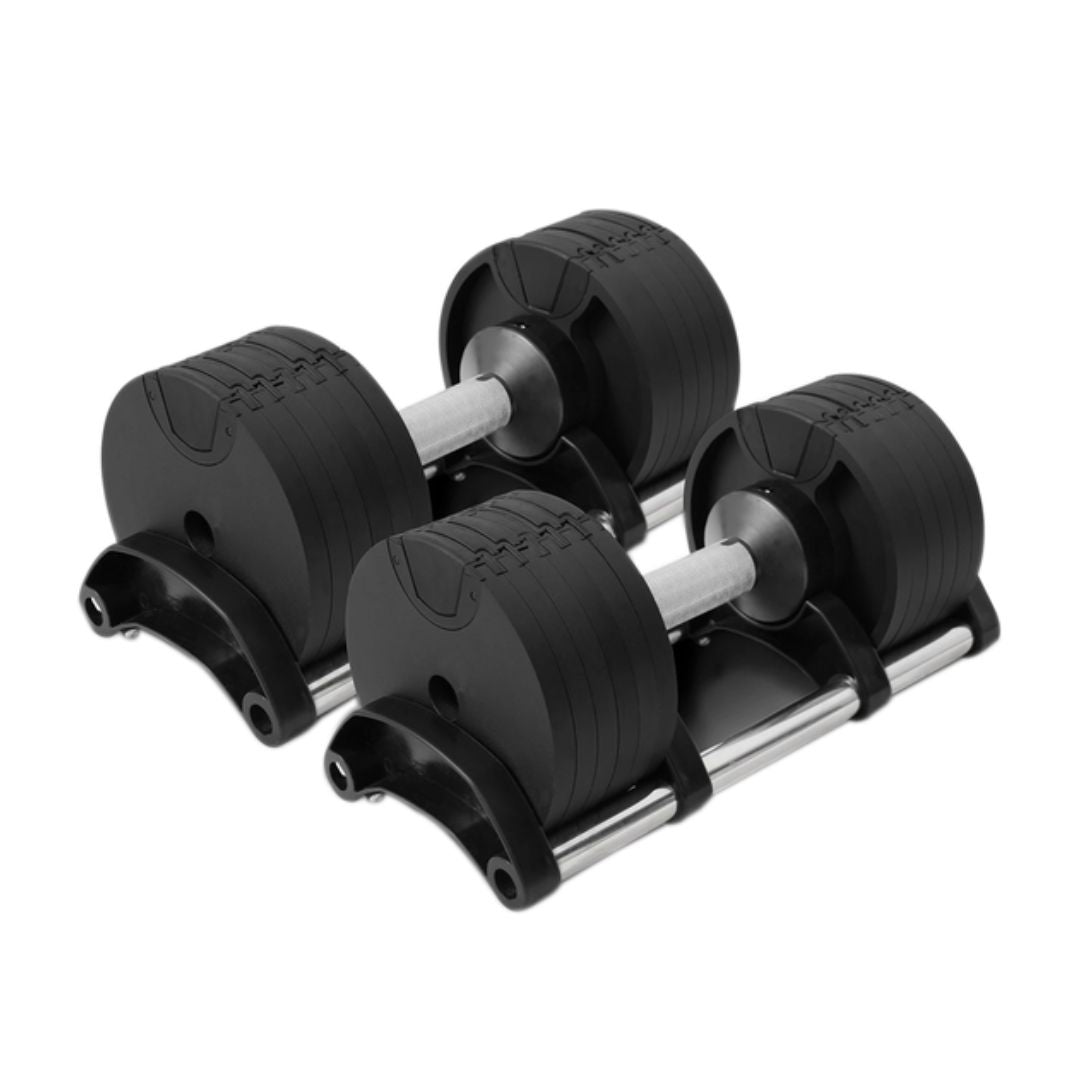 NUO Style Adjustable Dumbbells
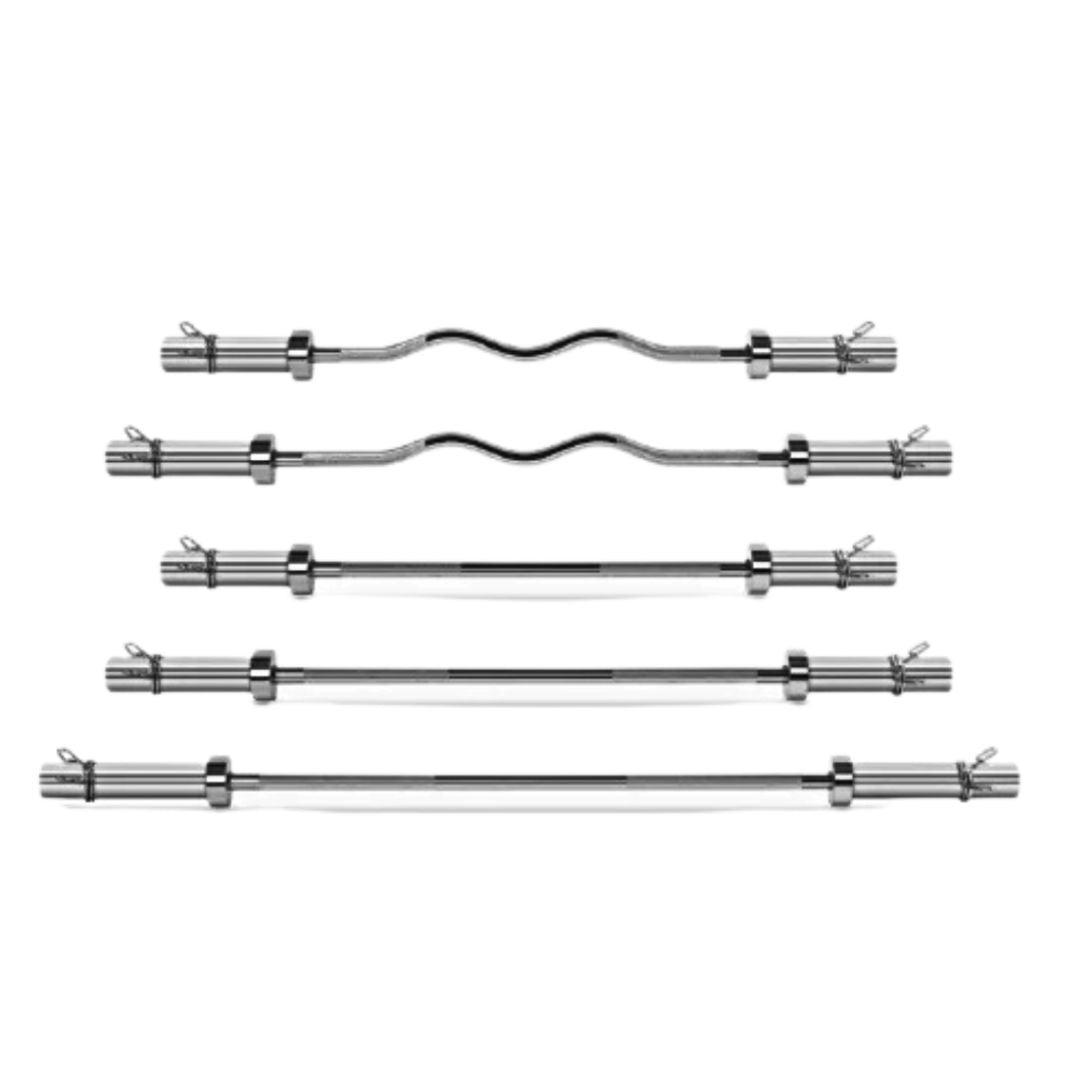 Olympic Barbells 2"
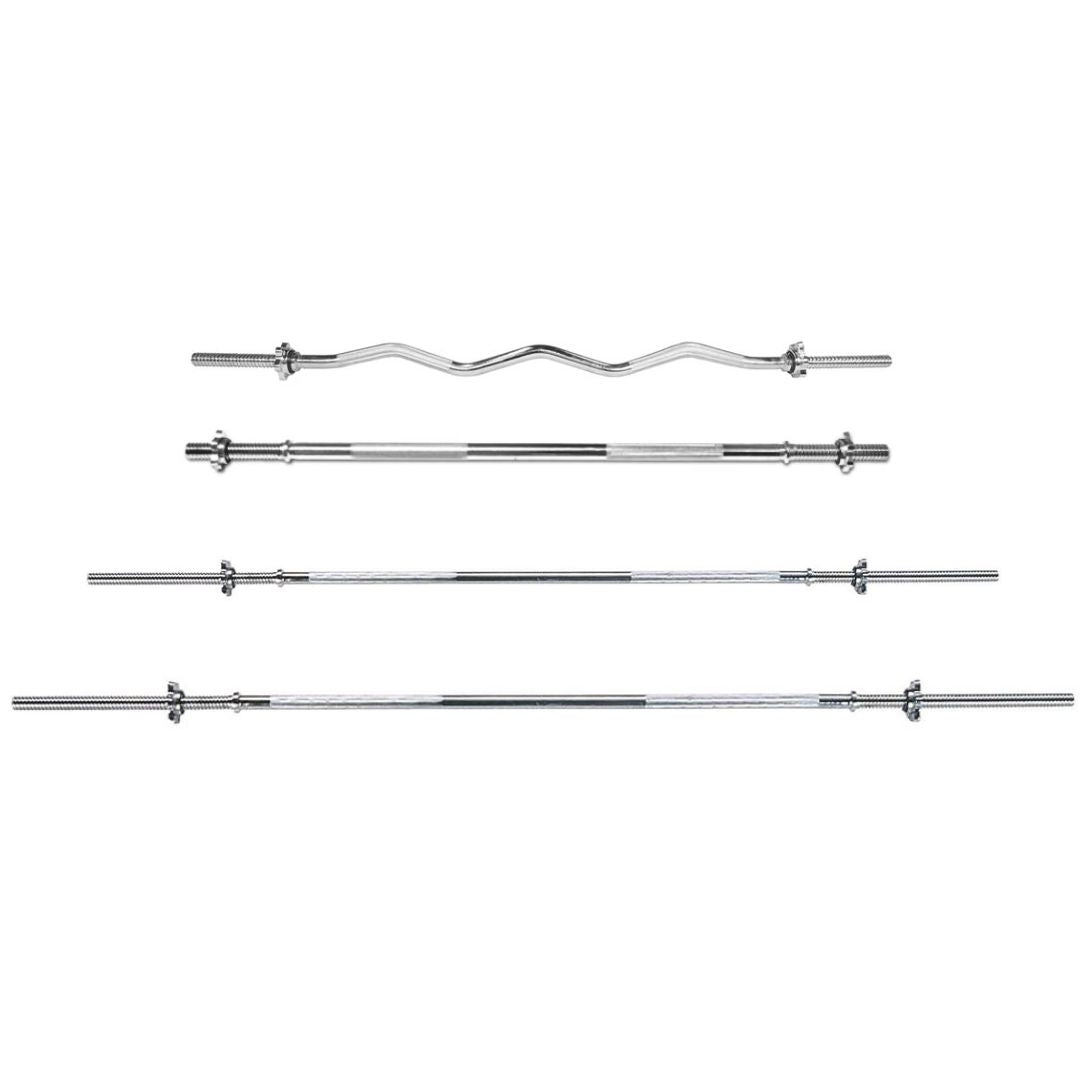 Standard Barbells 1"
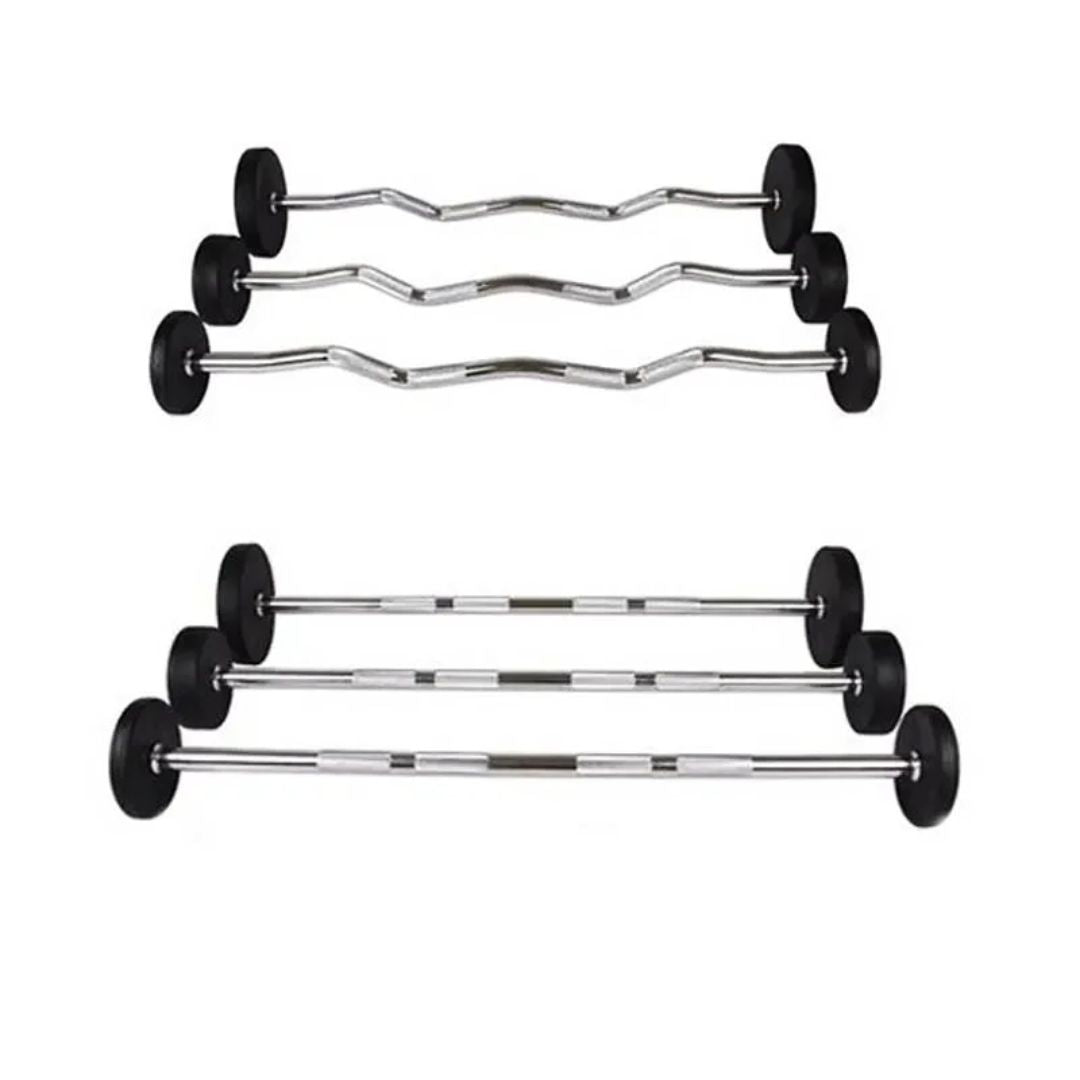 Fixed Weight Bars
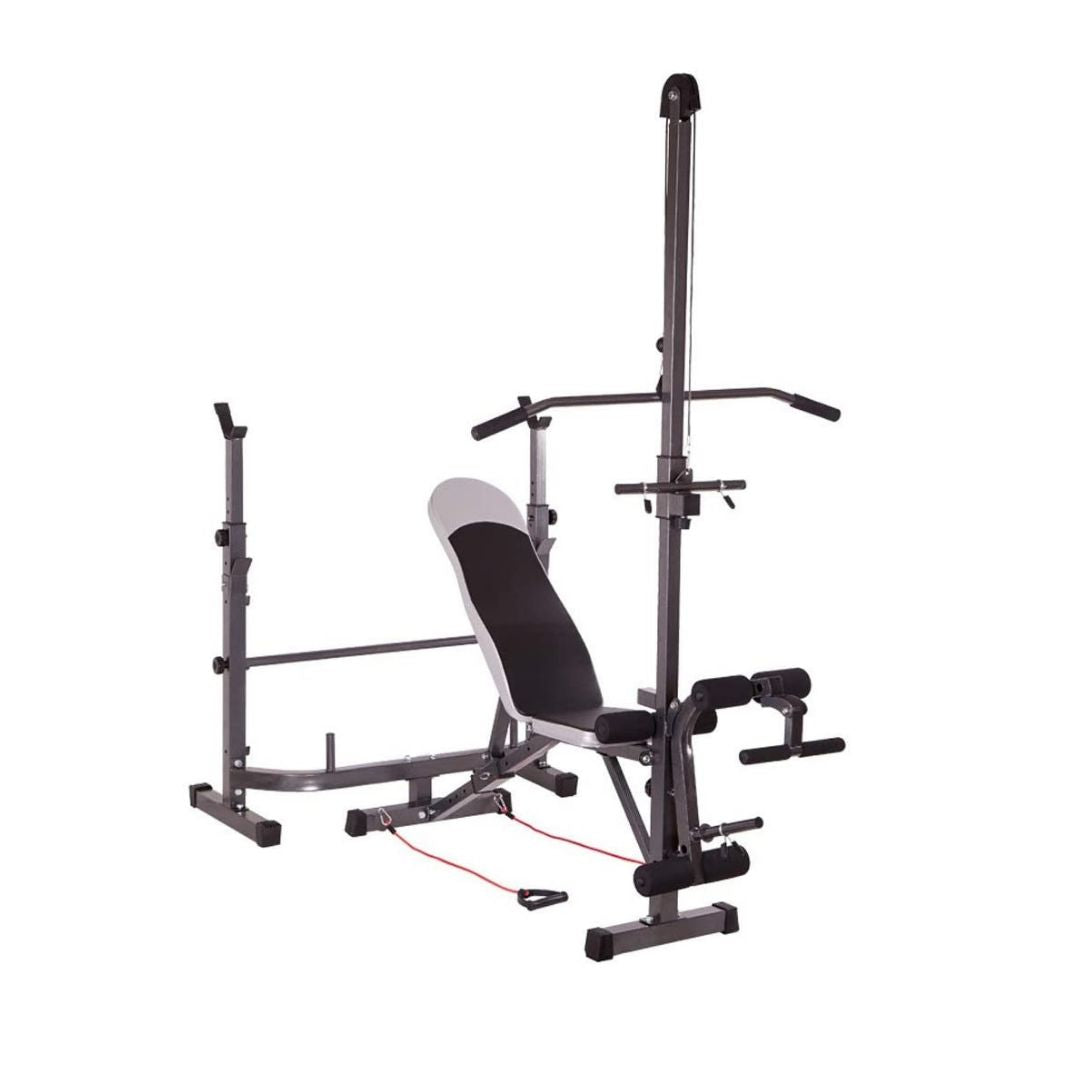 Benches with Pulley & Rack
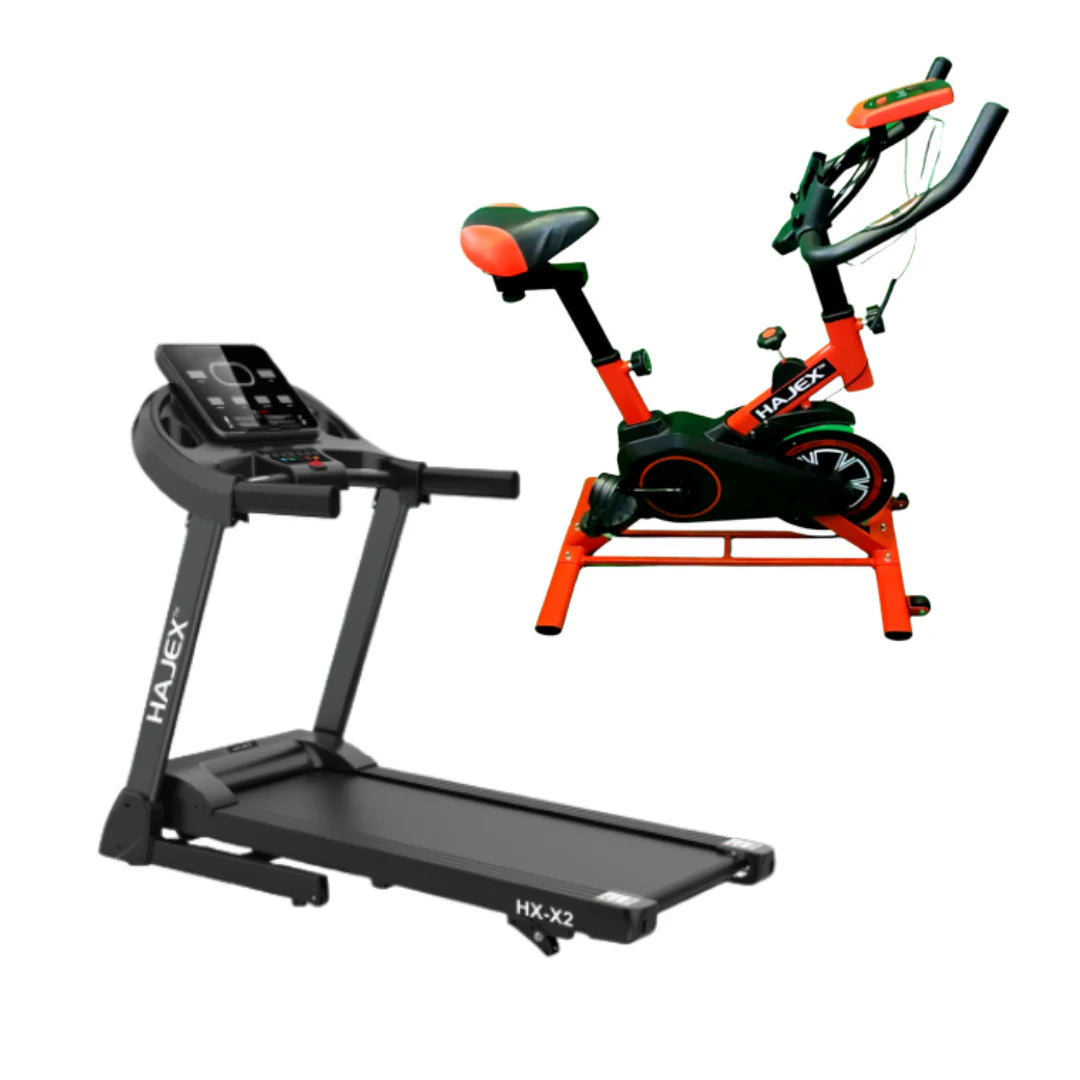 CARDIO
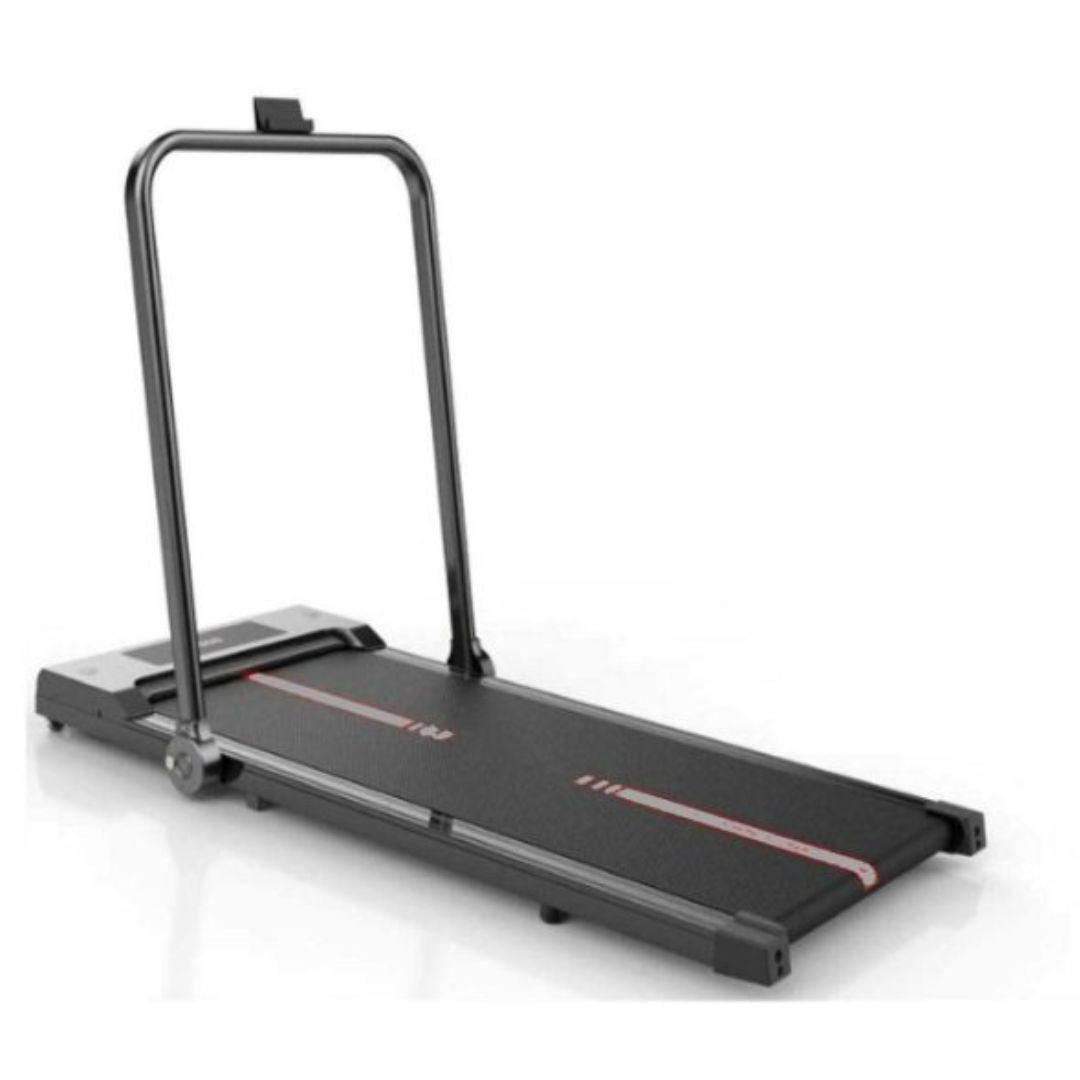 Foldable Walking Pads
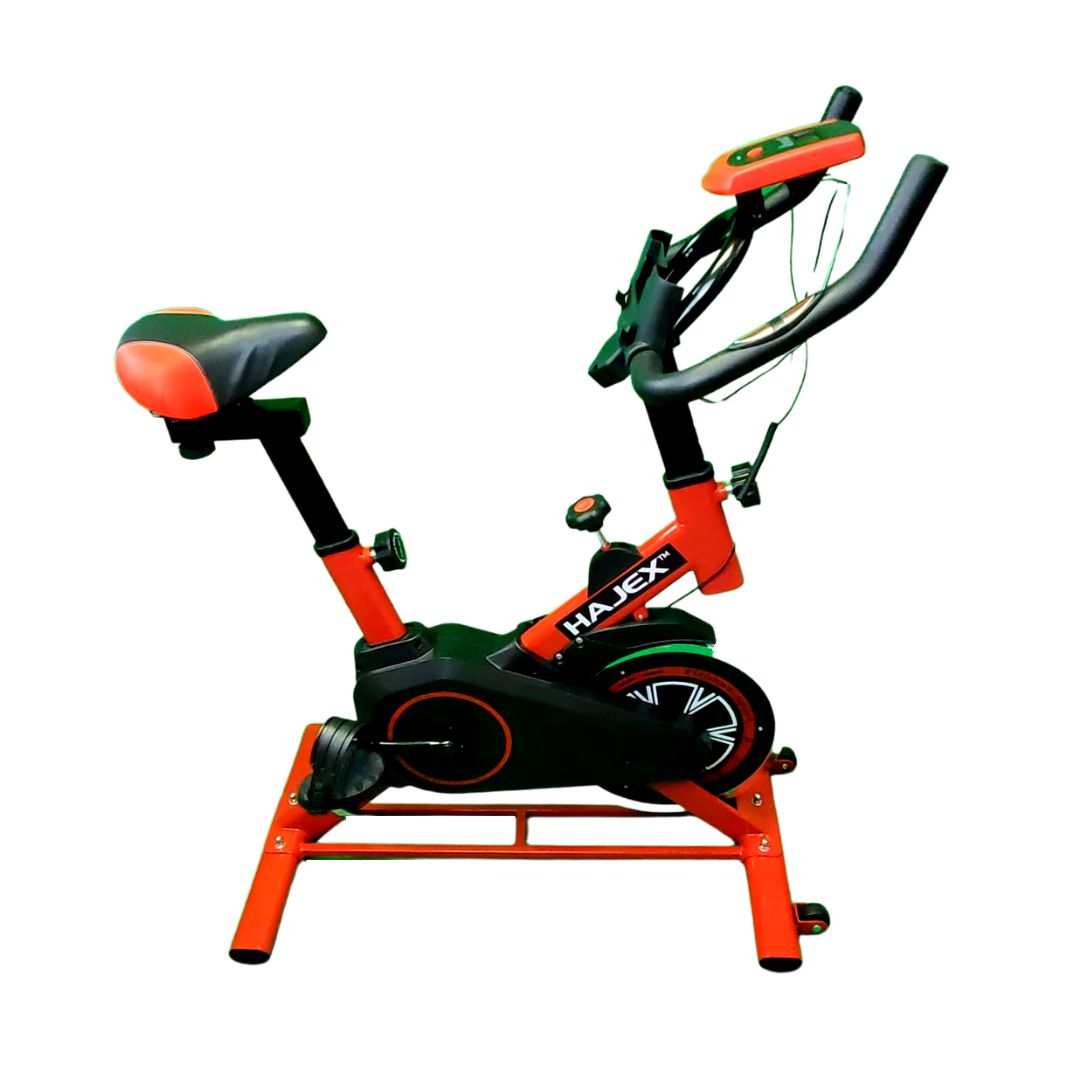 Exercise Bikes
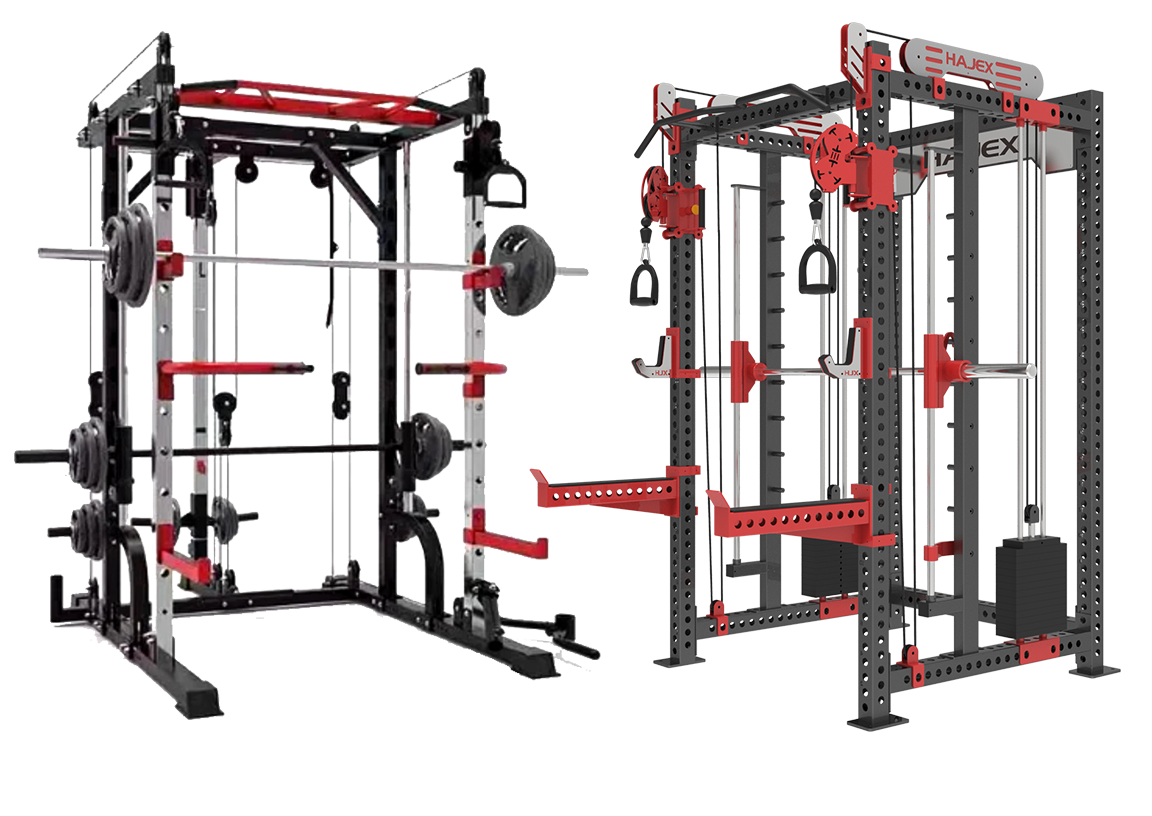 RACKS, CAGES & SMITHS
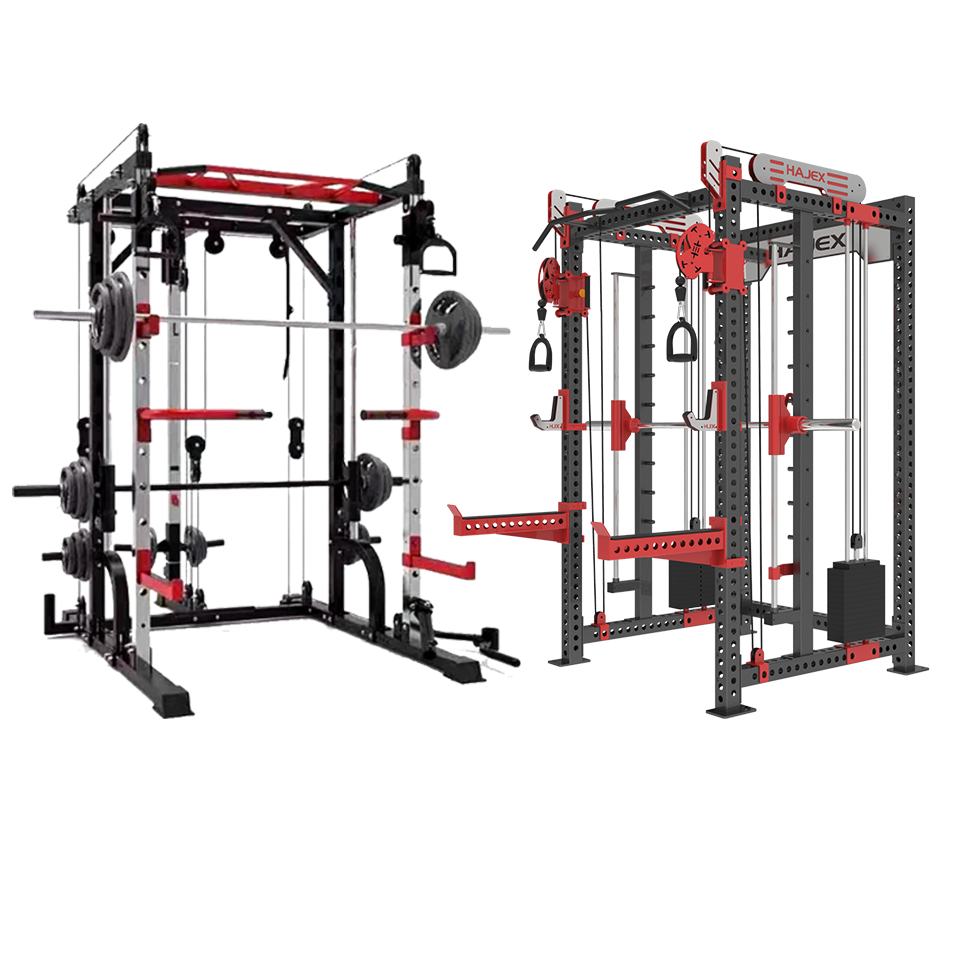 Smith Machines
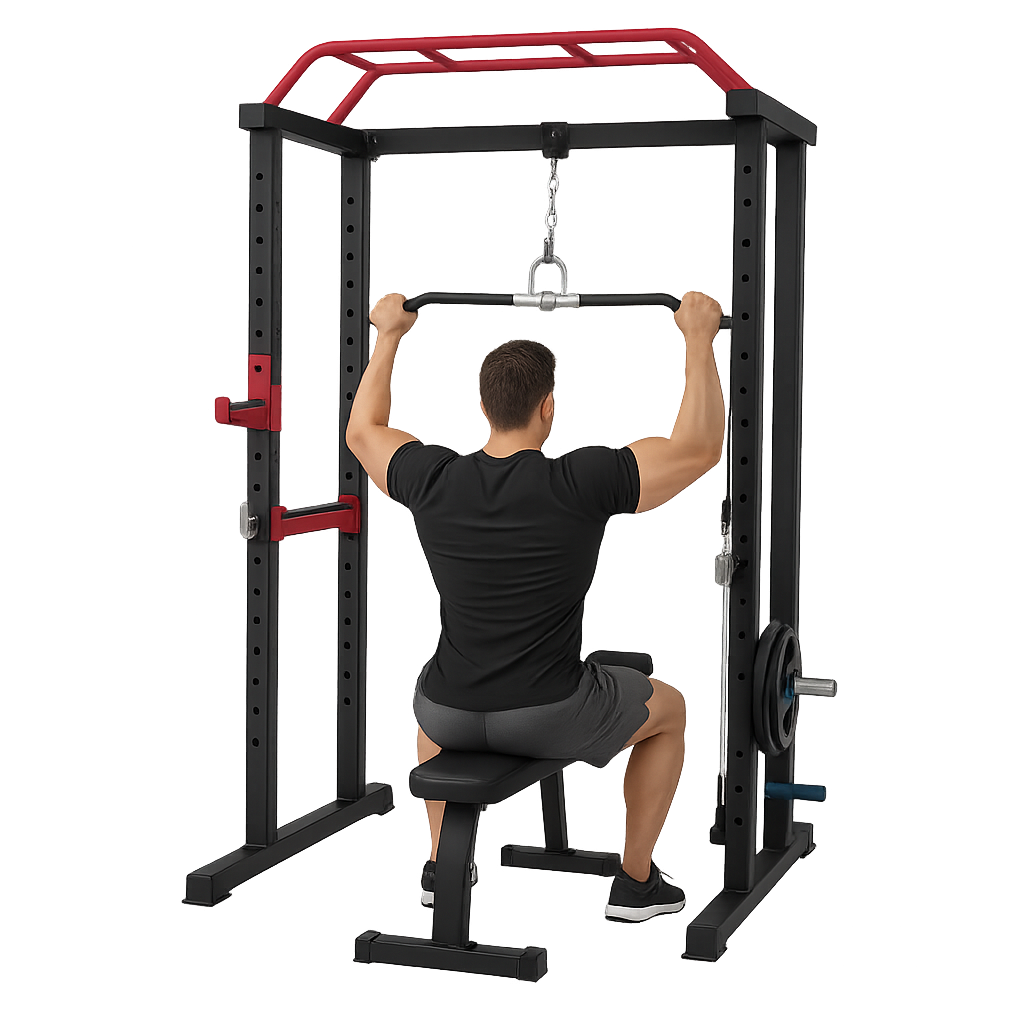 Power Racks
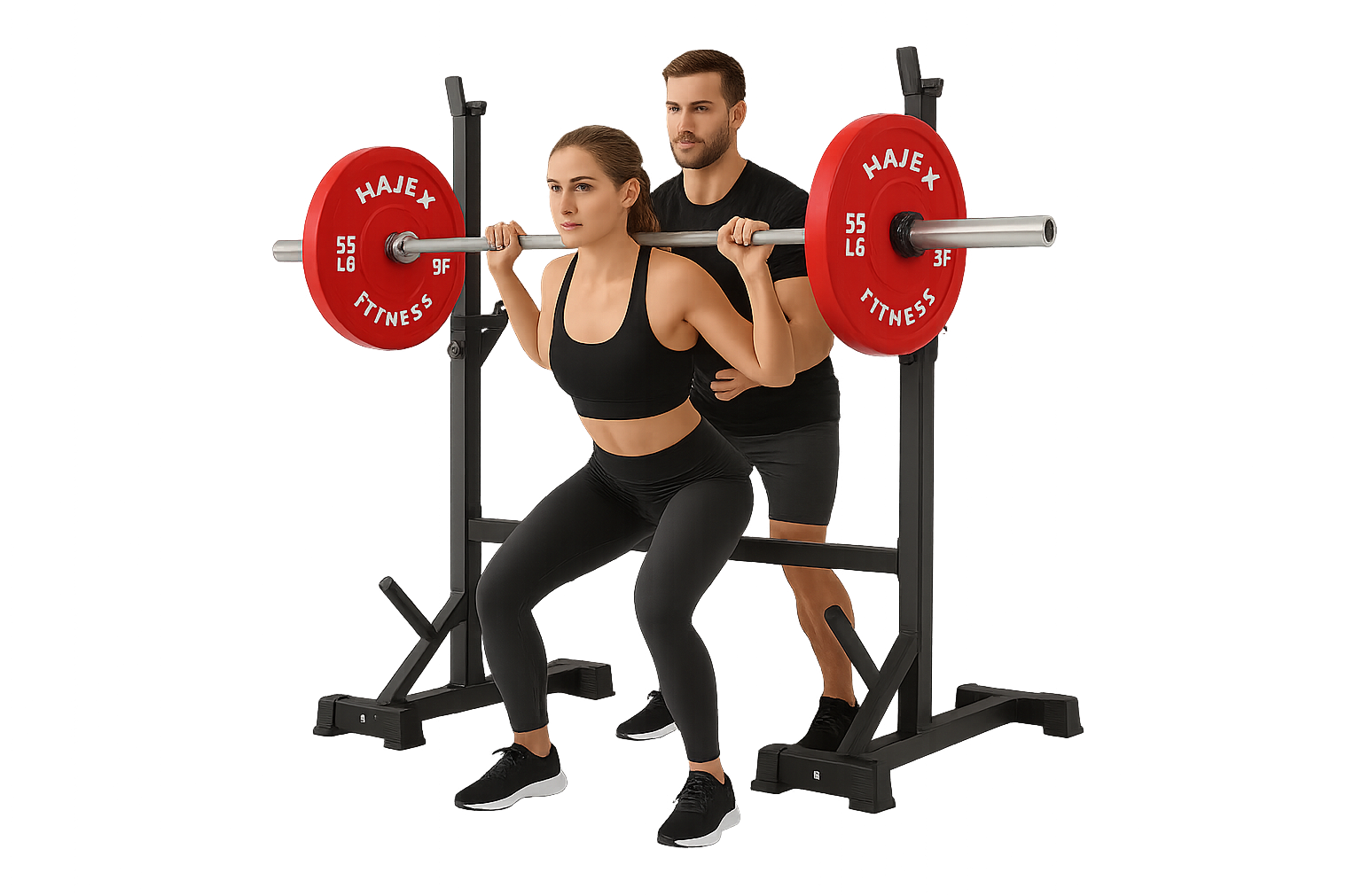 Squat Racks
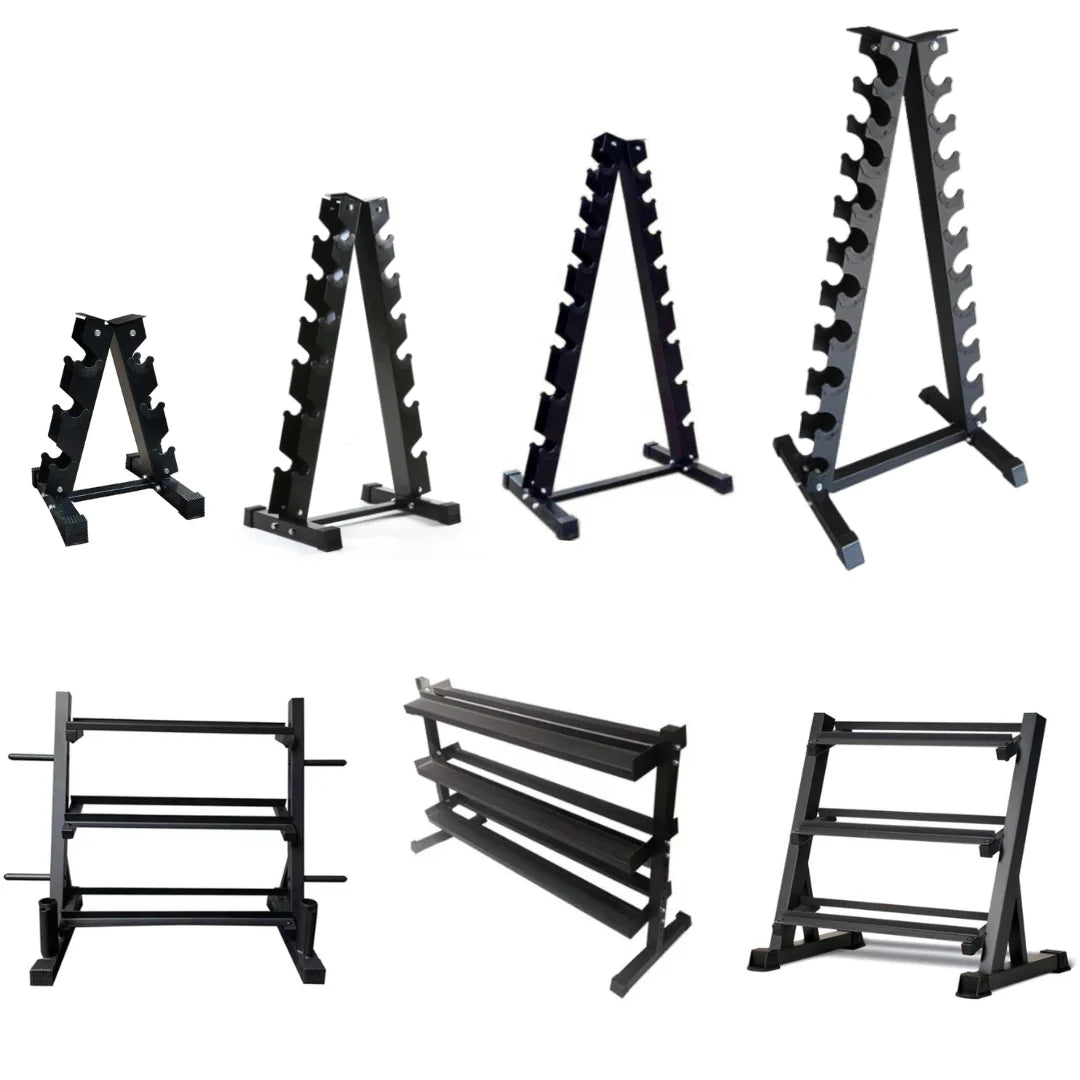 STORAGE RACKS
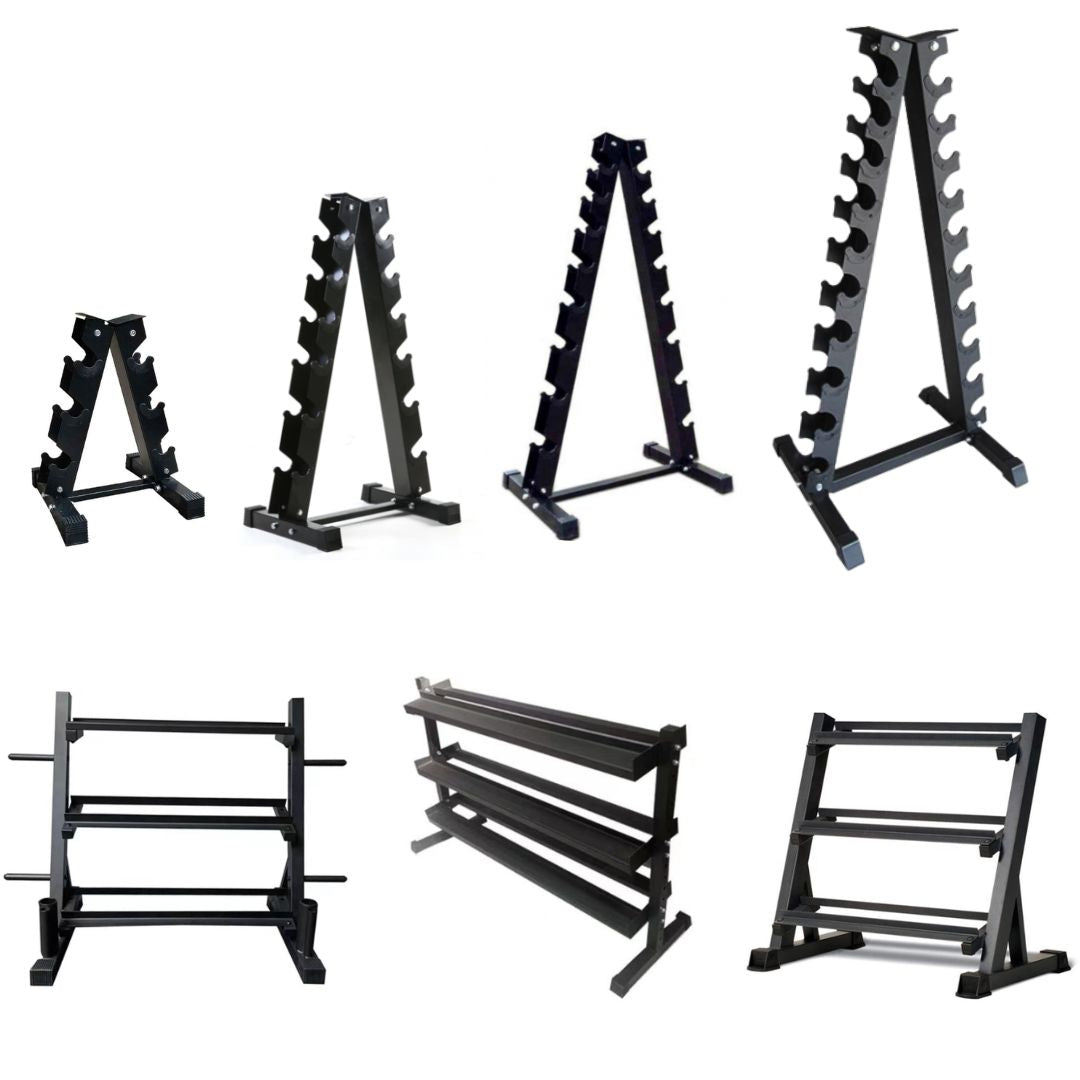 Dumbbell & Kettlebell Racks
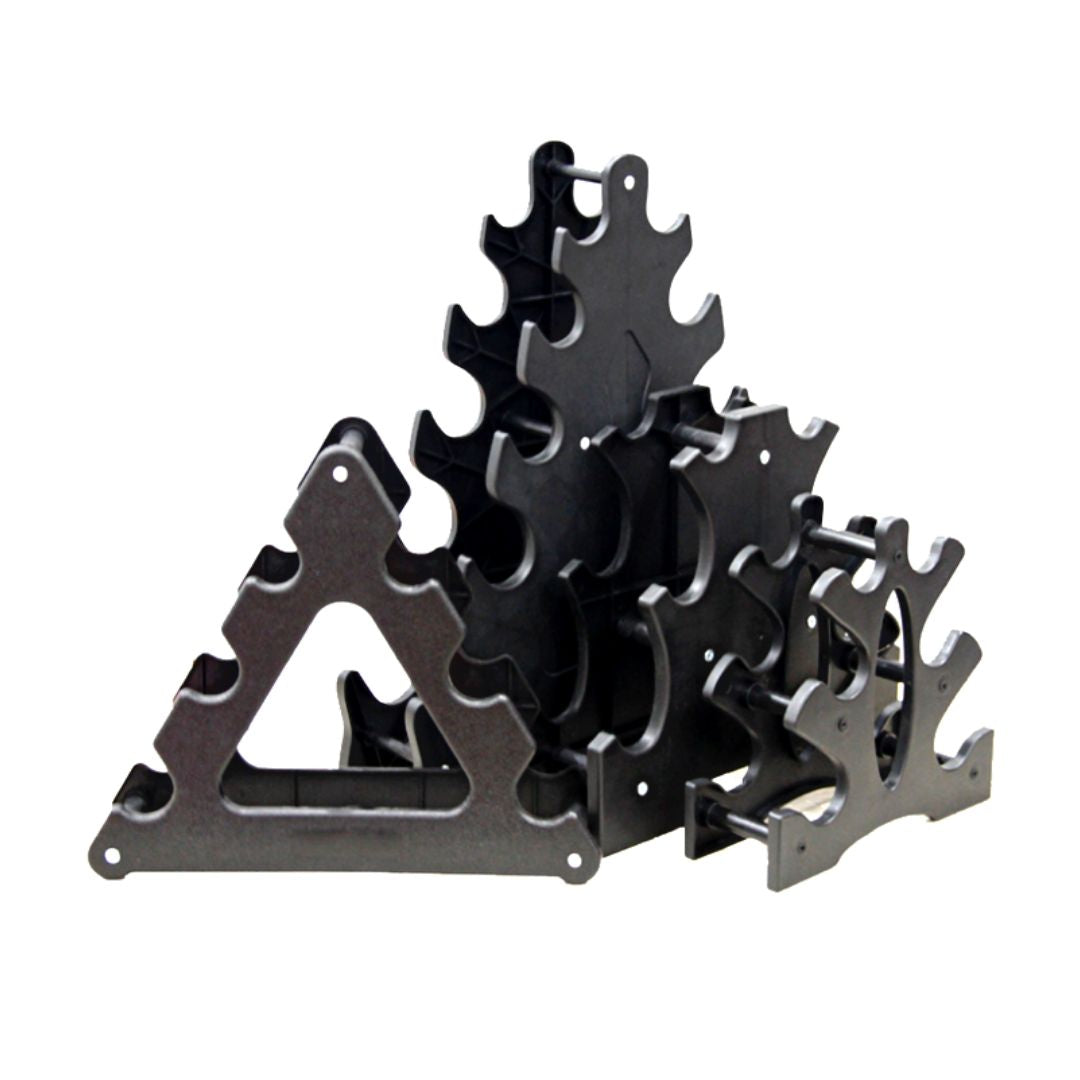 Mini Dumbbell Racks
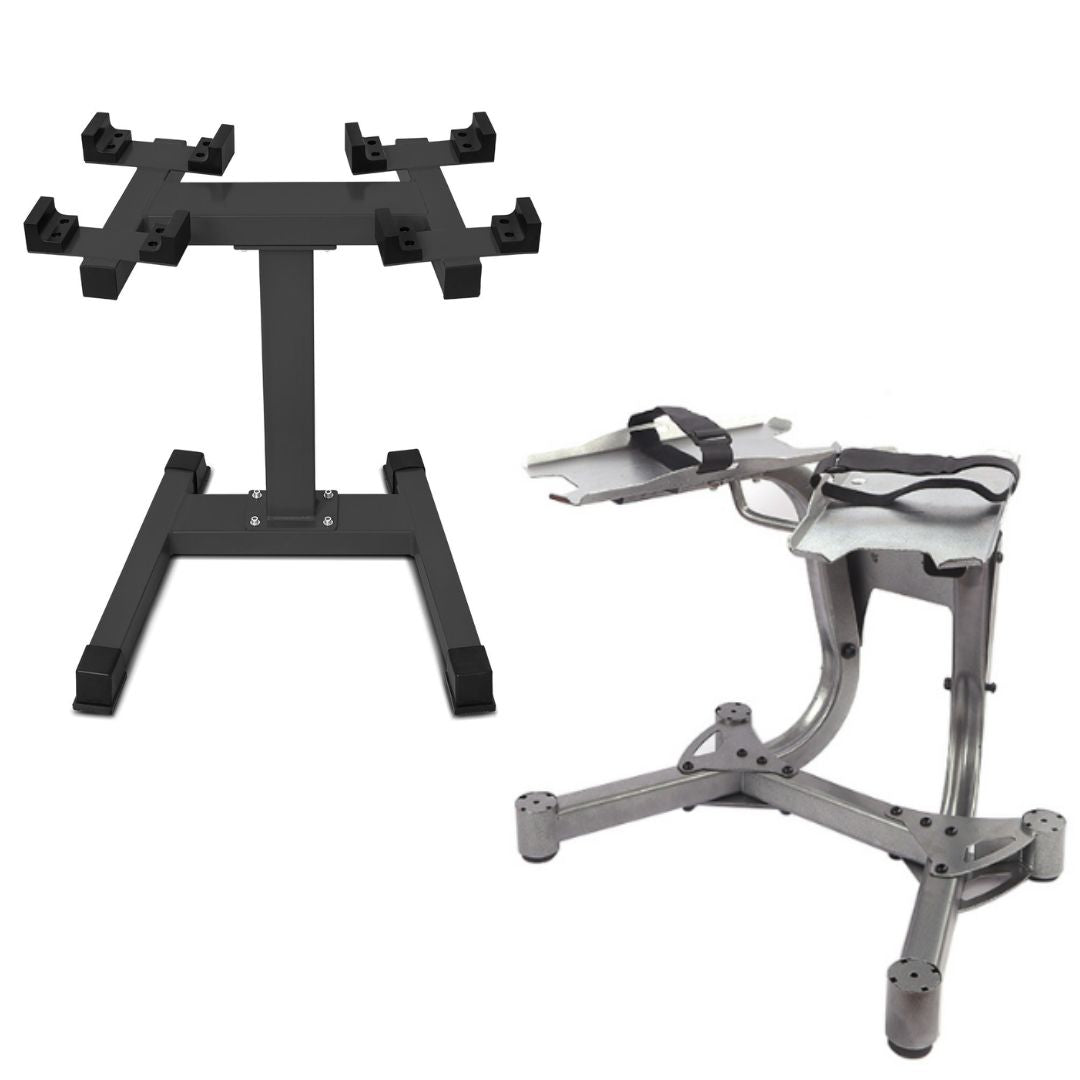 Adjustable Dumbbell Stands
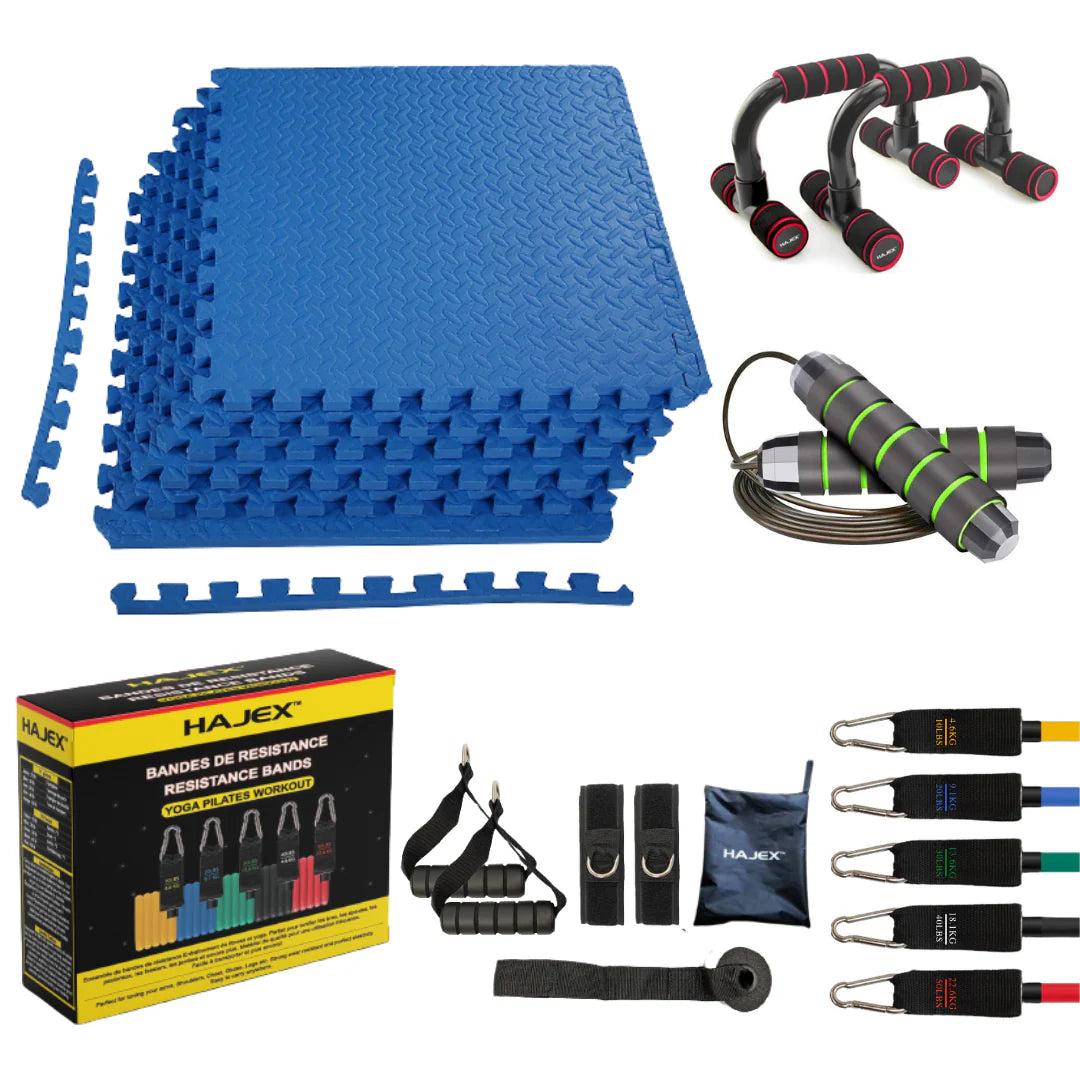 MORE
MORE
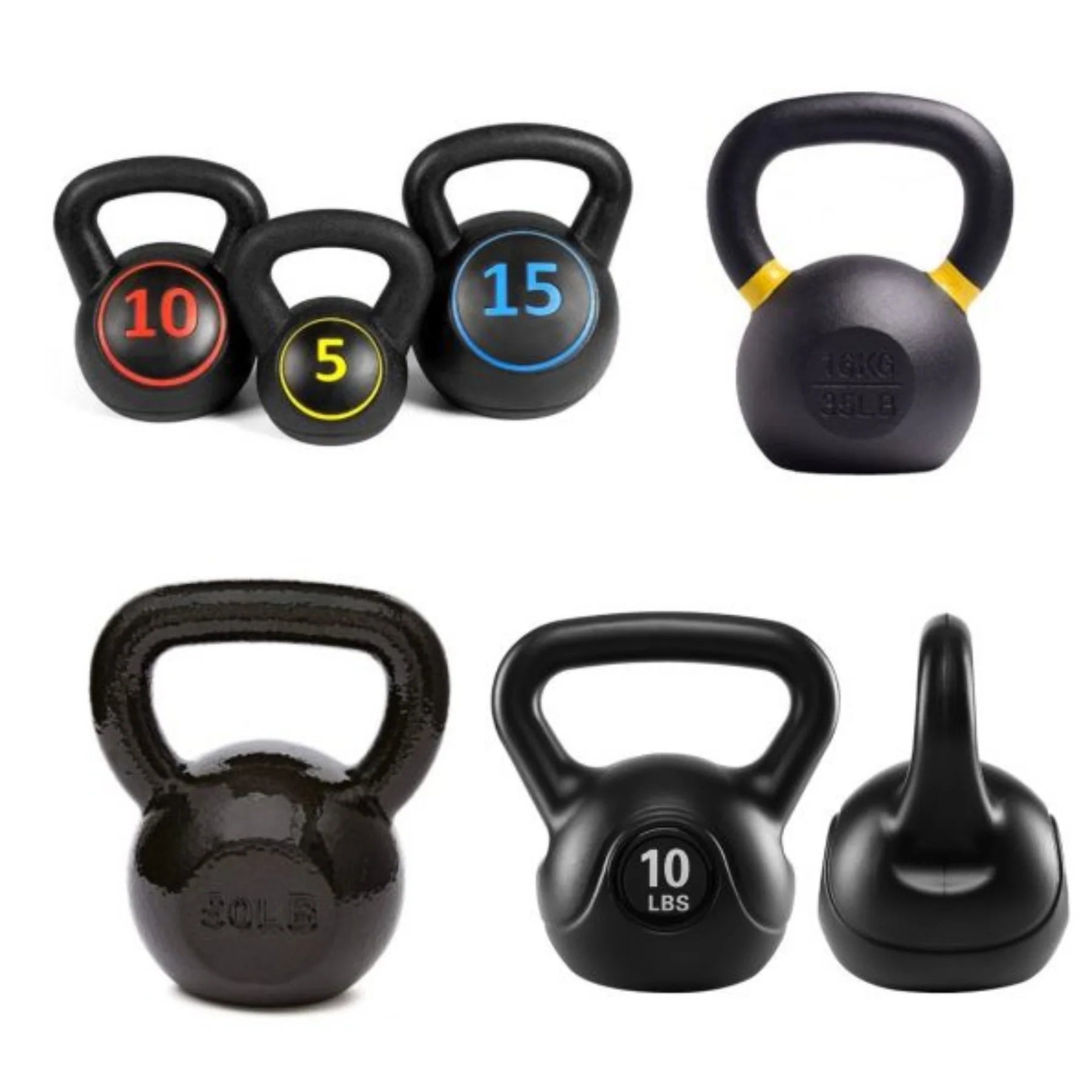 Kettlebells
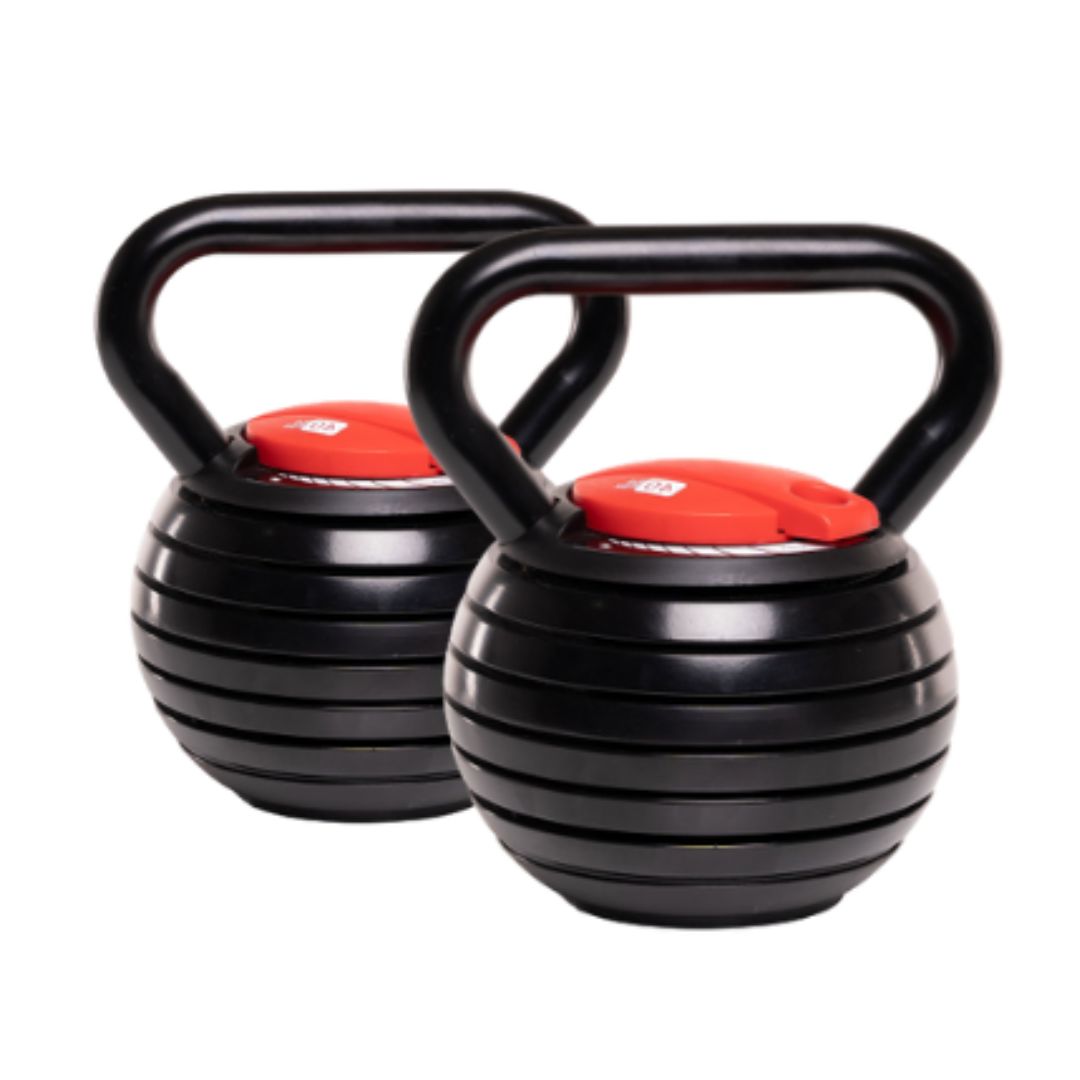 Adjustable Kettlebells - Single & Pair
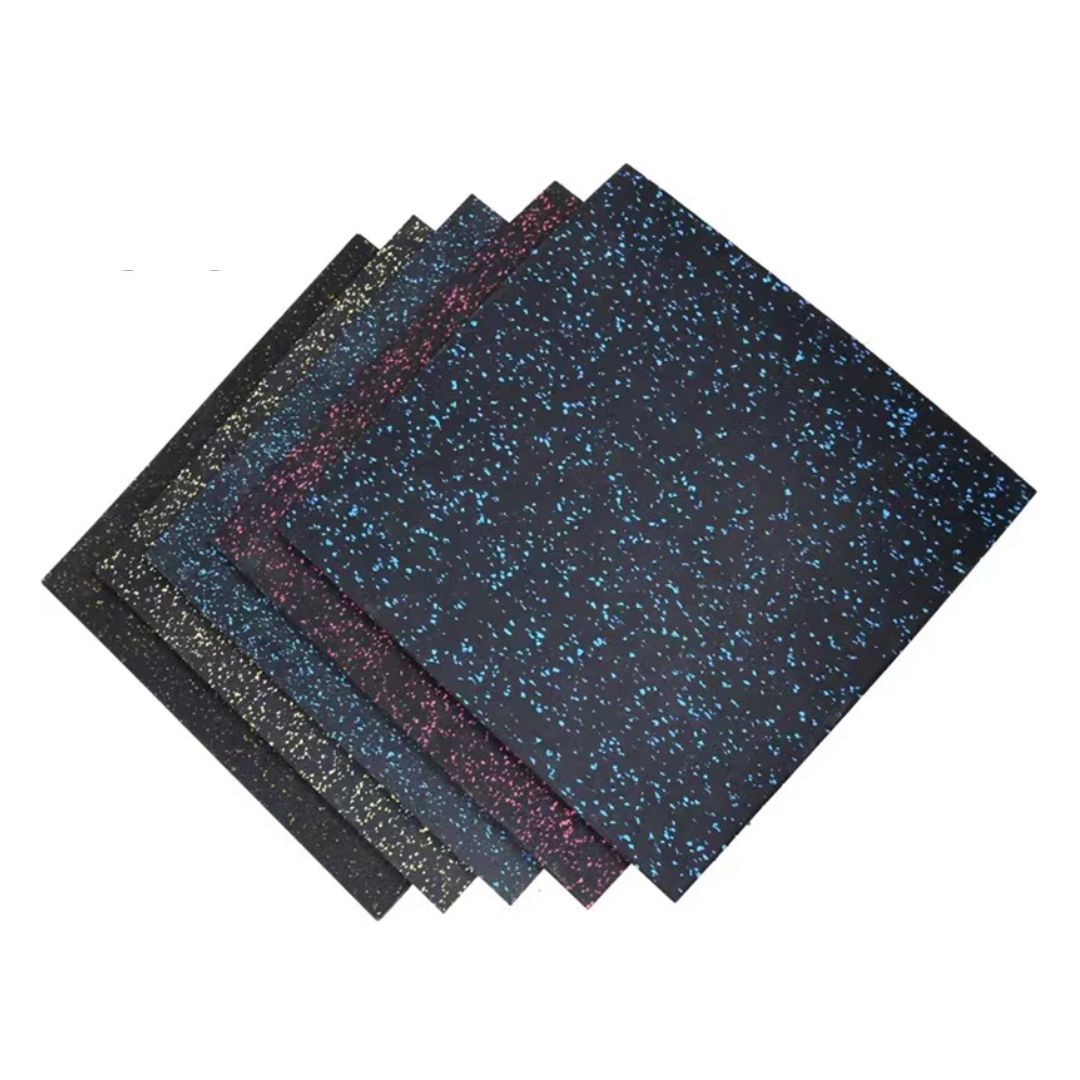 Floor Mats
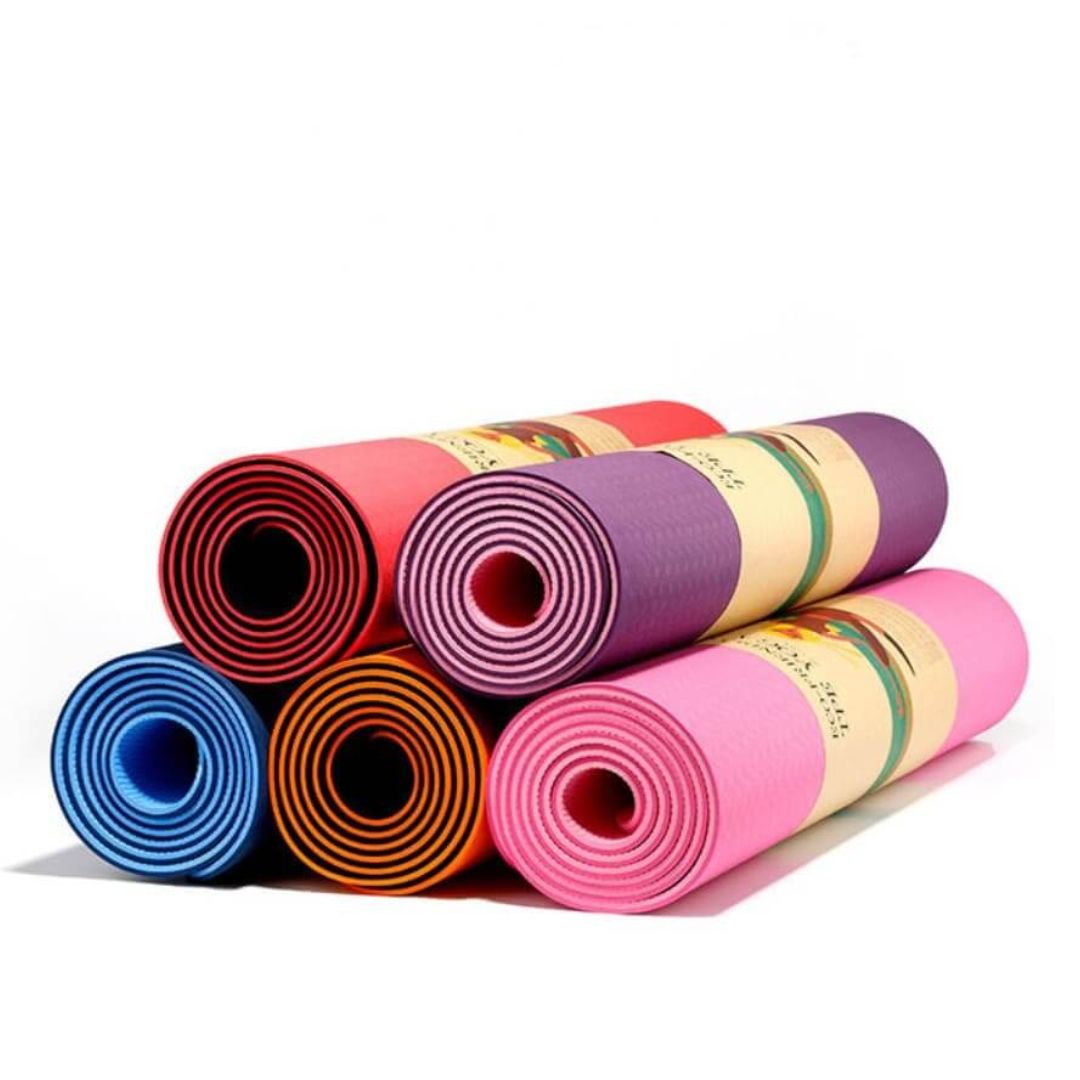 Yoga
Yoga
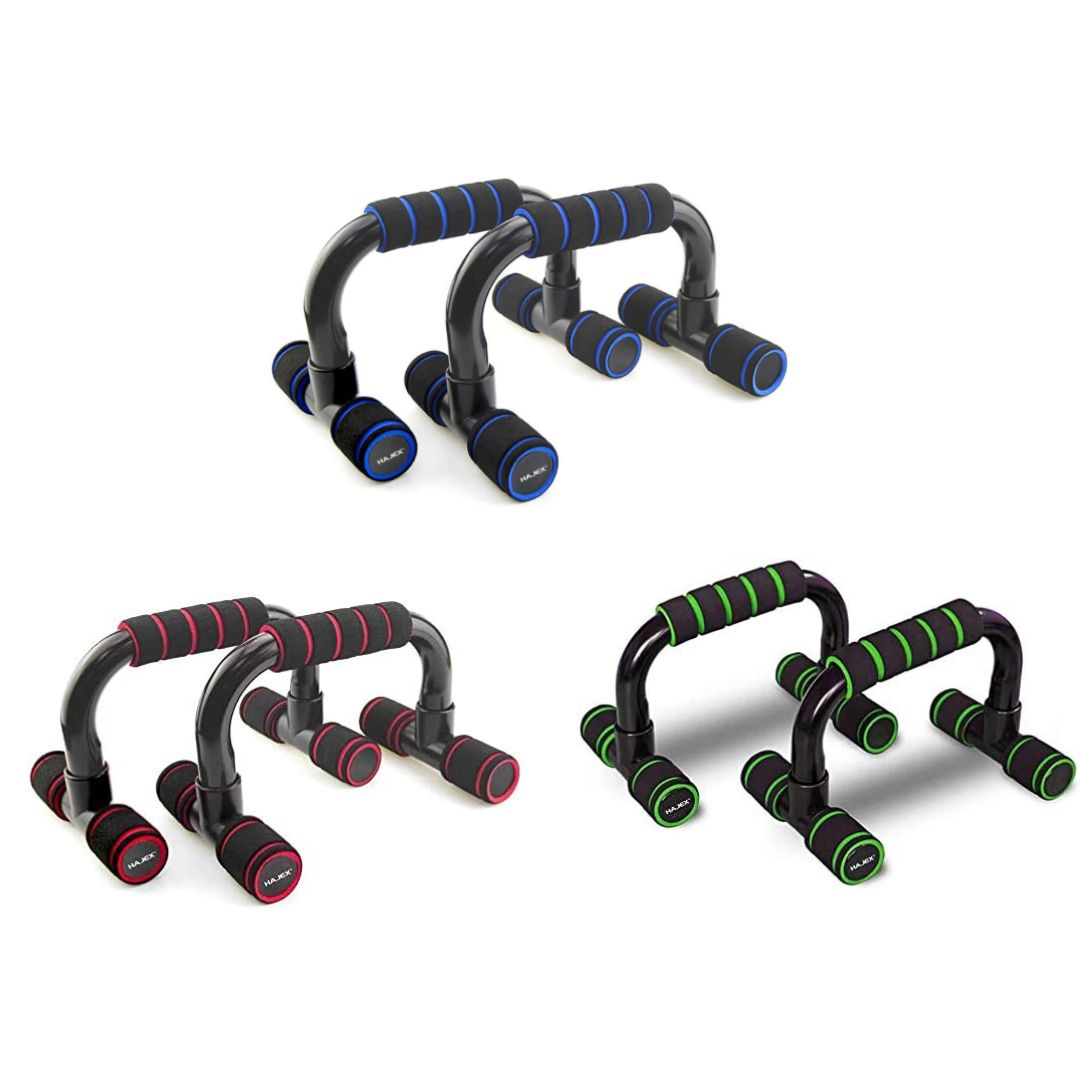 Push Up
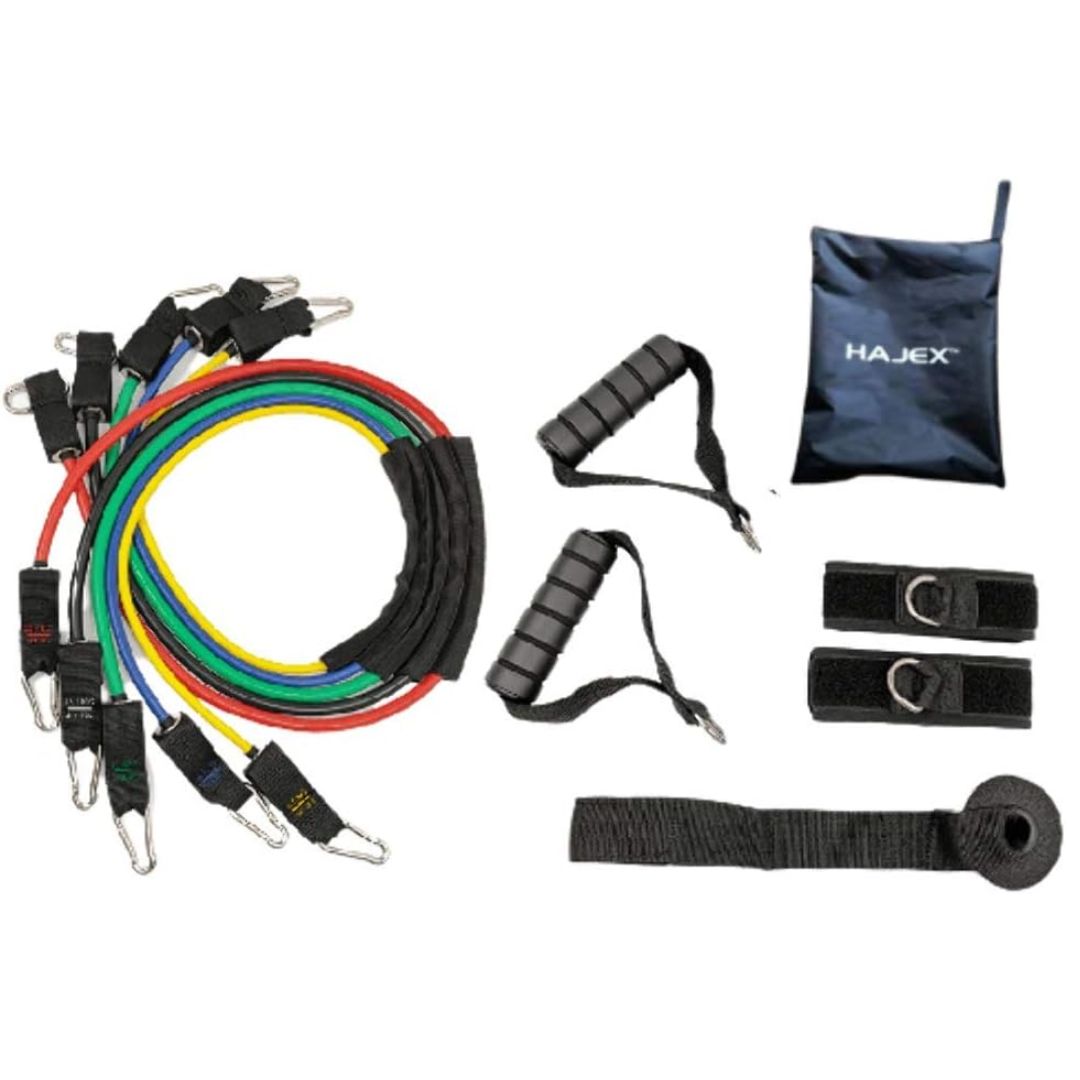 Resistance Bands
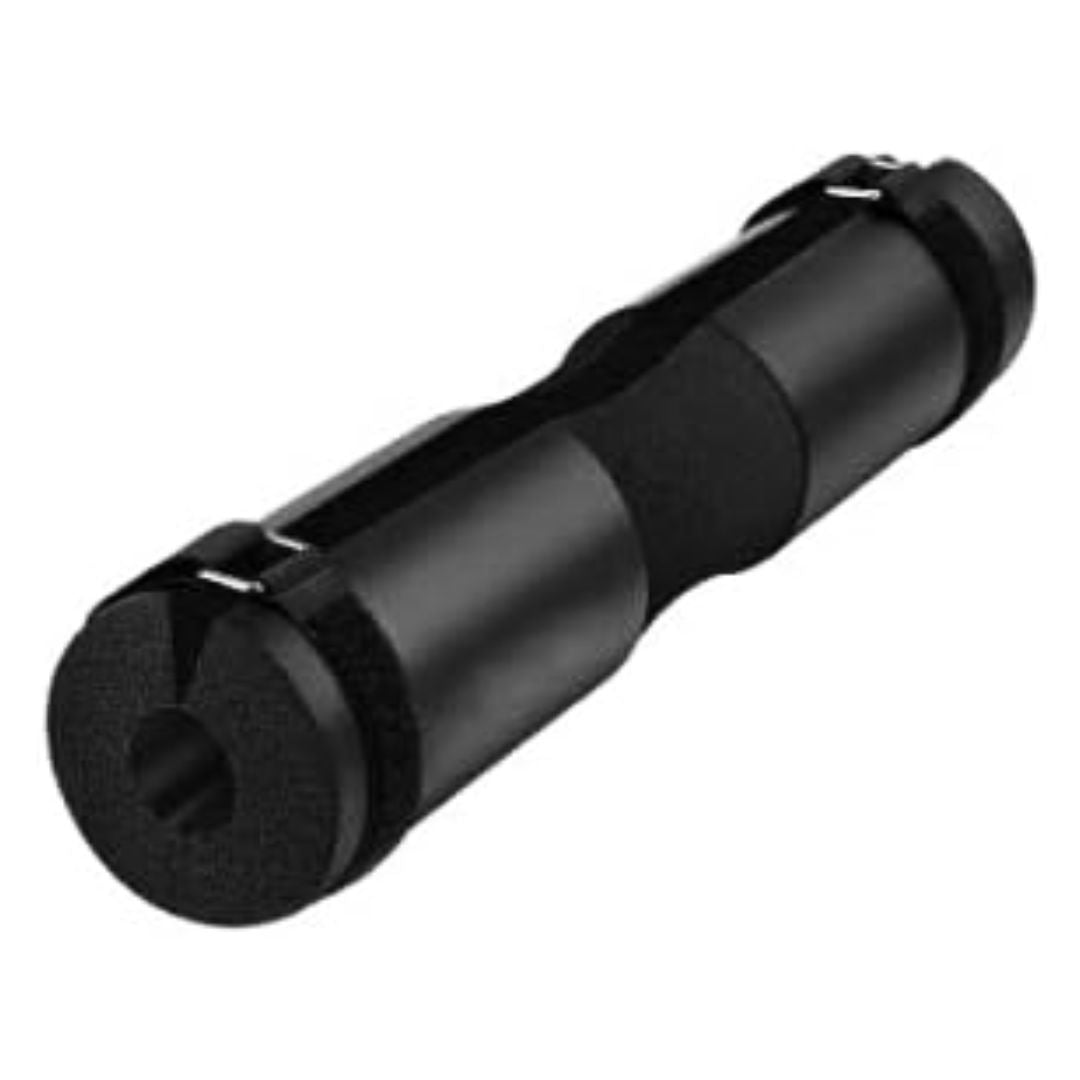 Barbell Pads
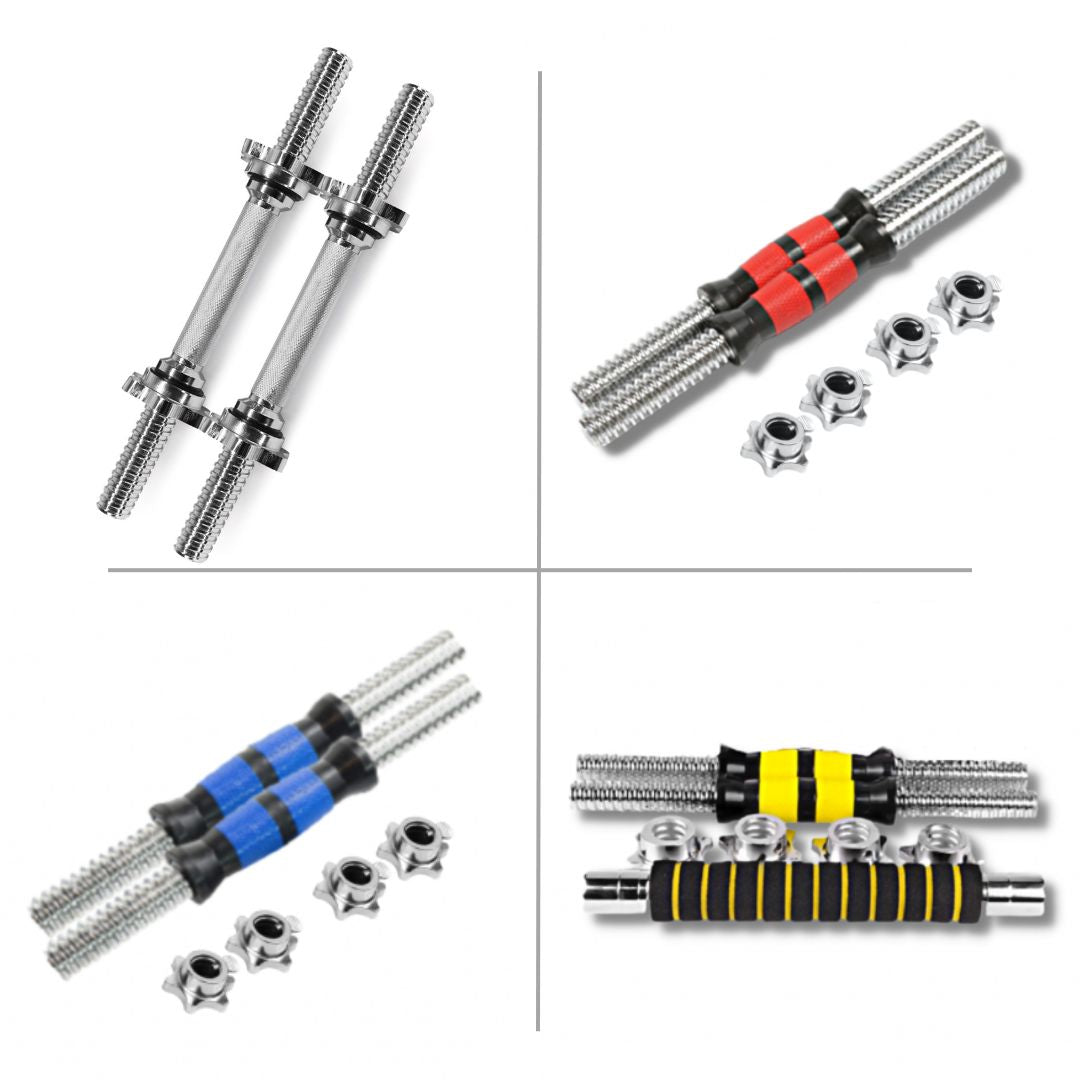 Dumbbell Handles
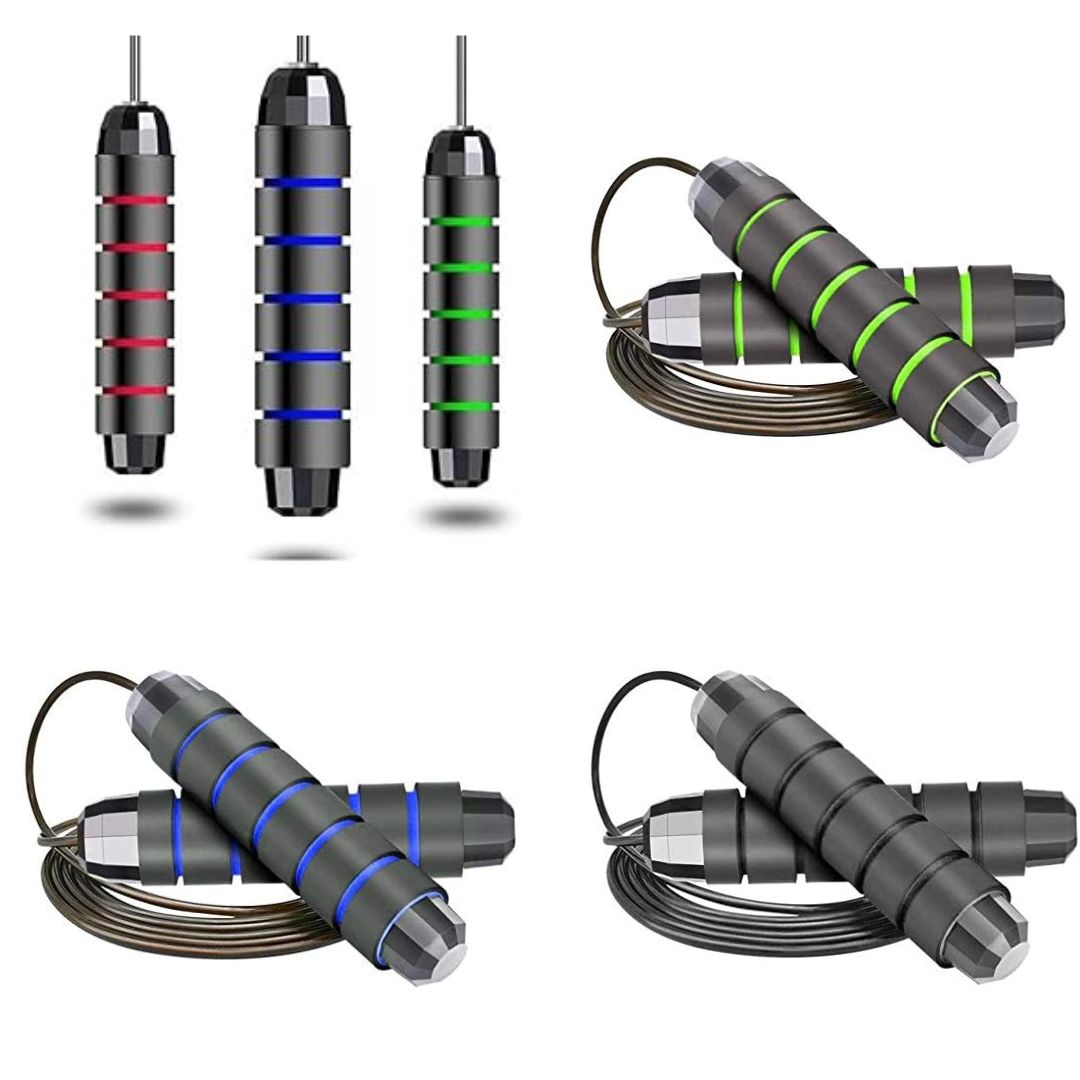 Jump Ropes



Competition Bumper Plates vs. Standard Bumper Plates: Which One Does Your Home Gym Actually Need?
Scroll through any bumper plate listing and you'll see two flavours: standard bumper plates and "competition" or "colored competition" bumper plates, usually at a noticeably higher price for the same weight. The marketing makes both sound essential. Here's what's actually different, and who really needs to spend the extra money.
The steel hub is the real difference
Every bumper plate is rubber moulded around a hub, and that hub is where the two categories diverge. Standard bumper plates use a simpler hub design built for durability under general use. HAJEX Competition Bumper Plates use a machined steel hub sized to tighter tolerances, which keeps the bar spinning smoothly and the plate seated precisely on a 2-inch Olympic sleeve — the kind of precision that matters when you're chasing a competition total, not when you're doing accessory work in a garage.
Color coding and weight identification
Competition plates are color-coded by weight under IWF and IPF-style conventions — red for 55 LB, blue for 45 LB, yellow for 35 LB, green for 25 LB, white for 15 LB — so a loader can read a bar's weight across the room without checking a single label. Standard bumper plates are typically black across every weight, which is fine at home where you're the only one loading the bar, but slows down group training or gym-floor use where multiple people are swapping plates.
Bounce and drop tolerance
Both plate types are rated for dropping, but competition plates are built around a more consistent "dead bounce" — the rubber compound and hub geometry are tuned so a dropped plate doesn't kick unpredictably, which matters in a commercial or competition setting where a wild bounce near other lifters is a real hazard. In a home gym with a single rack and a lifting platform you built yourself, a slightly livelier bounce from standard bumpers is rarely a practical problem.
Price per pound
Competition plates carry a real premium for that steel hub precision and color coding — expect to pay meaningfully more per pound than standard black bumper plates at the same weight. That premium buys you tighter tolerances and easier weight ID, not more durability — both plate types are built to take repeated drops.
Who actually needs competition plates
Buy competition bumper plates if you compete or train for Olympic lifting meets, coach others and need instant weight recognition across a group, or you're setting up a serious home platform and want the bar to spin like it will on meet day.
Buy standard bumper plates if you're the only person loading your bar, you're training general strength and conditioning rather than competition lifts, or you want to stretch your budget further — the rubber protects your floor and your bar identically either way.
The bottom line
Both are legitimate bumper plates that protect your floor, your bar, and your ceiling from a bad rep. Competition plates buy you precision and instant weight recognition; standard plates buy you the same protection for meaningfully less per pound. Most home gyms are well served by standard — save the competition set for when you're actually training toward a platform.
Compare both lineups directly: Competition Bumper Plates and Standard Bumper Grip Plates — or email support@hajex.com if you're not sure which fits your setup.


