 WEIGHT PLATES
 Cast Iron Olympic Plates
 Olympic Rubber Weight Plates
 PVC Weight Plates
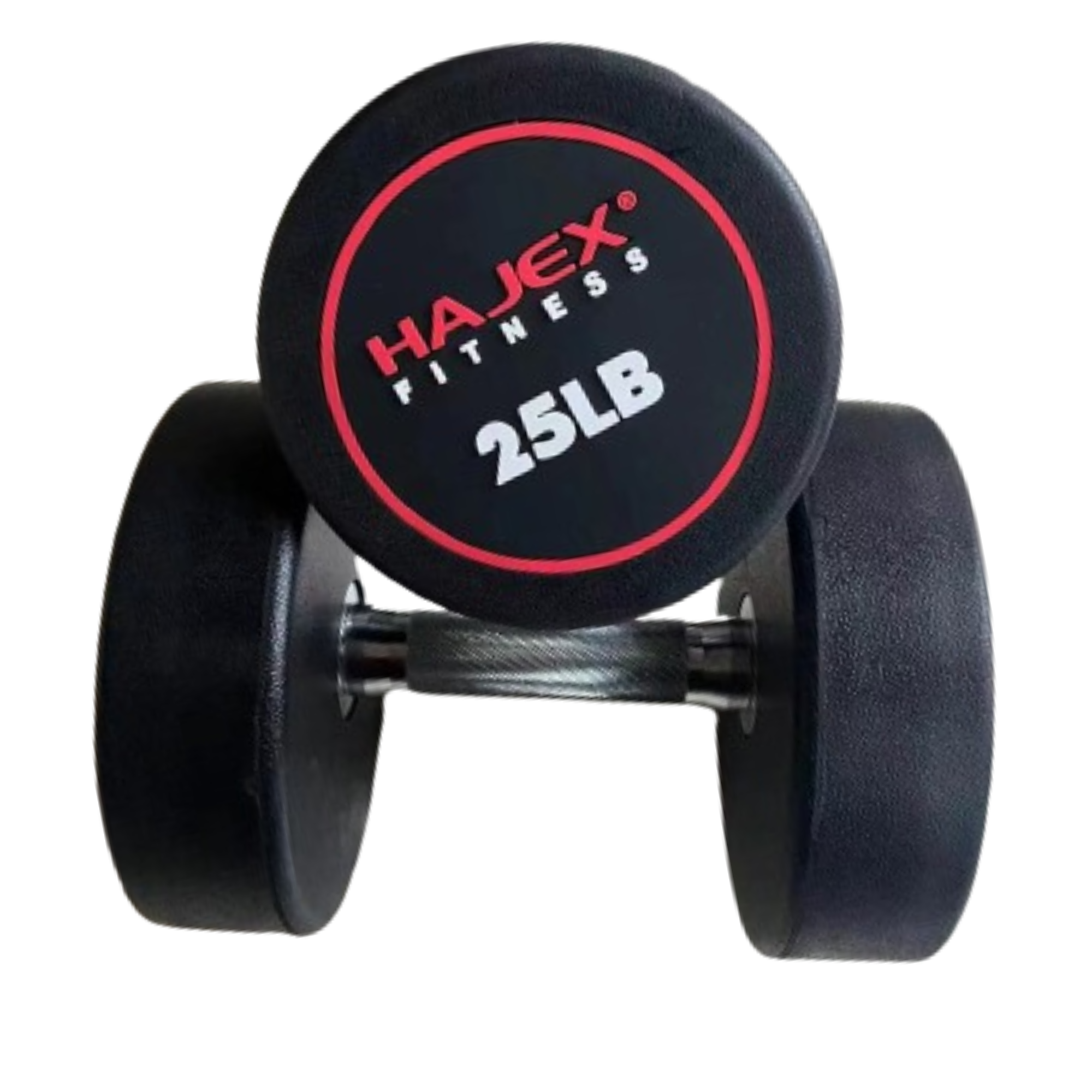 DUMBBELLS
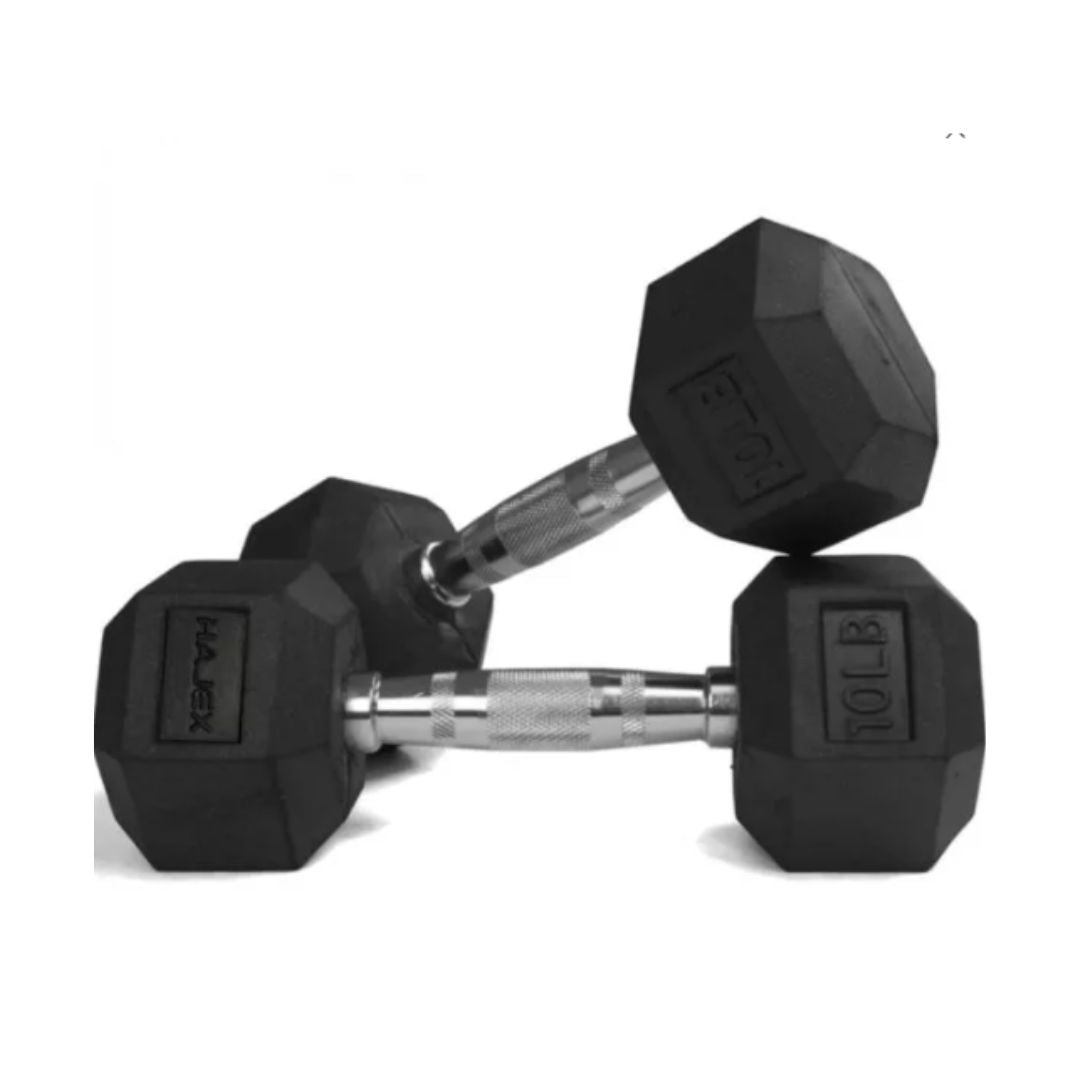 Rubber Hex Dumbbells
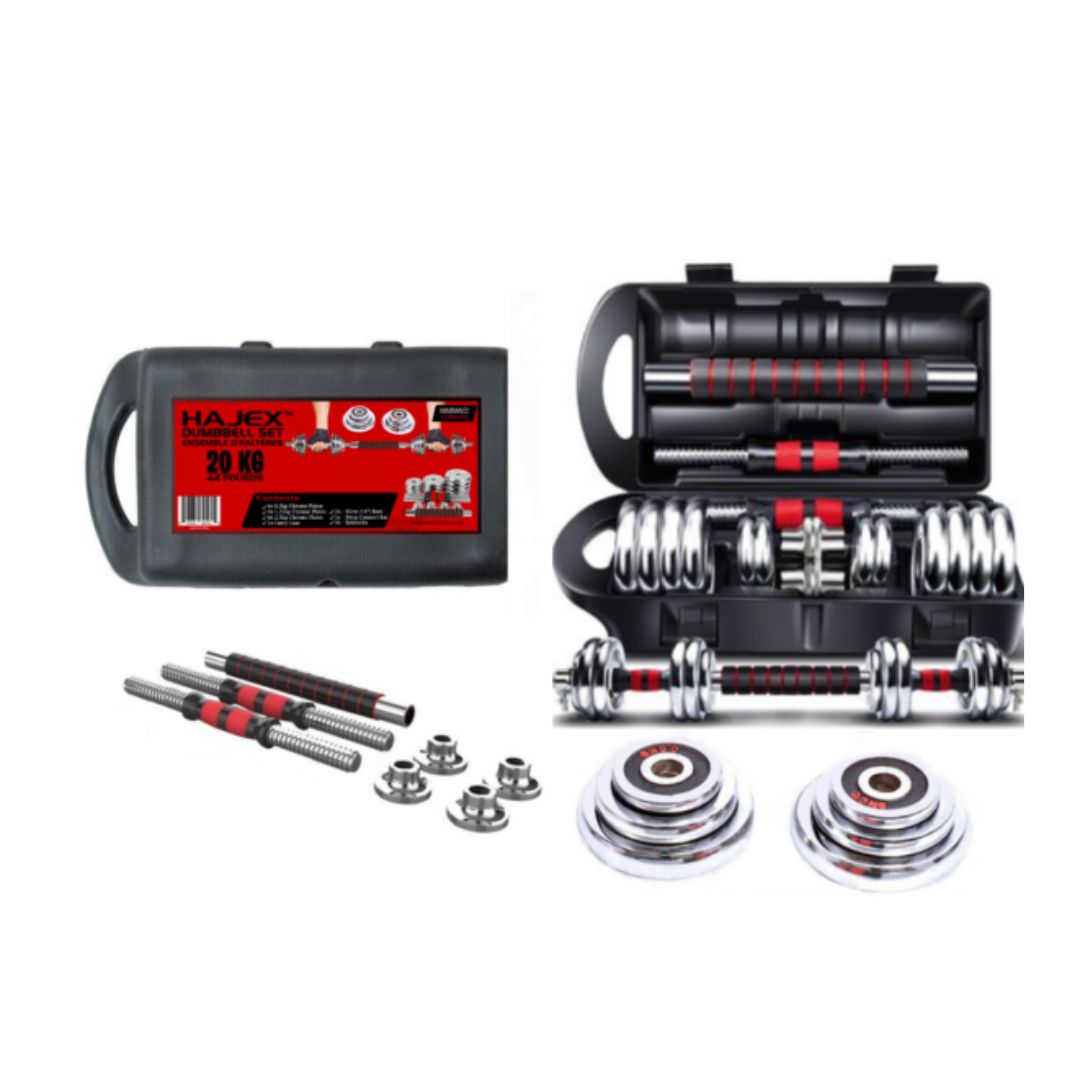 Cast Iron Adjustable Dumbbells
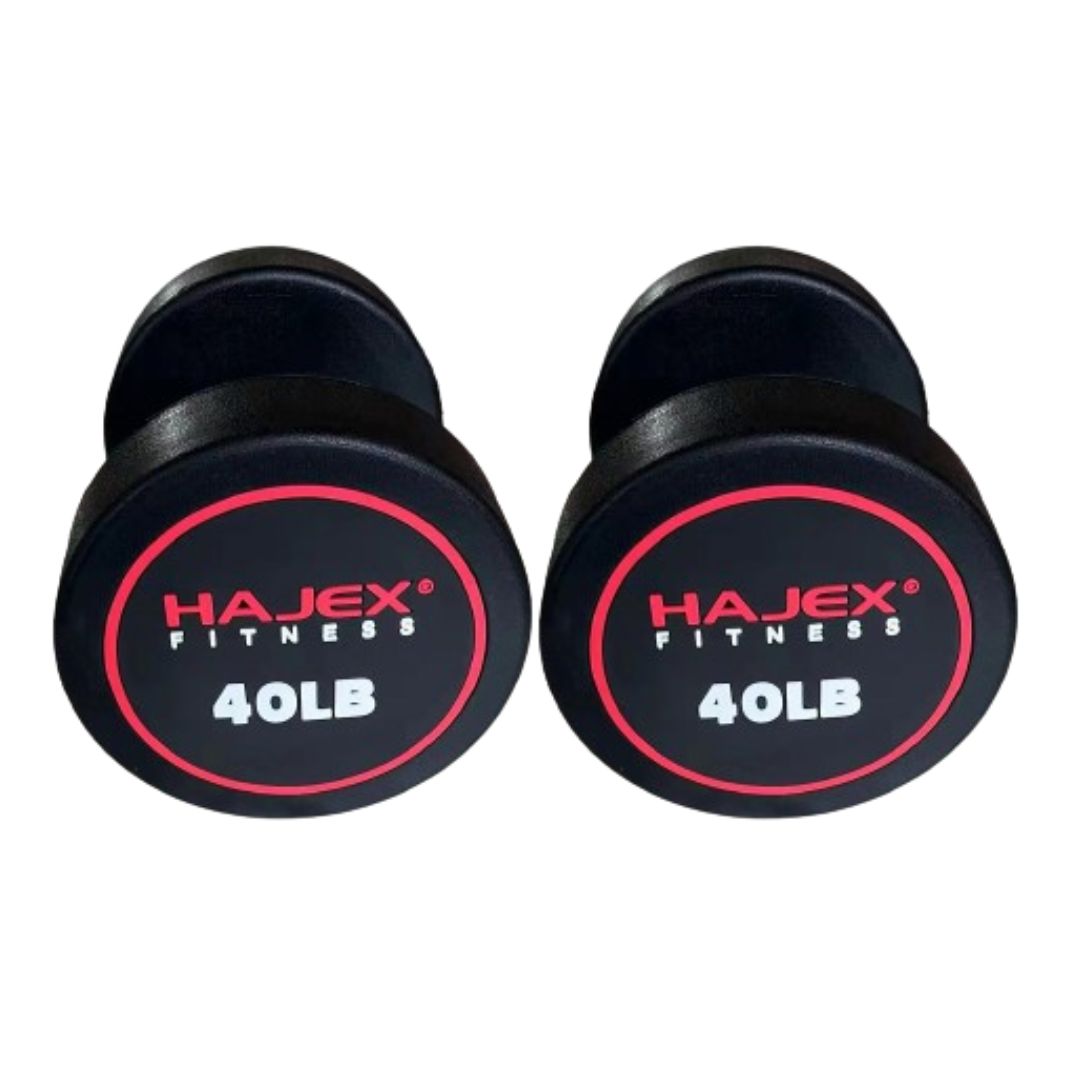 Round Head Dumbbells
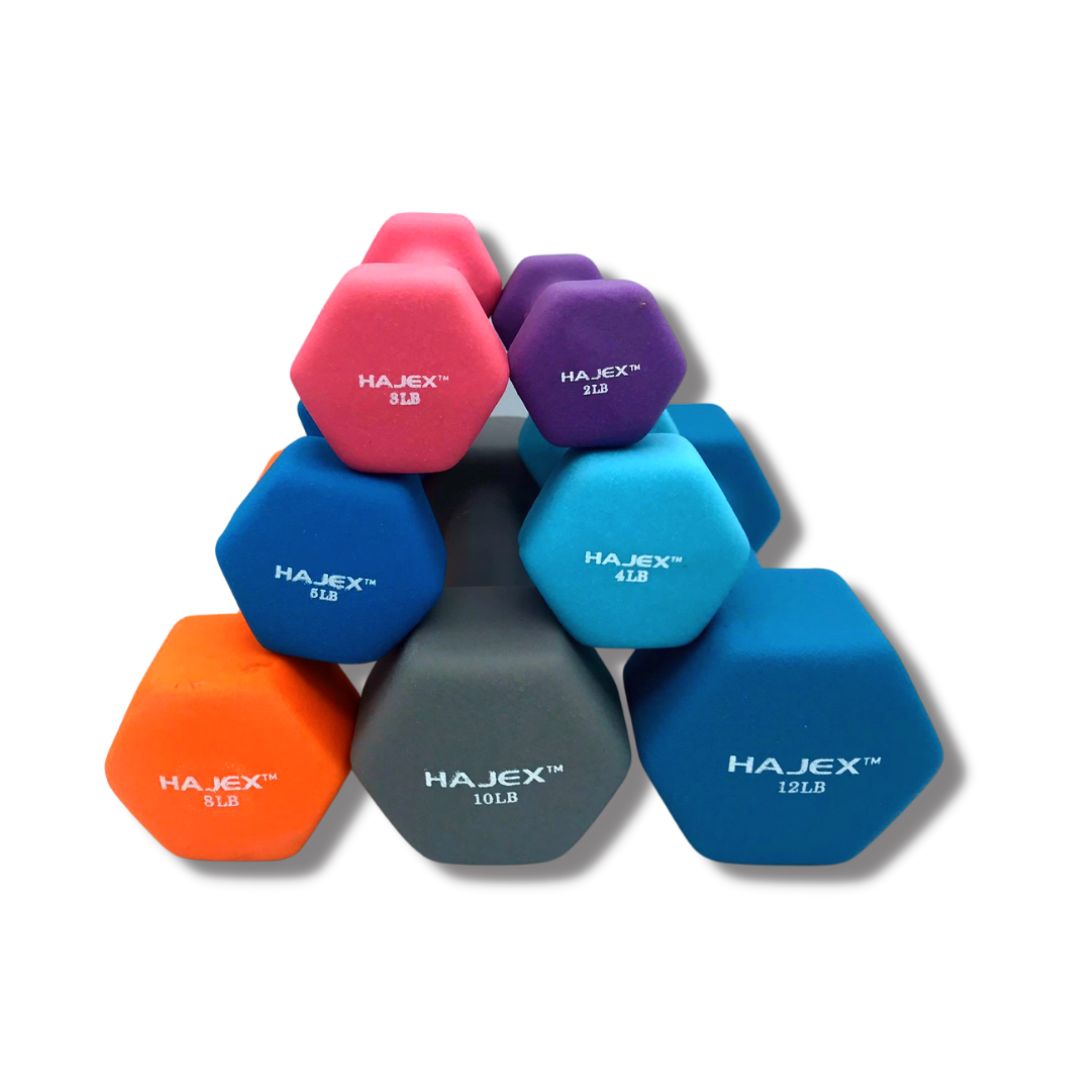 Neoprene Dumbbells
 BENCHES
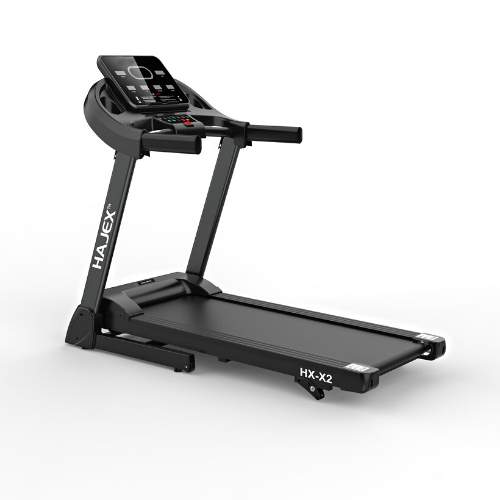 CARDIO
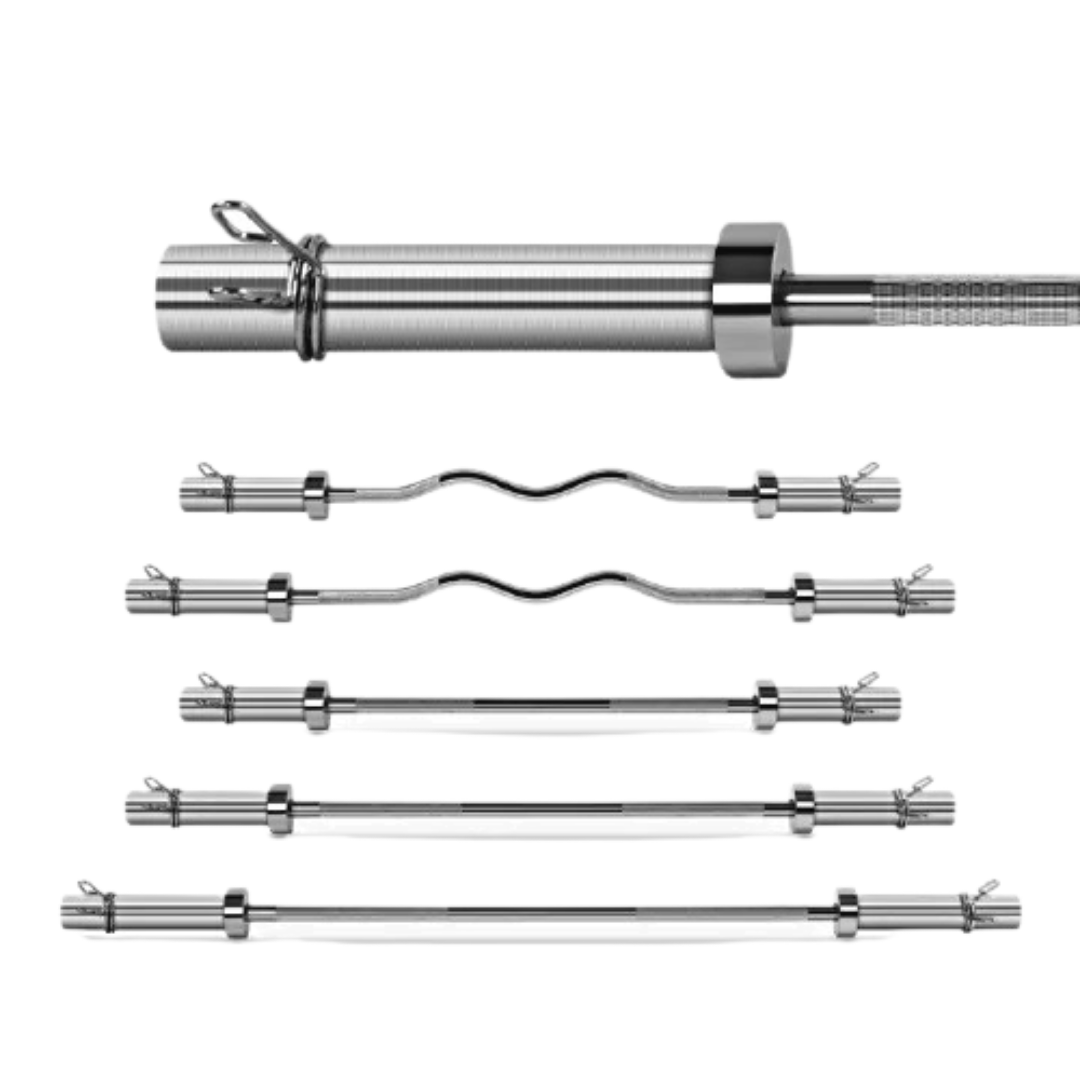 BARBELL BARS
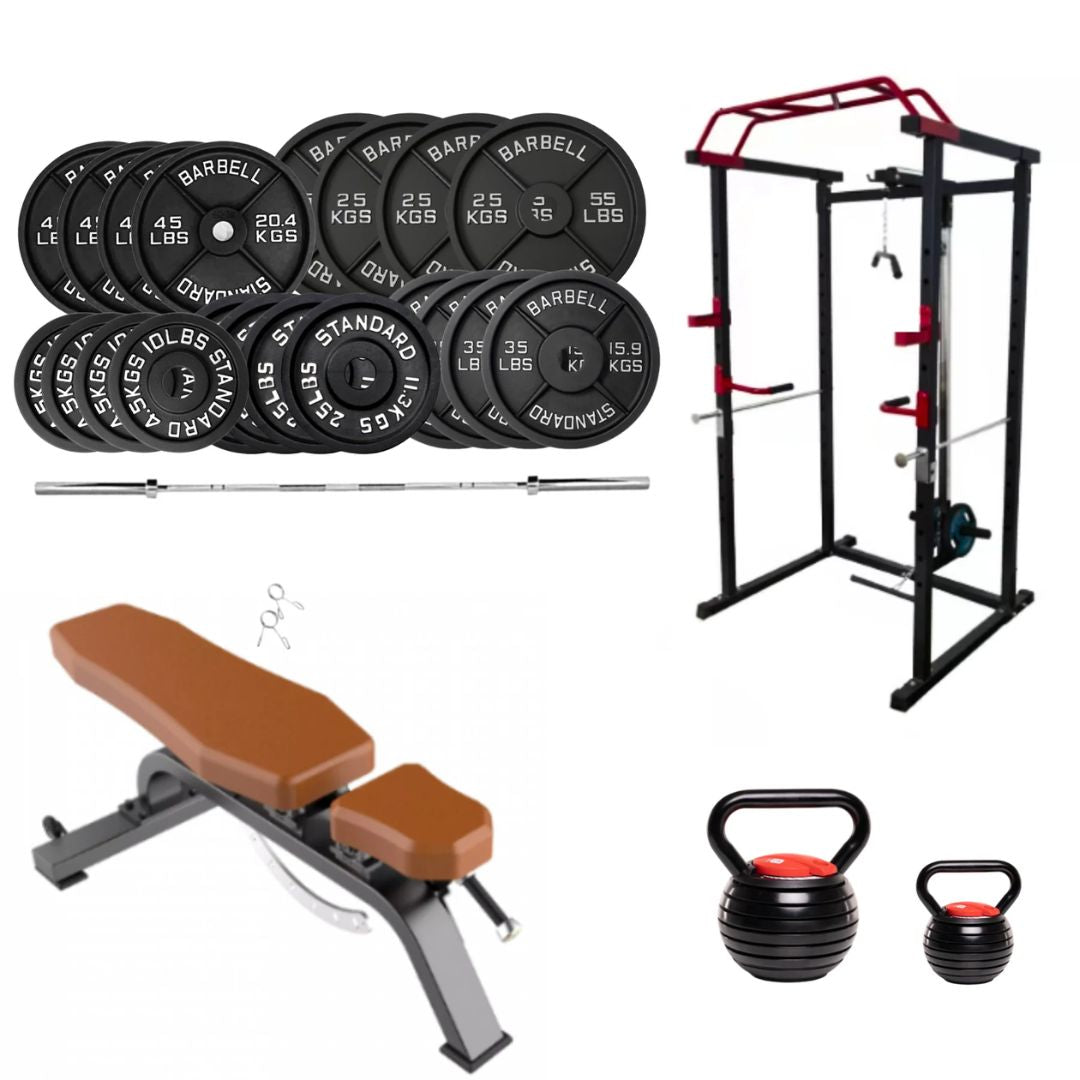 Home Gym Deals
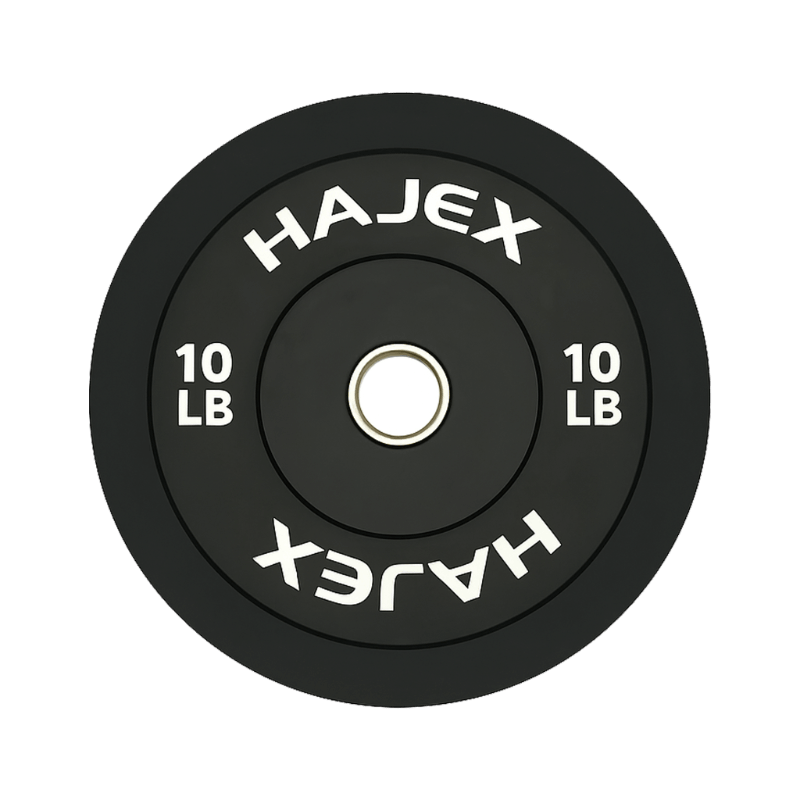 Olympic Bumper Plates
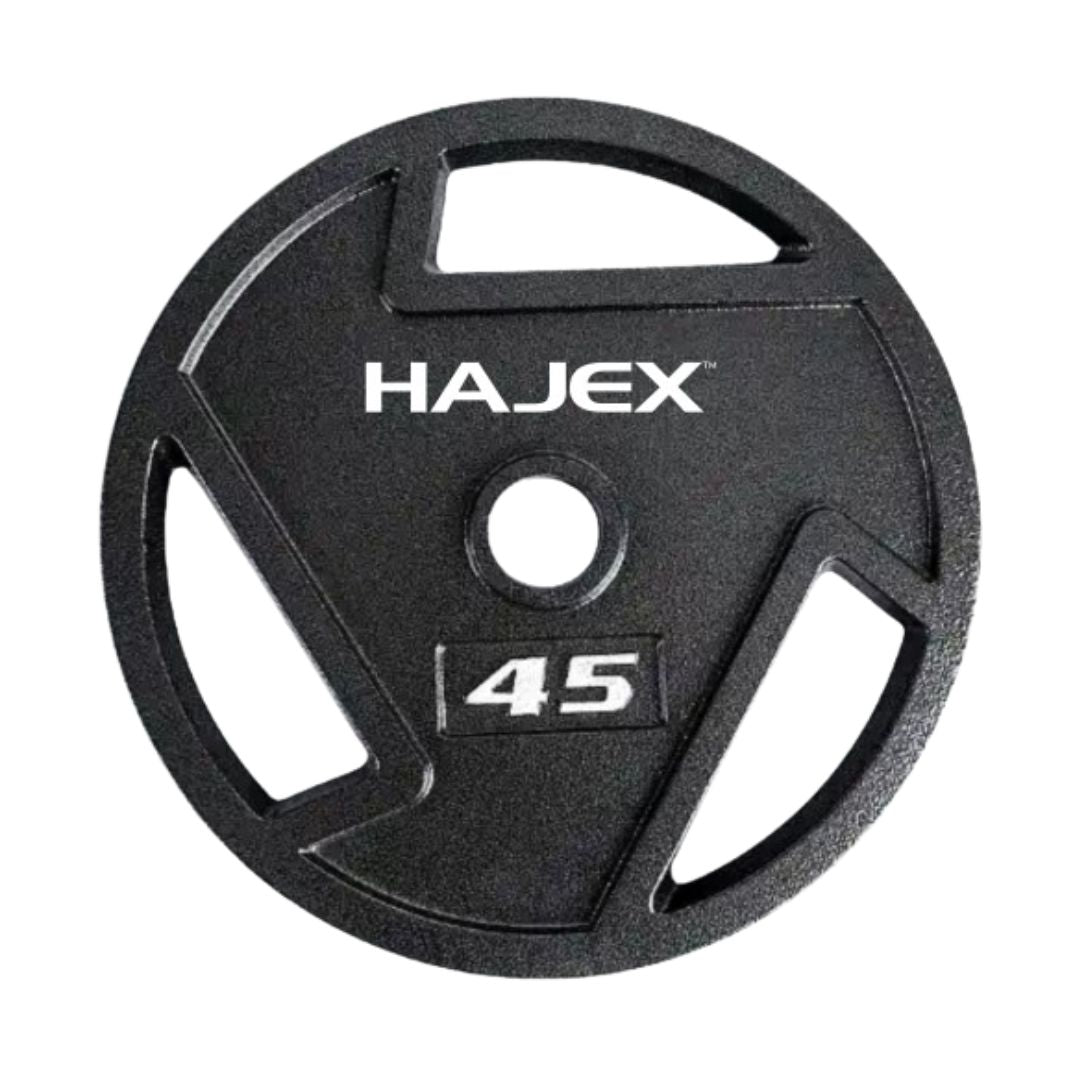 Tri Grip Plates
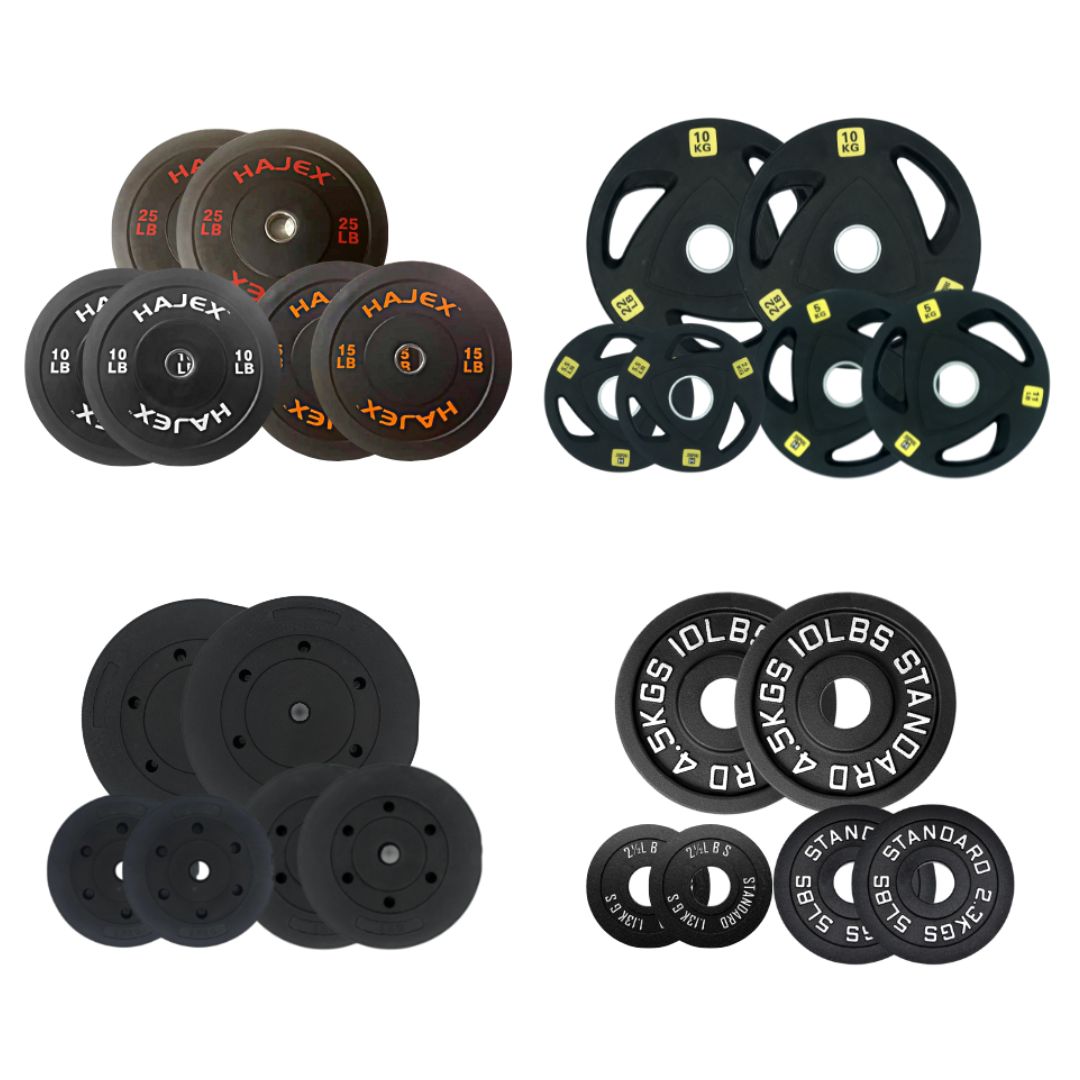 Weight Plates Combo
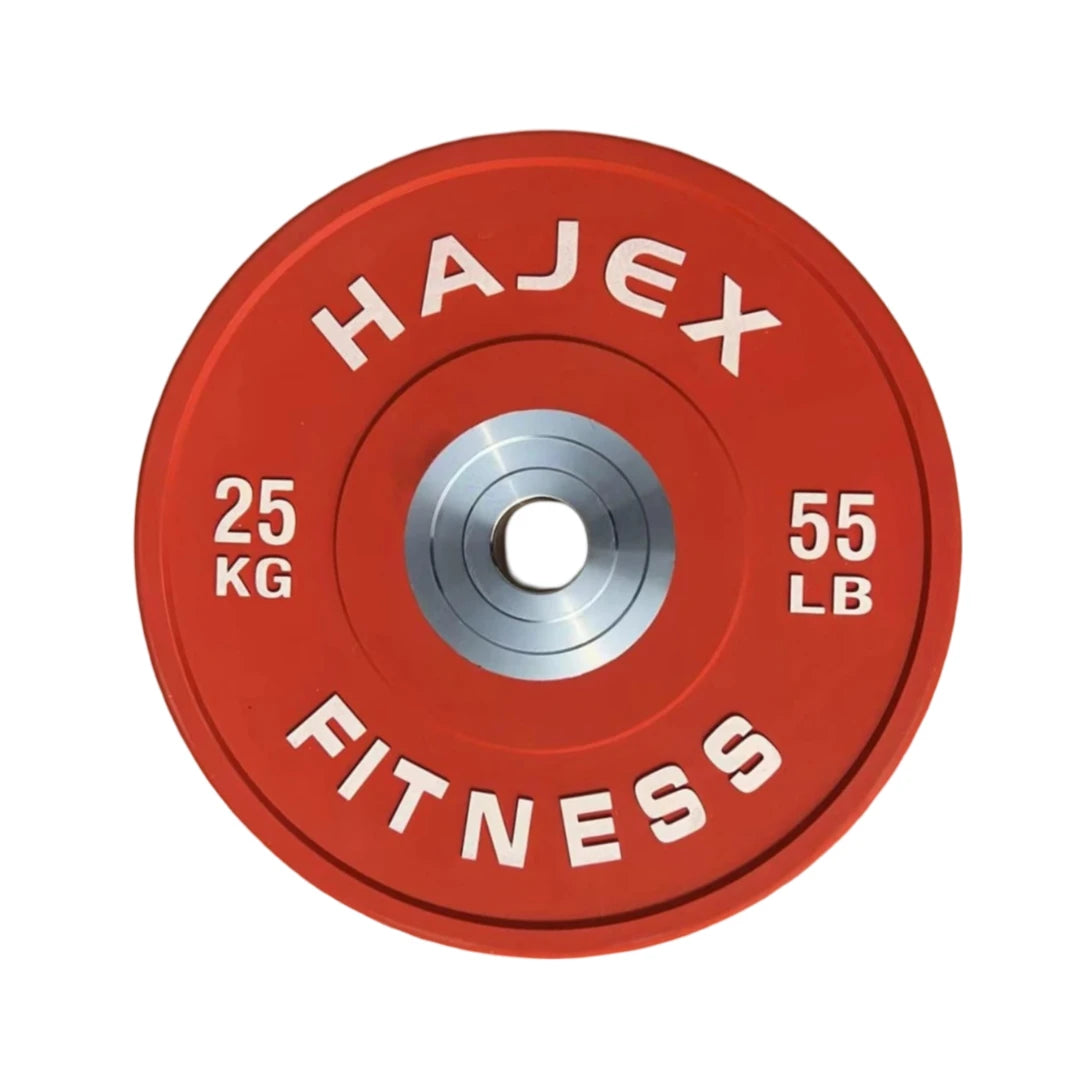 Olympic Steel Hub Bumper Plates
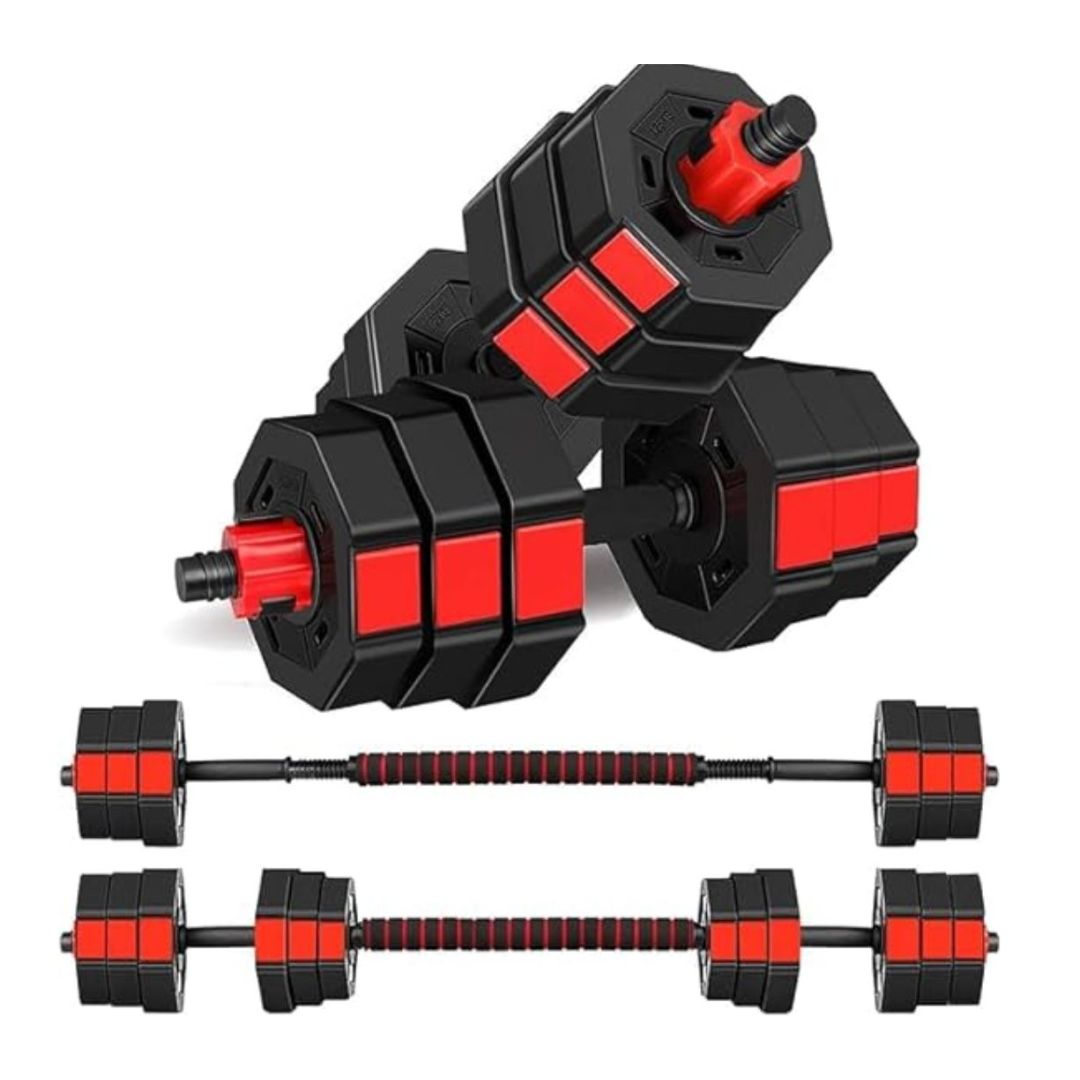 PVC Dumbbells
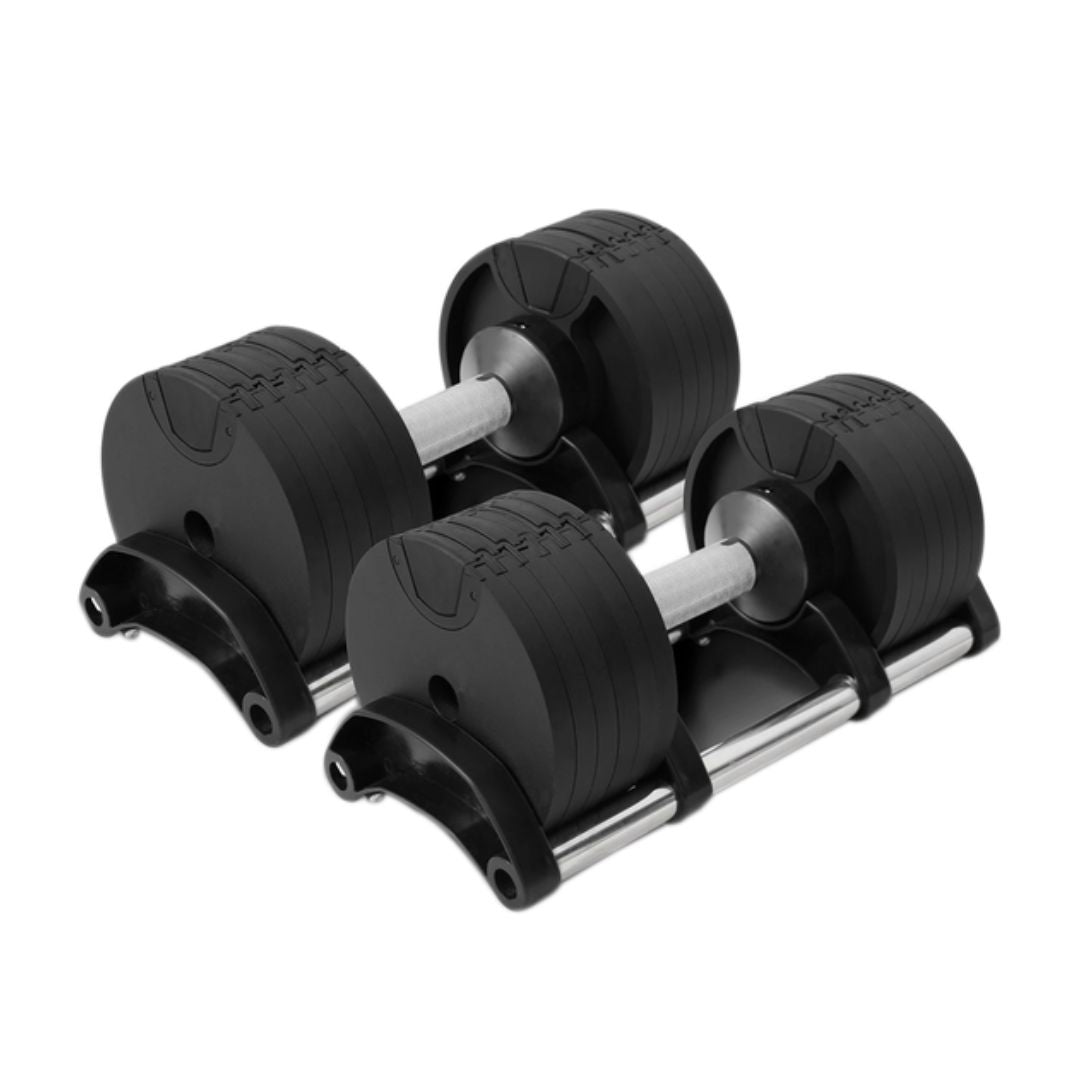 NUO Style Adjustable Dumbbells
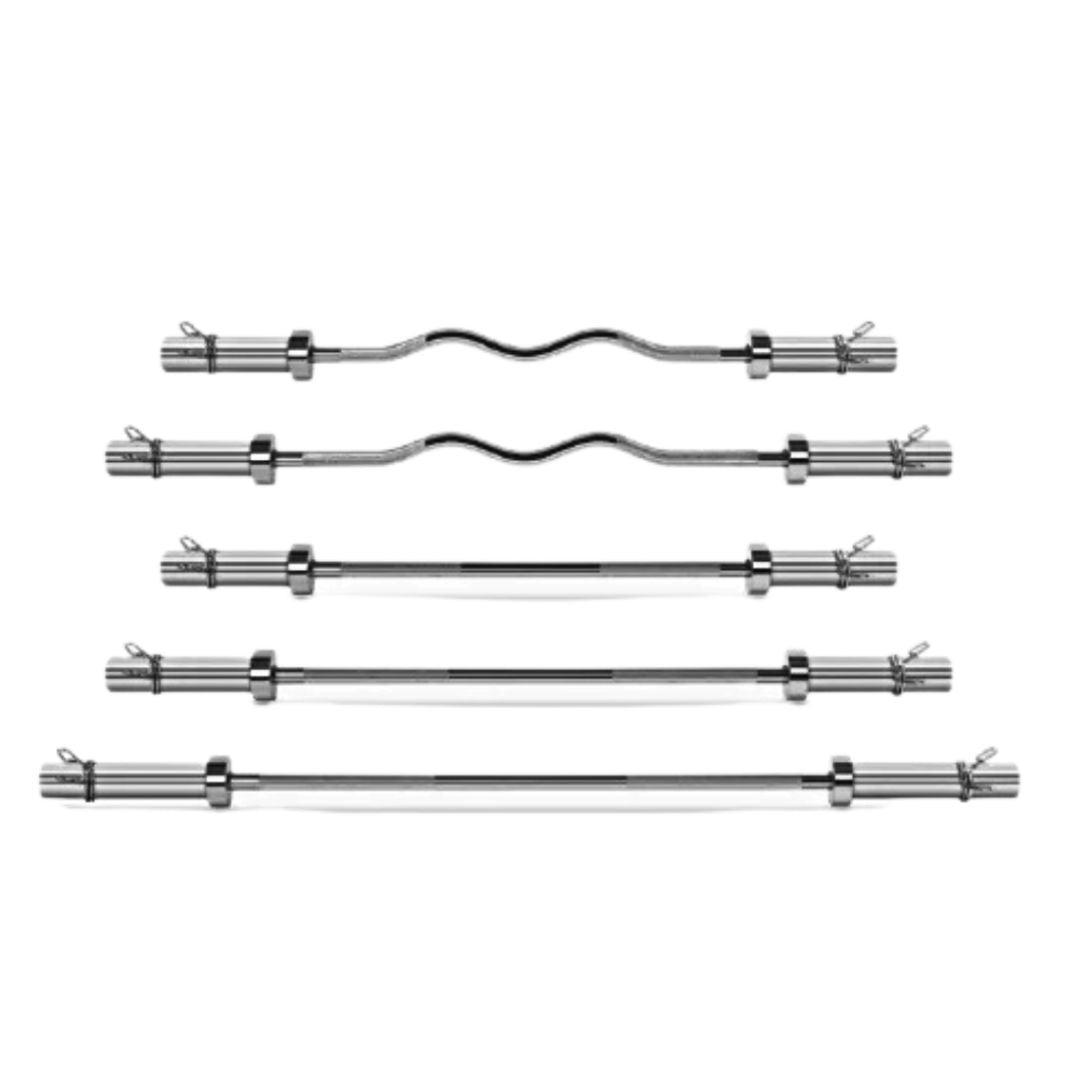 Olympic Barbells 2"
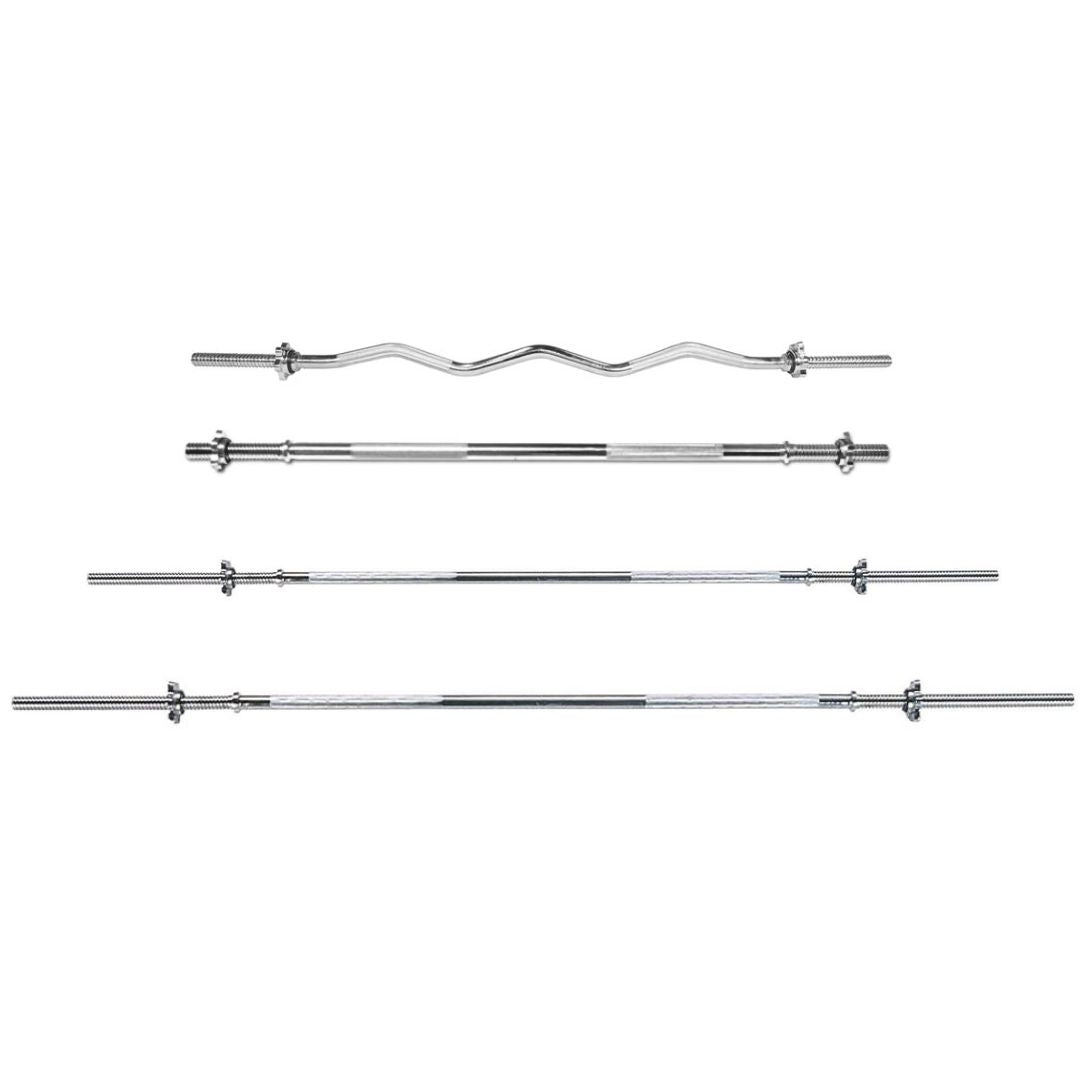 Standard Barbells 1"
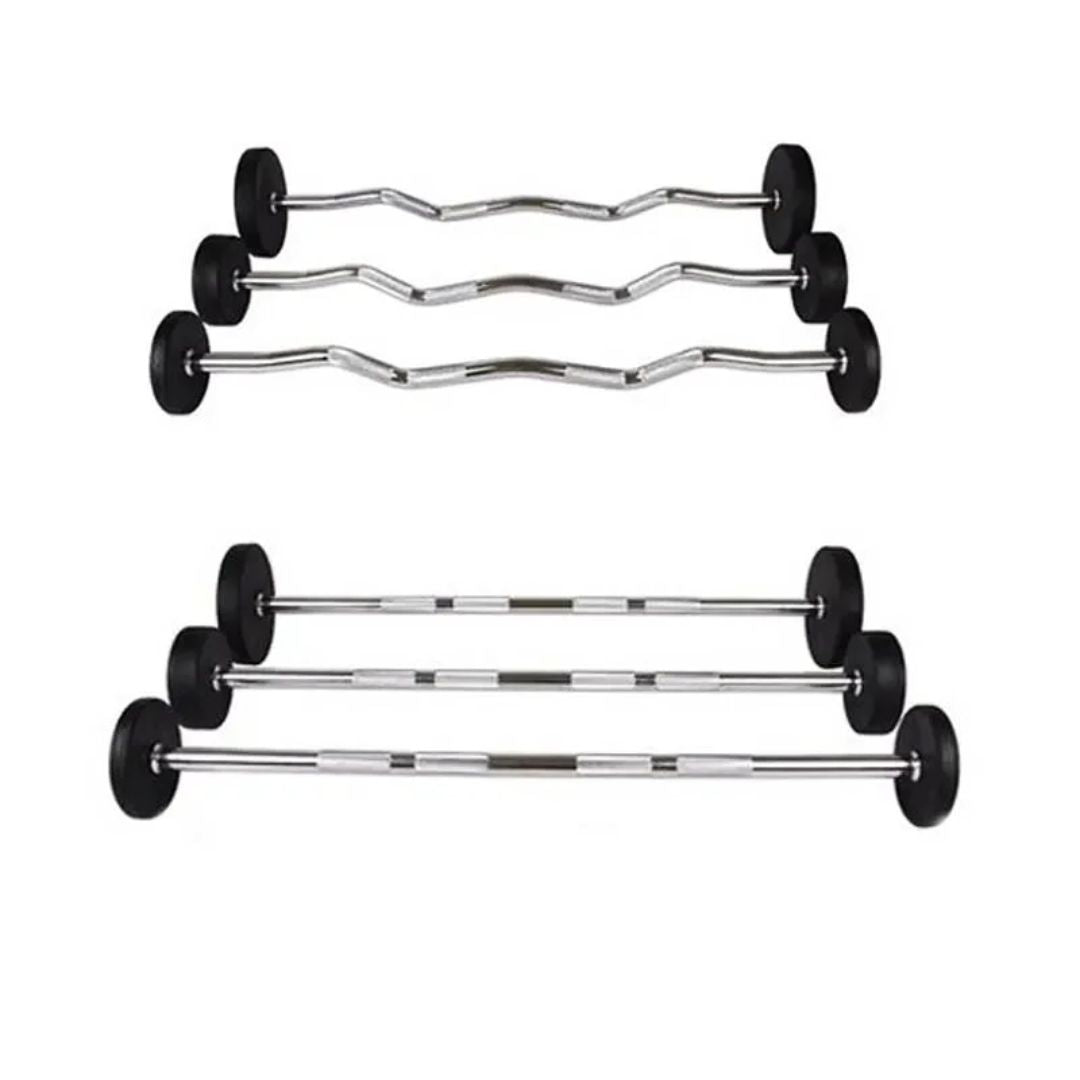 Fixed Weight Bars
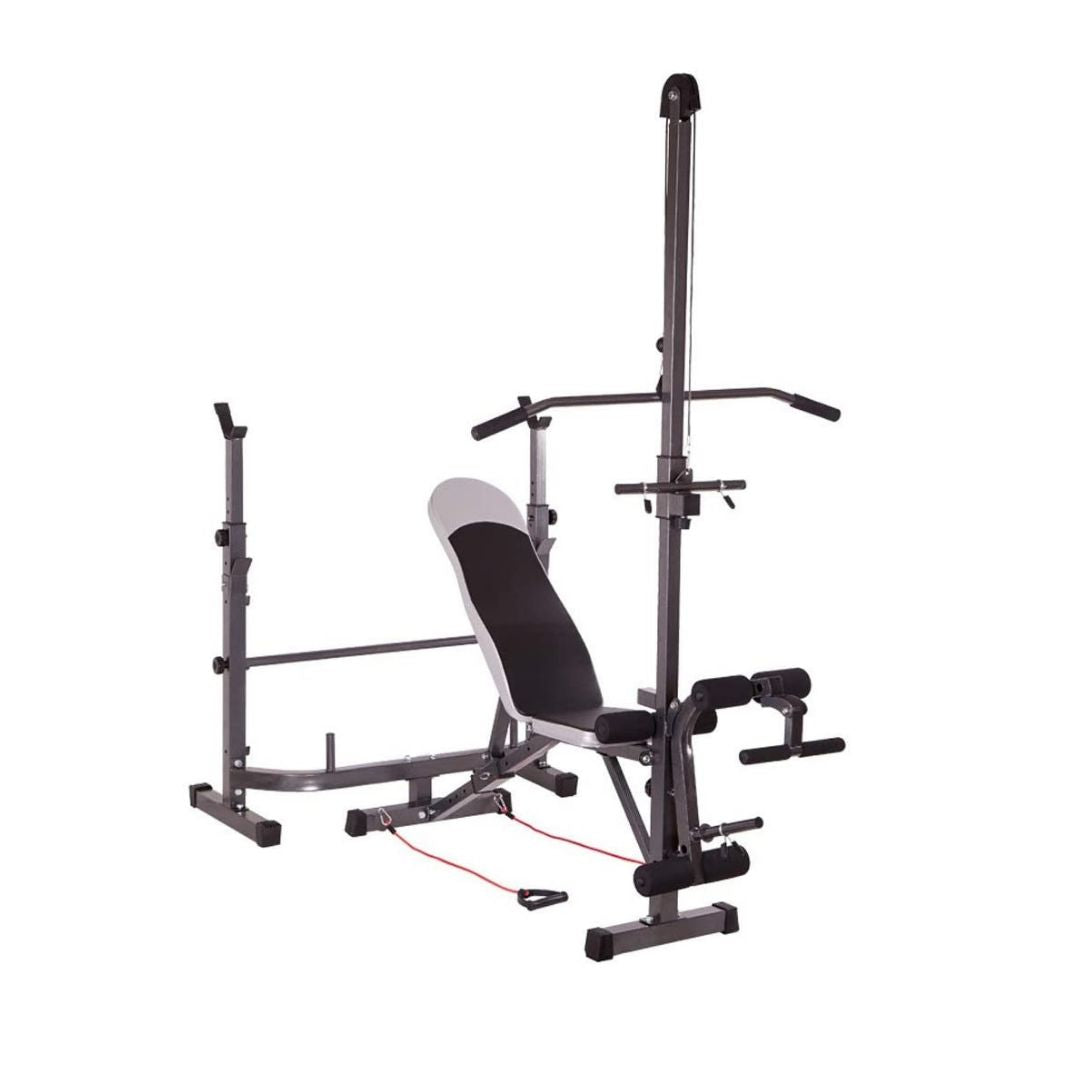 Benches with Pulley & Rack
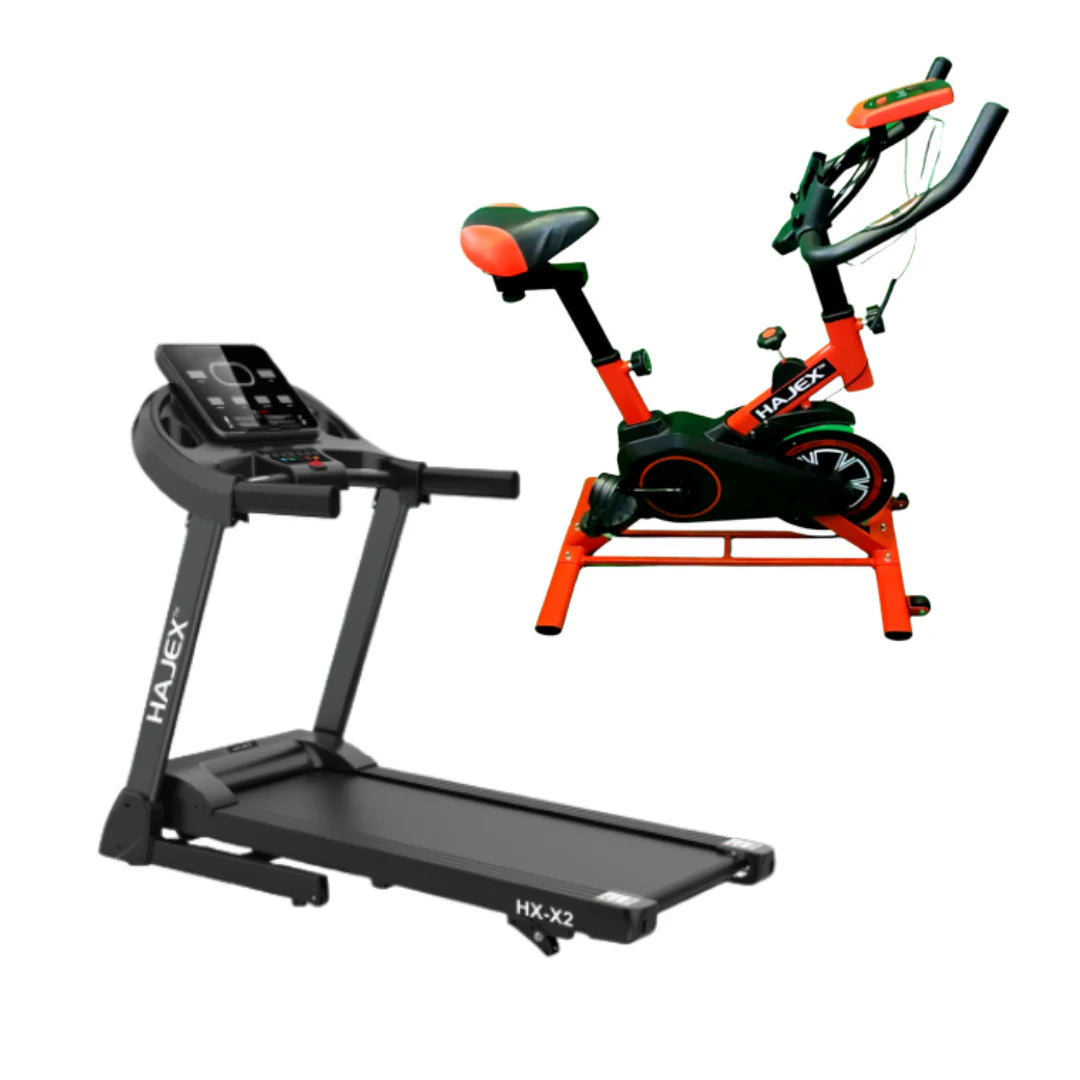 CARDIO
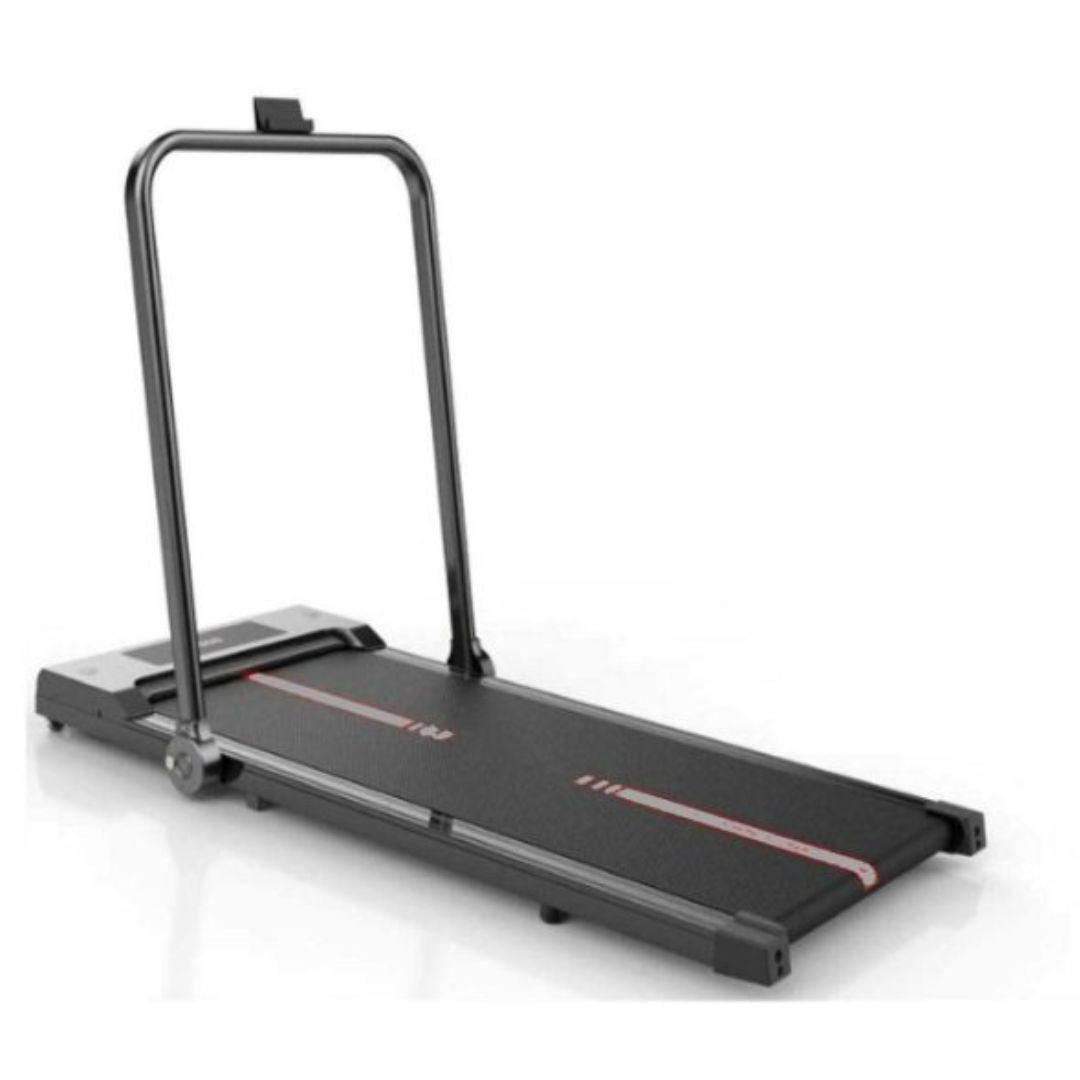 Foldable Walking Pads
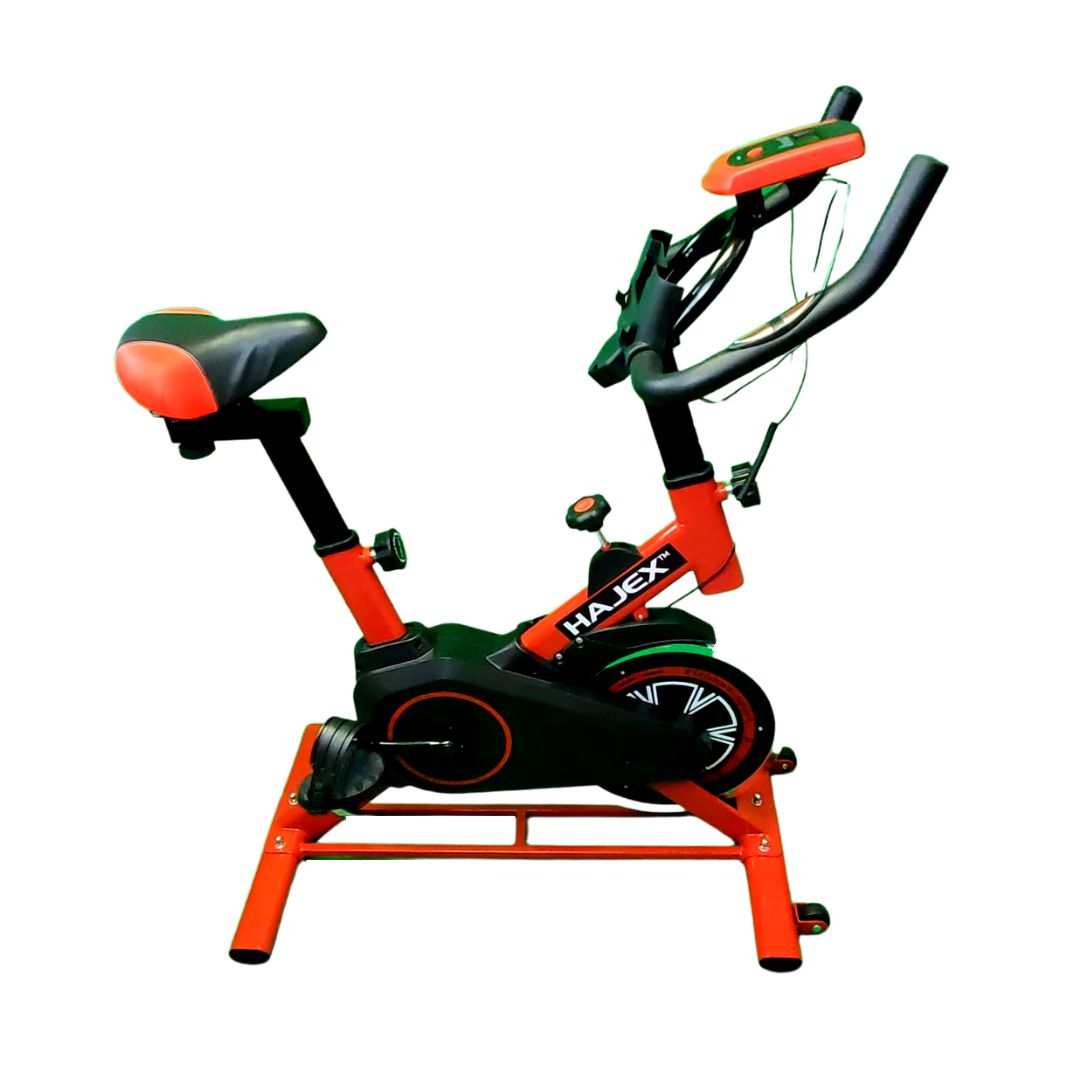 Exercise Bikes
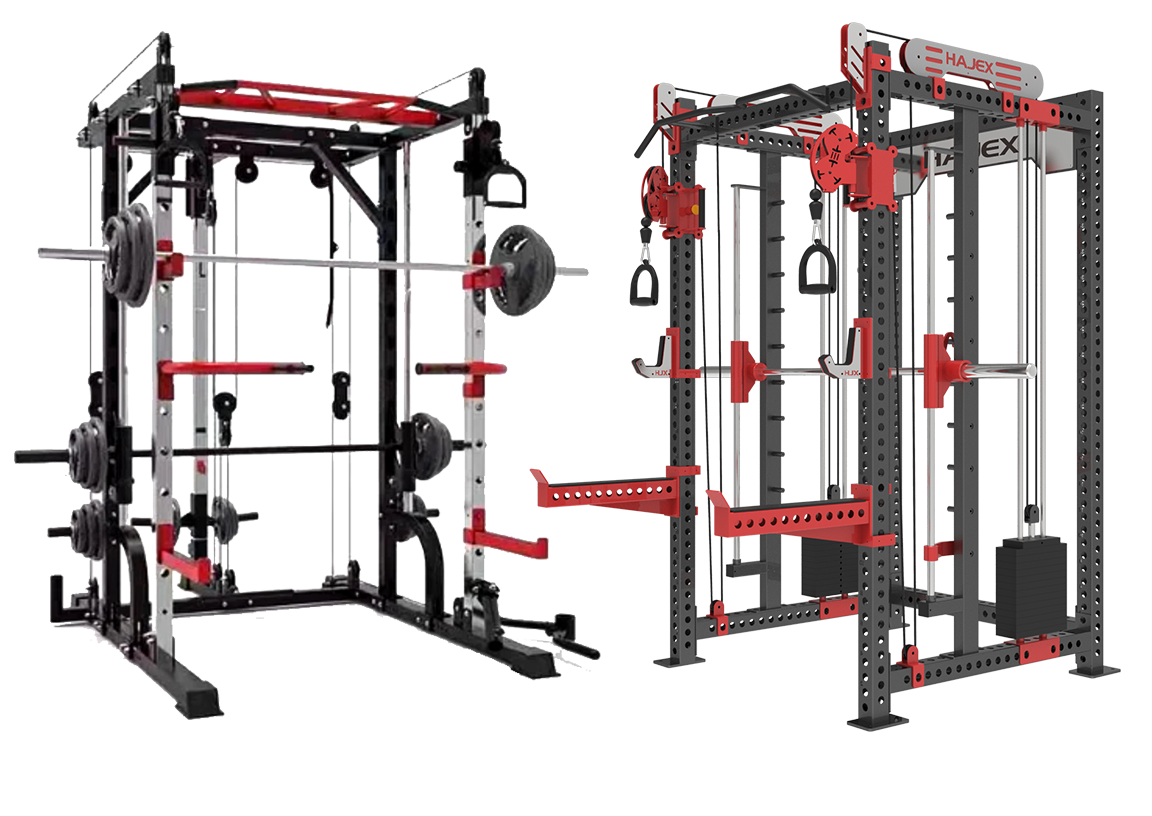 RACKS, CAGES & SMITHS
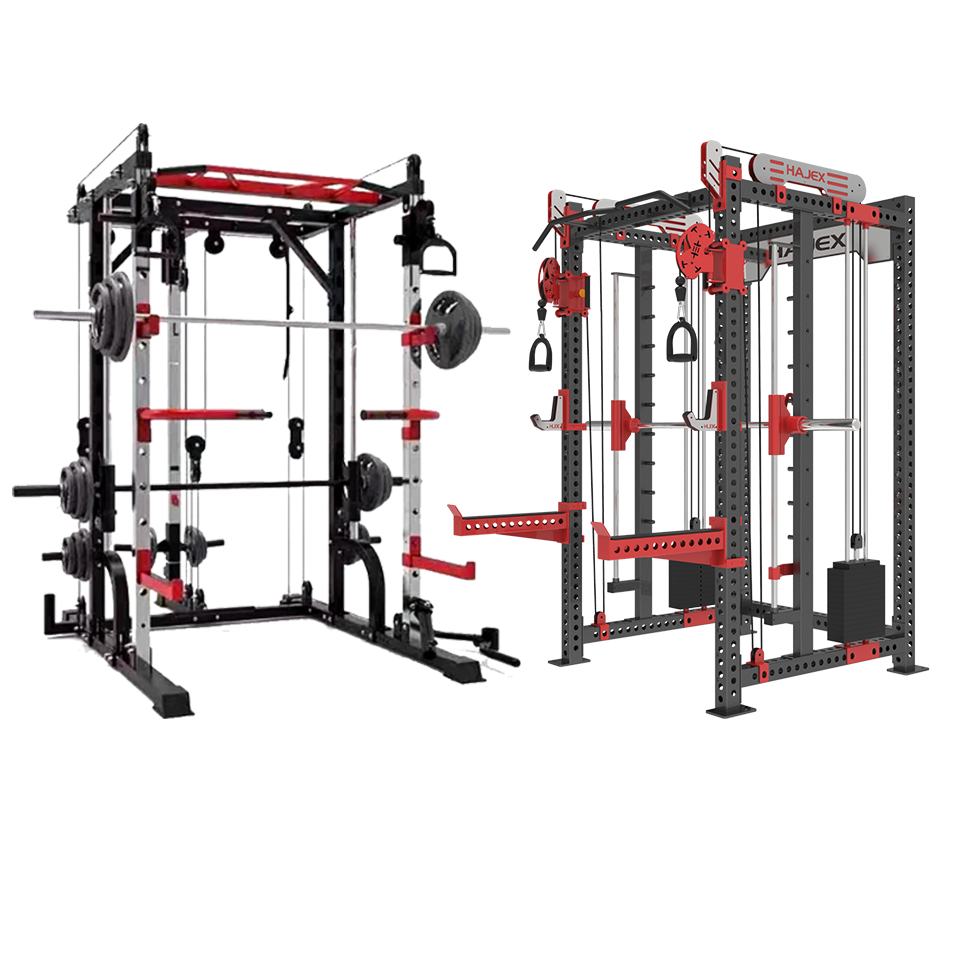 Smith Machines
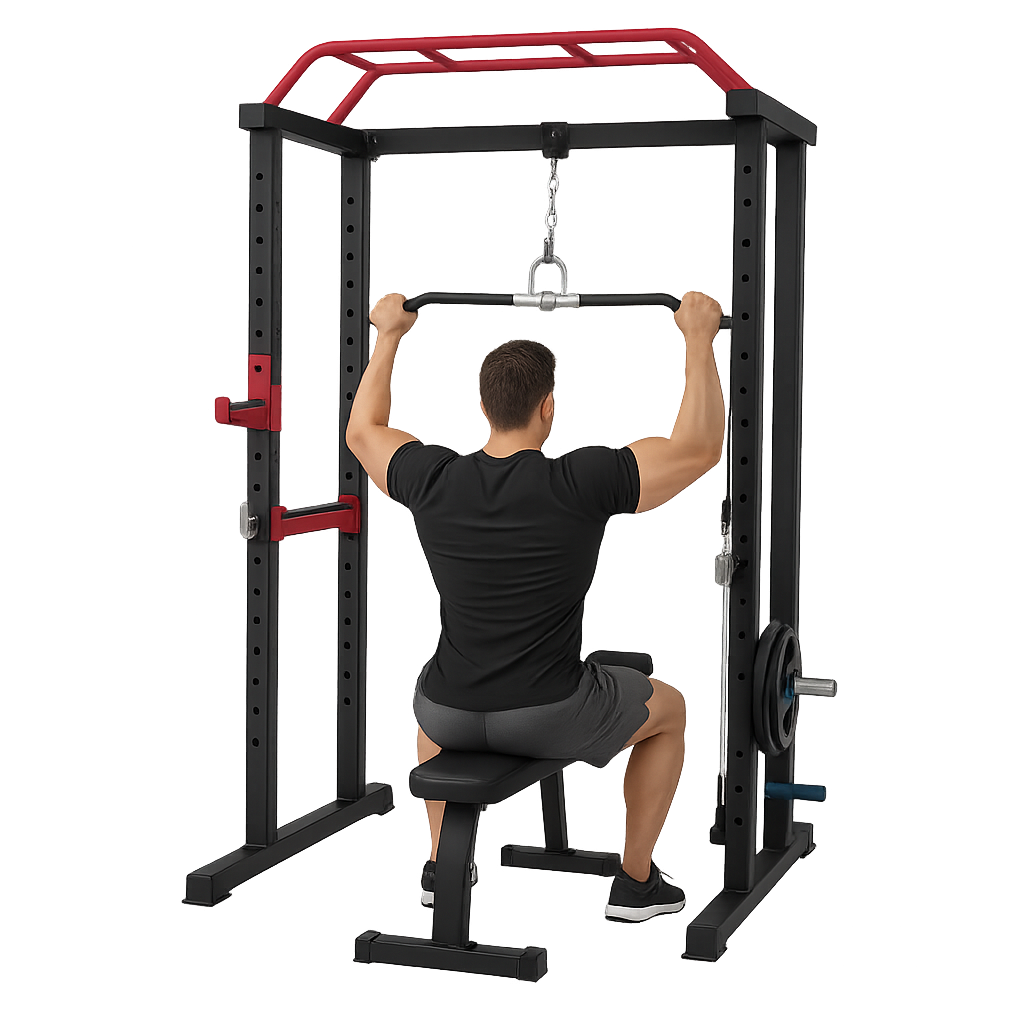 Power Racks
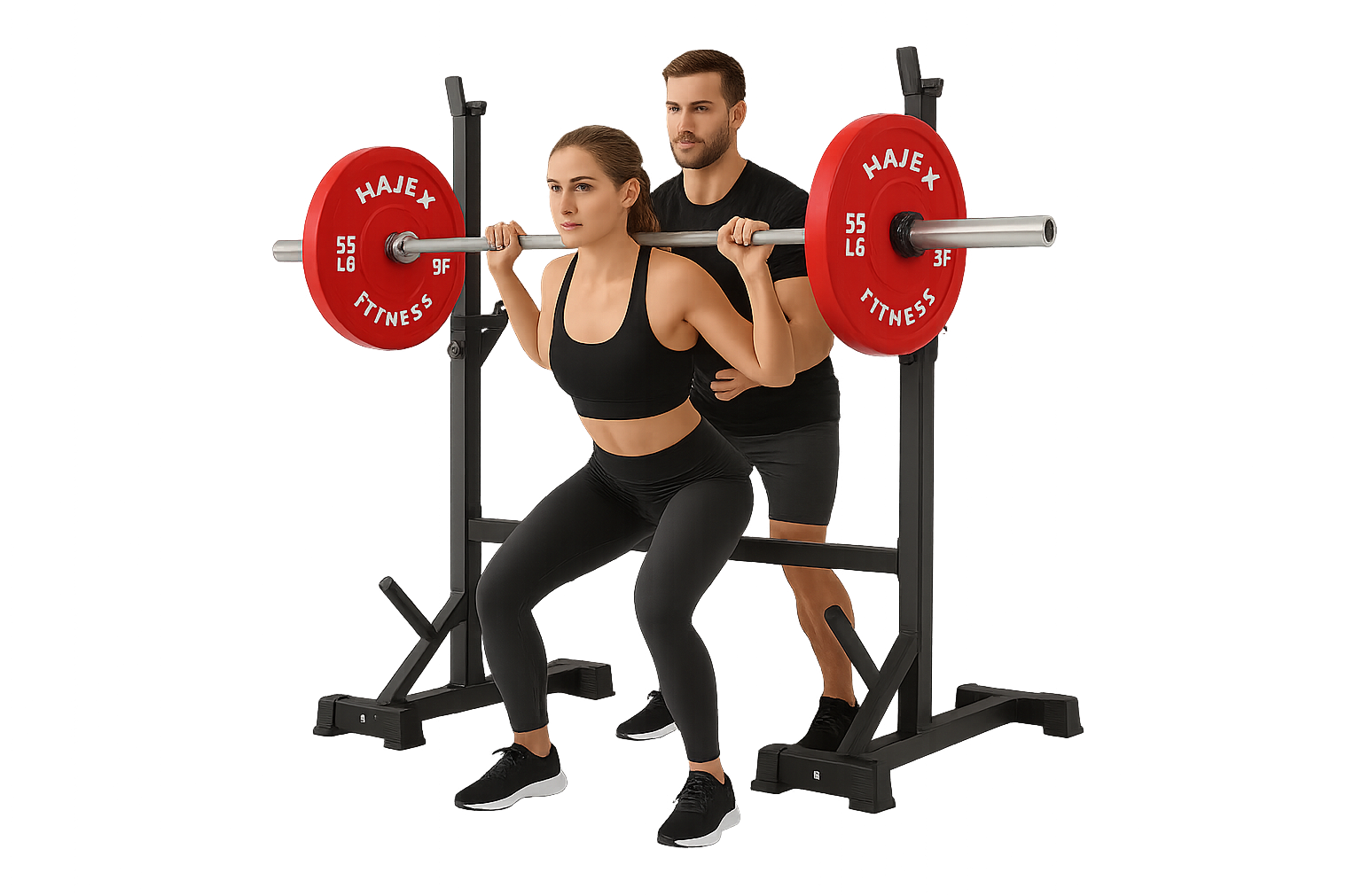 Squat Racks
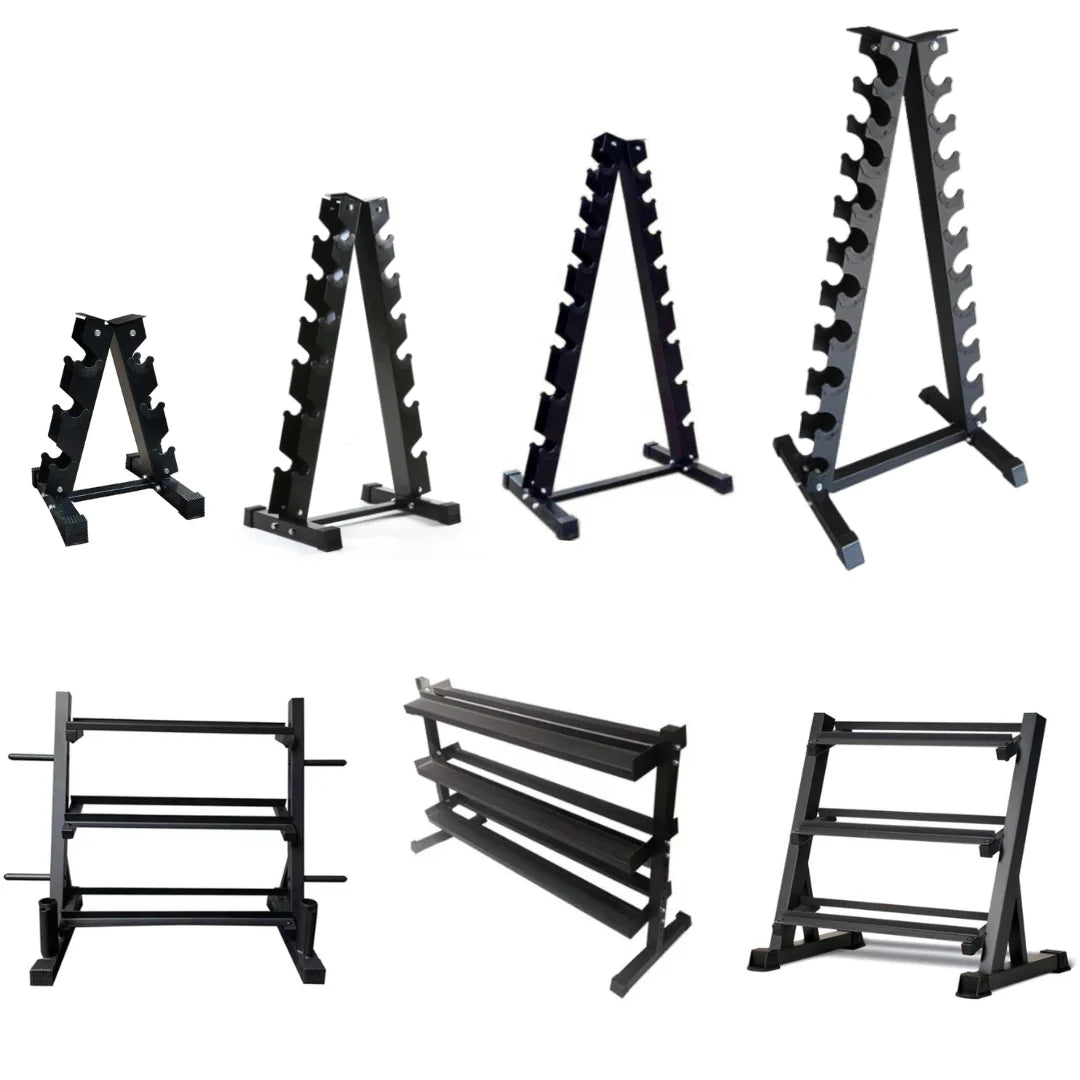 STORAGE RACKS
 Dumbbell & Kettlebell Racks
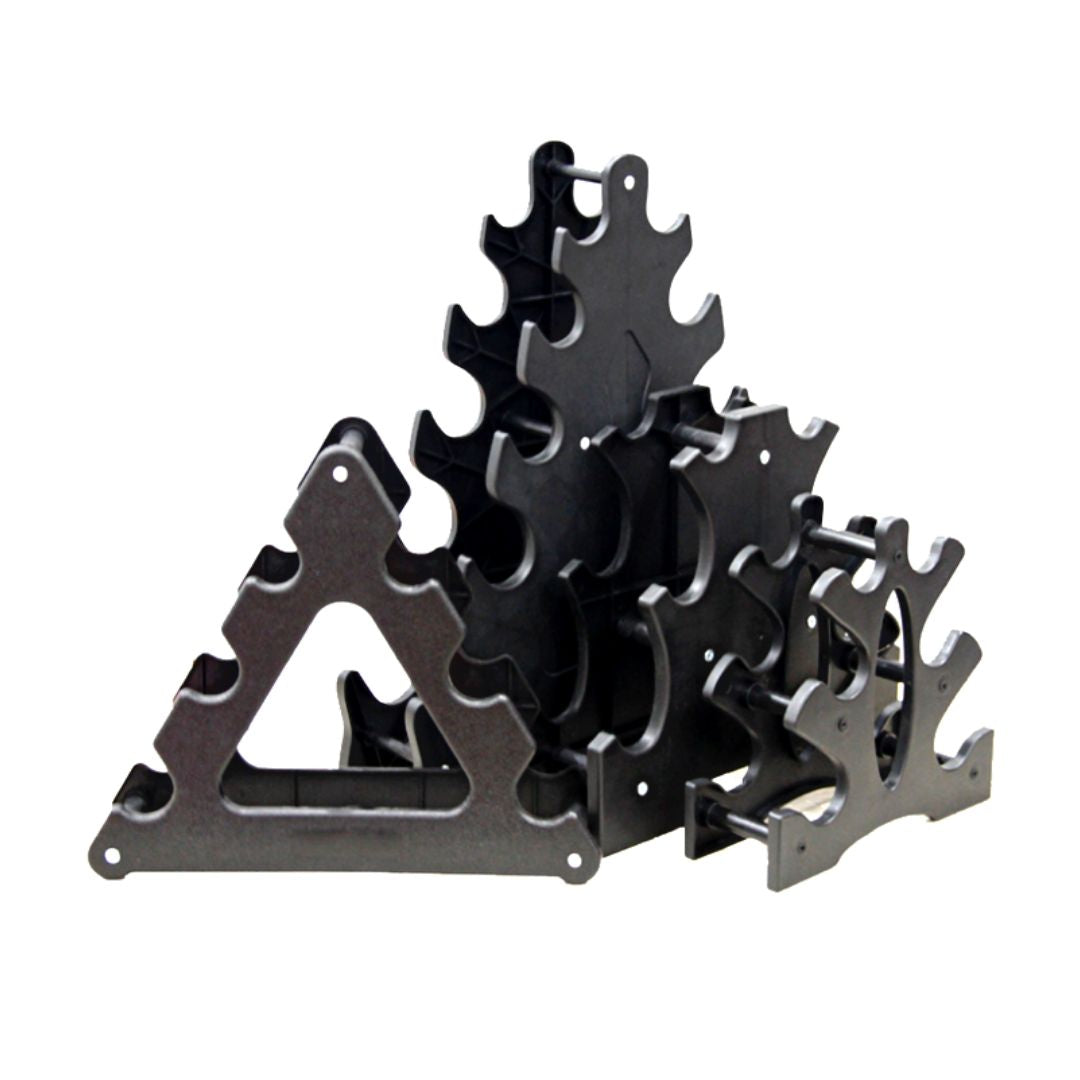 Mini Dumbbell Racks
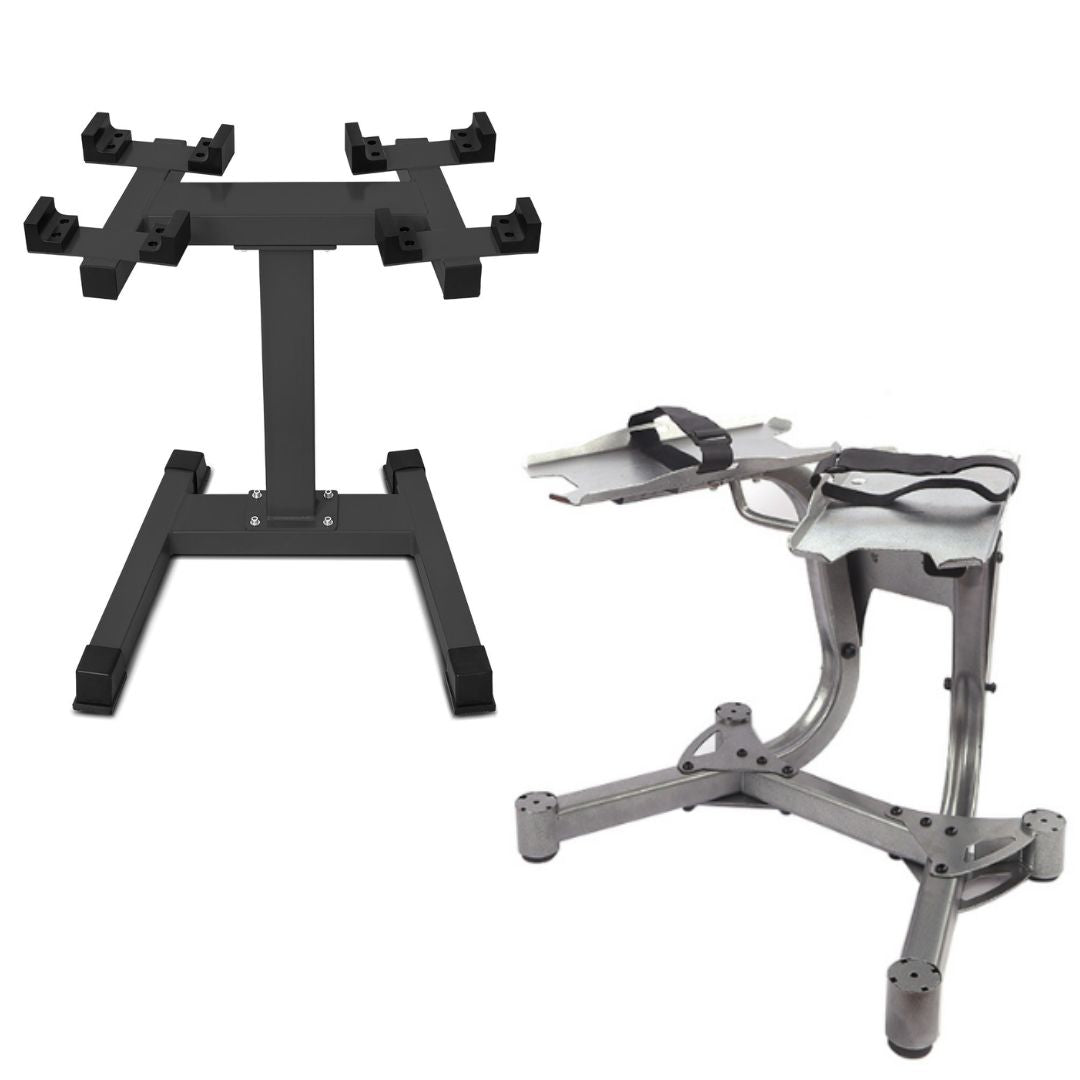 Adjustable Dumbbell Stands
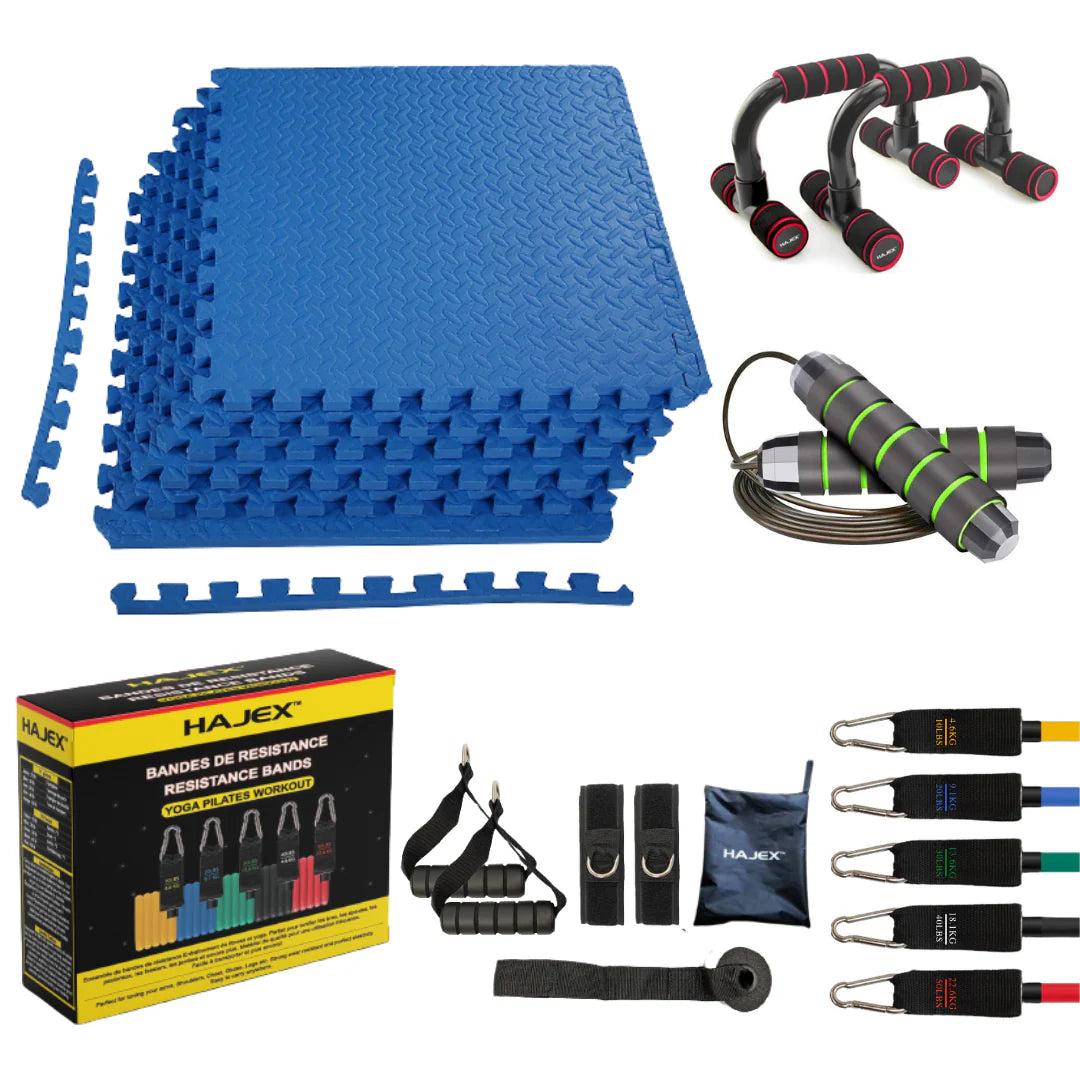 MORE
MORE
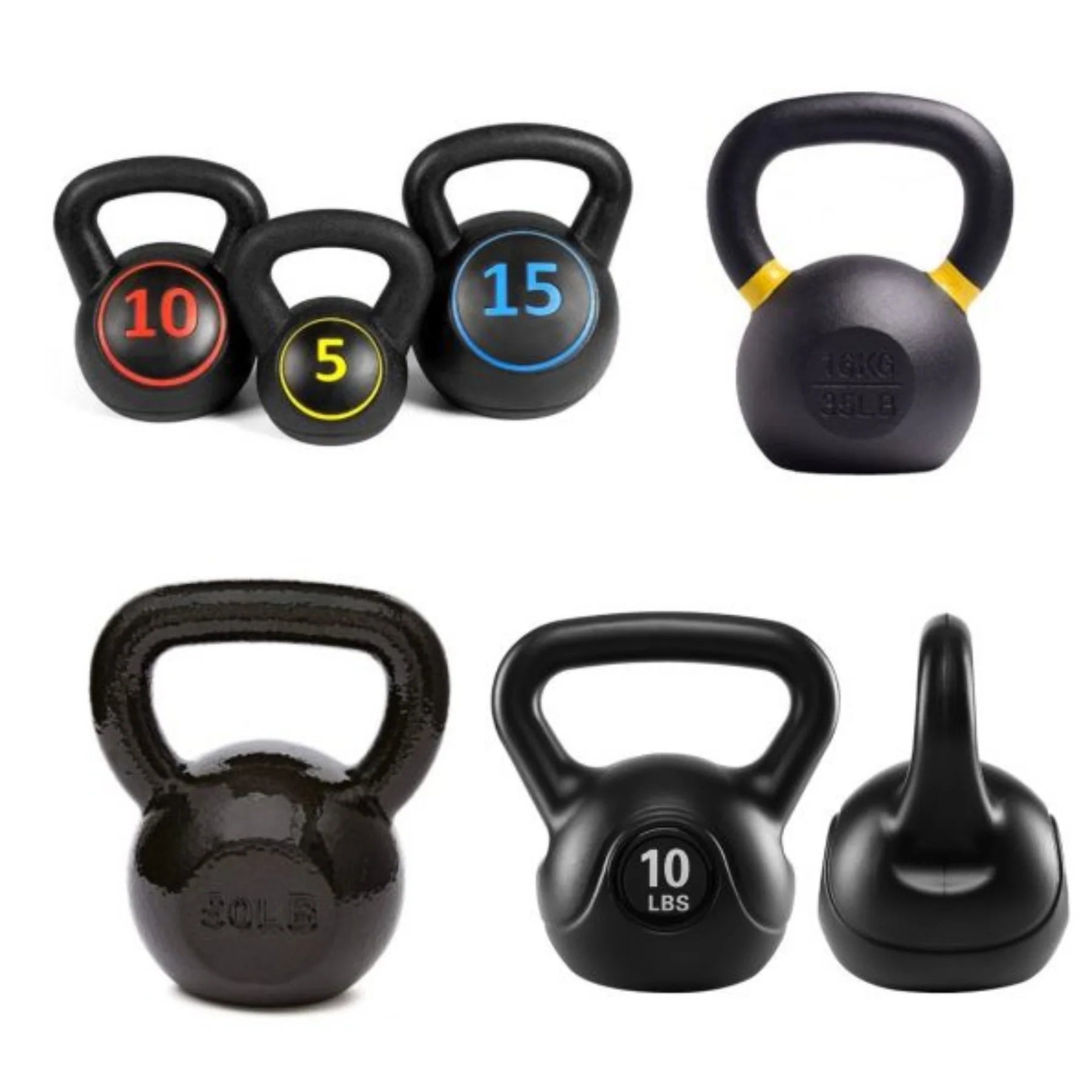 Kettlebells
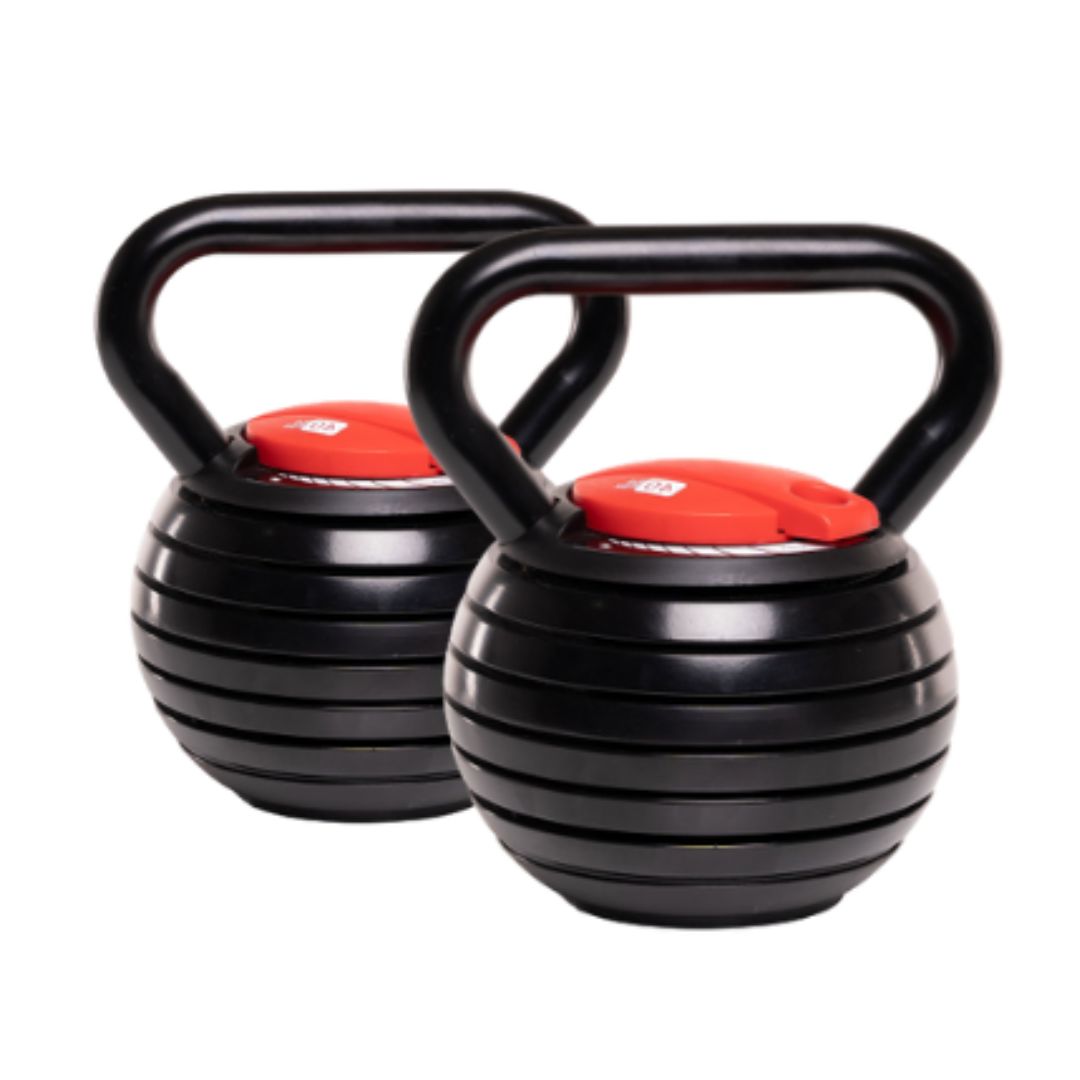 Adjustable Kettlebells - Single & Pair
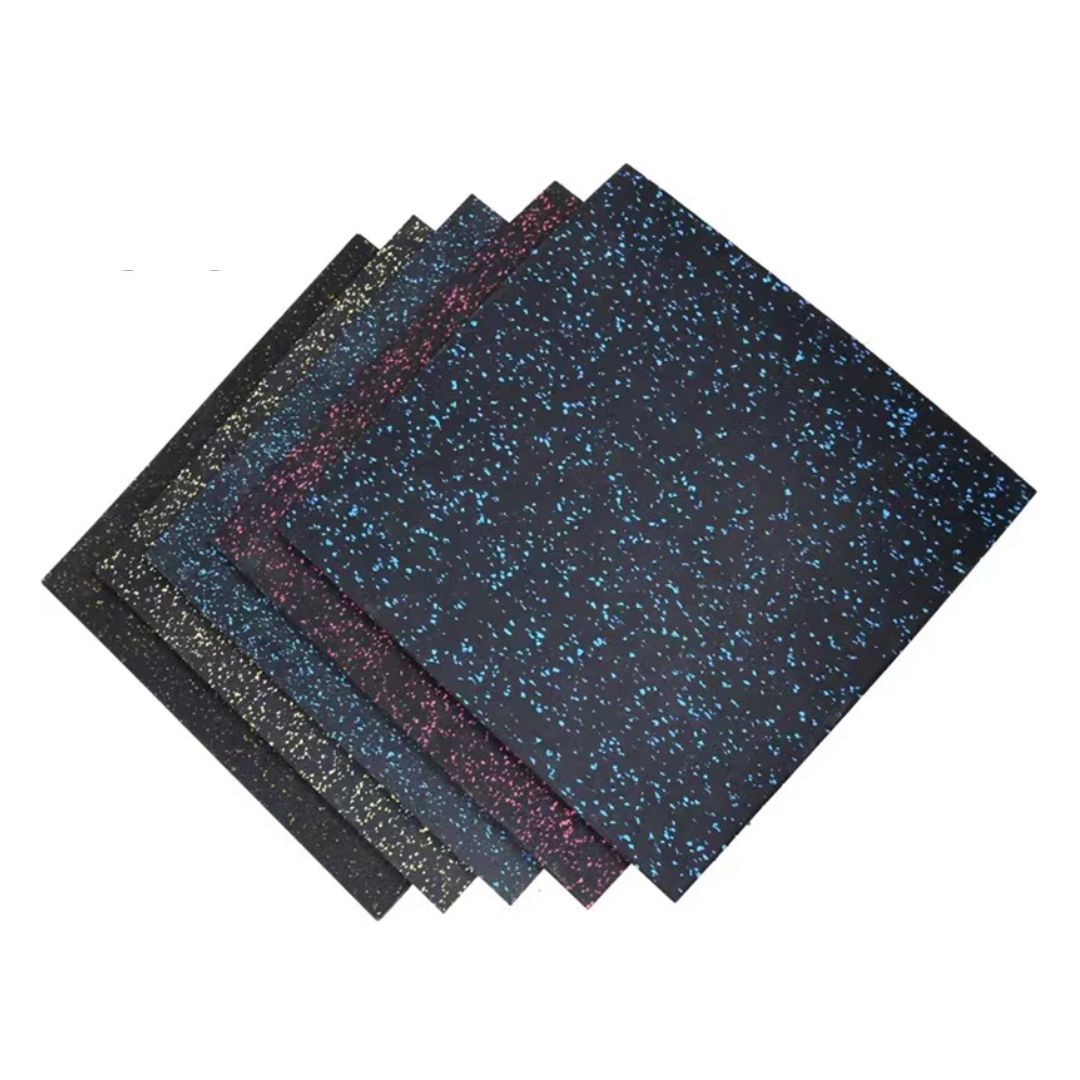 Floor Mats
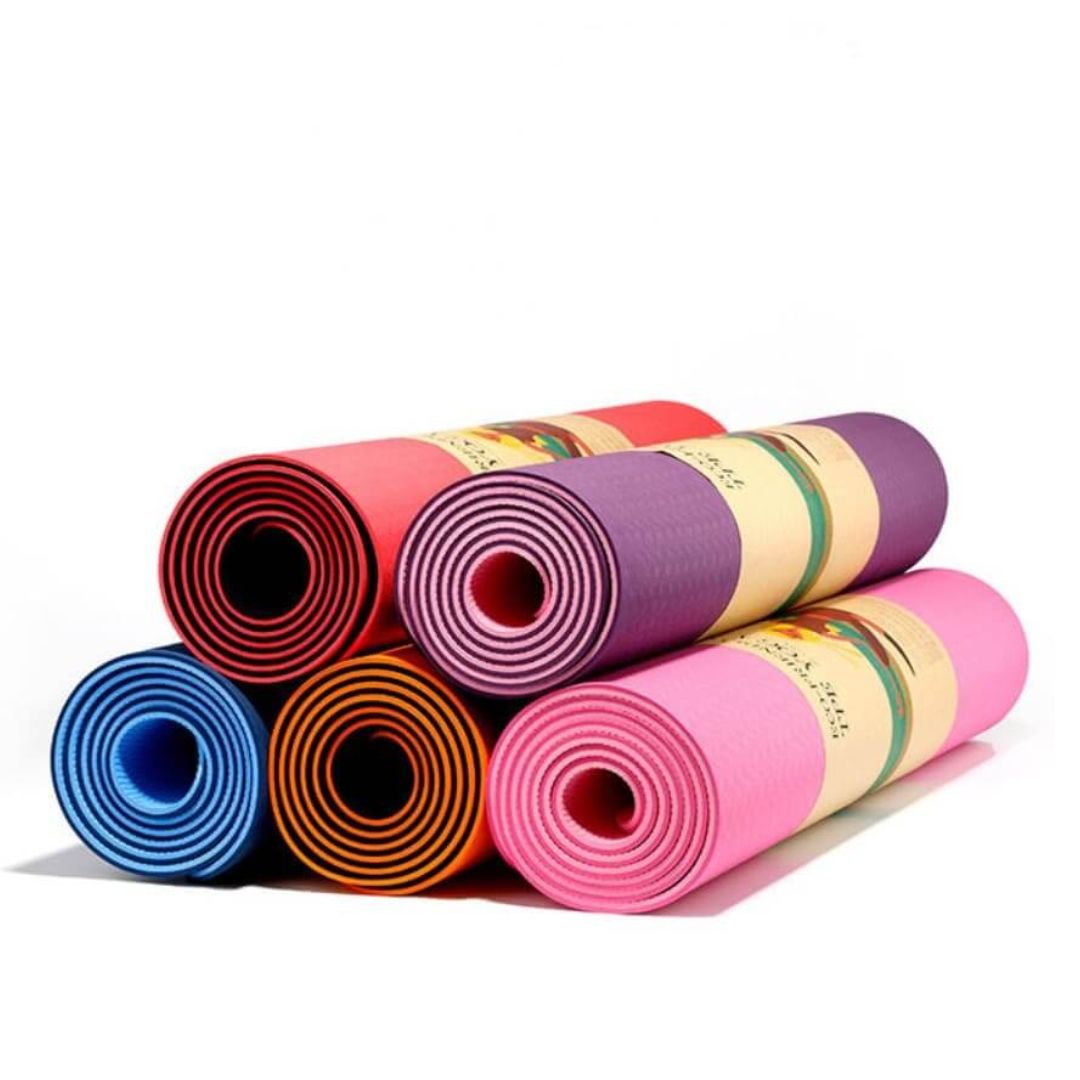 Yoga
Yoga
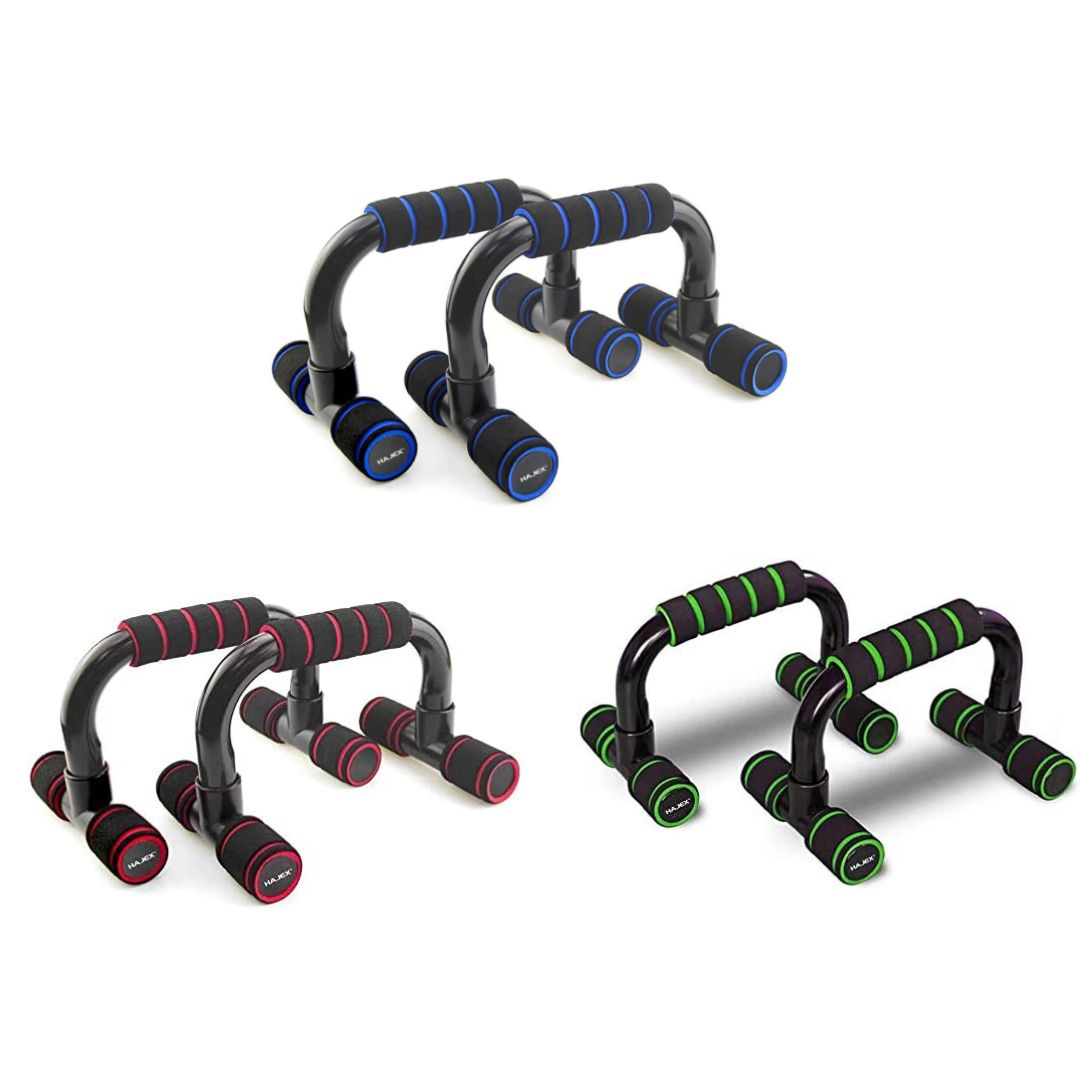 Push Up
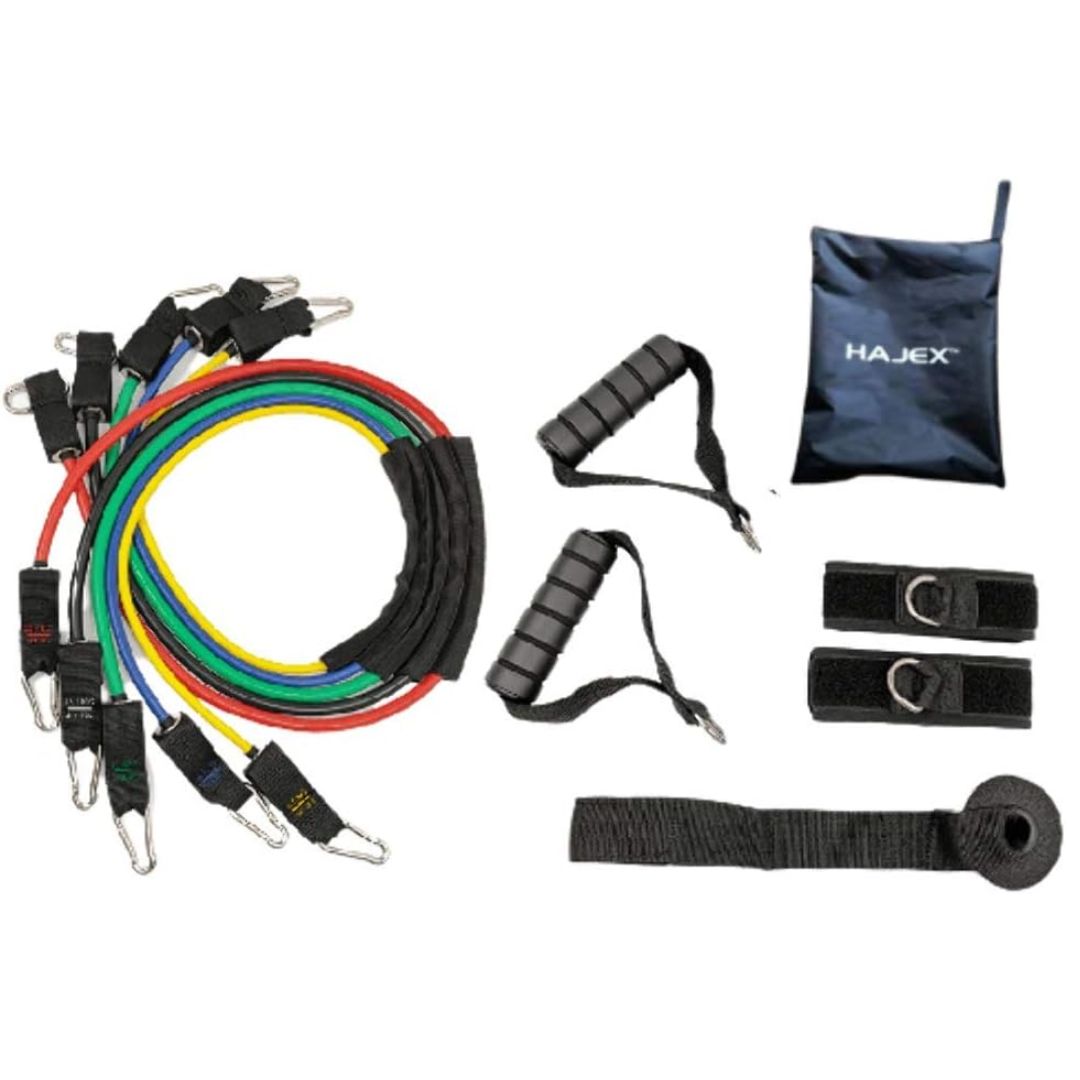 Resistance Bands
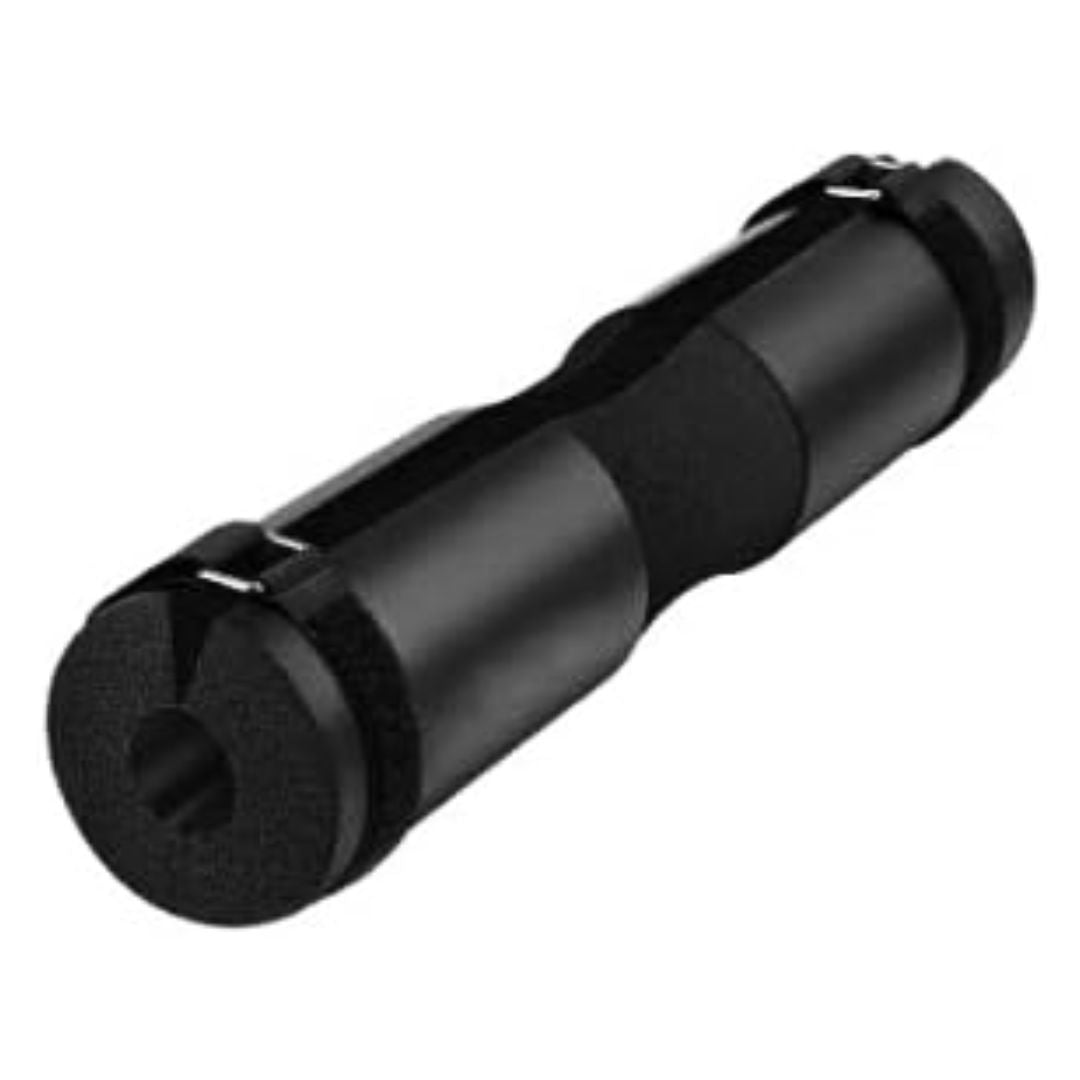 Barbell Pads
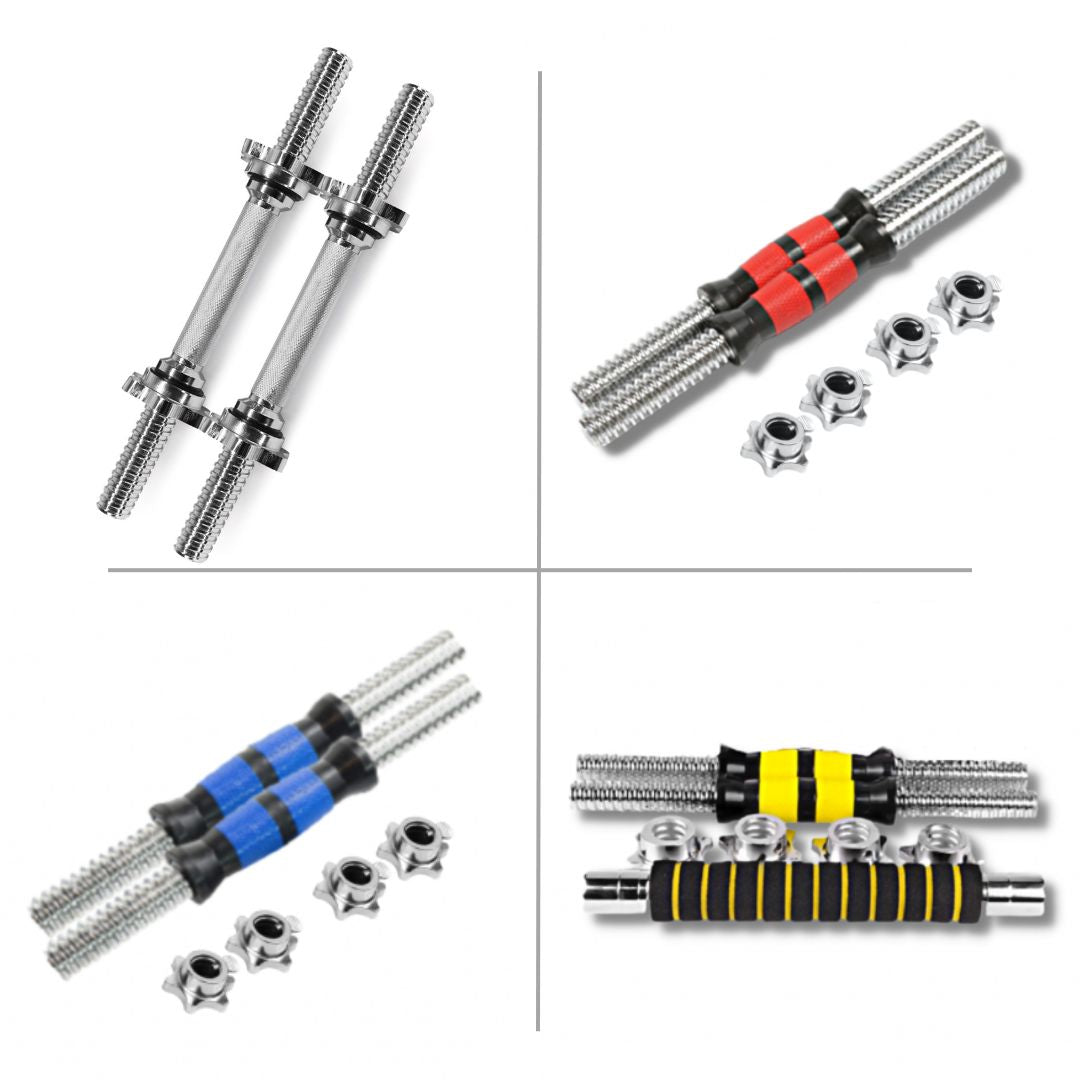 Dumbbell Handles
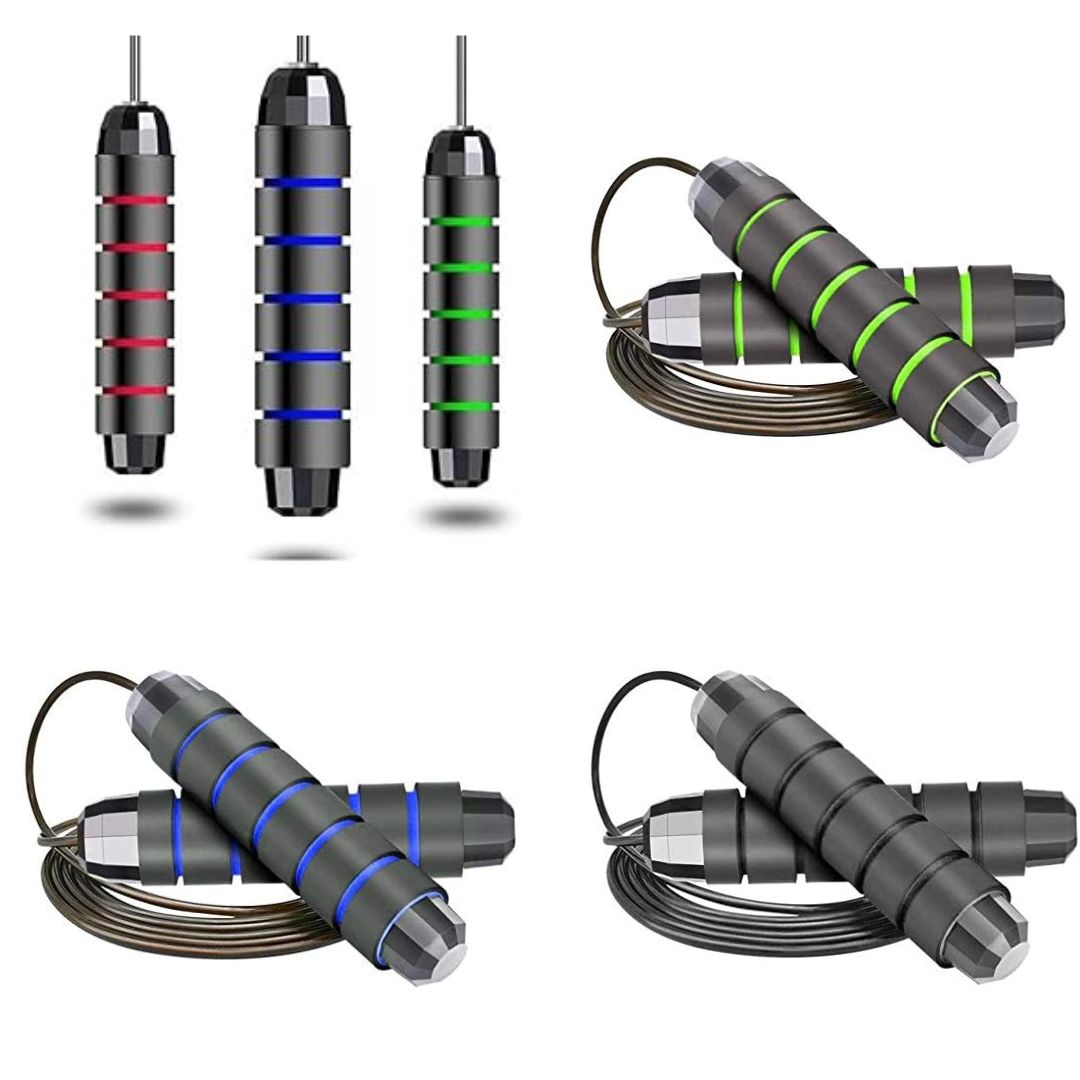 Jump Ropes


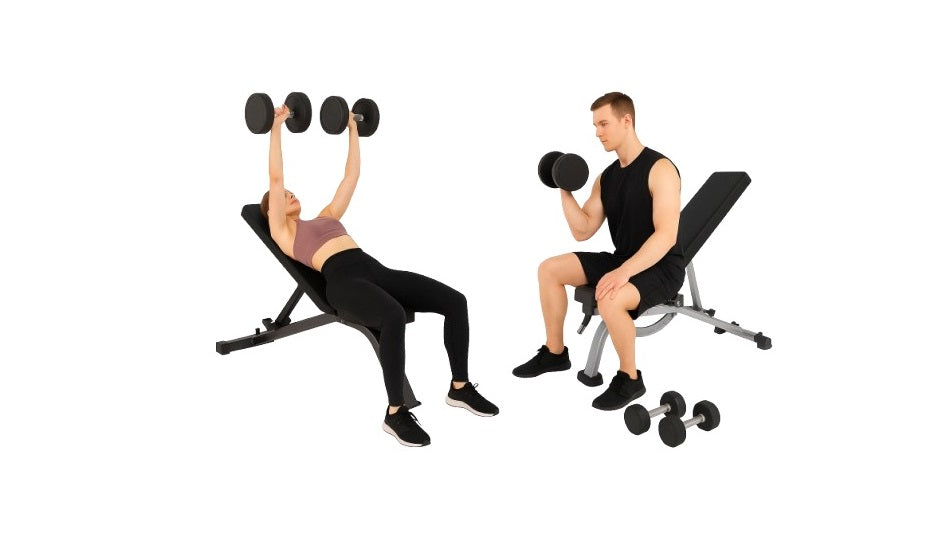
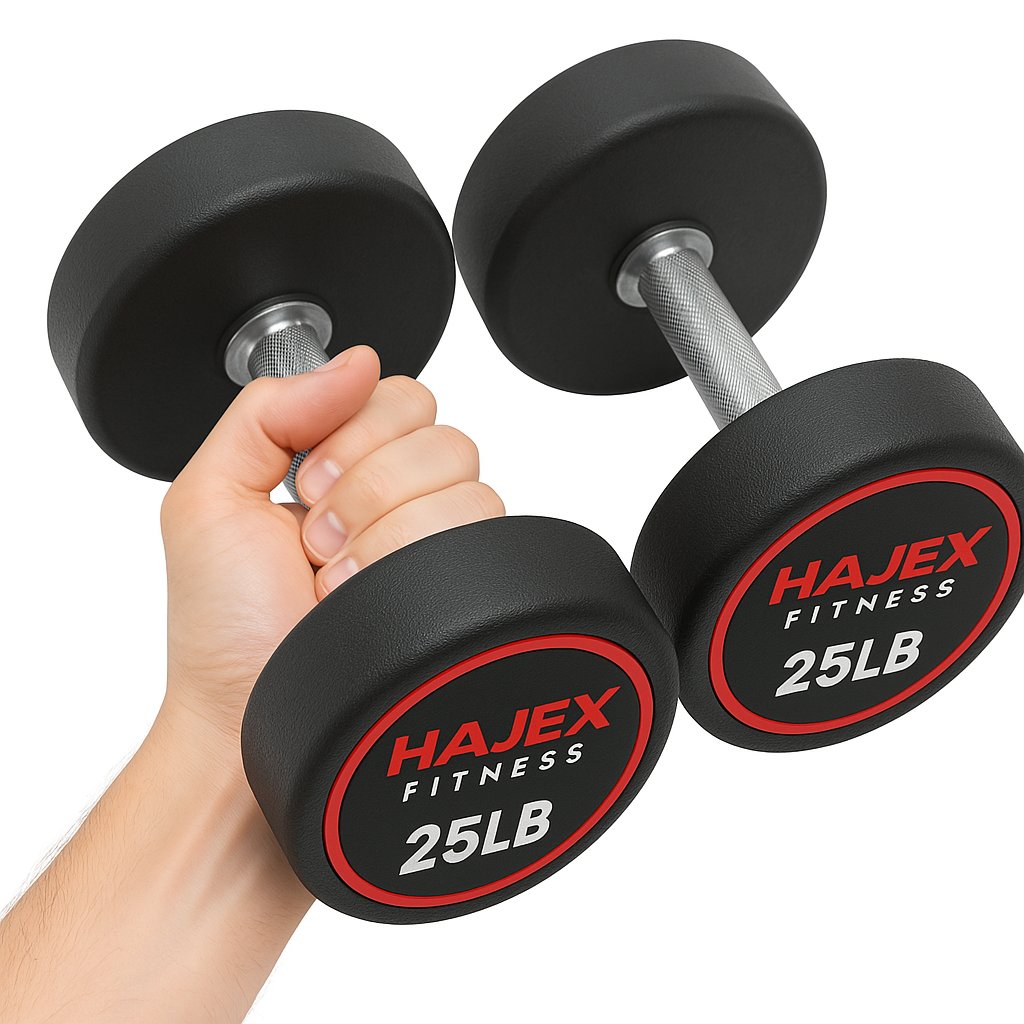
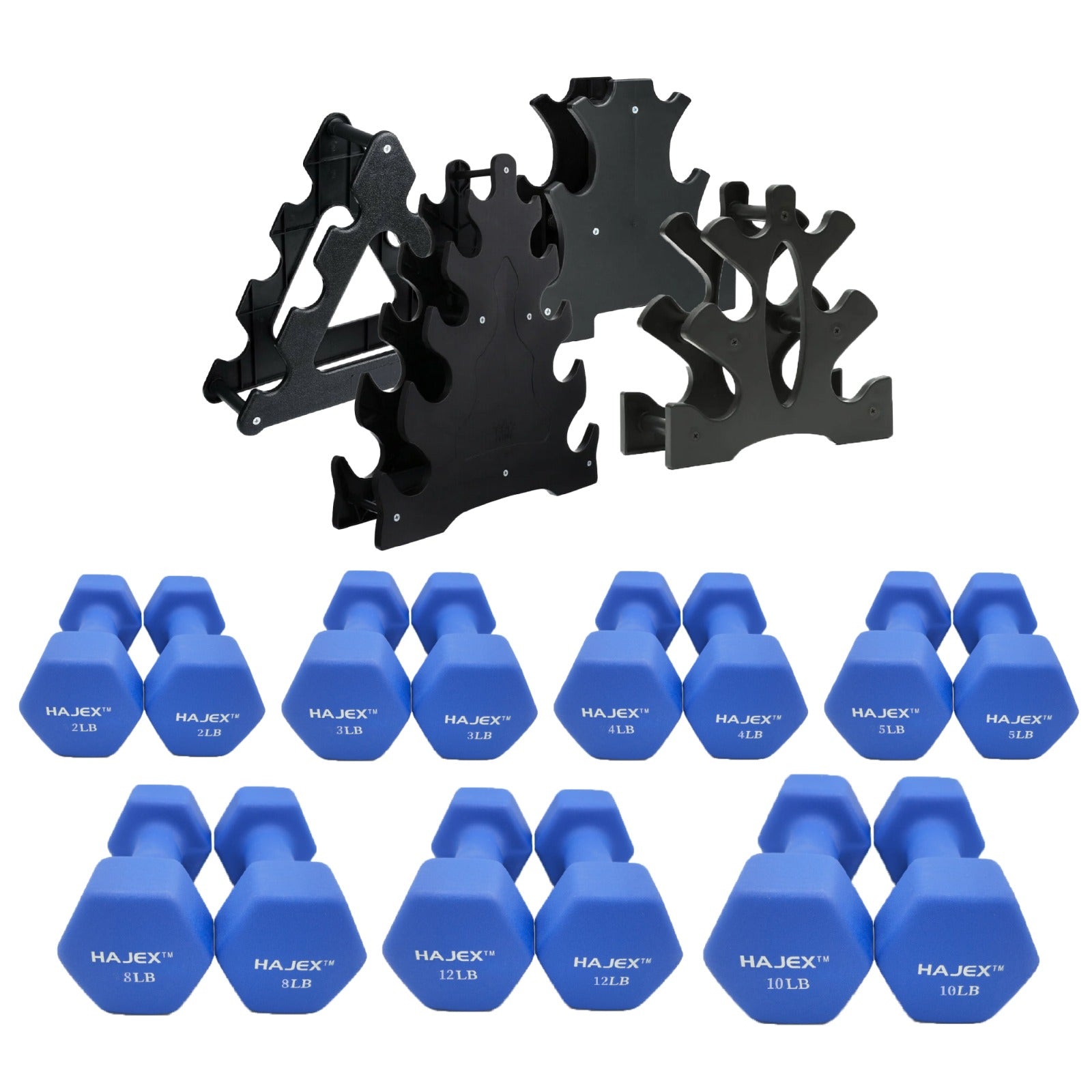
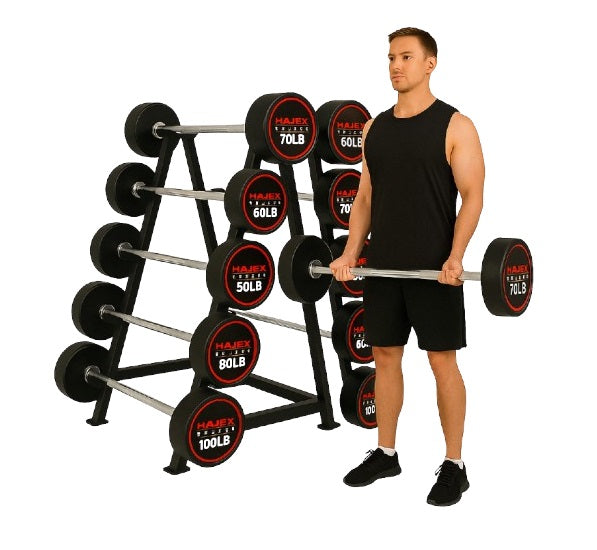

Rubber Hex Dumbbells Explained: Why the Black Rubber Coating Wins for Home Gyms
Walk into any gym — commercial or home — and the dumbbell rack is almost always lined with the same thing: black rubber-coated hexagonal heads on a knurled steel handle. It's become the default for a reason, and it's not just aesthetics. Here's what the hex shape and rubber coating are each doing for your workout and your floor.
Why hexagonal, not round
A round dumbbell rolls. Set it down after a set of floor presses or renegade rows and it will find the nearest slope in your floor and go looking for your foot. A hex head has flat sides, so the dumbbell sits exactly where you put it down — no chasing it across the garage, no wedge under the rack to stop it rolling. That stability also matters mid-set: hex heads give you a flat surface to brace against for movements like renegade rows, hex push-ups, or floor presses where the dumbbell needs to stay put under load.
Why rubber, not chrome or cast iron
HAJEX Rubber Hex Dumbbells coat a cast iron core in solid black rubber, and that coating is doing three jobs at once. First, it protects your floor — a dropped 50 LB dumbbell on rubber is a dull thud; the same drop with an uncoated cast iron head can crack tile or dent hardwood. Second, it protects the dumbbell itself — rubber doesn't chip or rust the way exposed cast iron or cheap chrome plating does over years of use. Third, it quiets your workout — rack rubber-coated dumbbells and you get a soft clack instead of a metallic clang, which matters if your home gym shares a wall with a bedroom or an apartment below.
Knurled handle, precise increments
The handle itself is knurled steel — not rubber — because grip security matters more there than cushioning. A knurled handle keeps its bite even with sweaty hands deep into a high-rep set, which is exactly when a smooth handle starts to slip. HAJEX's hex line runs from 2.5 LB up to 150 LB in small increments, so progressive overload doesn't force you to jump 10 LB at a time the way some fixed sets do.
Where hex dumbbells fall short
The trade-off is footprint and cost per pound. A hex head takes up more shelf space than a round or adjustable dumbbell at the same weight, and buying a full 5-to-50 LB run in fixed pairs costs more upfront than one adjustable pair covering the same range. If space or budget is the binding constraint, it's worth reading our adjustable vs. fixed dumbbells comparison before you commit to a full hex set.
The bottom line
Rubber hex dumbbells are the safe, quiet, floor-friendly default for a reason: the hex shape stops them rolling, the rubber protects your floor and your investment, and the knurled handle keeps your grip honest set after set. If you've got the shelf space, it's hard to go wrong starting here.
Browse the full range — 2.5 to 150 LB, singles, pairs, and rack sets — at the HAJEX Rubber Hex Dumbbell page, or reach us at support@hajex.com for help sizing a set to your goals.


