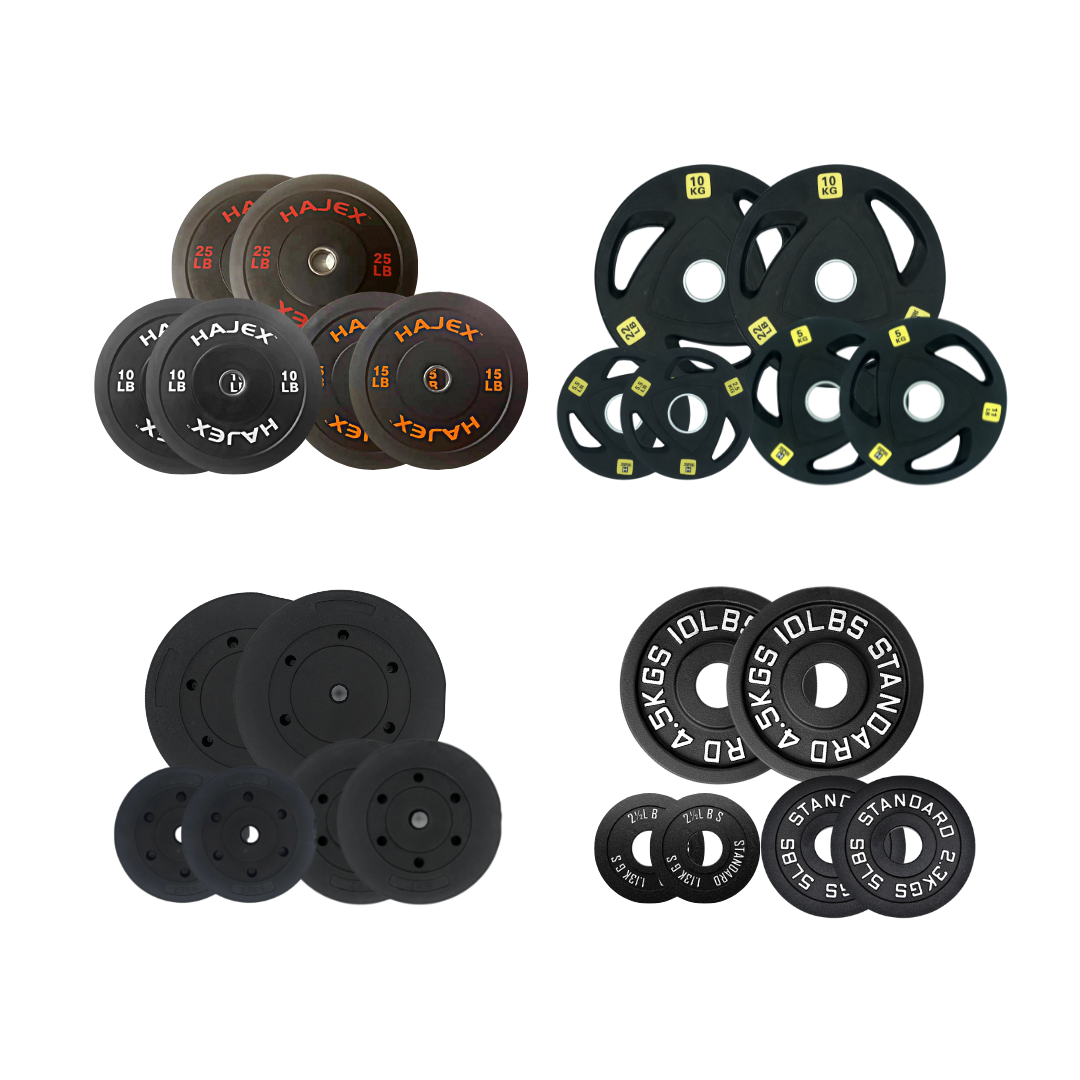
 DISQUES DE POIDS
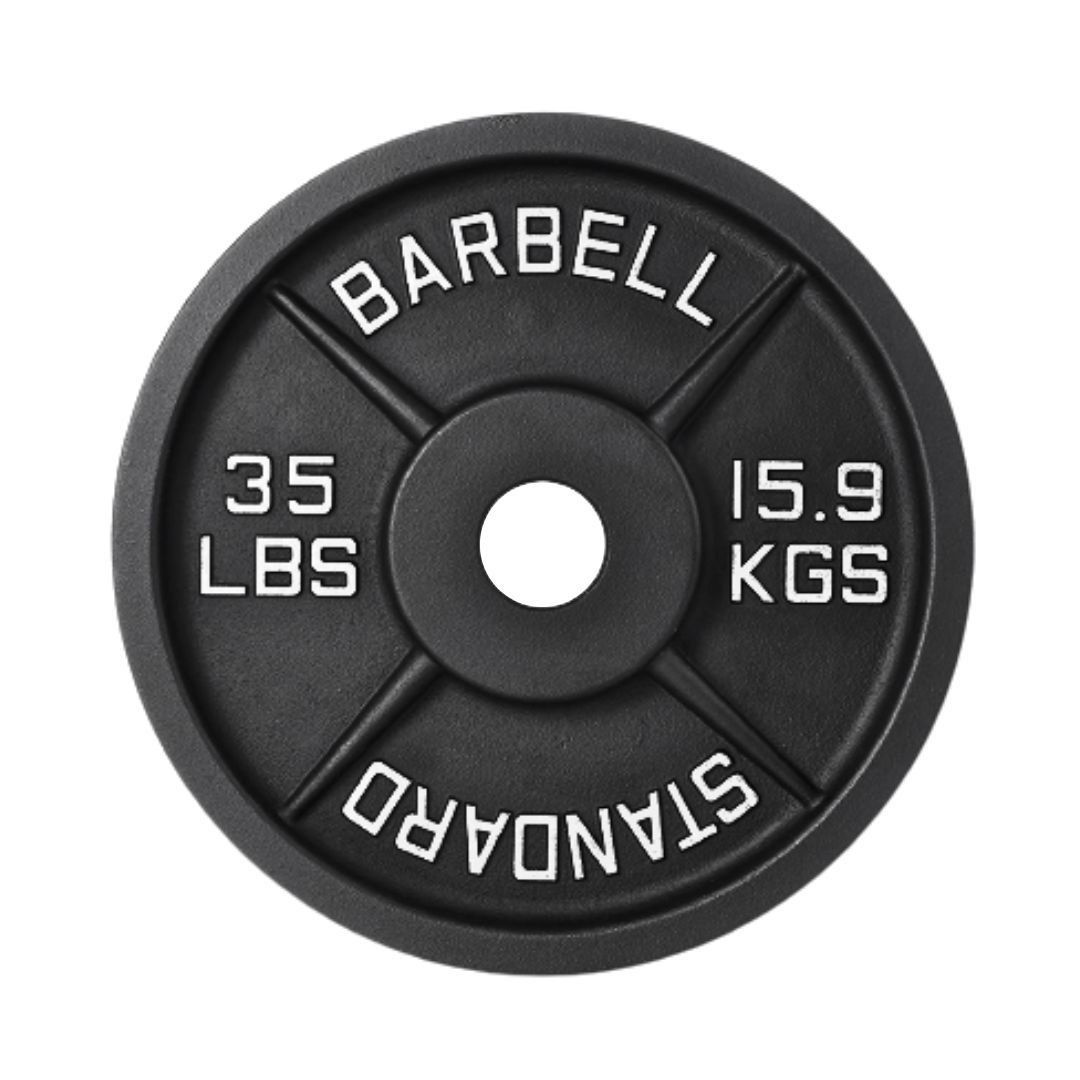 Plaques olympiques en fonte
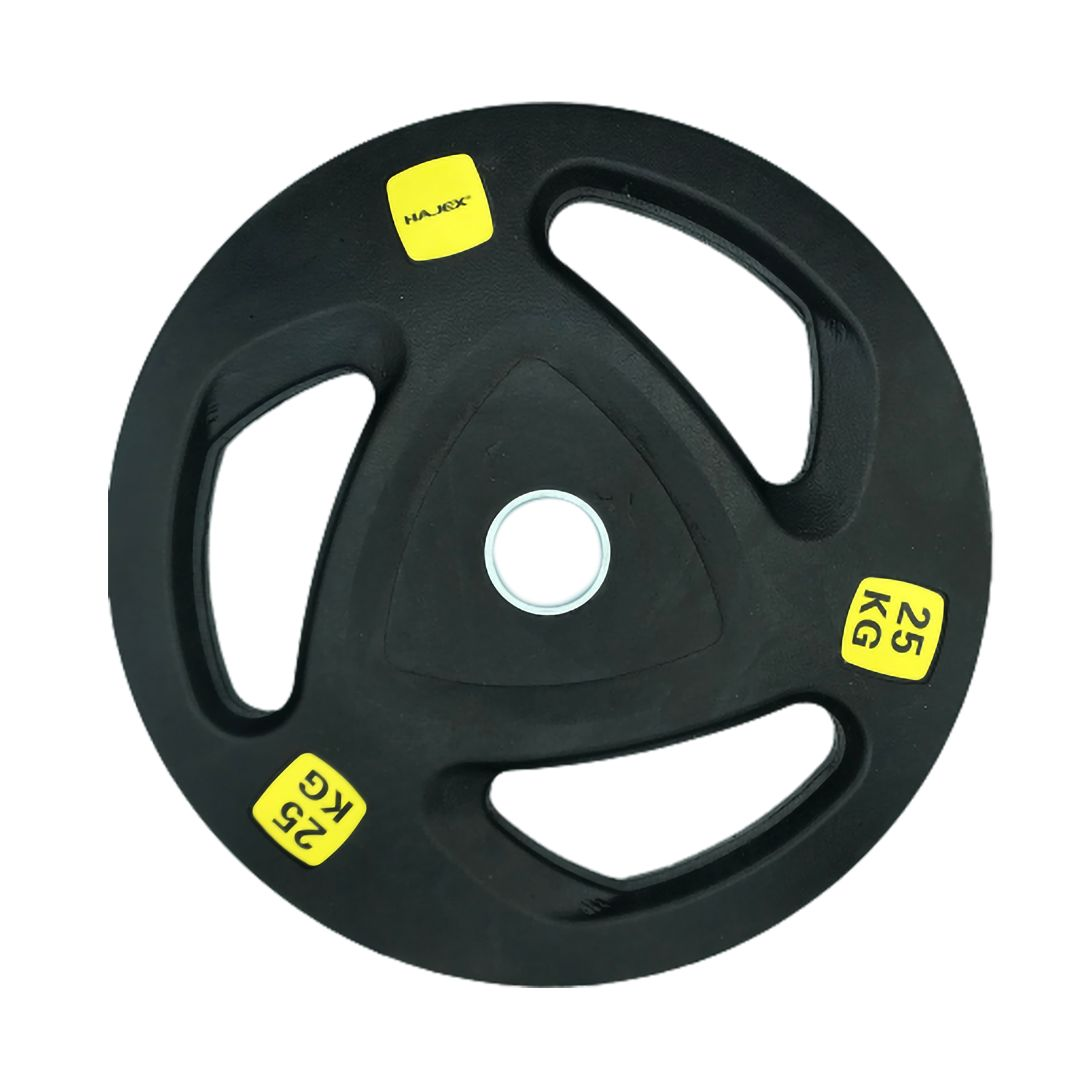 Plaques de poids olympiques en caoutchouc
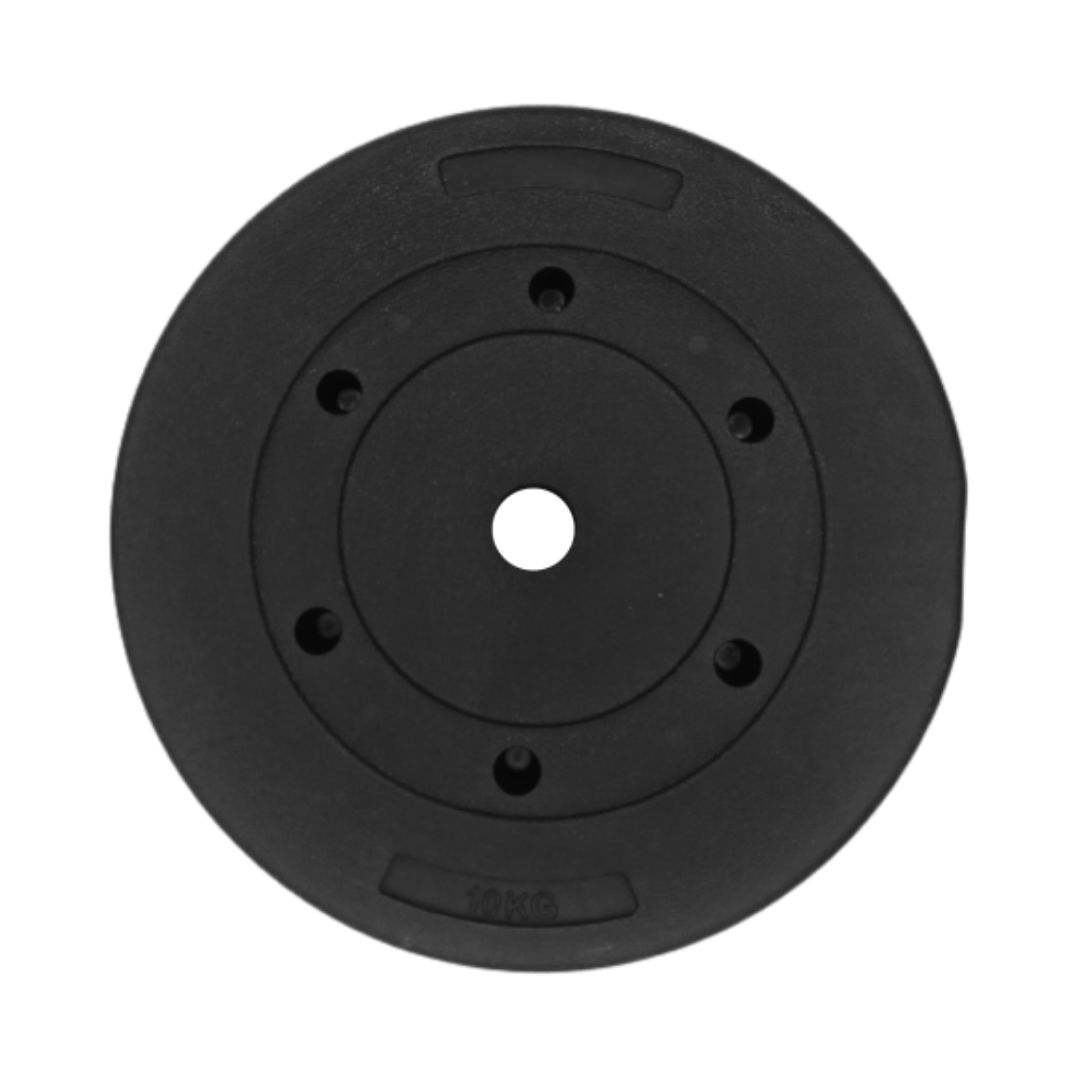 Plaques de poids en PVC
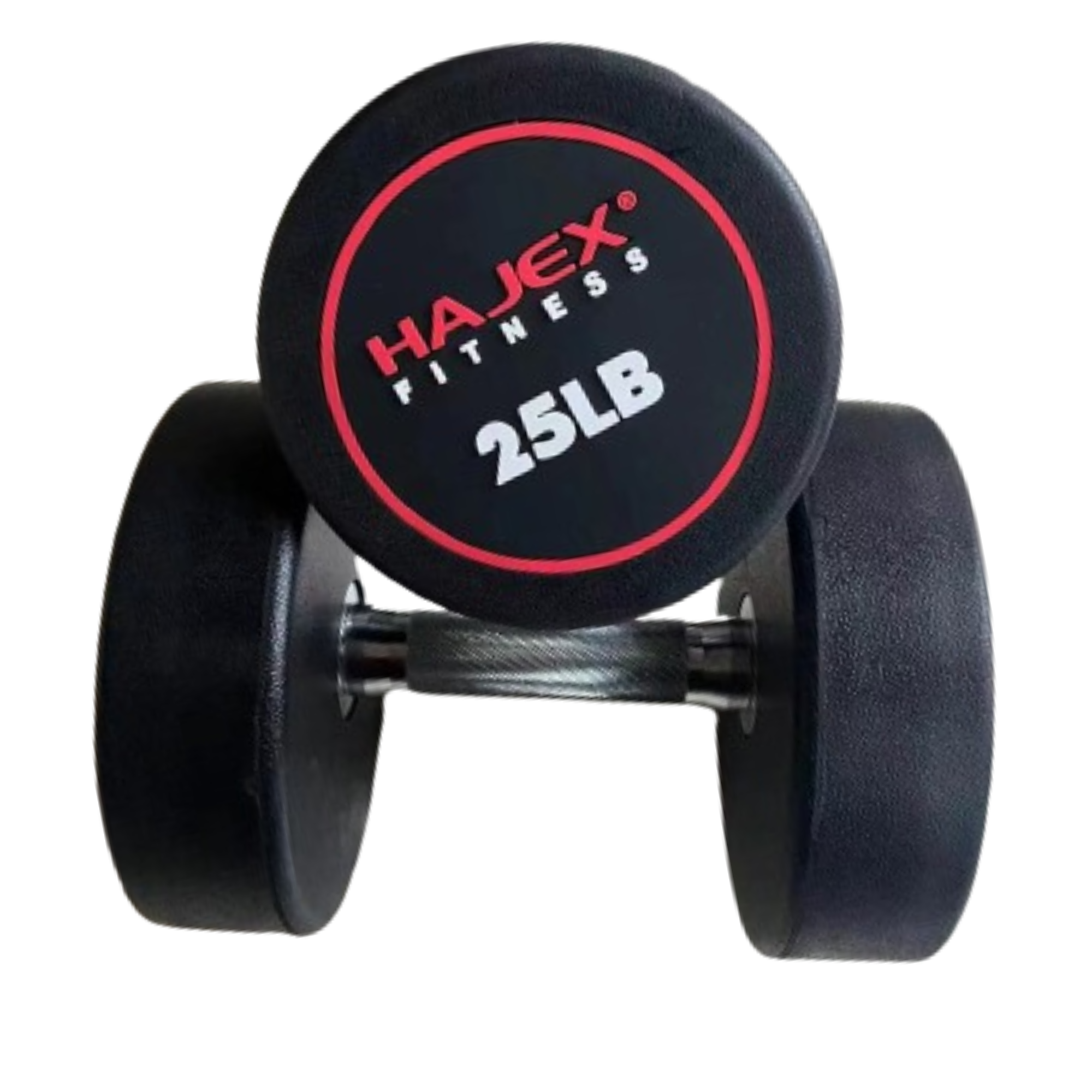 HALTÈRES
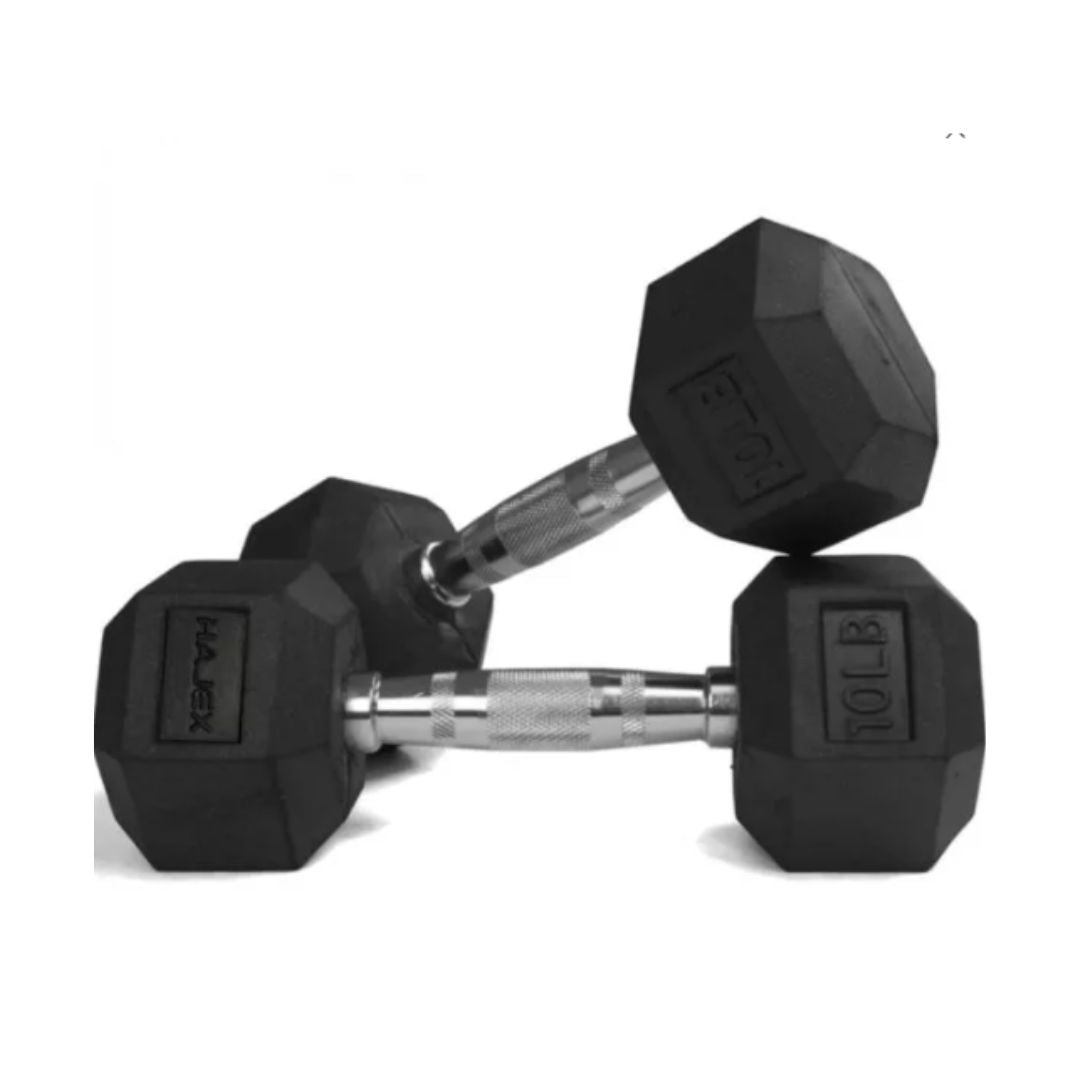 Haltères hexagonaux en caoutchouc
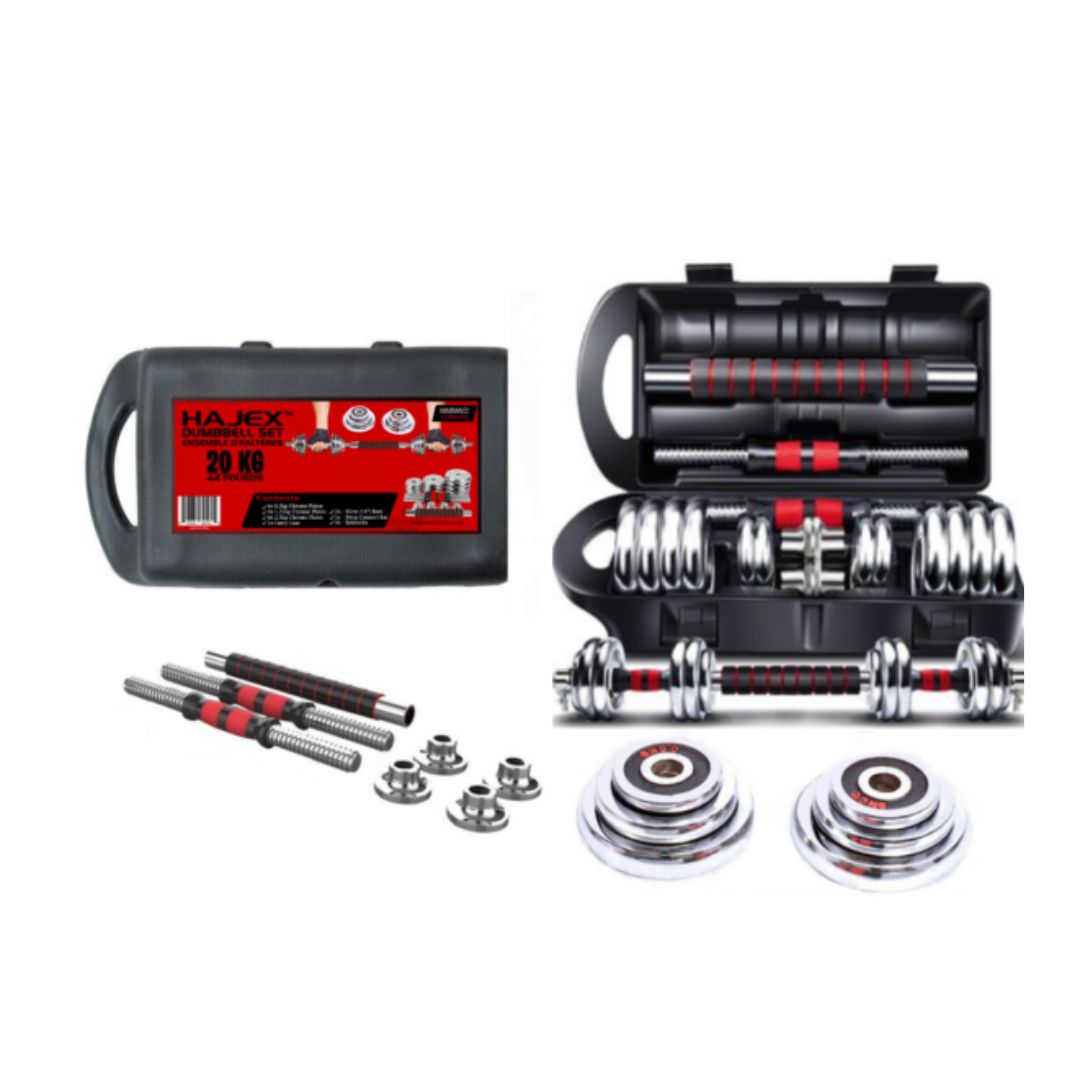 Haltères réglables en fonte
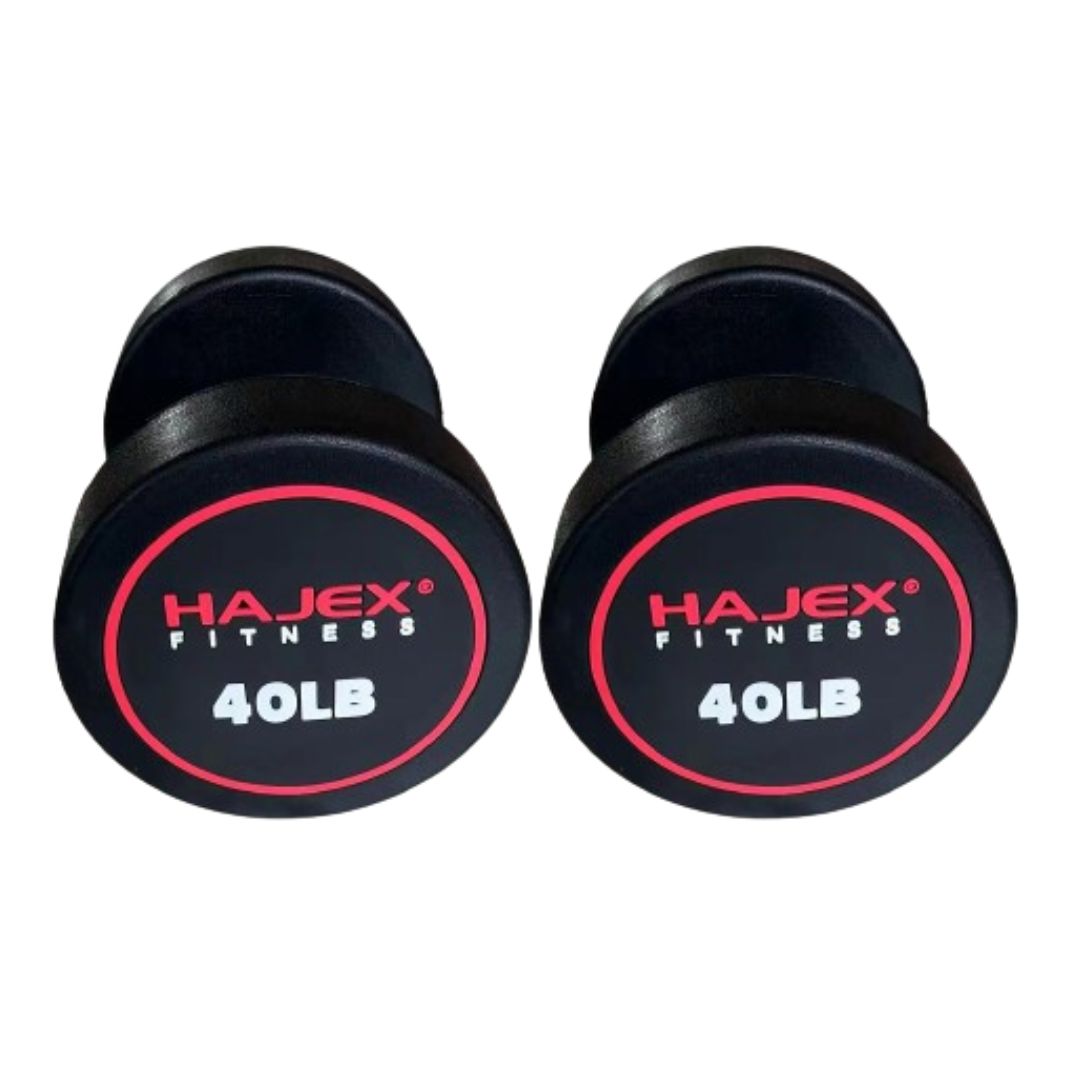 Haltères à tête ronde
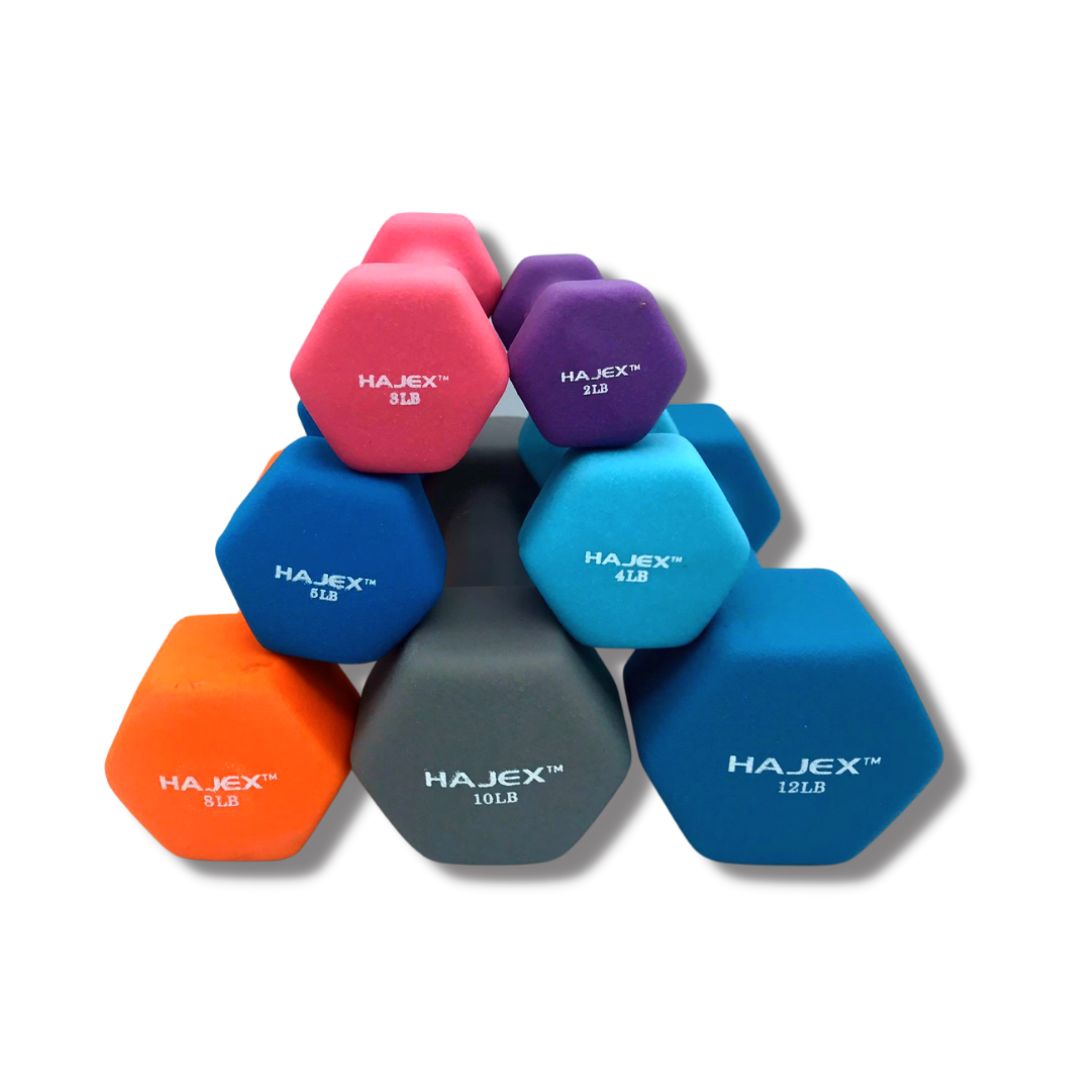 Haltères en néoprène
 BANCS
BANCS
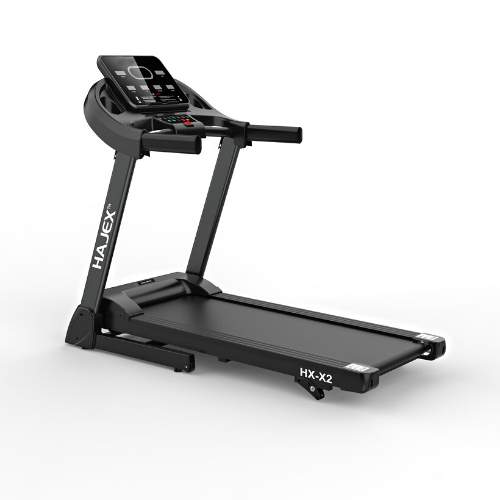 CARDIO
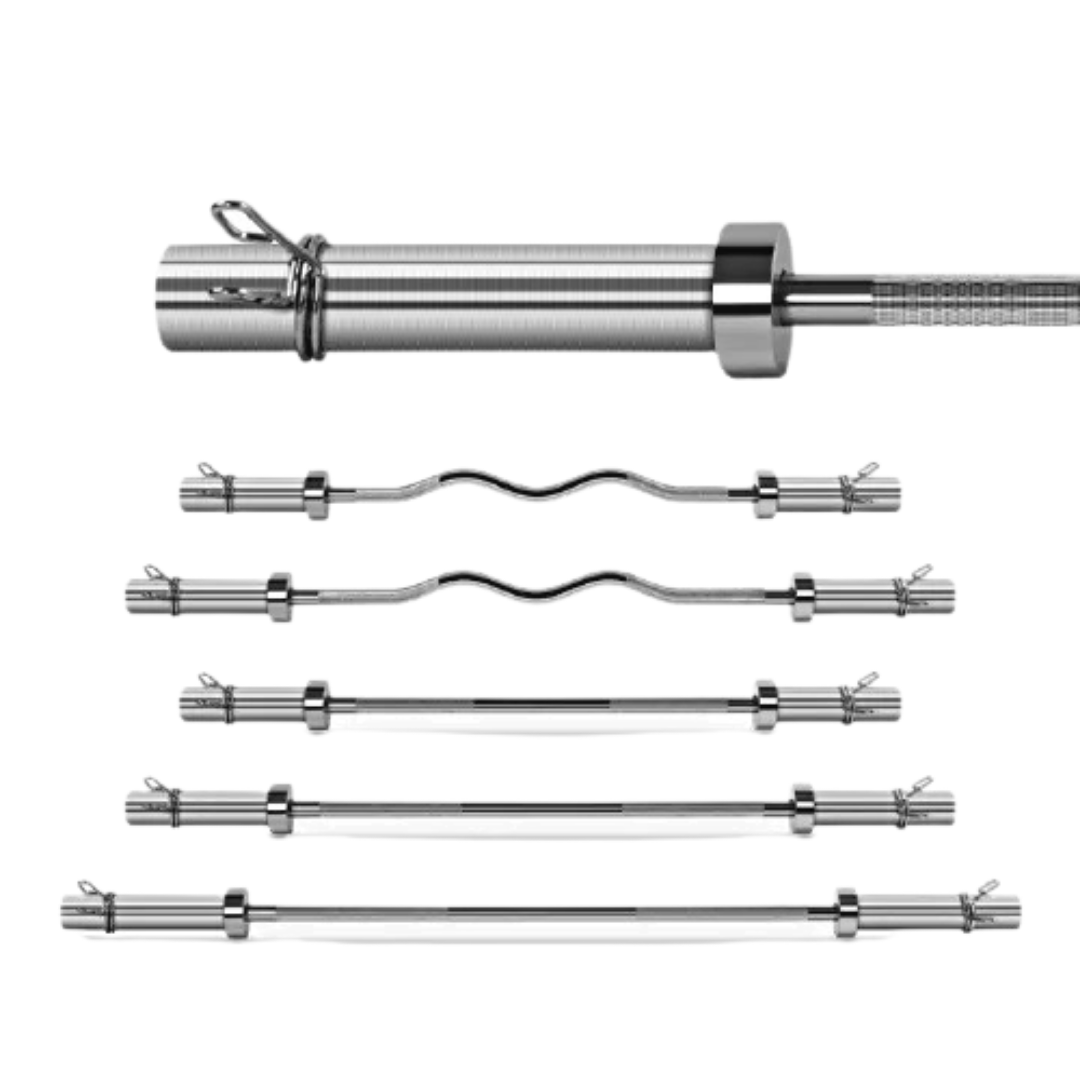 BARRES D'HALTÈRES
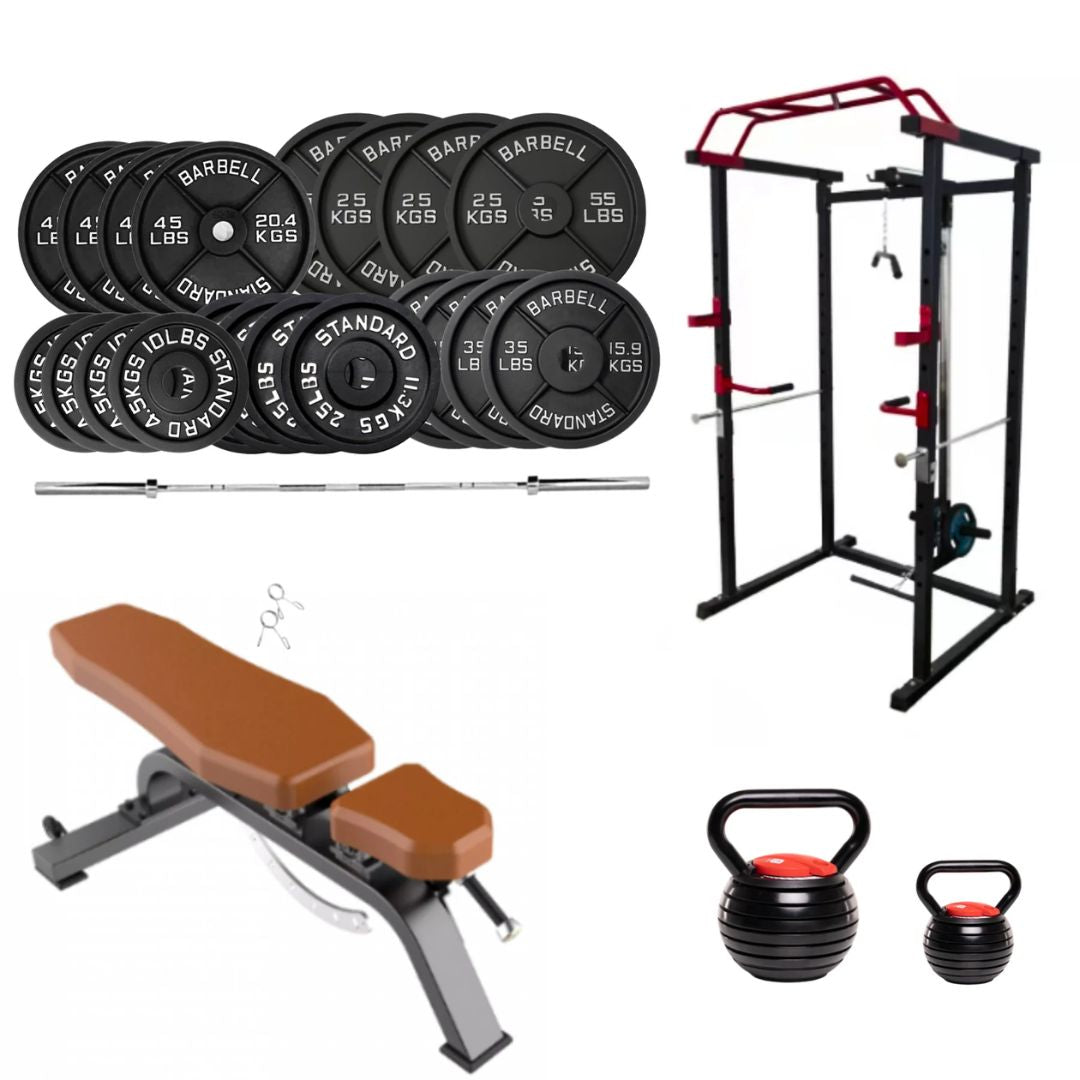 Offres sur les équipements de gym à domicile
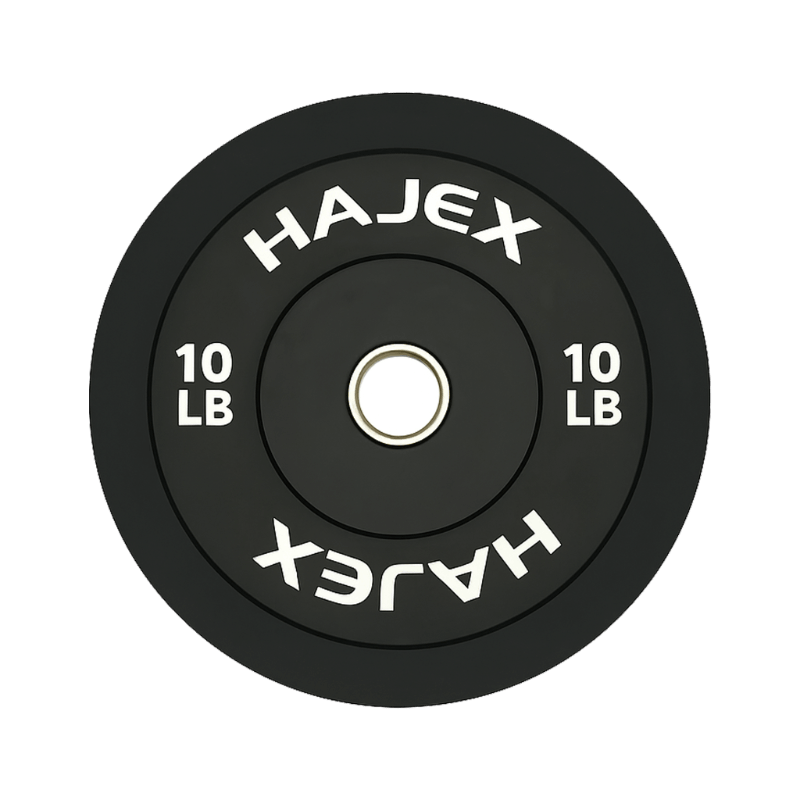 Plaques de pare-chocs olympiques
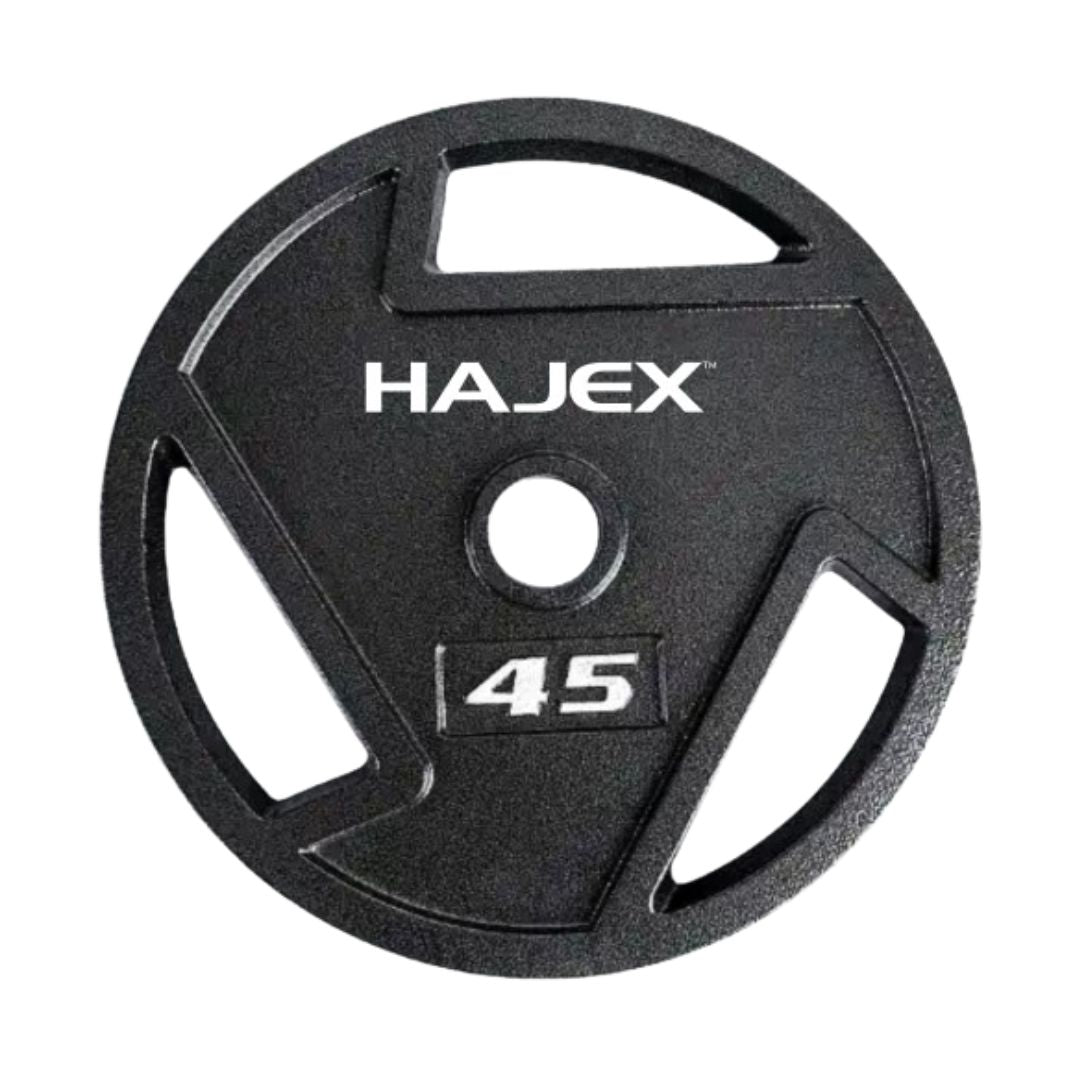 Disques Tri-Grip
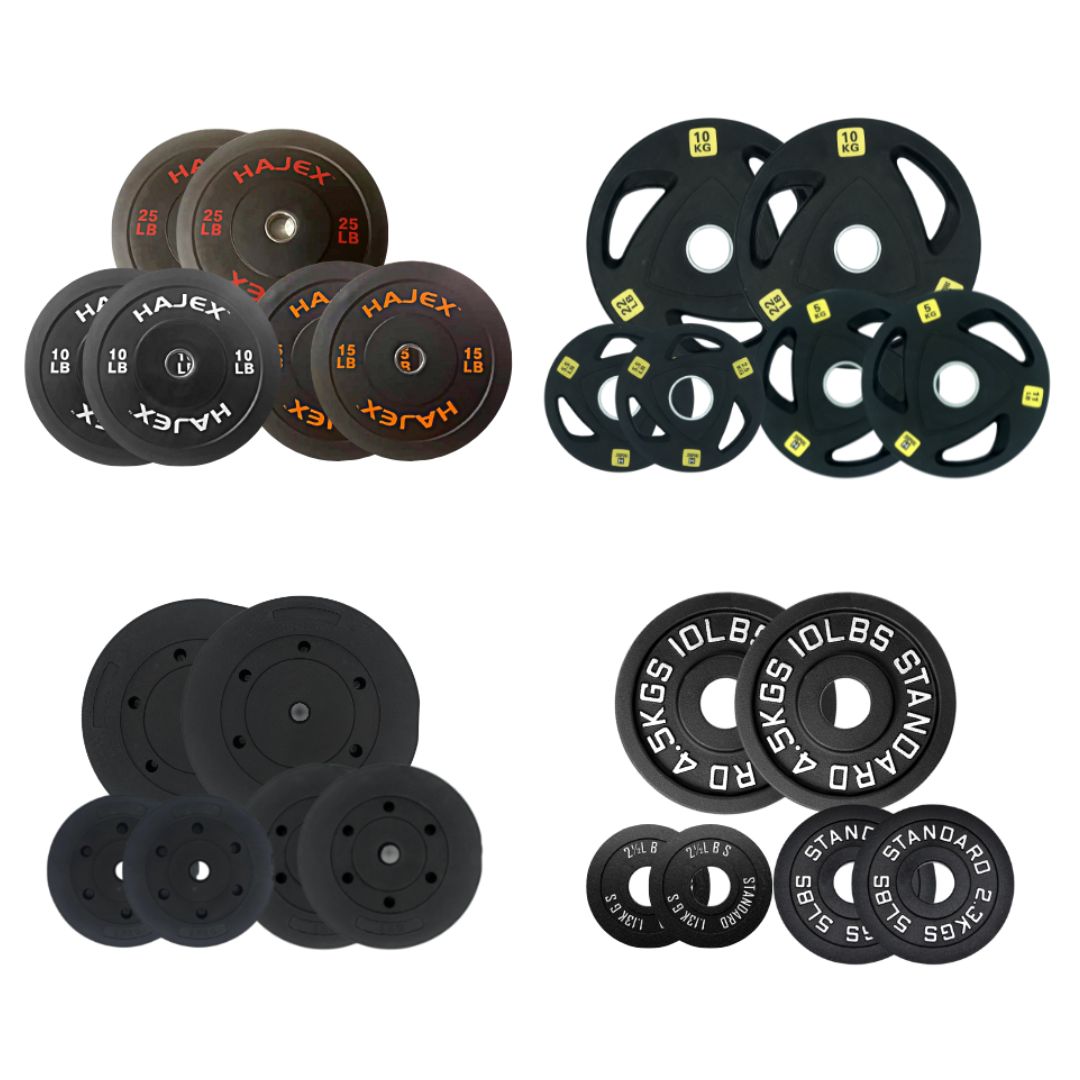 Ensemble de disques de poids
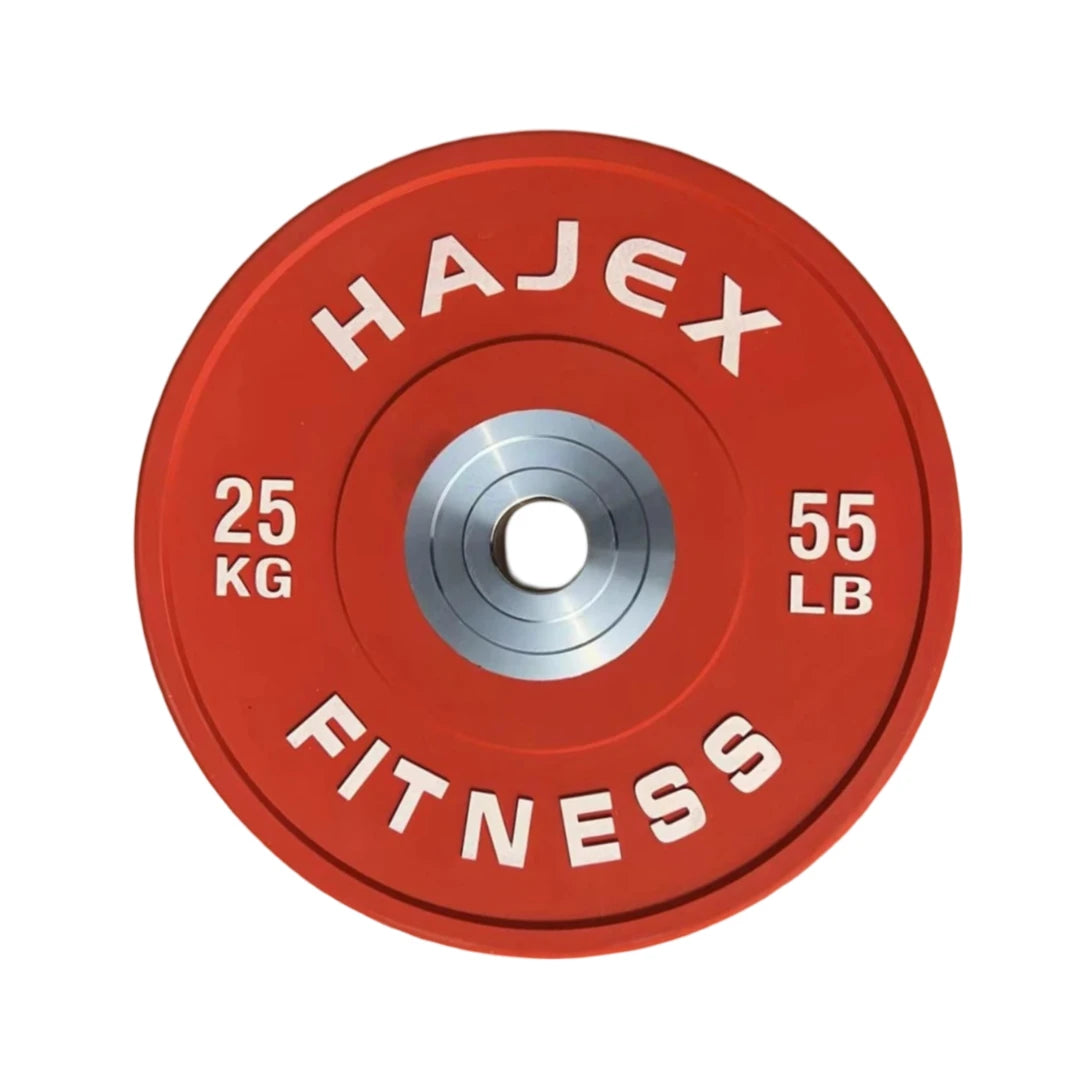 Plaques de pare-chocs Olympic Steel Hub
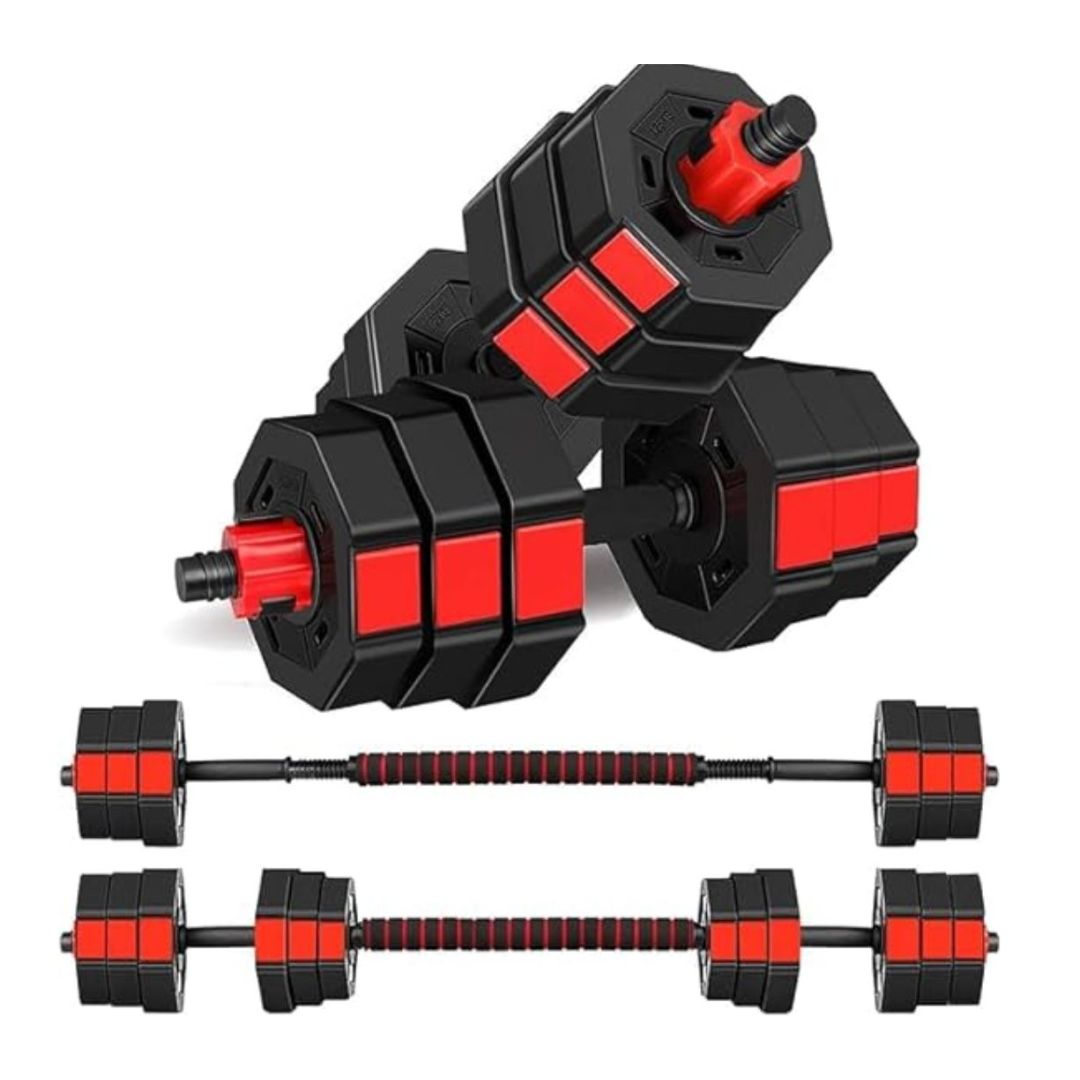 Haltères en PVC
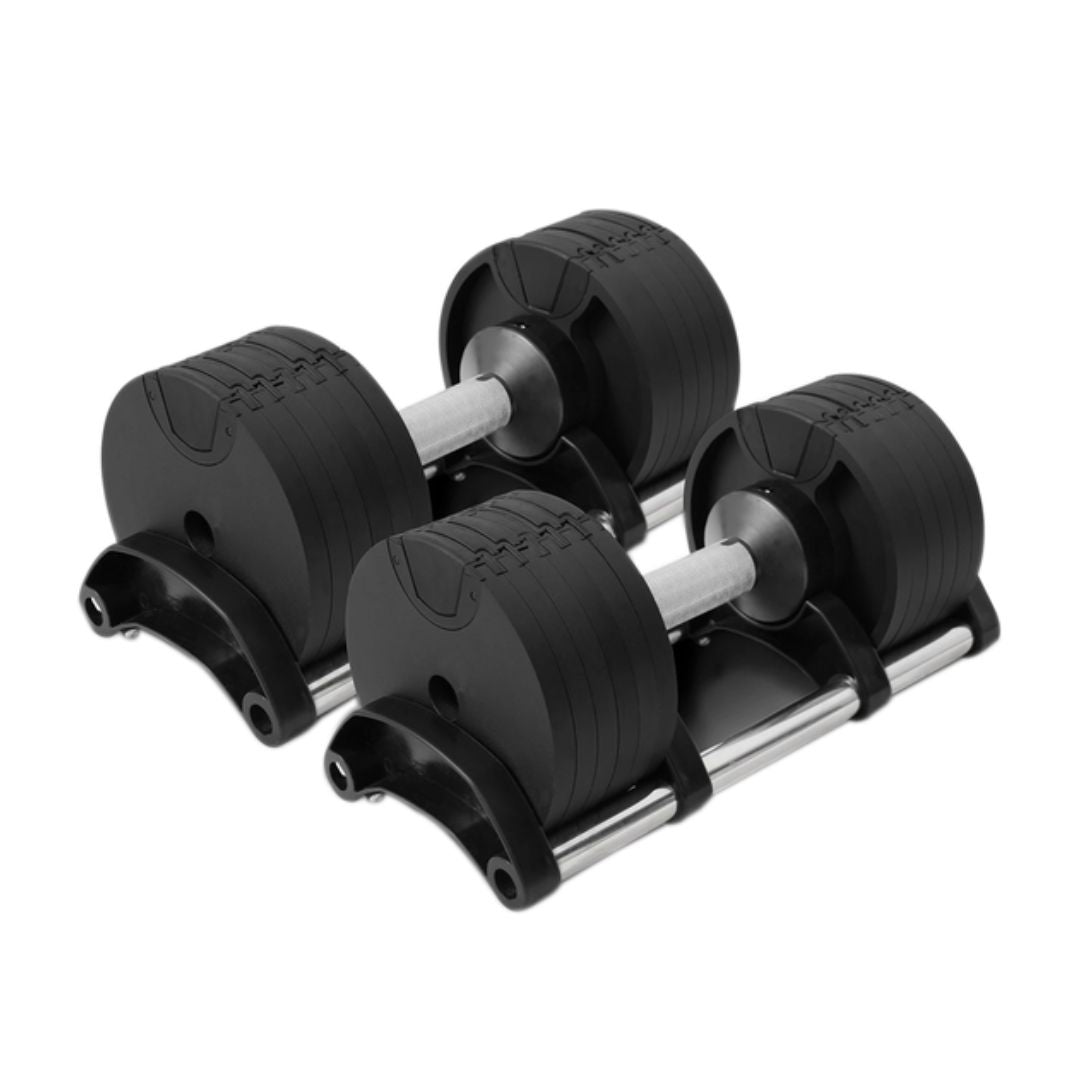 Haltères ajustables NUO Style
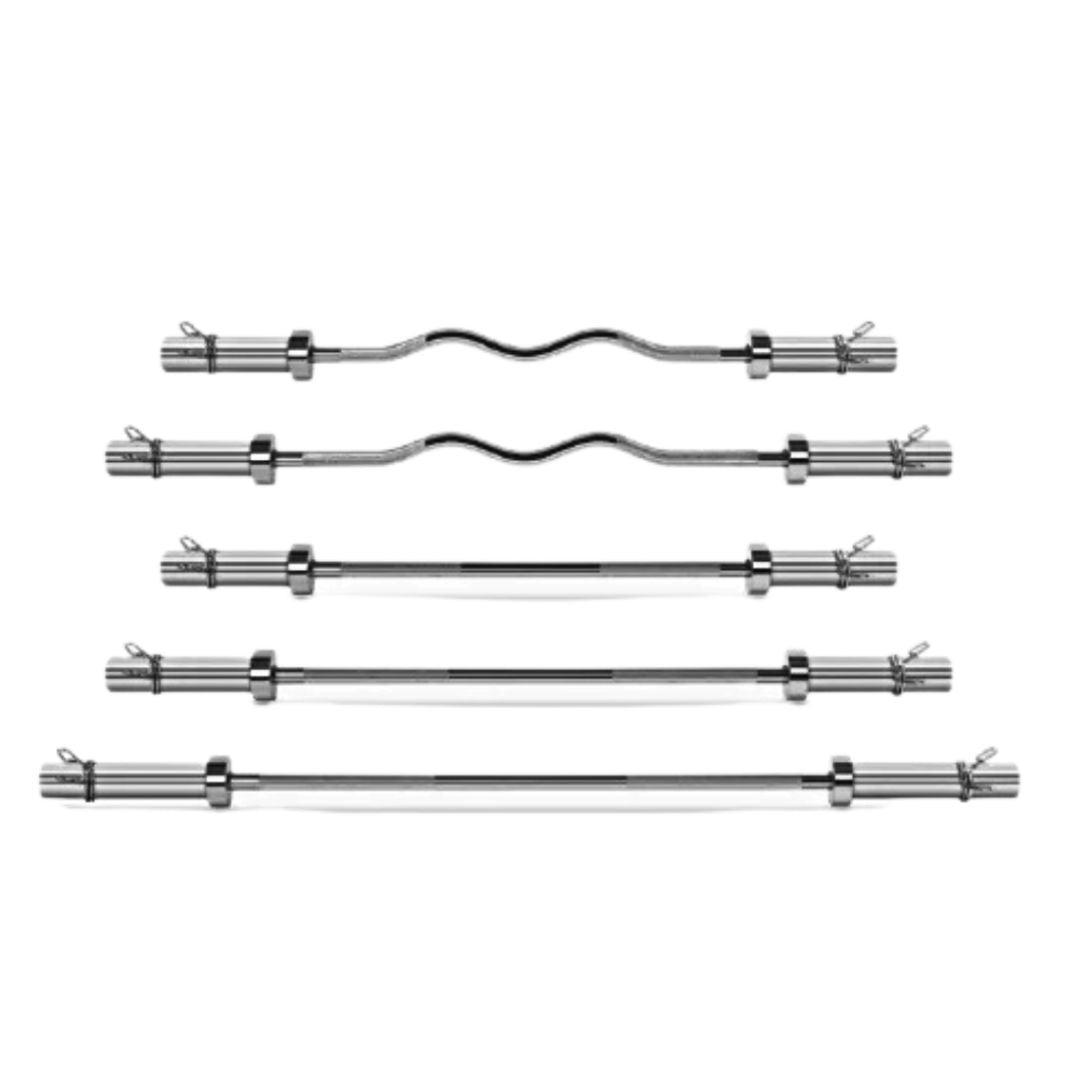 Barres olympiques 2"
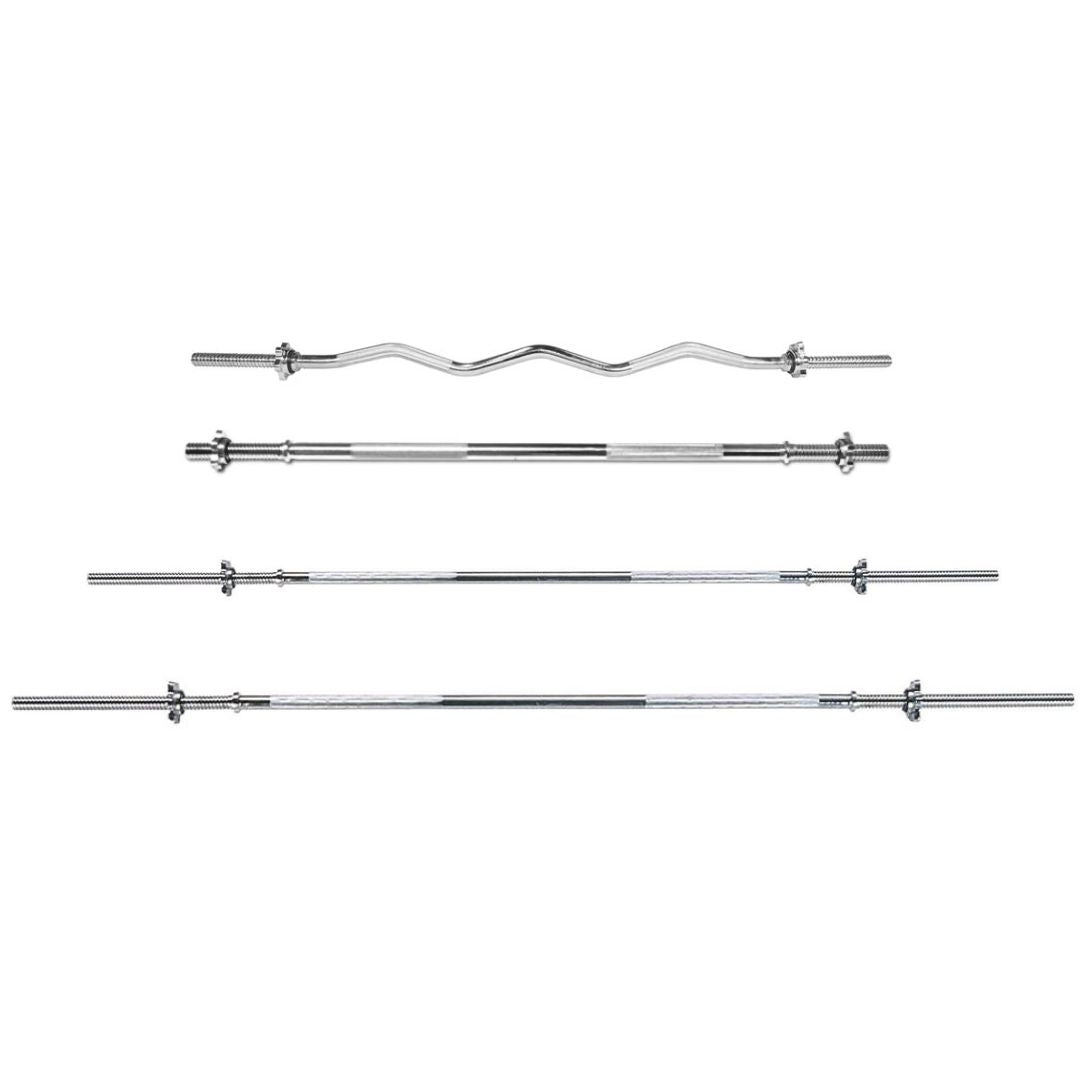 Haltères standards 2,54 cm
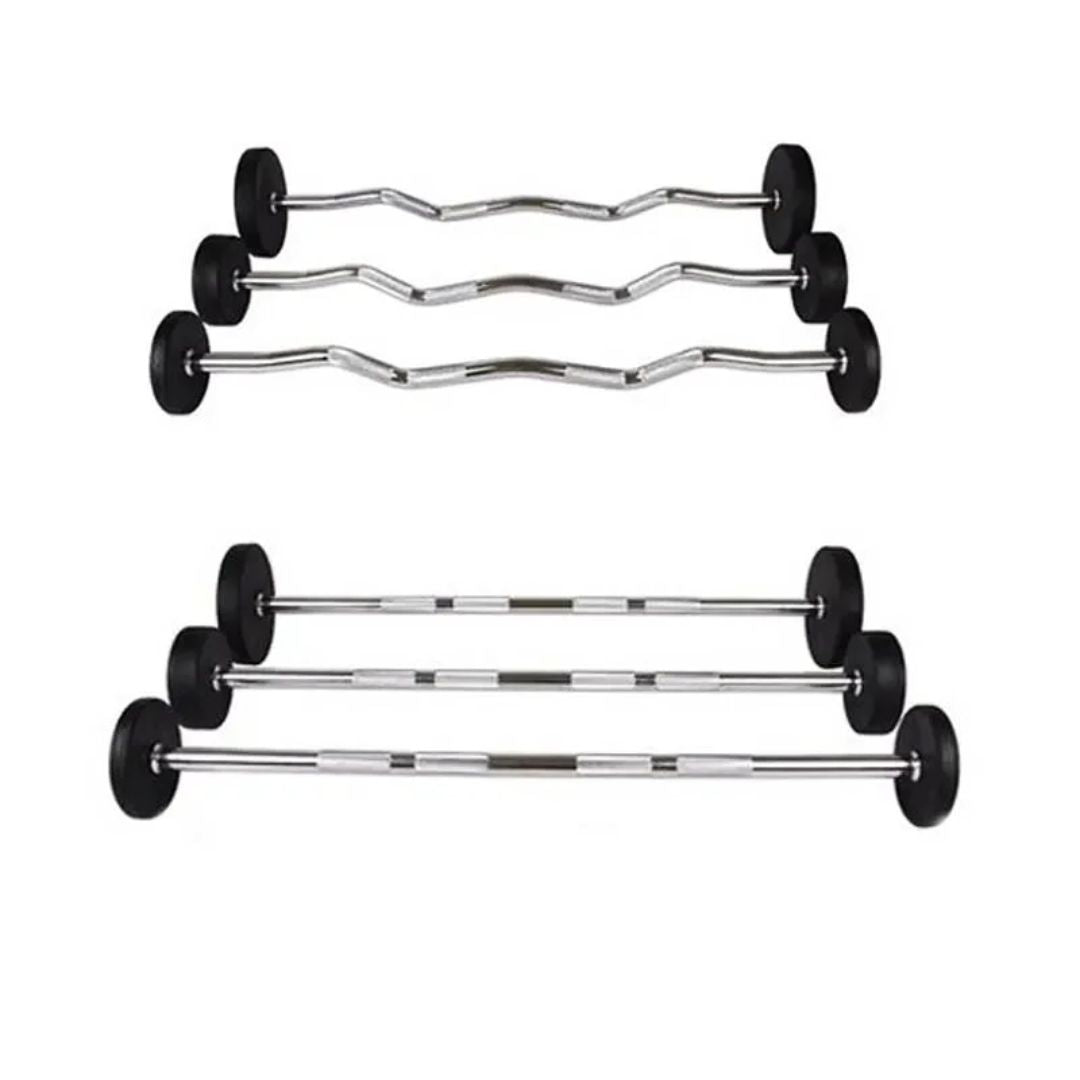 Barres à poids fixes
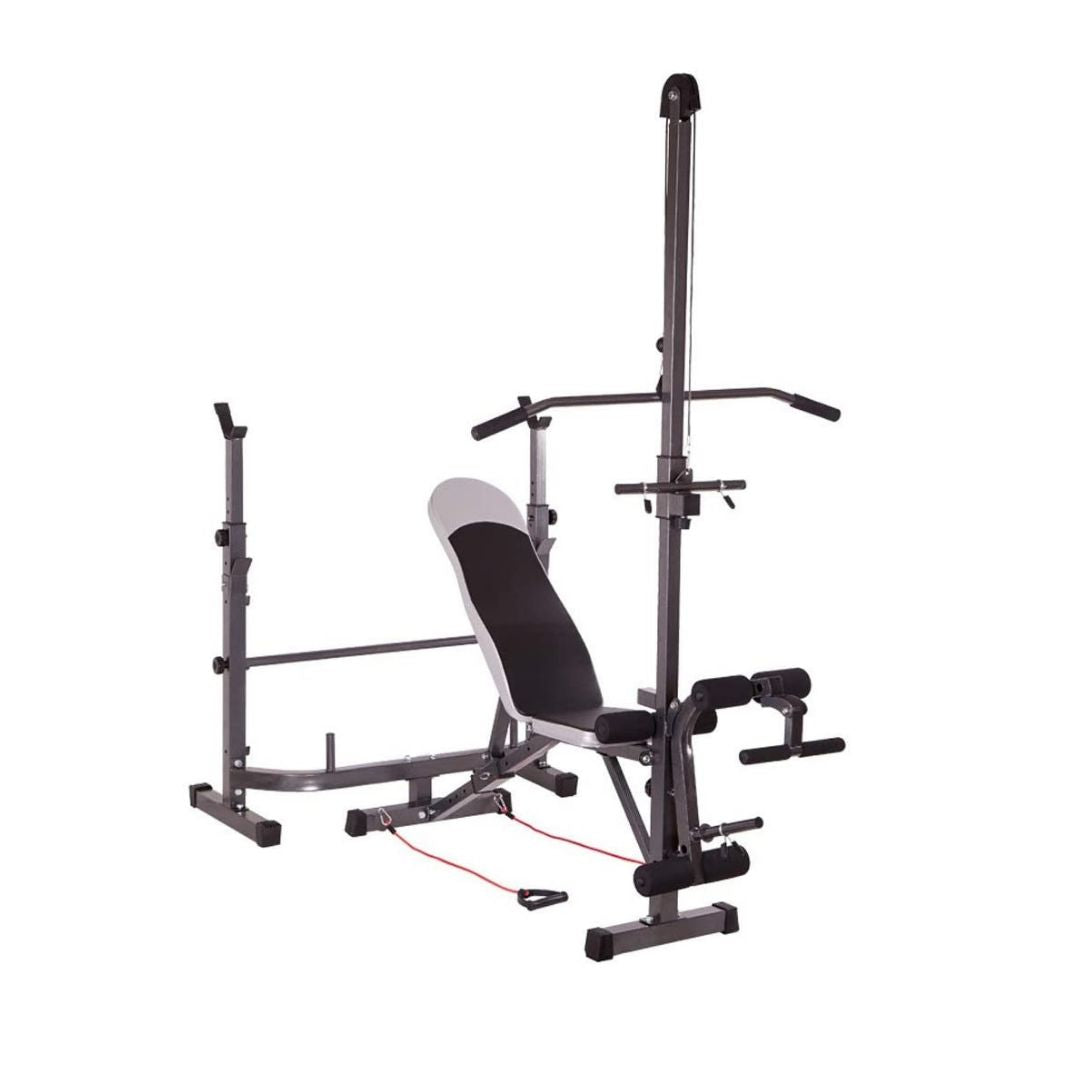 Bancs avec poulie et rack
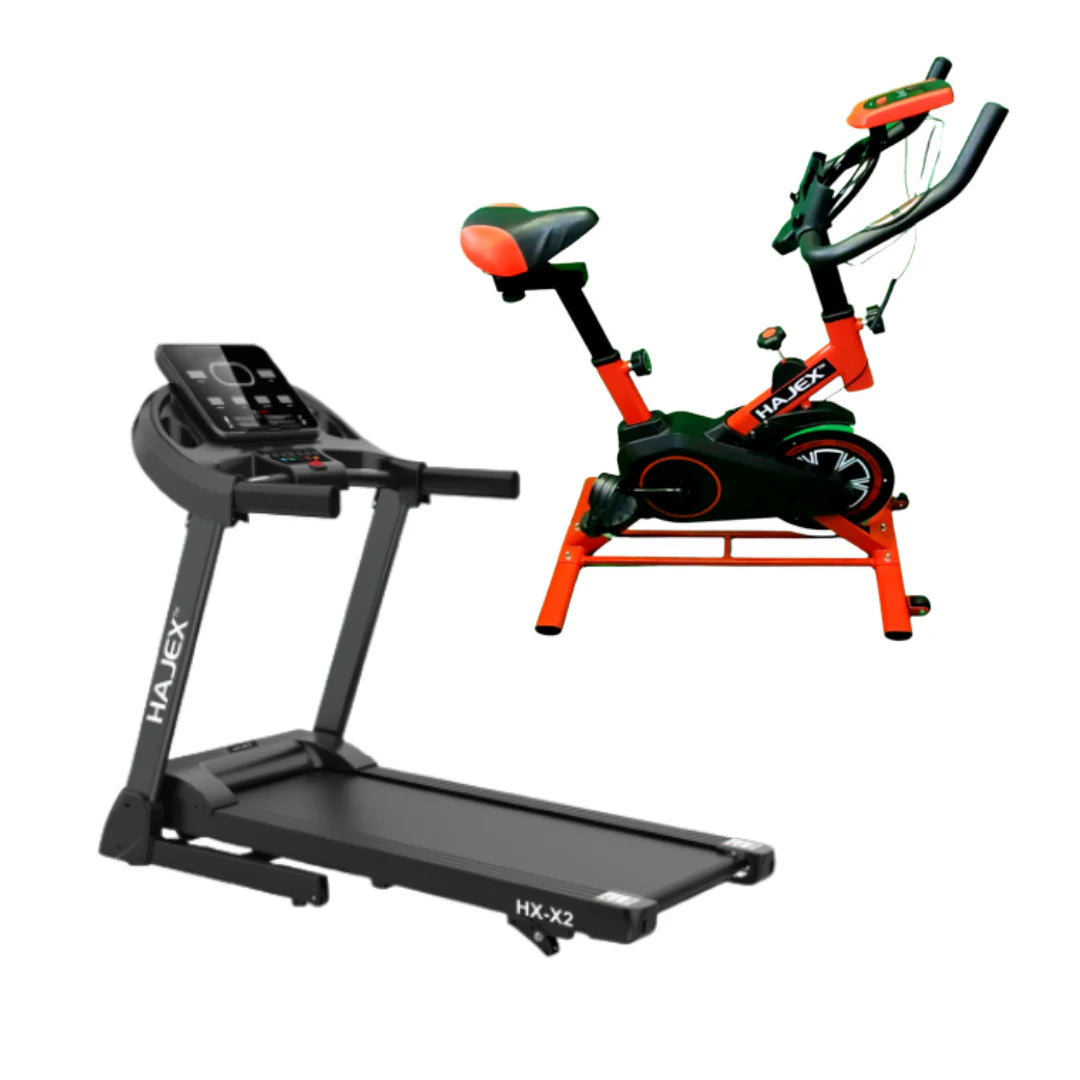 CARDIO
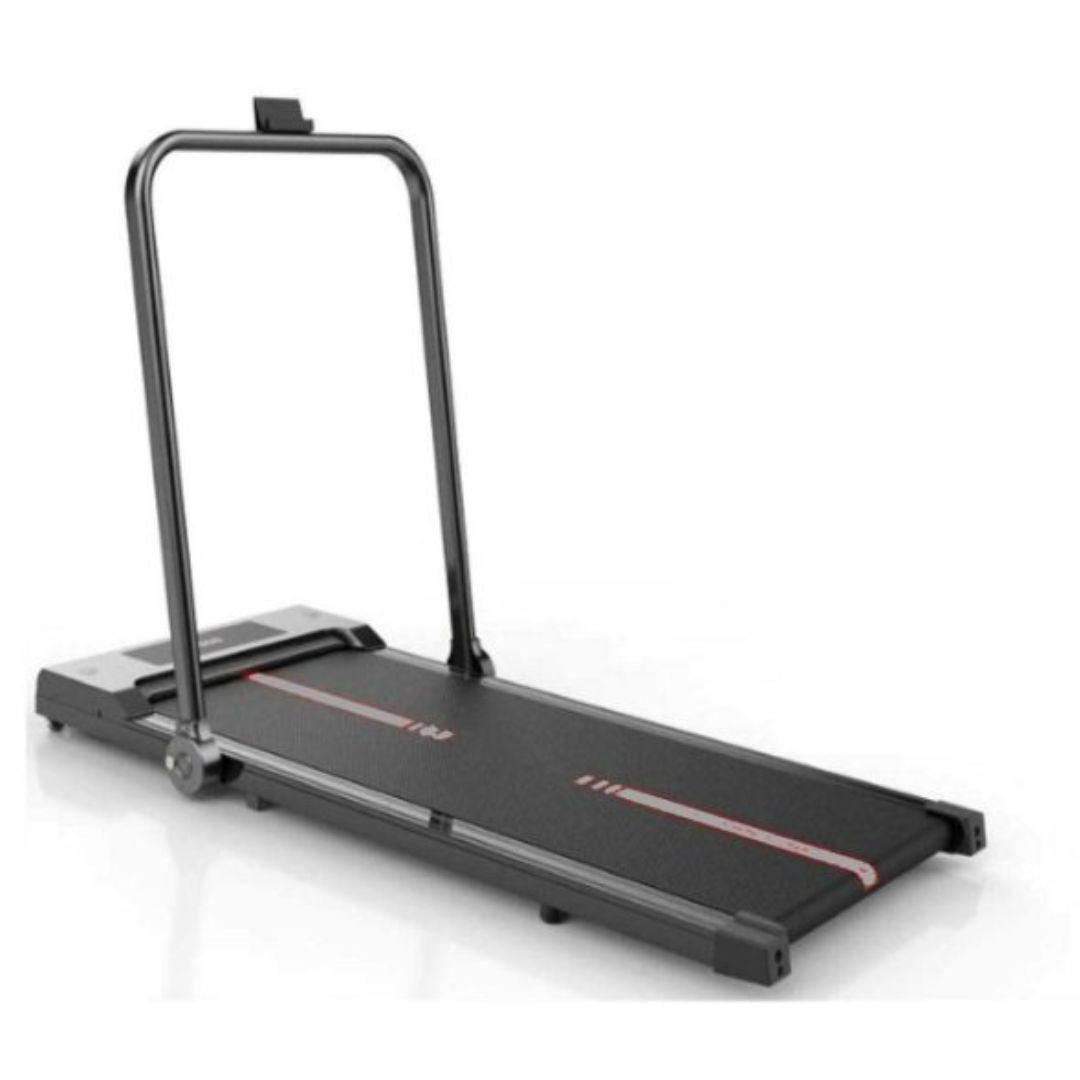 Tapis de marche pliables
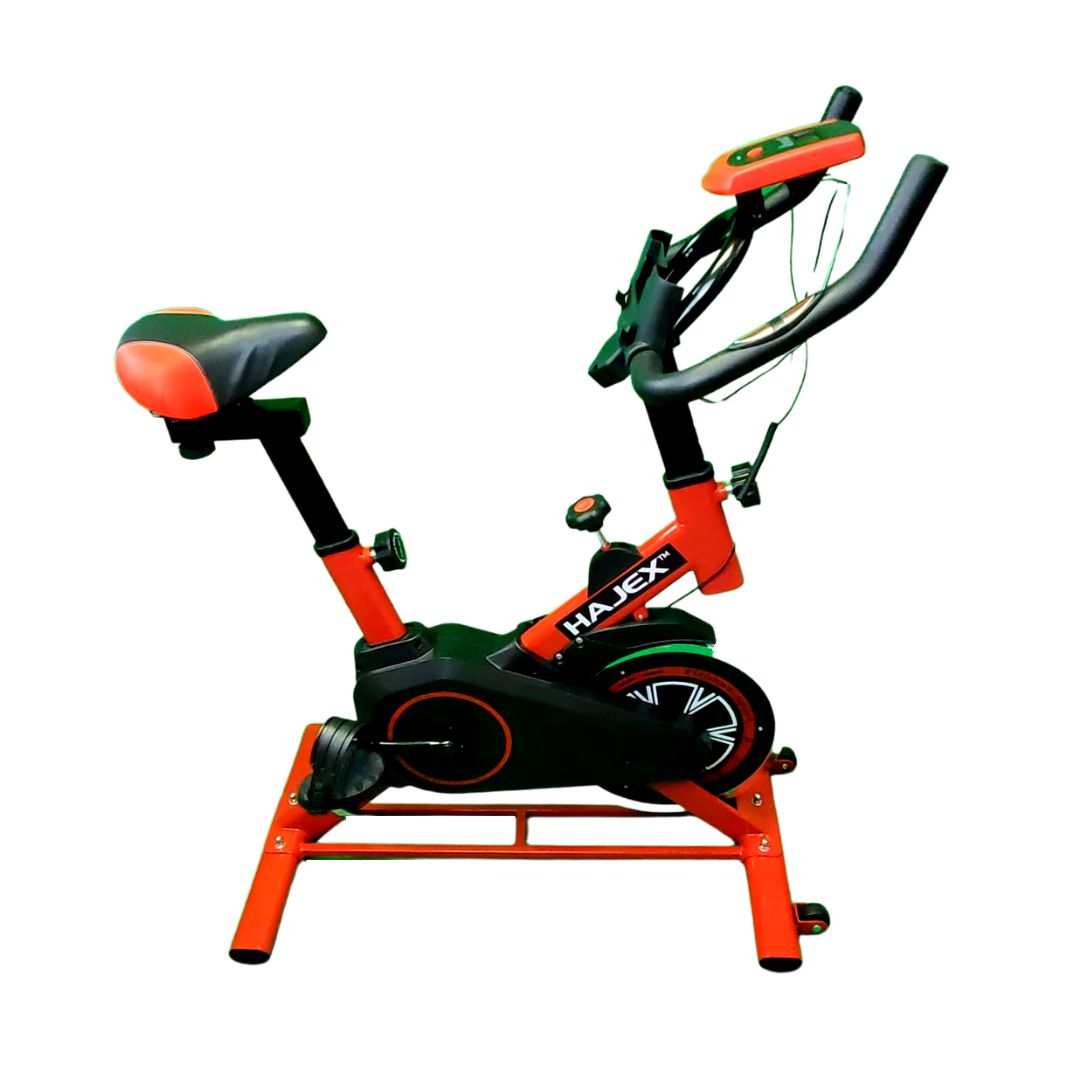 Vélos d'exercice
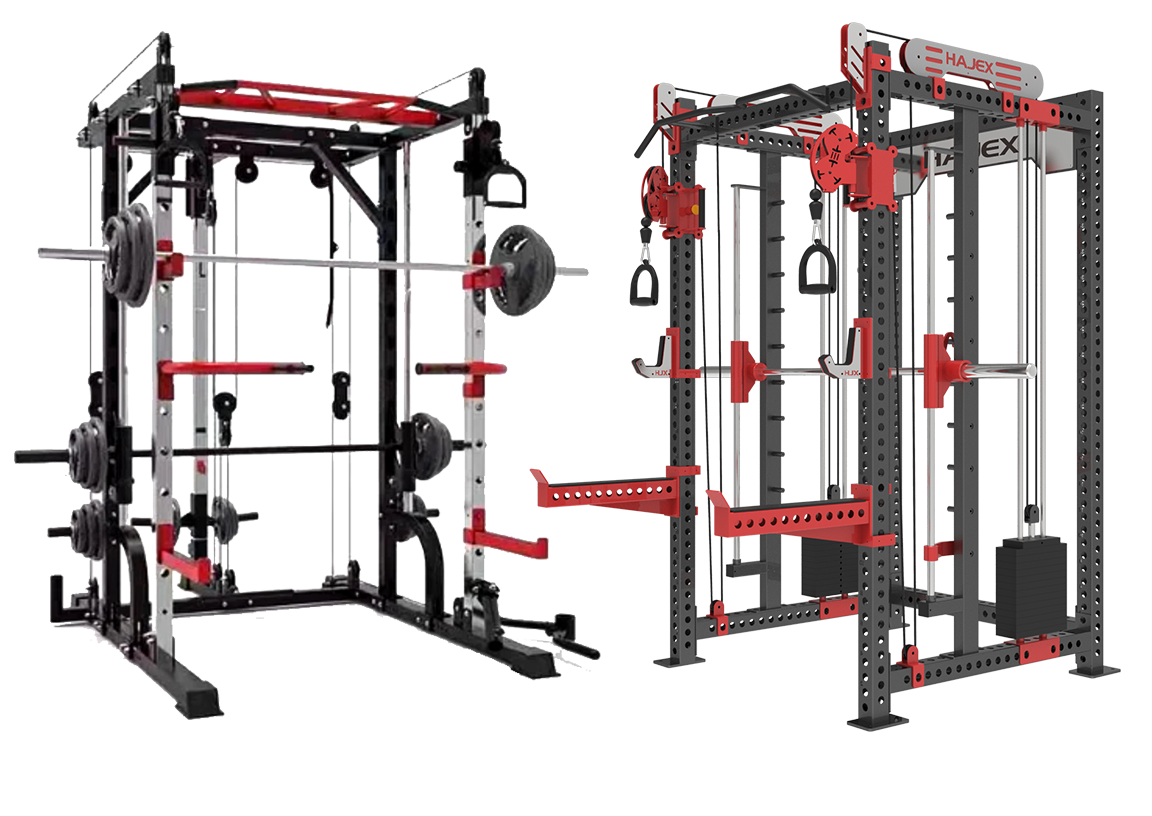 RACKS, CAGES ET APPAREILS SMITH
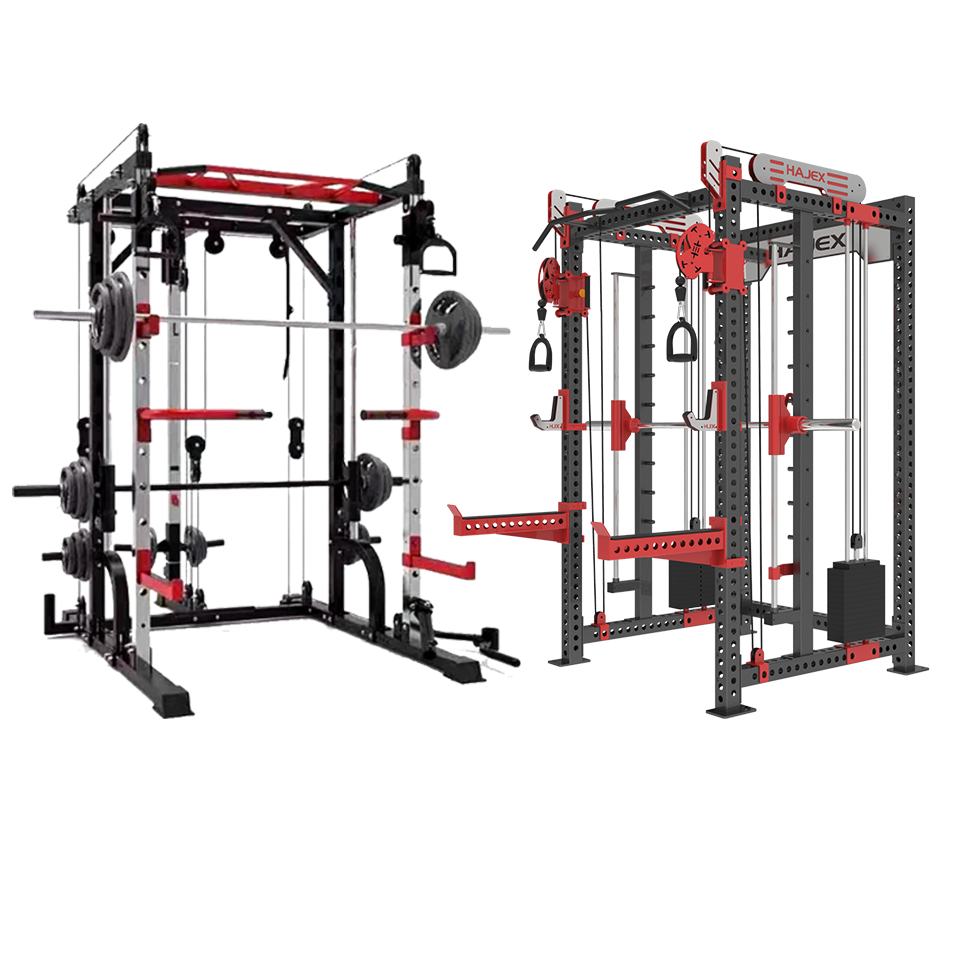 Machines Smith
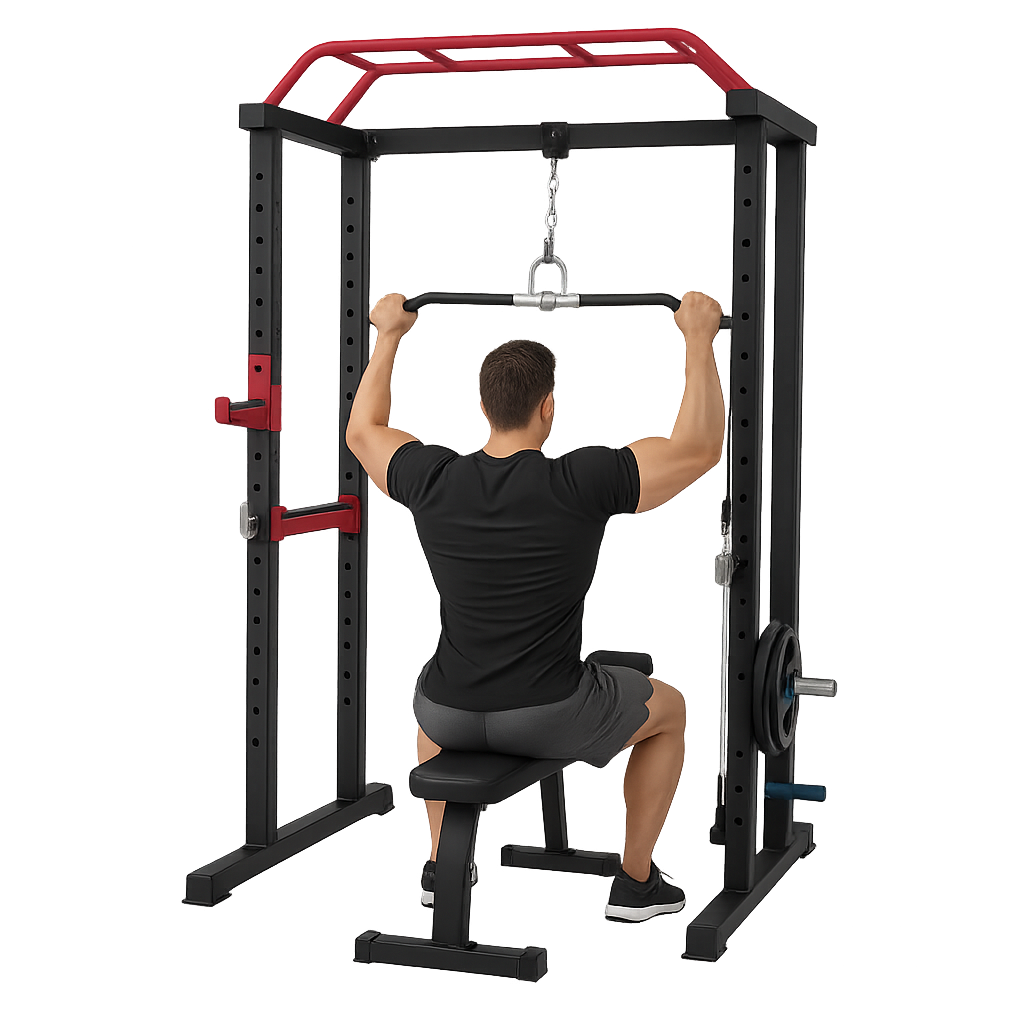 Supports d'alimentation
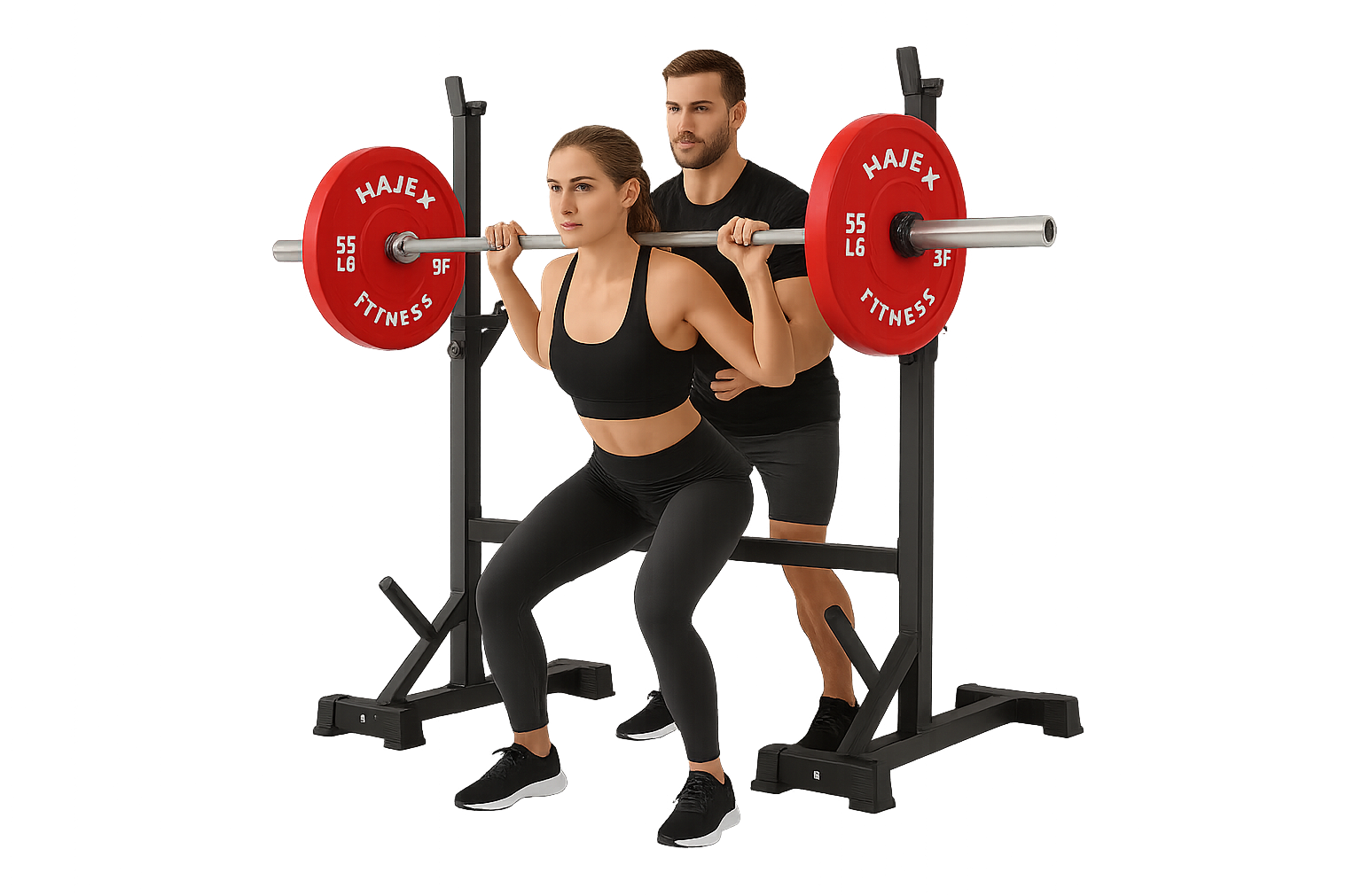 Supports à squats
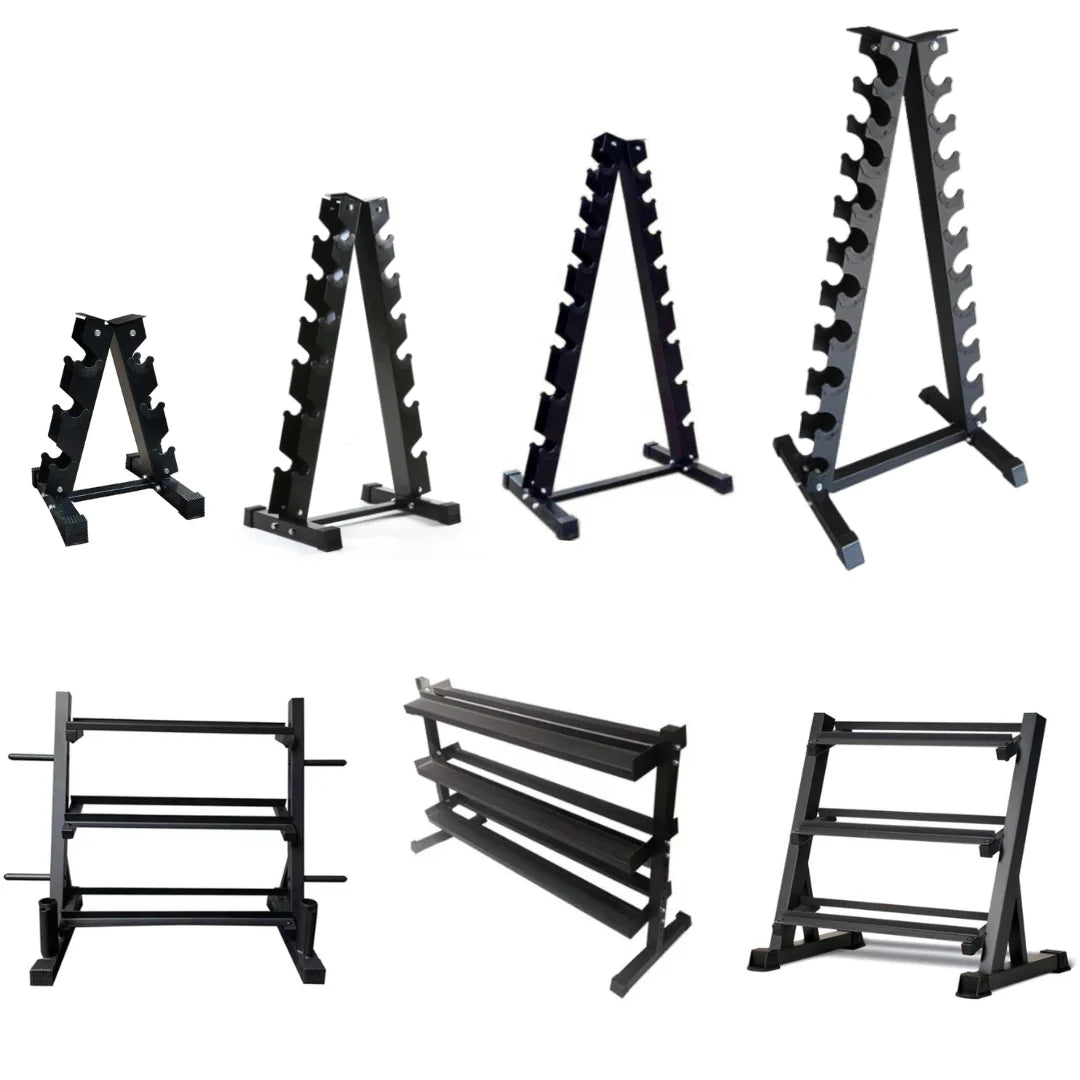 RAYONNAGES DE STOCKAGE
 Râteliers pour haltères et kettlebells
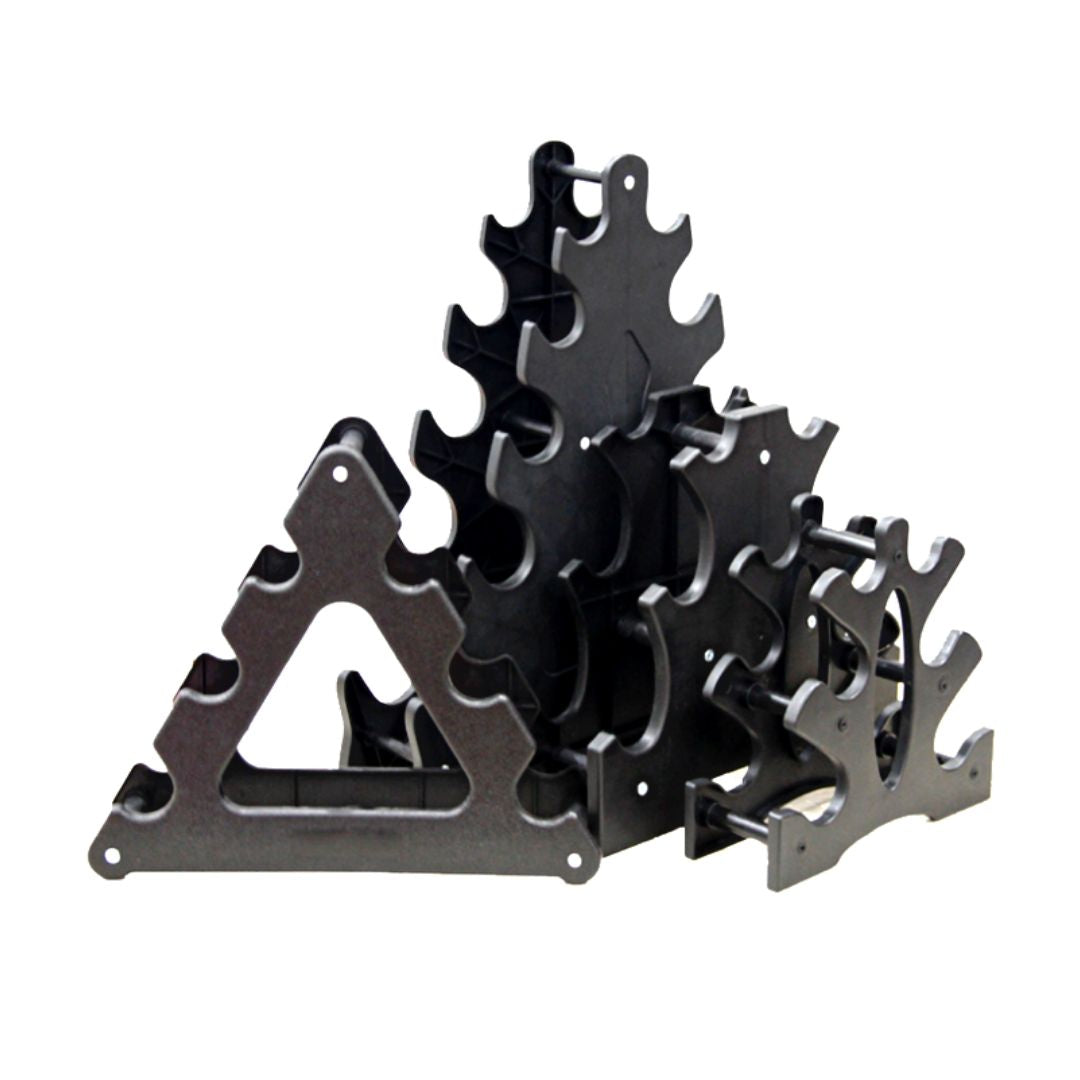 Mini-râteliers pour haltères
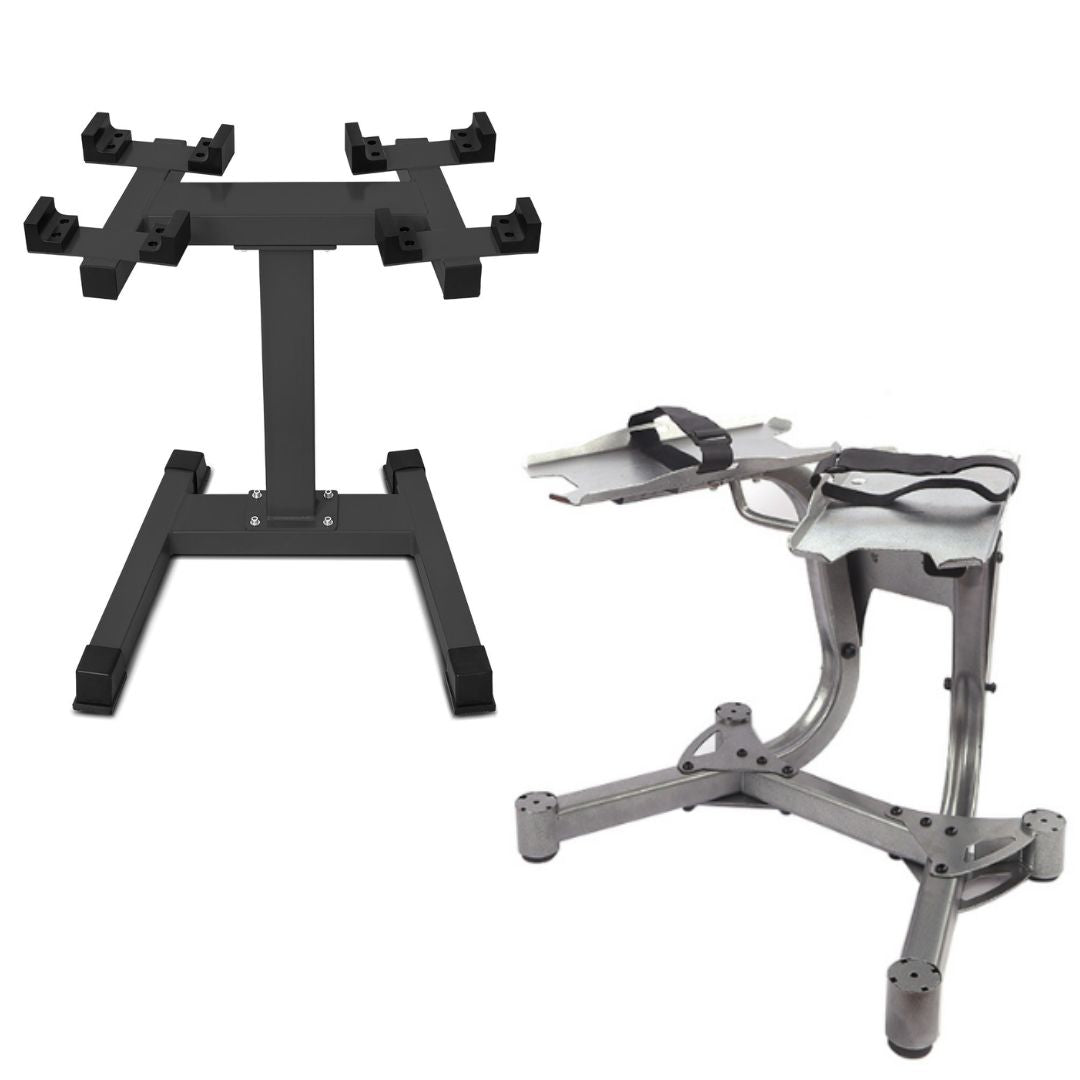 Supports pour haltères réglables
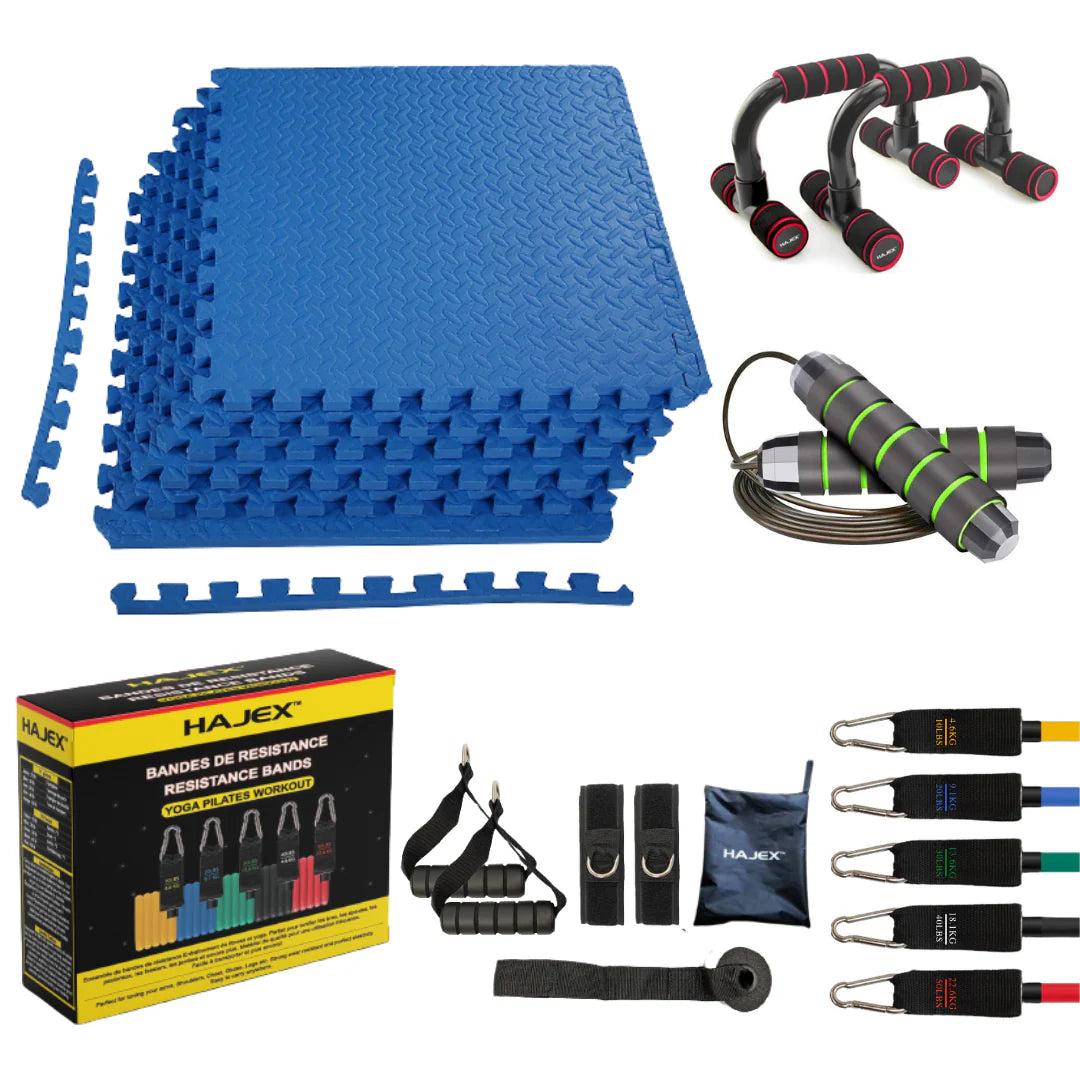 PLUS
PLUS
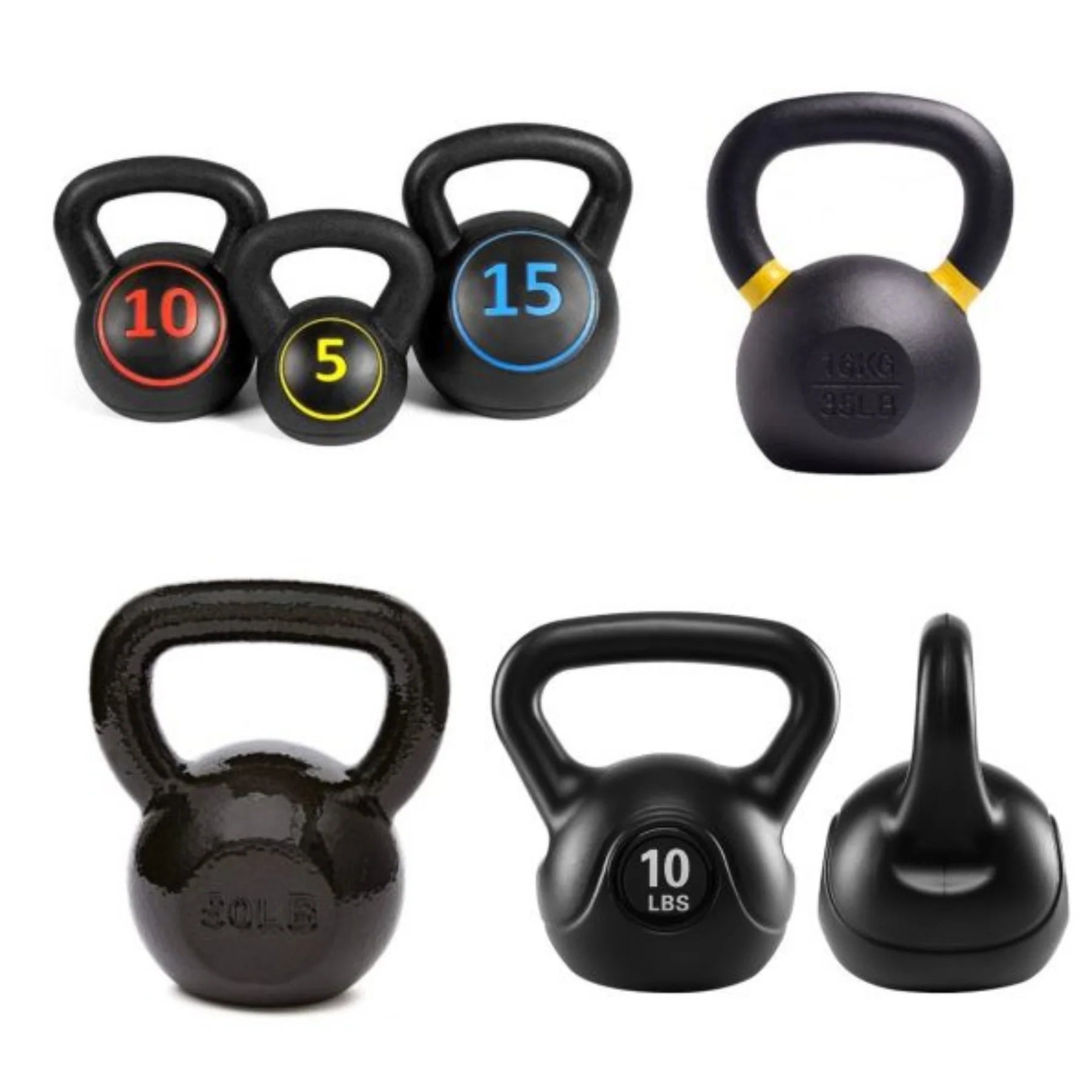 Kettlebells
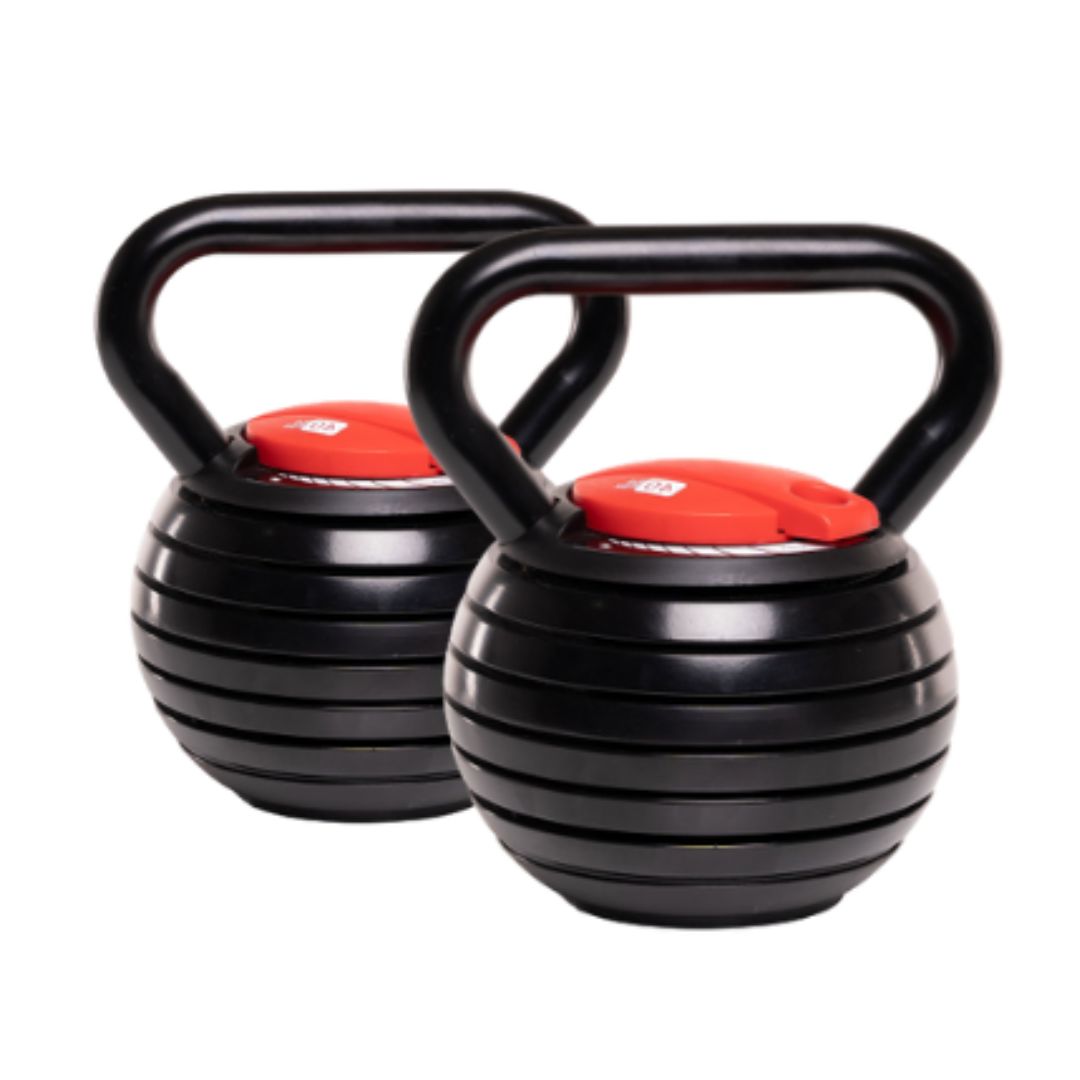 Haltères russes réglables - Unité et Paire
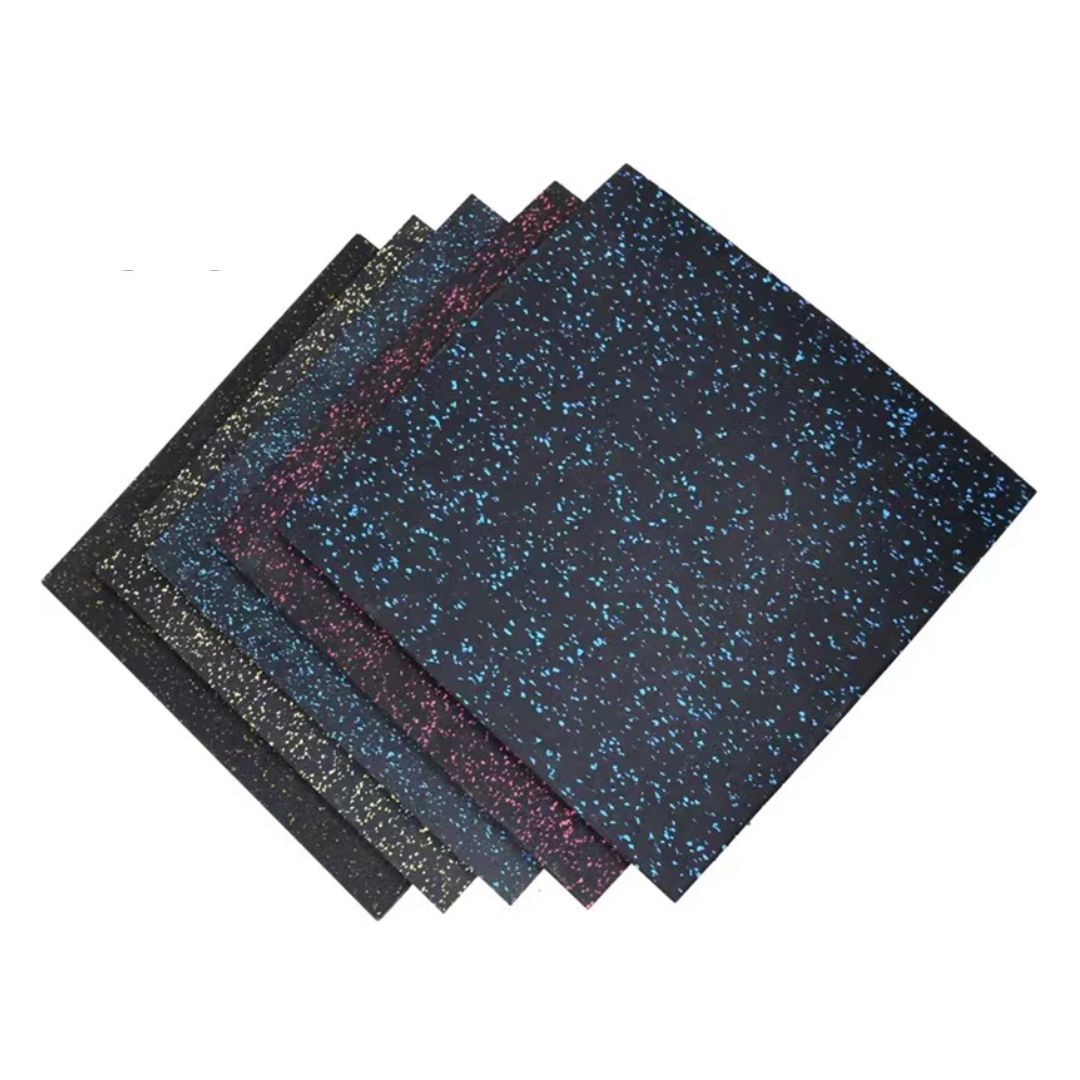 Tapis de sol
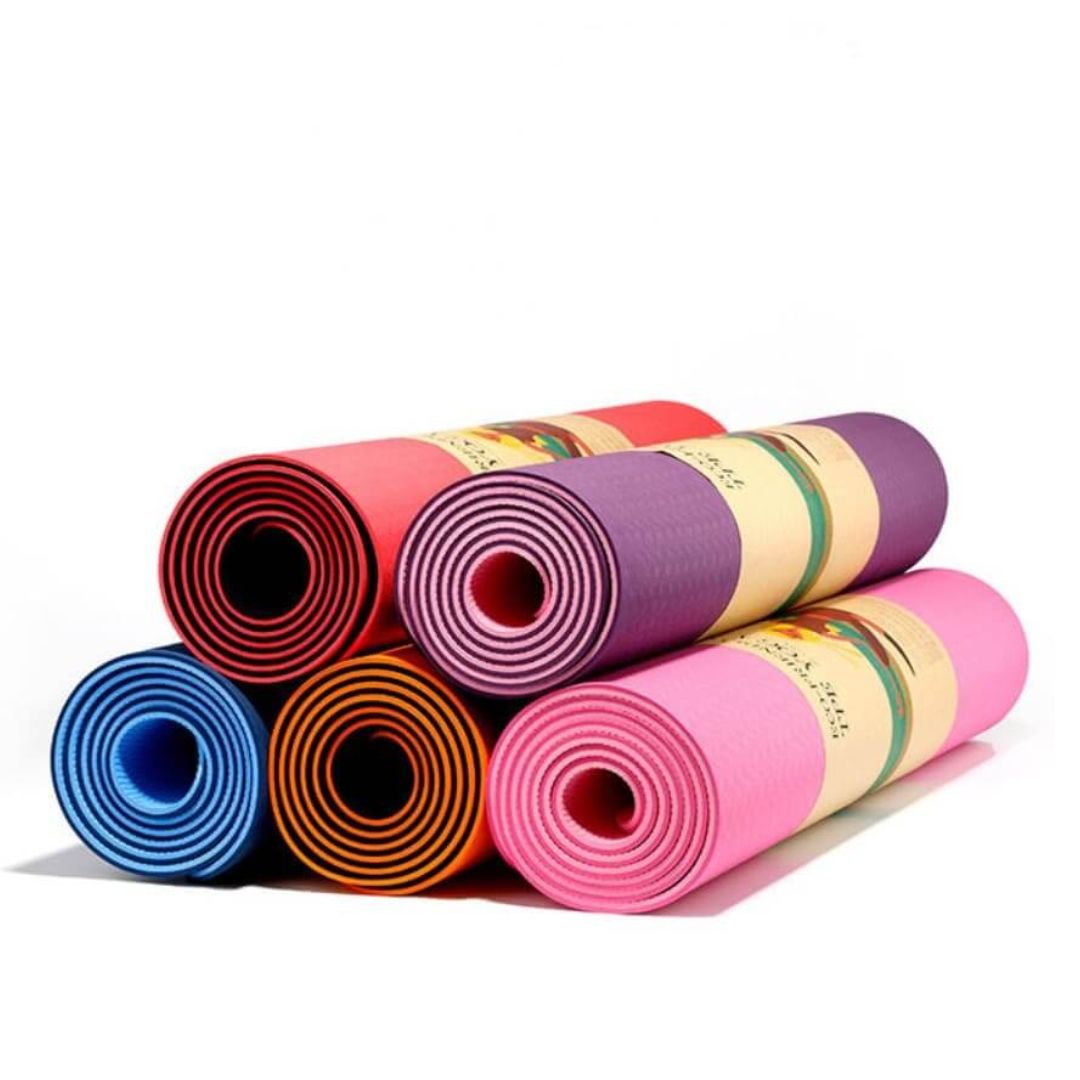 Yoga
Yoga
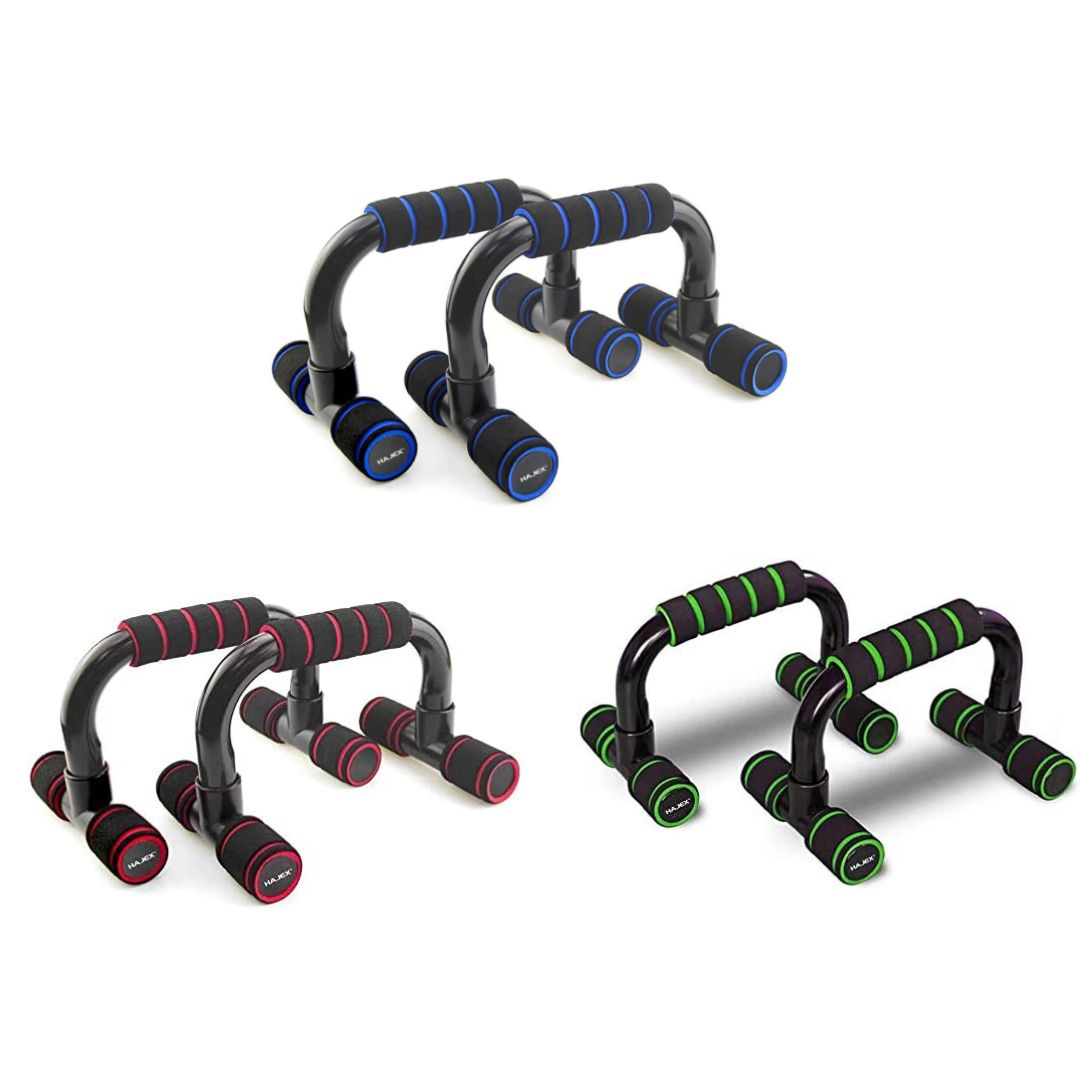 Pompe
Pompe
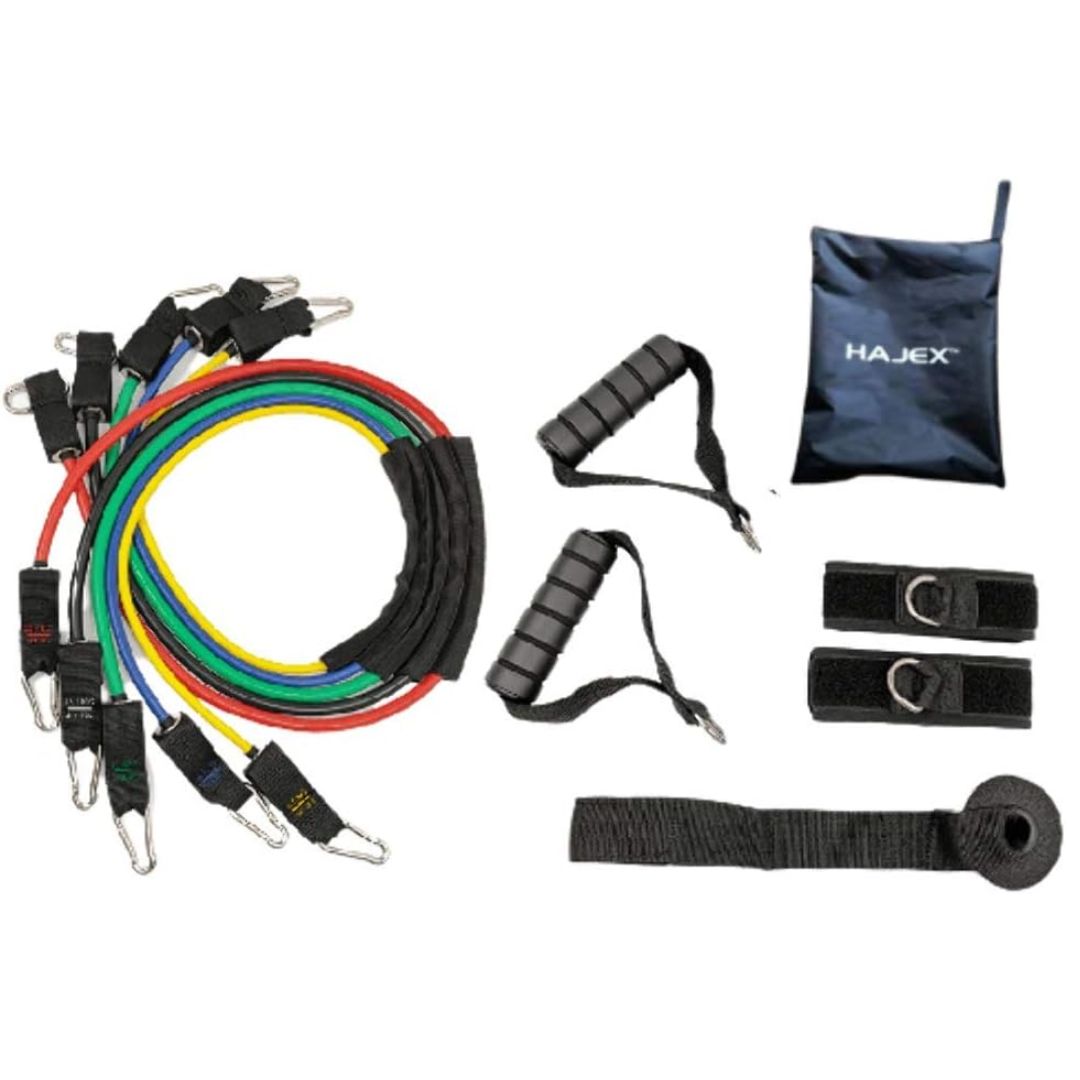 Bandes de résistance
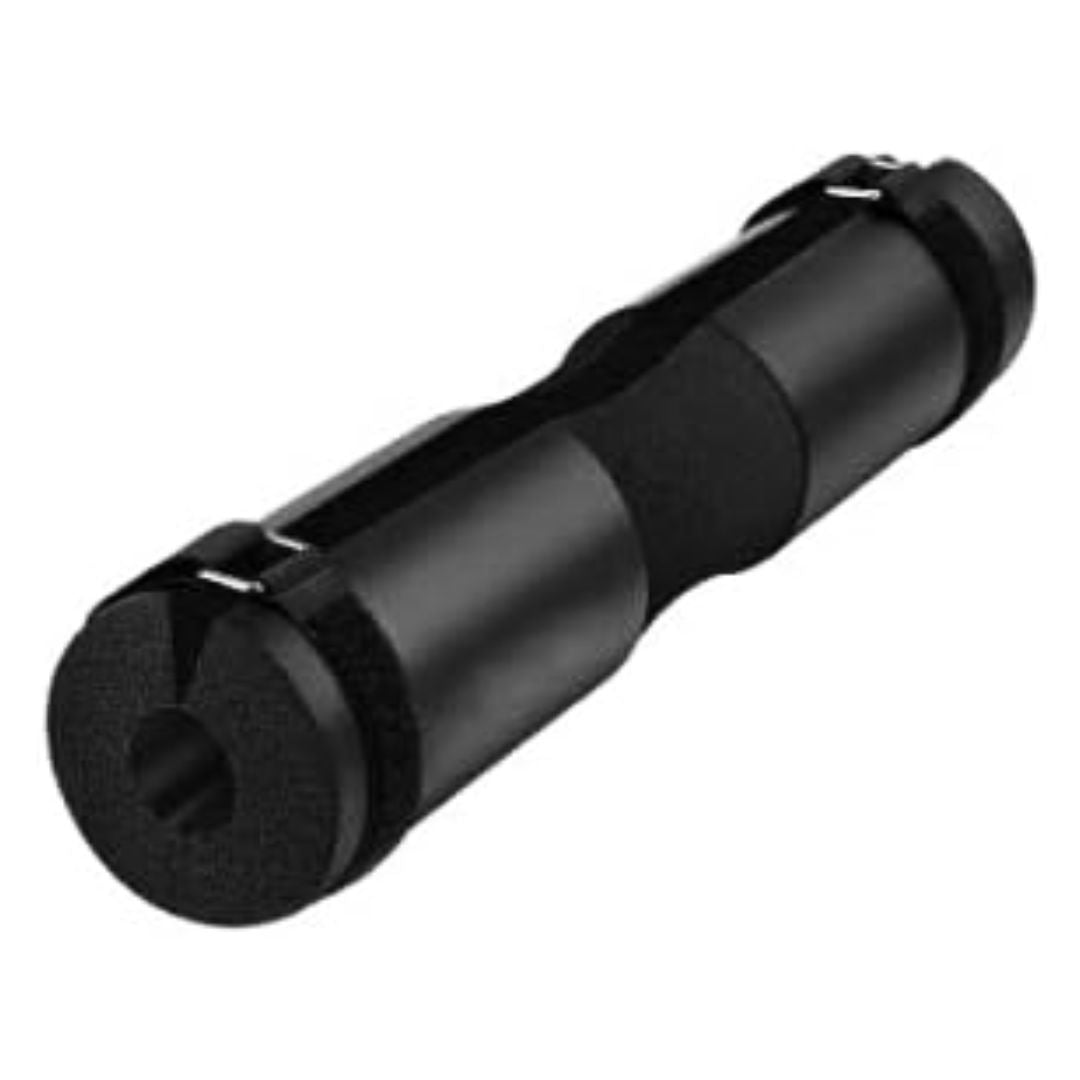 Protections de barre
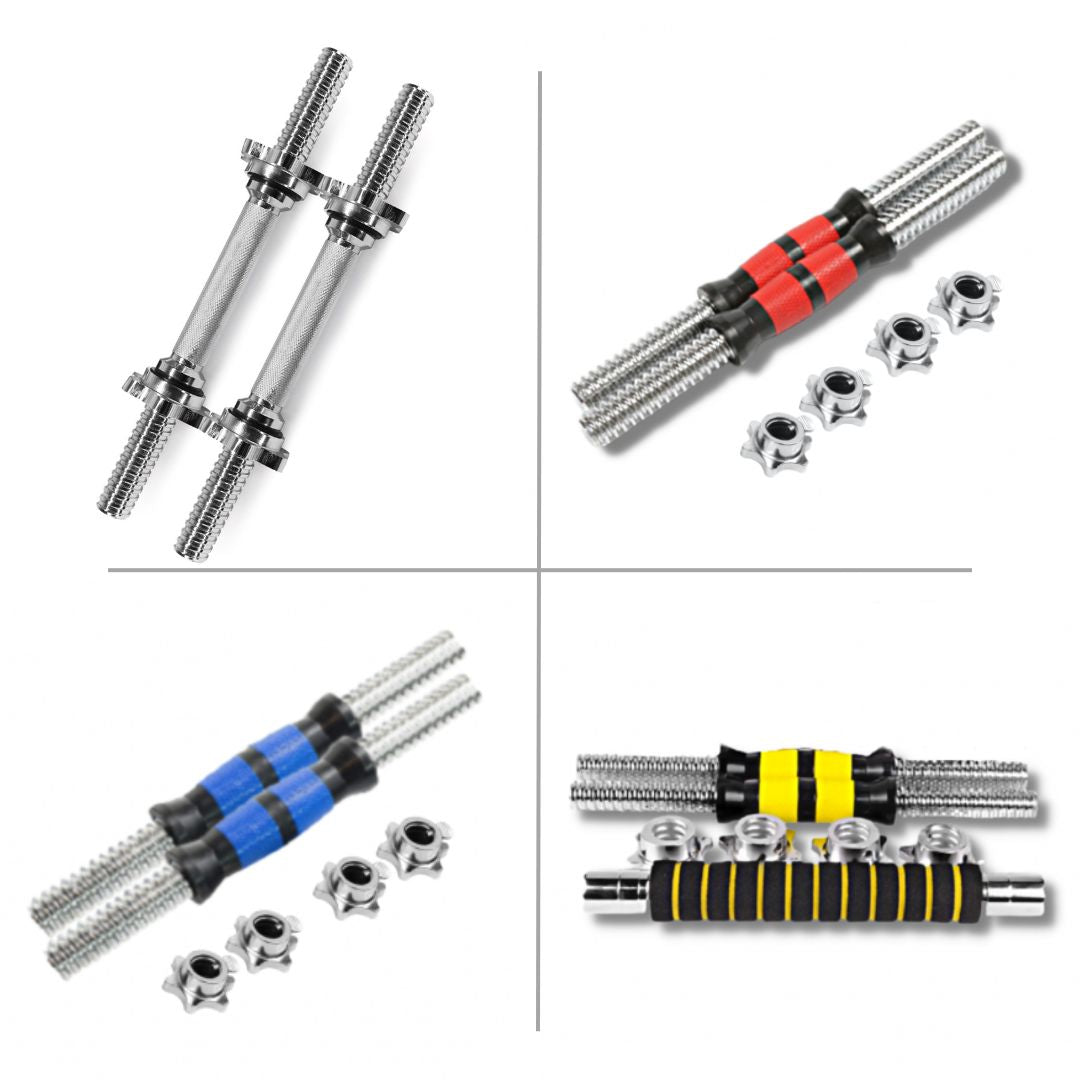 Poignées d'haltères
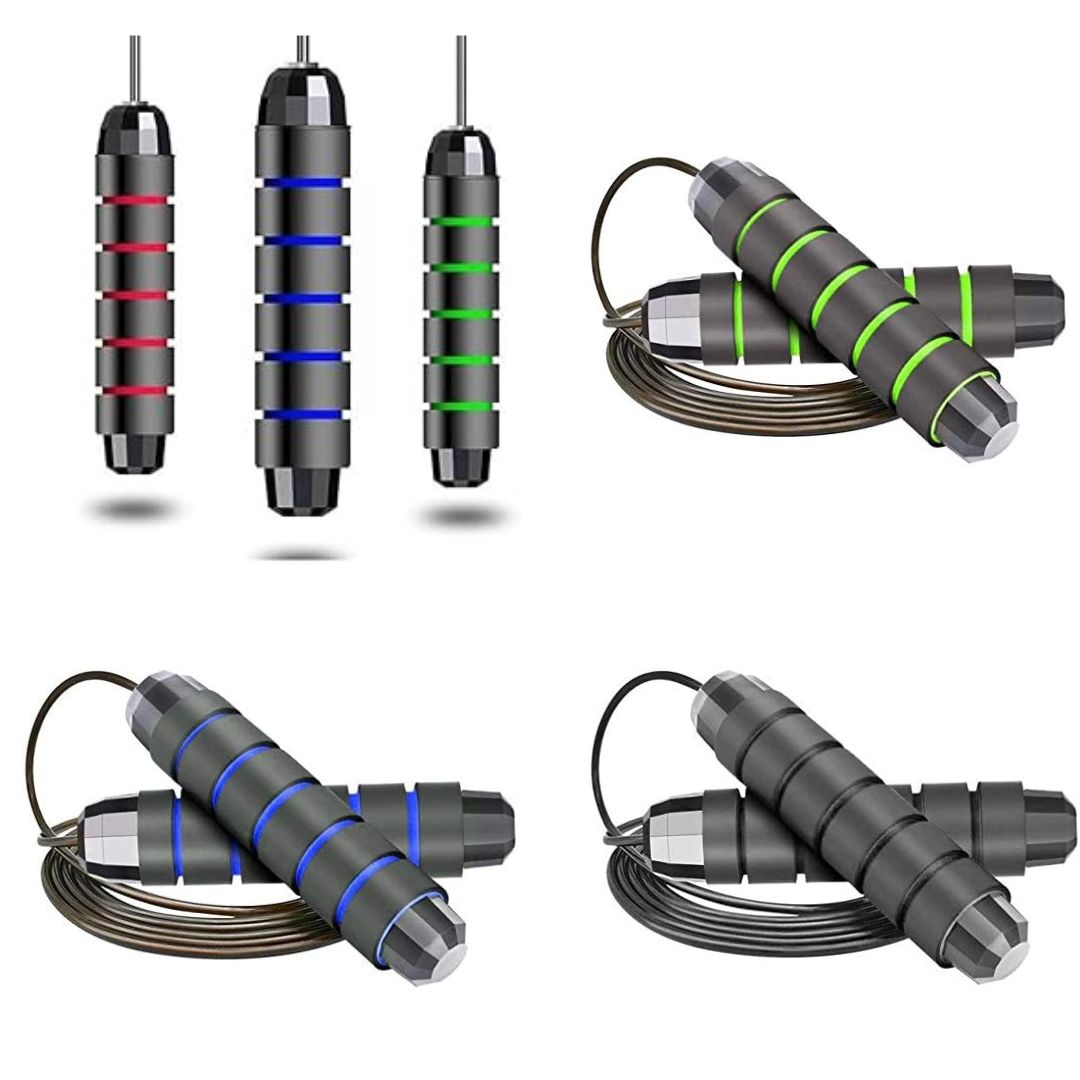 Cordes à sauter


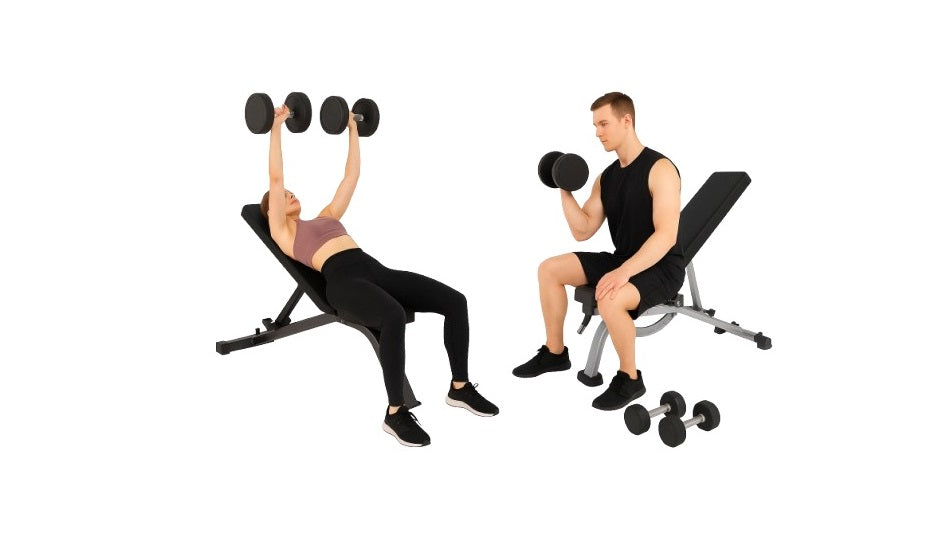
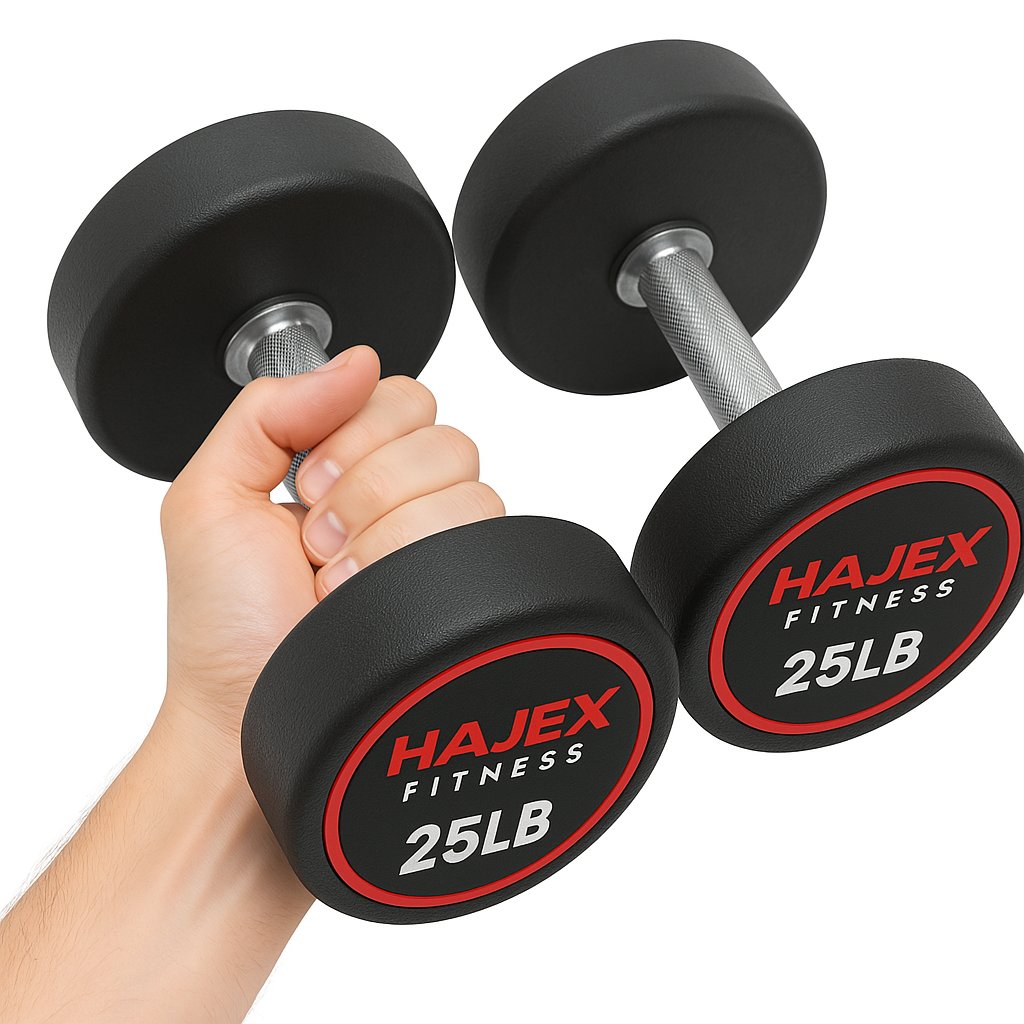
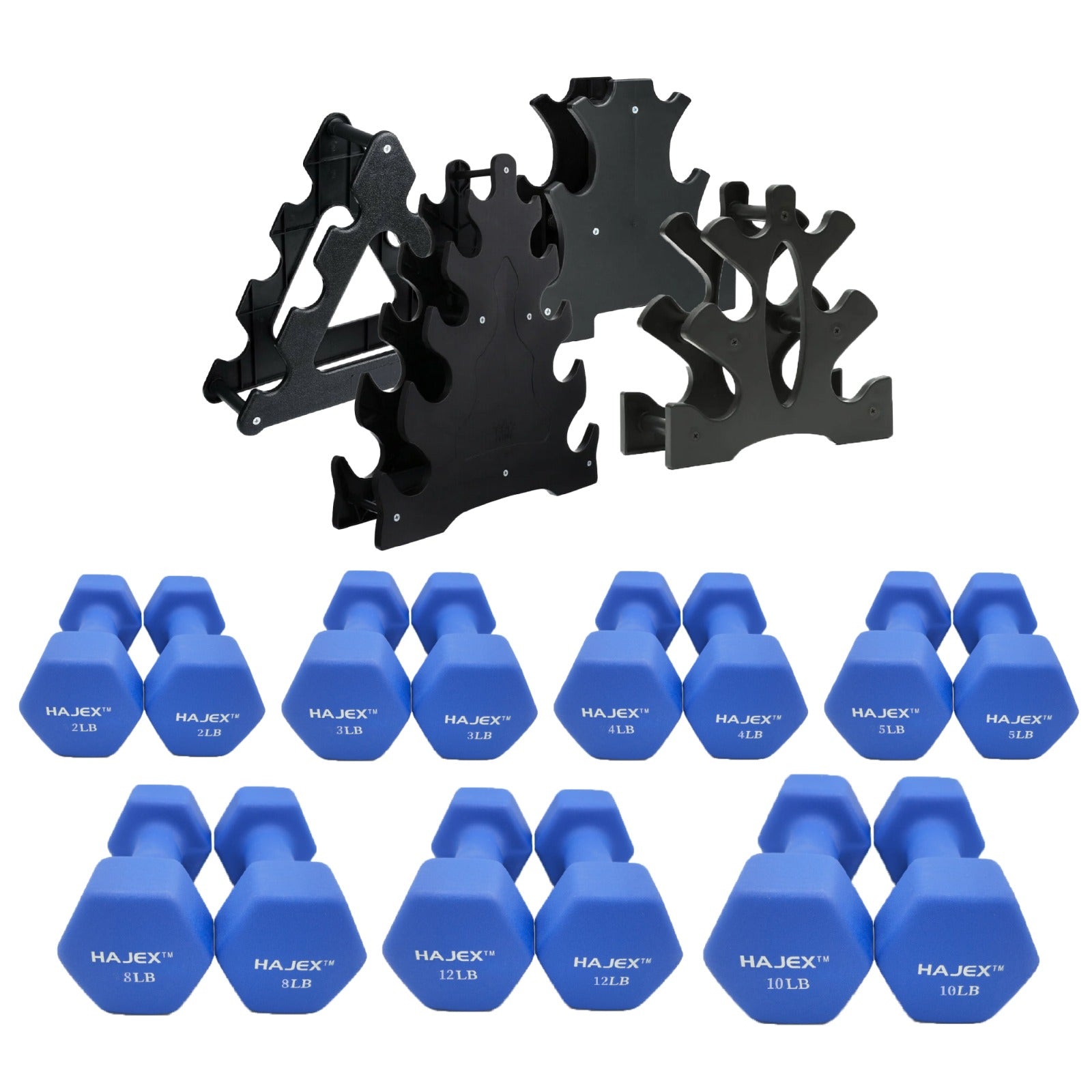
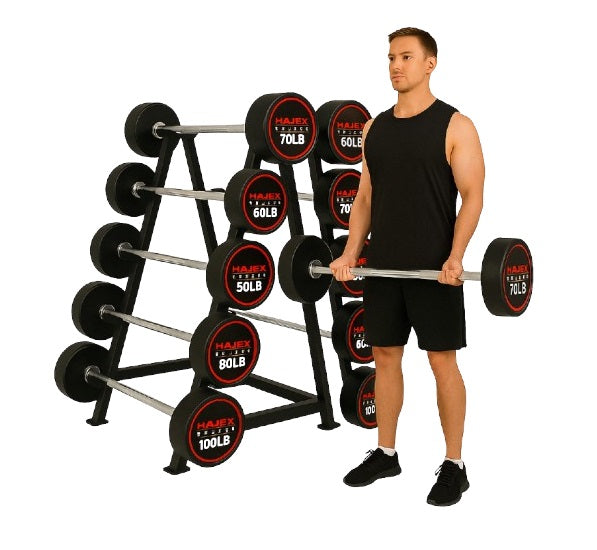

Haltères réglables ou fixes : lesquels vous font réellement économiser de l'argent (et de l'espace) ?
Chaque gym à domicile finit par se poser la même question : faut-il acheter une paire d'haltères réglables qui remplace tout un rack, ou construire un ensemble d'haltères hexagonaux fixes comme le font les salles de sport commerciales ? Les deux réponses sont bonnes, mais pour des personnes différentes. Voici comment déterminer celle qui vous convient.
Le compromis essentiel
Les haltères réglables regroupent une gamme entière de poids en une seule paire. Une molette ou une goupille modifie la charge en quelques secondes, et l'ensemble du système tient sur une surface de la taille d'un paillasson. Les haltères fixes ont un poids unique pour toujours — simples, indestructibles et instantanément prêts. Aucun mécanisme, aucun ajustement, aucune attente.
Le calcul financier (chiffres réels)
Évaluons une gamme typique — de 5 à 50 lb par paires :
- Option haltères hexagonaux en caoutchouc fixes : à environ 1 $ par livre, un ensemble de paires de 5 à 50 lb (5, 10, 15, 20, 25, 30, 35, 40, 45, 50) coûte environ 550 $ — plus un rack de rangement à partir de 65 $.
- Option haltères réglables : une paire réglable de style NUO (50 lb chacun) coûte 375 $, ou 450 $ avec le support — couvrant presque la même gamme en un seul achat.
- Option haltères réglables économiques : un ensemble d'haltères réglables en fonte commence à 79,95 $ pour 20 kg — le moyen le moins cher d'obtenir un poids variable, si vous ne craignez pas de changer les colliers entre les séries.
En termes de coût pur, les réglables l'emportent. Mais les haltères fixes ne s'usent jamais, ne se cassent jamais et conservent leur valeur de revente — les salles de sport commerciales achètent des haltères hexagonaux pour une raison. Si vous vous entraînez pendant plus de 10 ans, le calcul converge.
Le calcul de l'espace
C'est là que les réglables sont imbattables. Un ensemble fixe complet de 5 à 50 lb avec un rack nécessite environ 1,2 mètre de mur. Une paire réglable avec un support nécessite 0,2 mètre carré. Si vous vous entraînez dans un condo, un appartement ou un garage partagé, cette différence est décisive.
Le test du style d'entraînement
Voici la partie que la plupart des guides d'achat oublient. Posez-vous ces trois questions :
1. Faites-vous des drop sets ou des supersets ?
Avec les haltères fixes, vous prenez la paire suivante instantanément. Avec les réglables, vous ajustez le cadran entre les séries — c'est bien pour les séries droites, mais agaçant pour les techniques de haute intensité. Si votre programme repose sur les drop sets, les fixes l'emportent.
2. Laissez-vous tomber vos haltères ?
Soyez honnête. Les haltères hexagonaux en caoutchouc résistent aux chutes ; c'est à cela que sert le caoutchouc. La plupart des mécanismes réglables n'apprécient pas d'être lâchés après un blocage. Les personnes qui soulèvent lourd et celles qui s'entraînent jusqu'à l'échec devraient en tenir compte.
3. Plus d'une personne s'entraînera-t-elle à la fois ?
Une paire réglable = une personne qui s'entraîne. Un ensemble fixe vous permet, à vous et à un partenaire, de vous entraîner simultanément. Une salle de sport familiale ? Un ensemble fixe ou deux paires réglables.
La recommandation honnête
- Petit espace, entraînement seul, séries droites : réglables — la paire de style NUO avec support est la configuration la plus propre.
- Salle de sport de garage, drop sets, plusieurs utilisateurs, ou si vous voulez du matériel qui vous survivra : haltères hexagonaux en caoutchouc fixes, achetés en ensemble avec un rack.
- Budget serré, débutant : l'ensemble réglable en fonte à 79,95 $ vous permet de vous entraîner dès aujourd'hui ; améliorez plus tard lorsque les poids commenceront à sembler légers.
Un hybride populaire : achetez des paires hexagonales fixes pour vos poids les plus utilisés (ceux que vous prendriez pour les rangées, les presses et les fentes) et une paire réglable pour couvrir tout le reste. Vous obtenez de la vitesse là où c'est important et de la portée là où ça ne l'est pas.
En résumé
Les haltères réglables économisent de l'espace et de l'argent initial. Les haltères hexagonaux fixes économisent du temps pendant l'entraînement et durent des décennies. Aucun n'est mauvais — mais maintenant vous savez lequel correspond à la façon dont vous vous entraînez réellement.
Découvrez la gamme complète d'haltères HAJEX — haltères hexagonaux en caoutchouc de 2,5 à 150 lb, haltères réglables de style NUO, et racks de rangement — tous expédiés partout au Canada.


