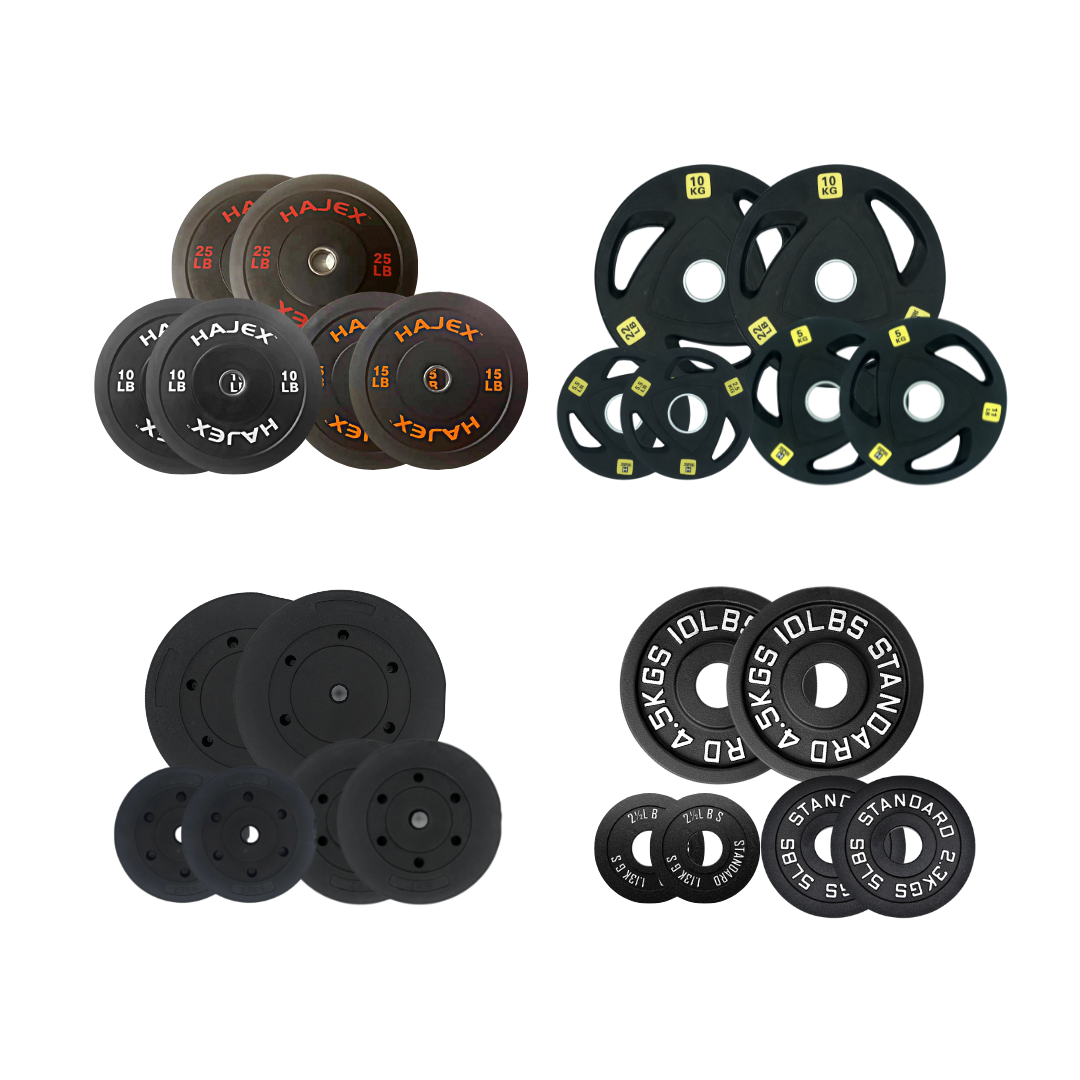
 DISQUES DE POIDS
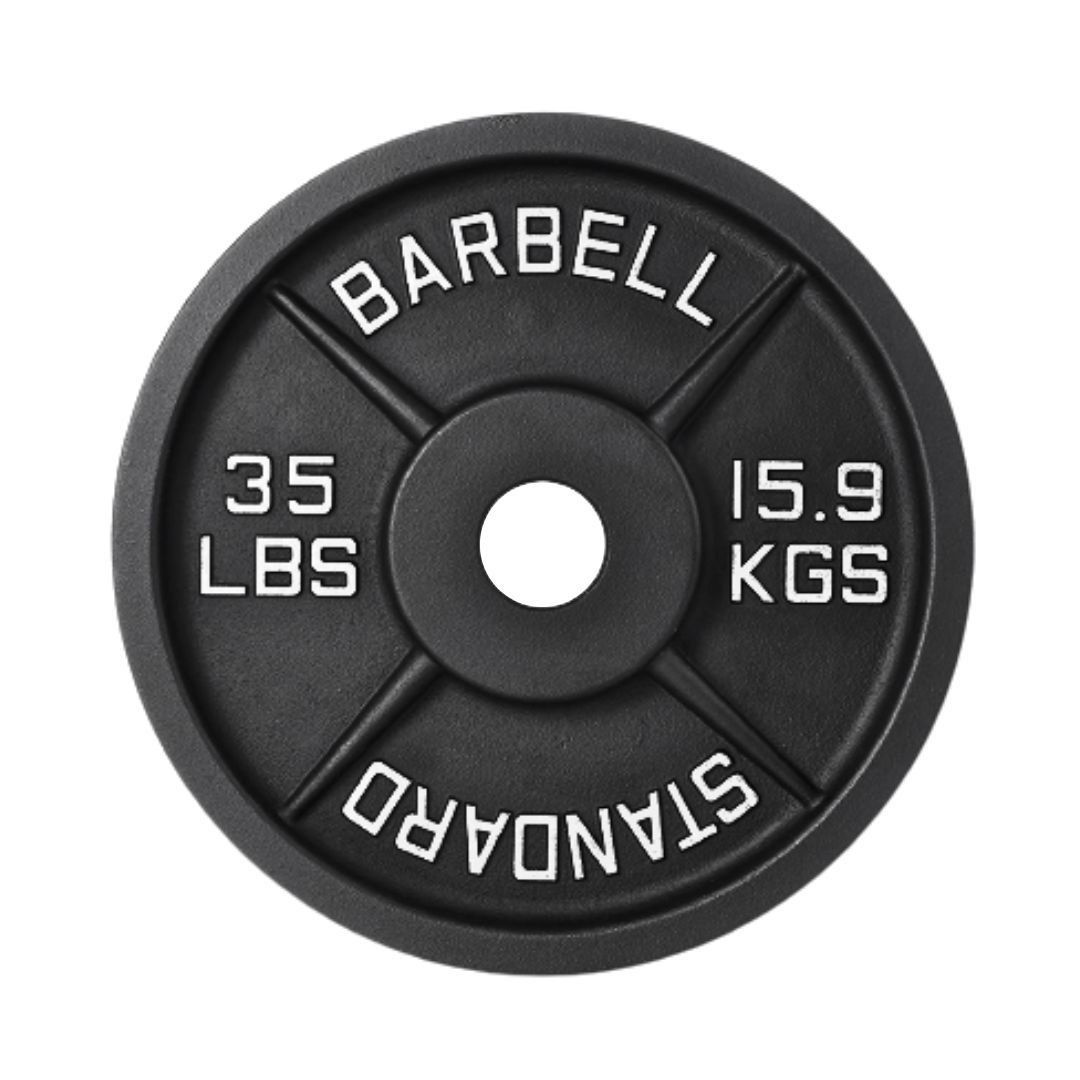 Plaques olympiques en fonte
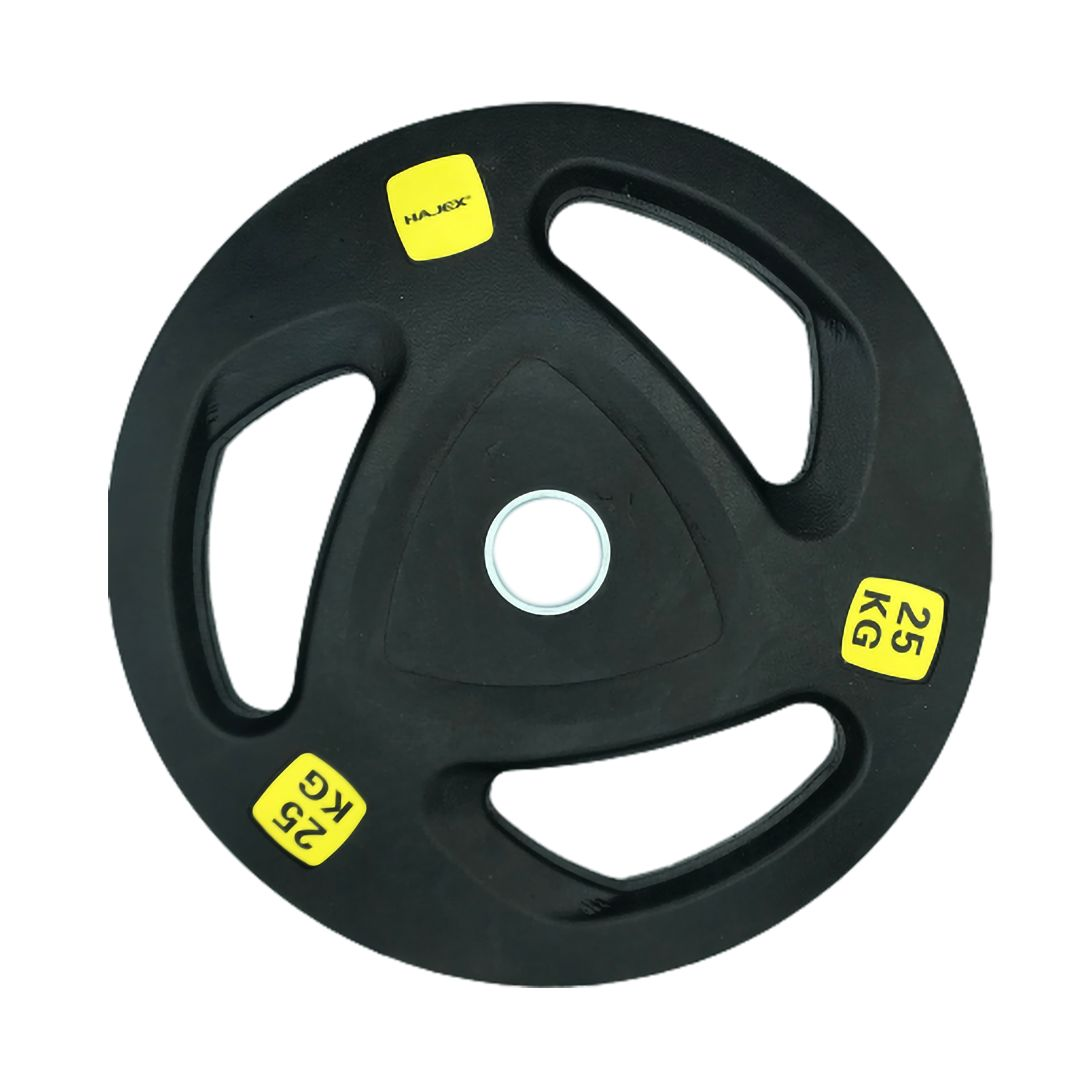 Plaques de poids olympiques en caoutchouc
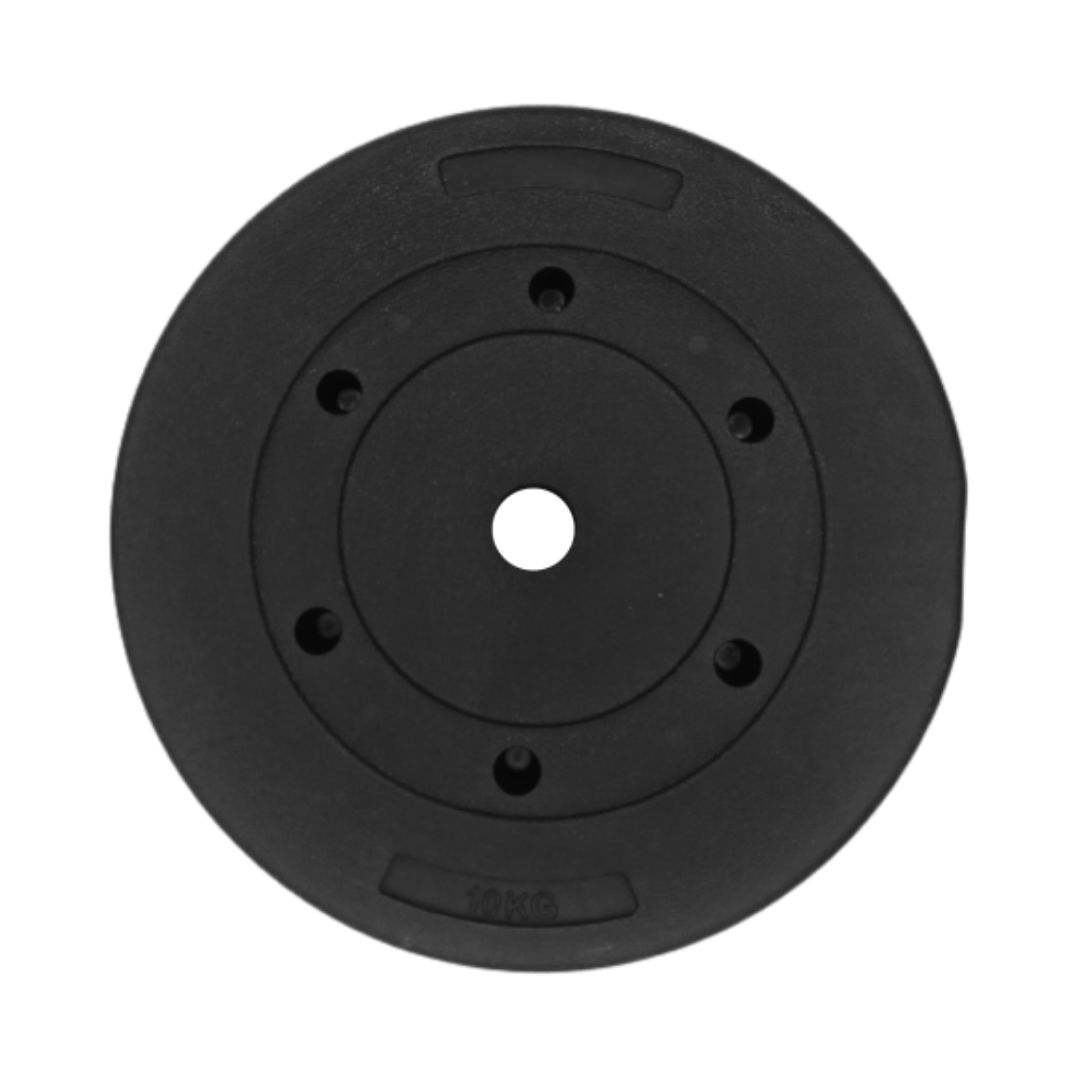 Plaques de poids en PVC
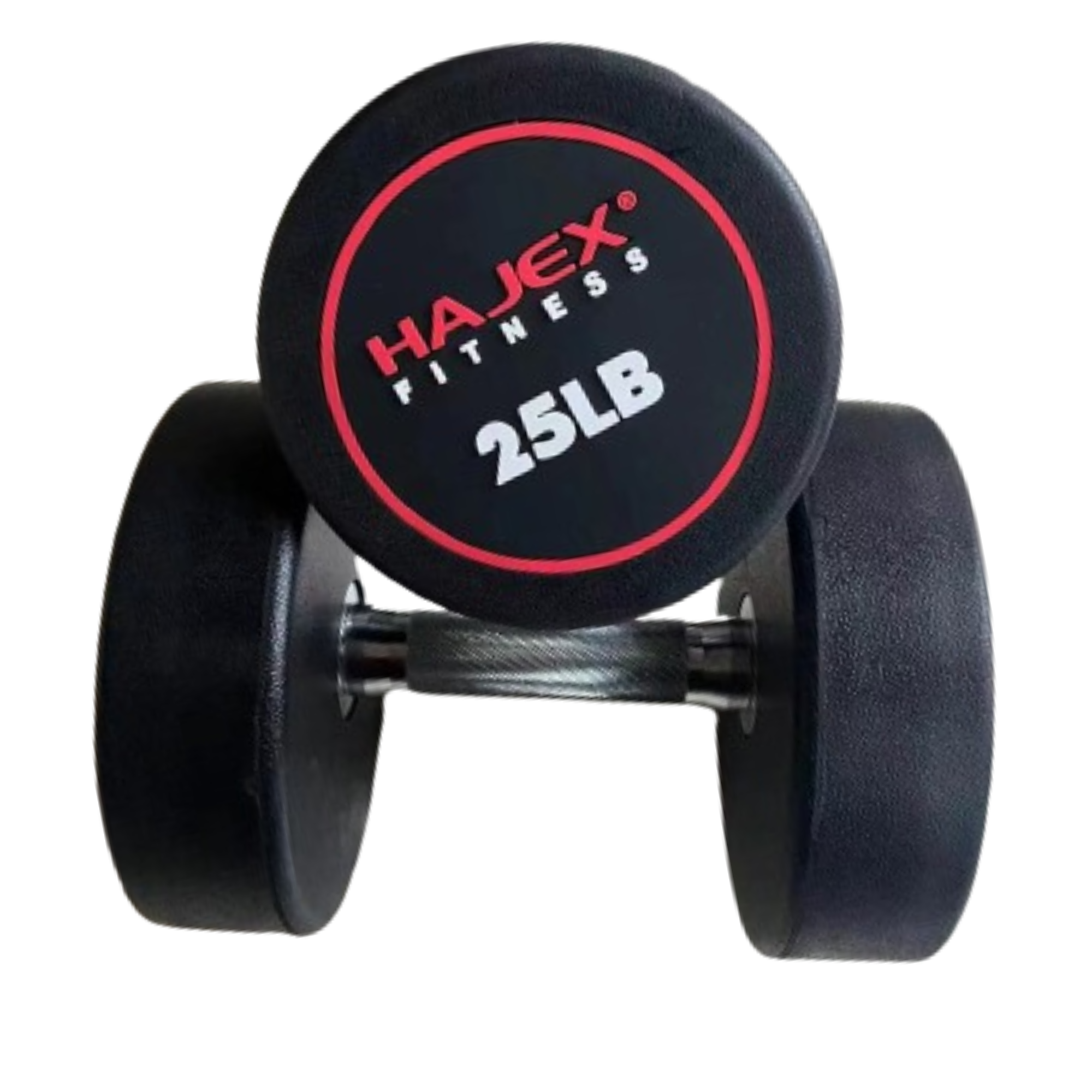 HALTÈRES
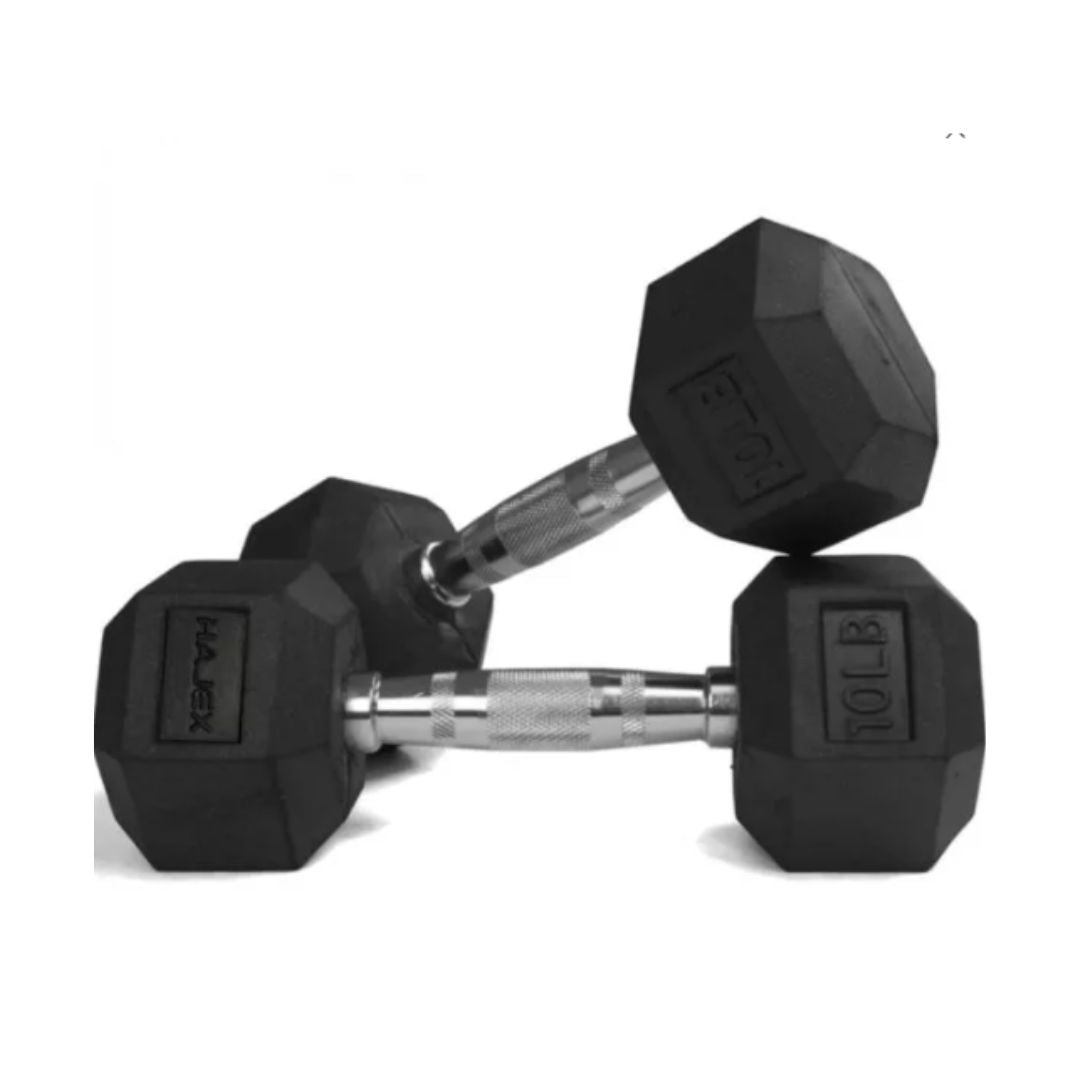 Haltères hexagonaux en caoutchouc
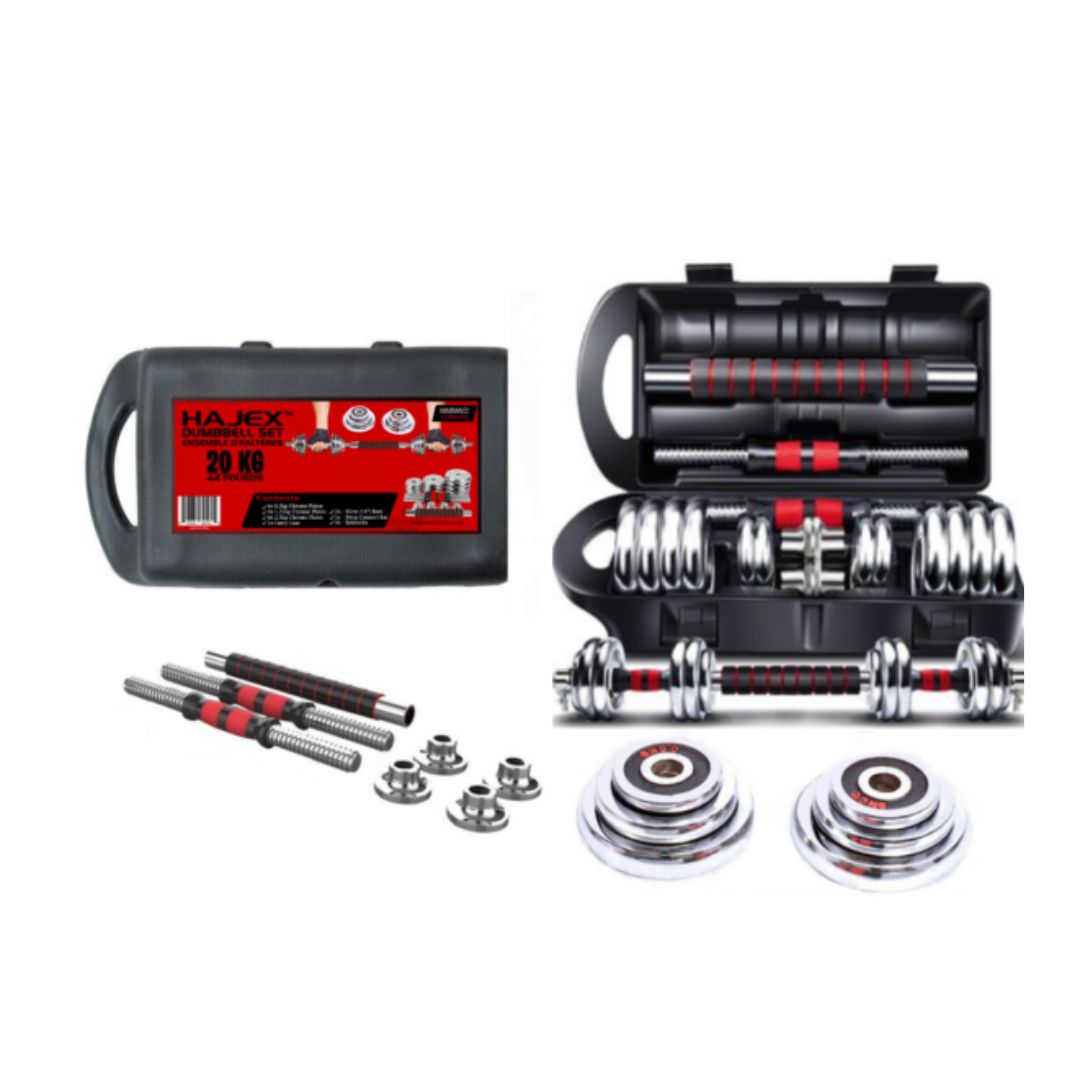 Haltères réglables en fonte
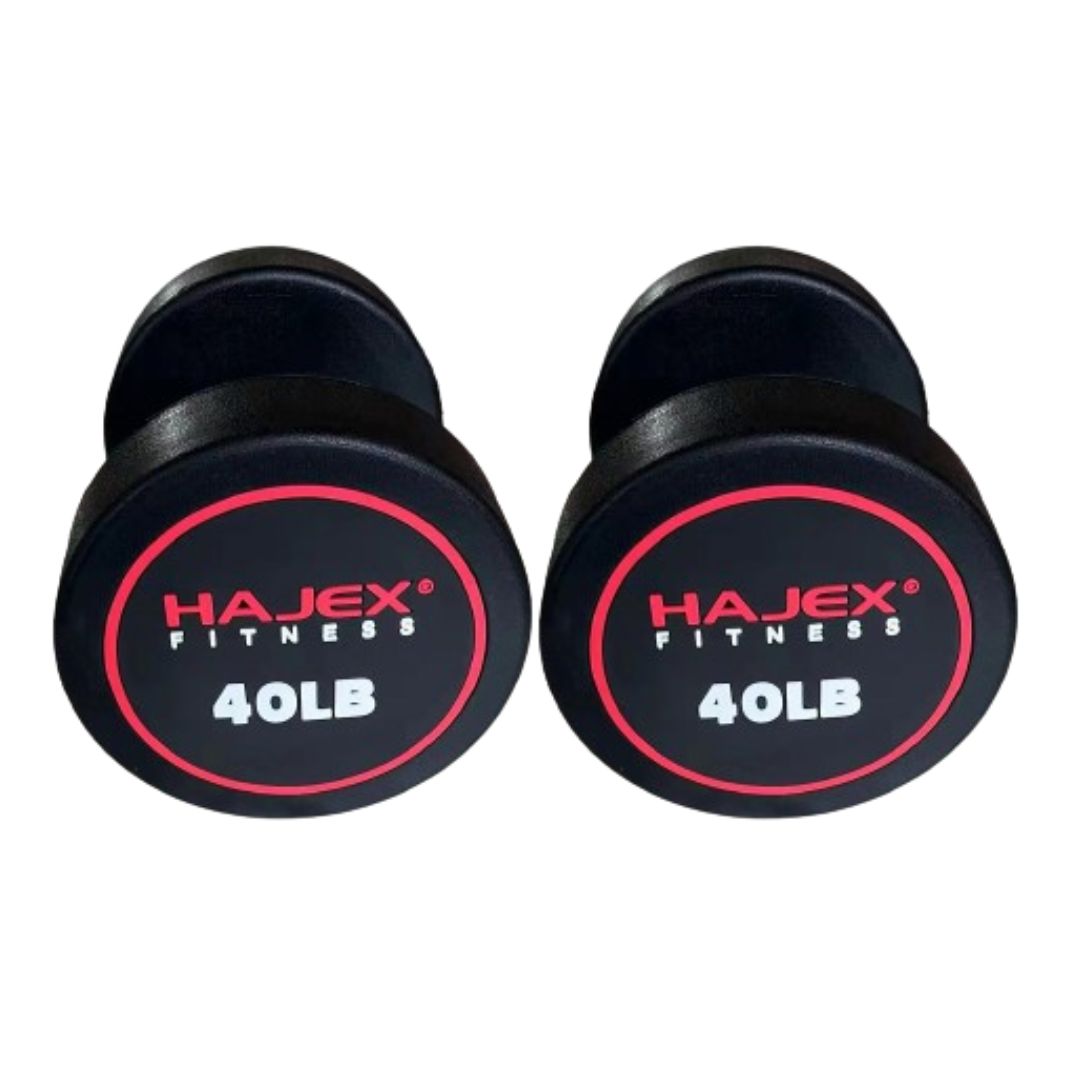 Haltères à tête ronde
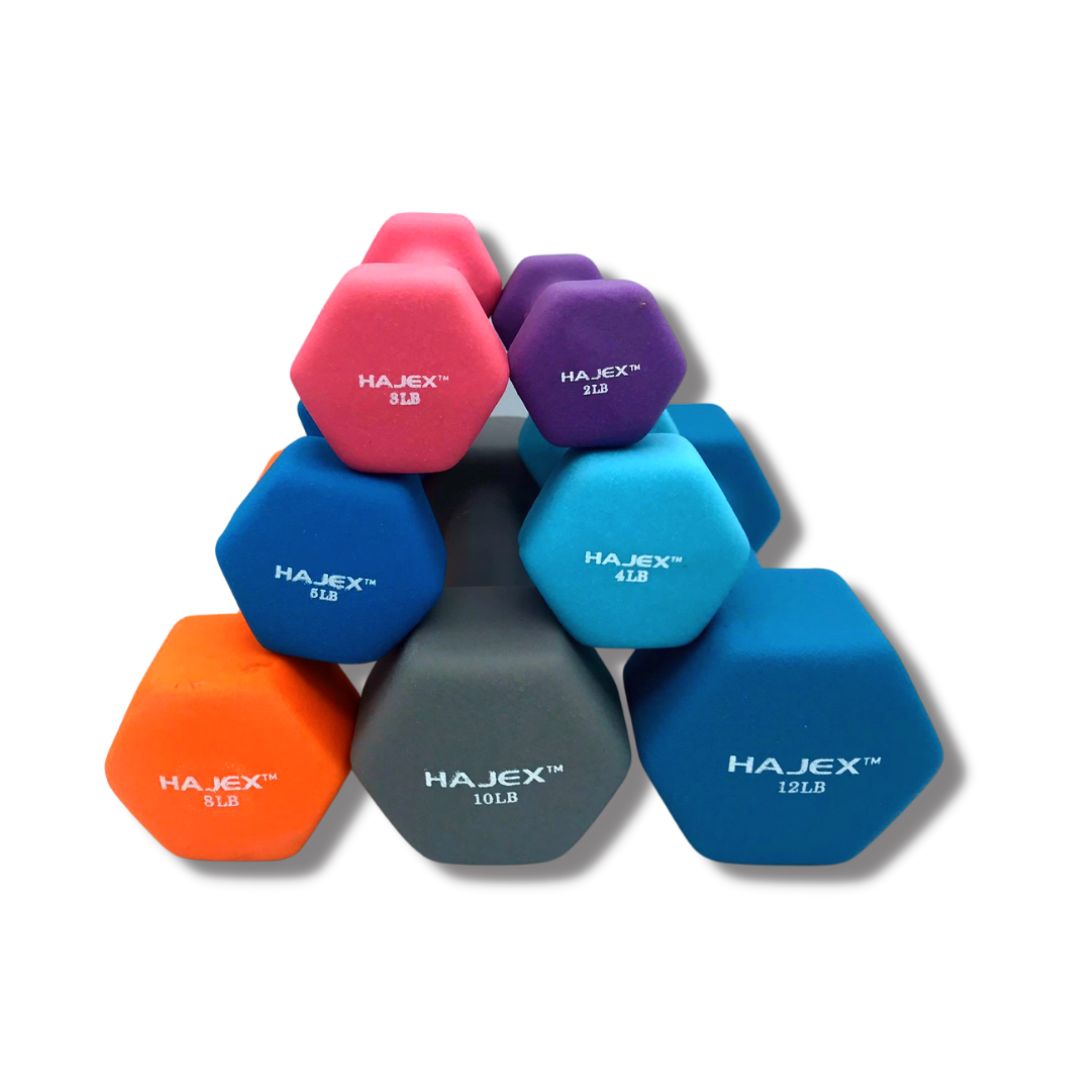 Haltères en néoprène
 BANCS
BANCS
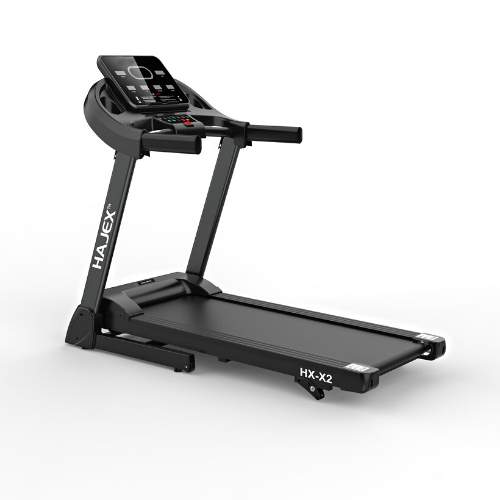 CARDIO
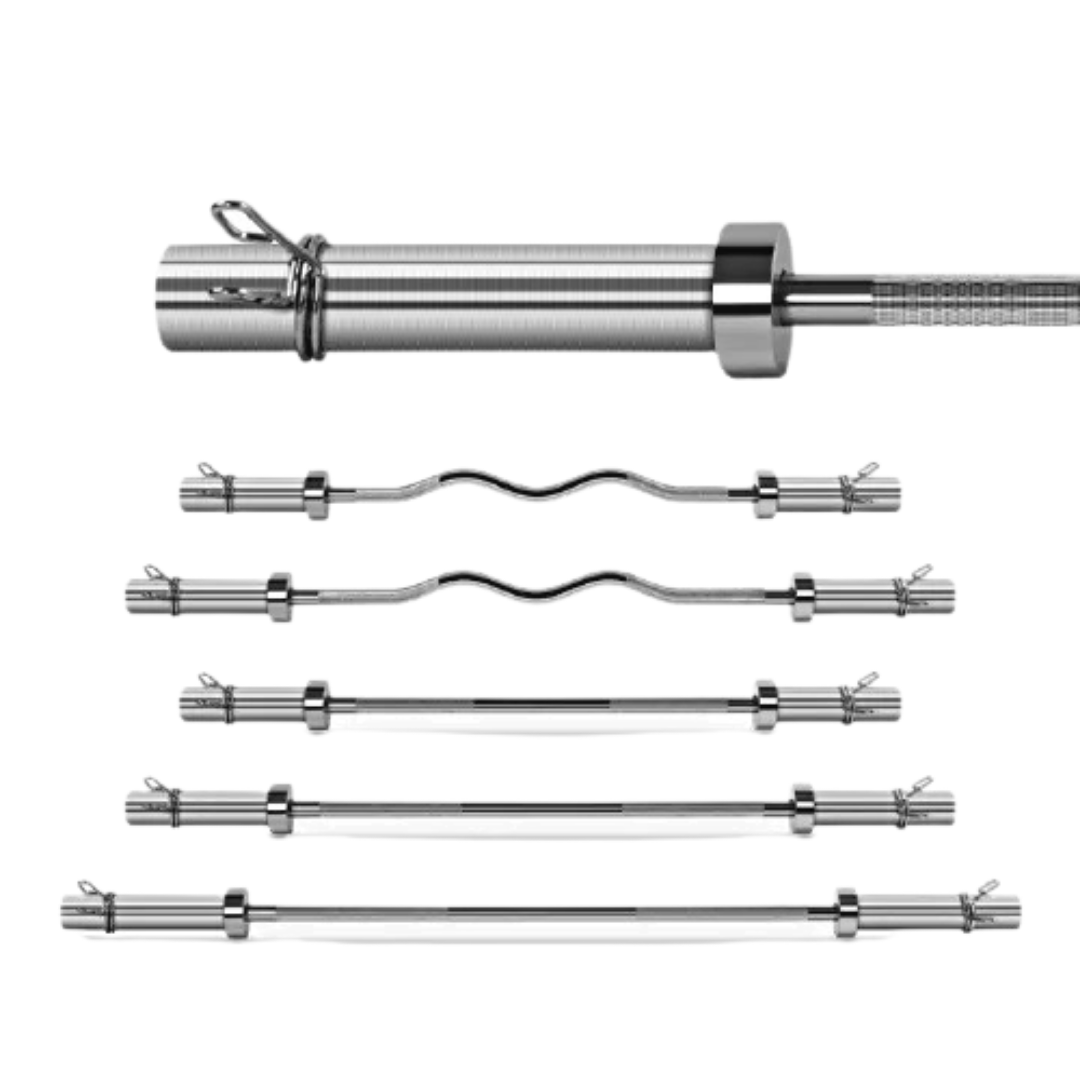 BARRES D'HALTÈRES
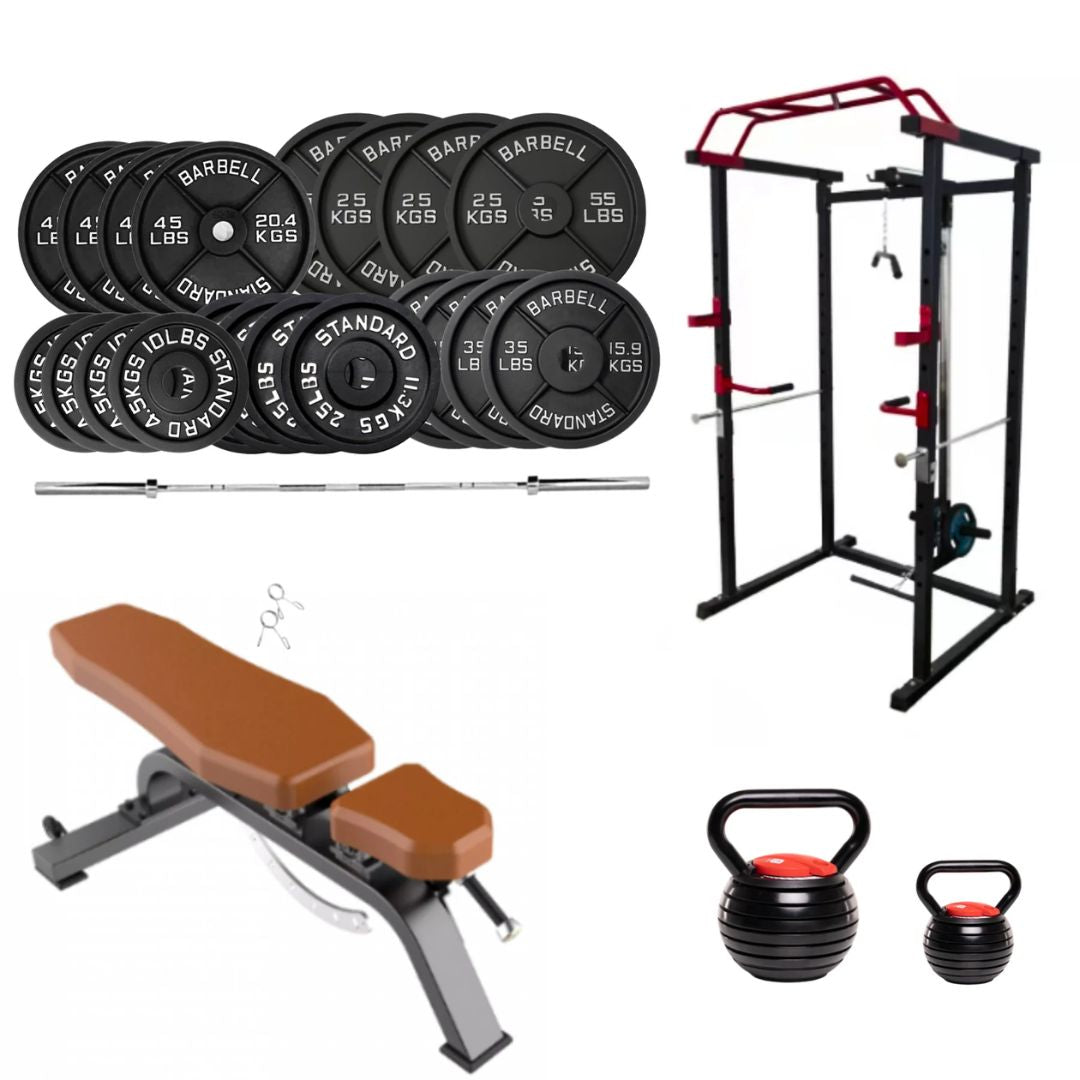 Offres sur les équipements de gym à domicile
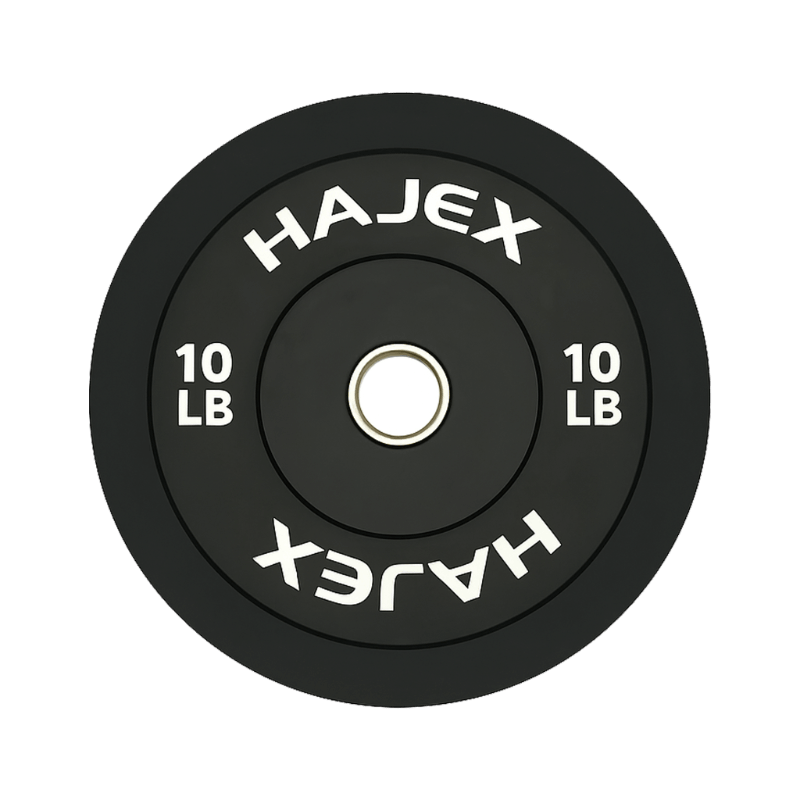 Plaques de pare-chocs olympiques
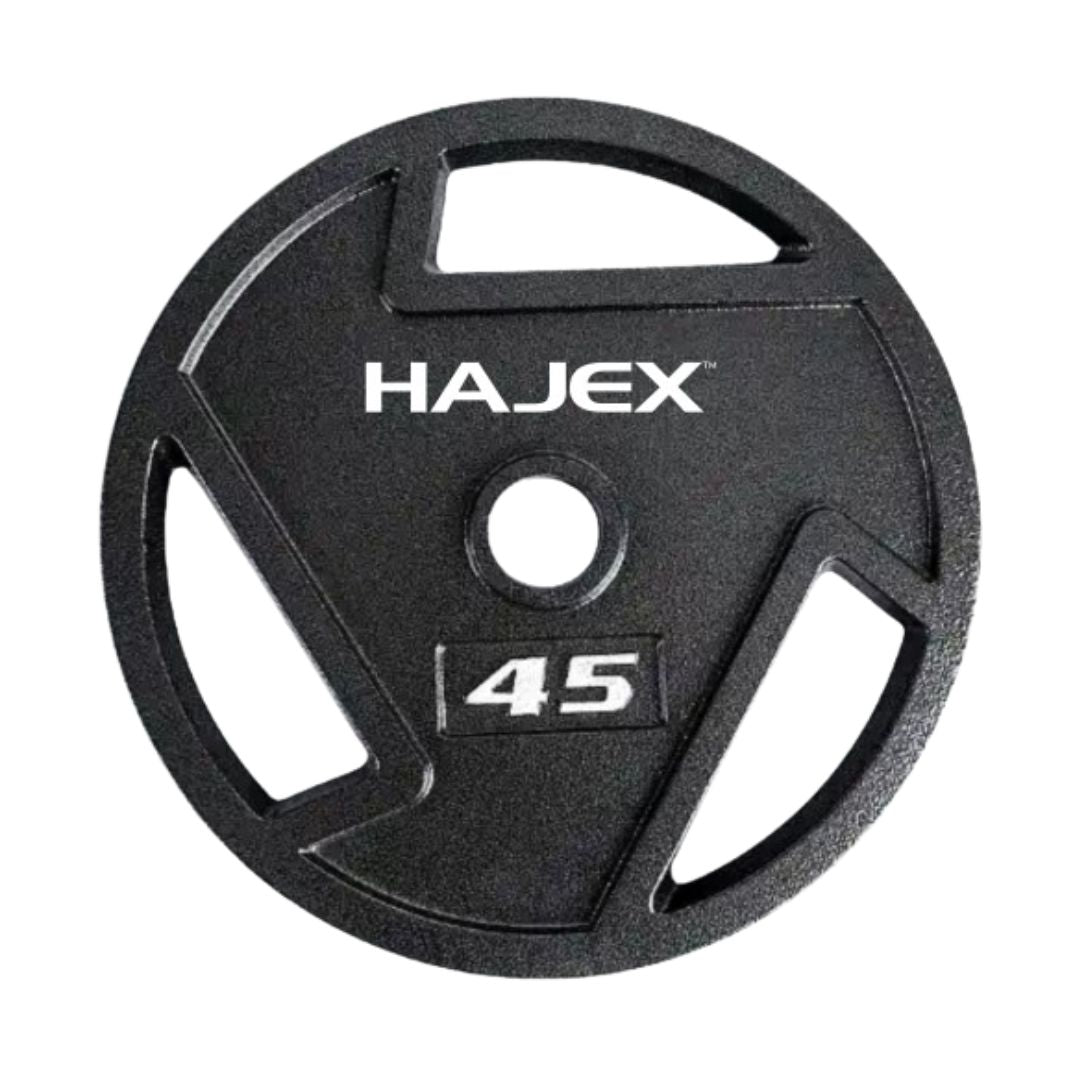 Disques Tri-Grip
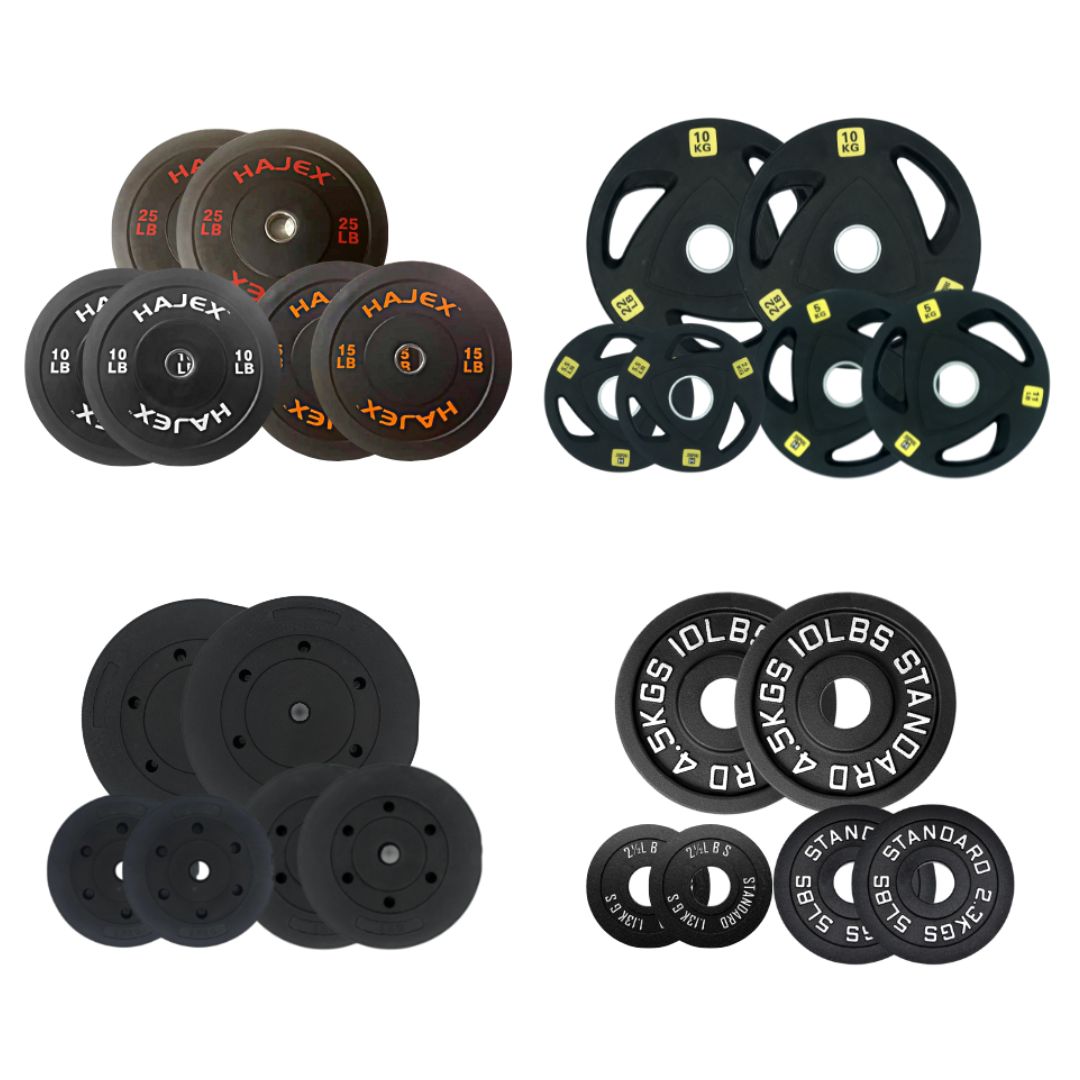 Ensemble de disques de poids
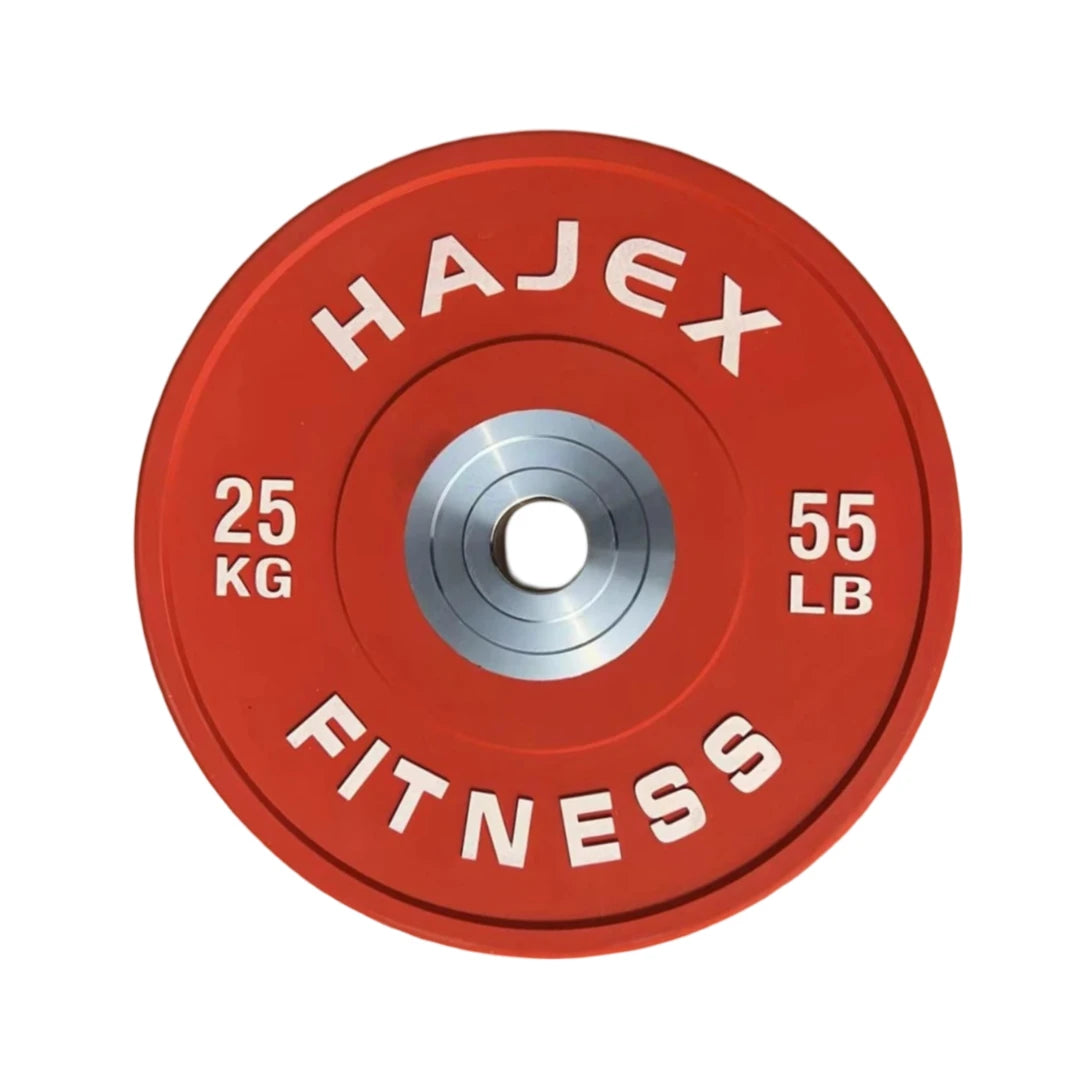 Plaques de pare-chocs Olympic Steel Hub
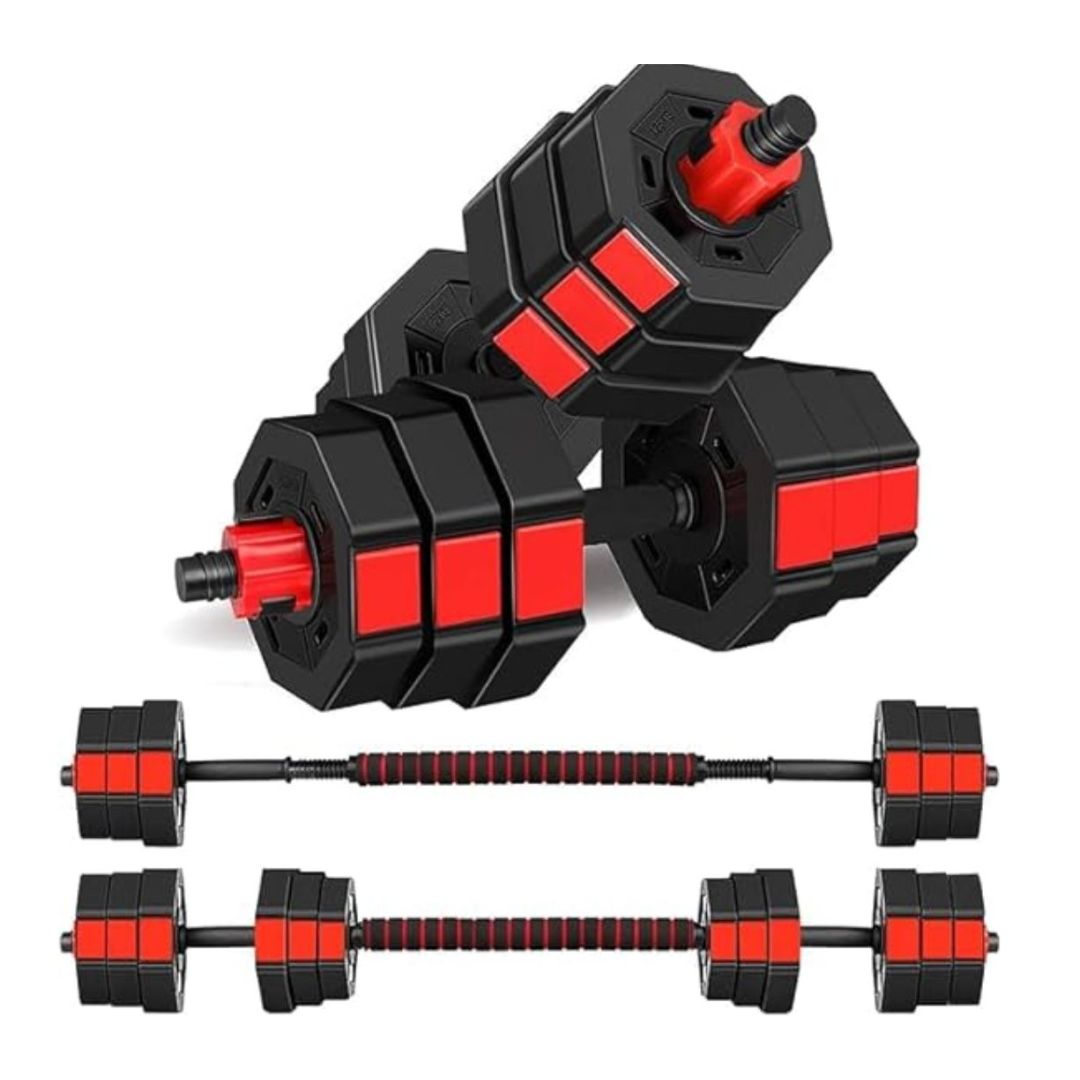 Haltères en PVC
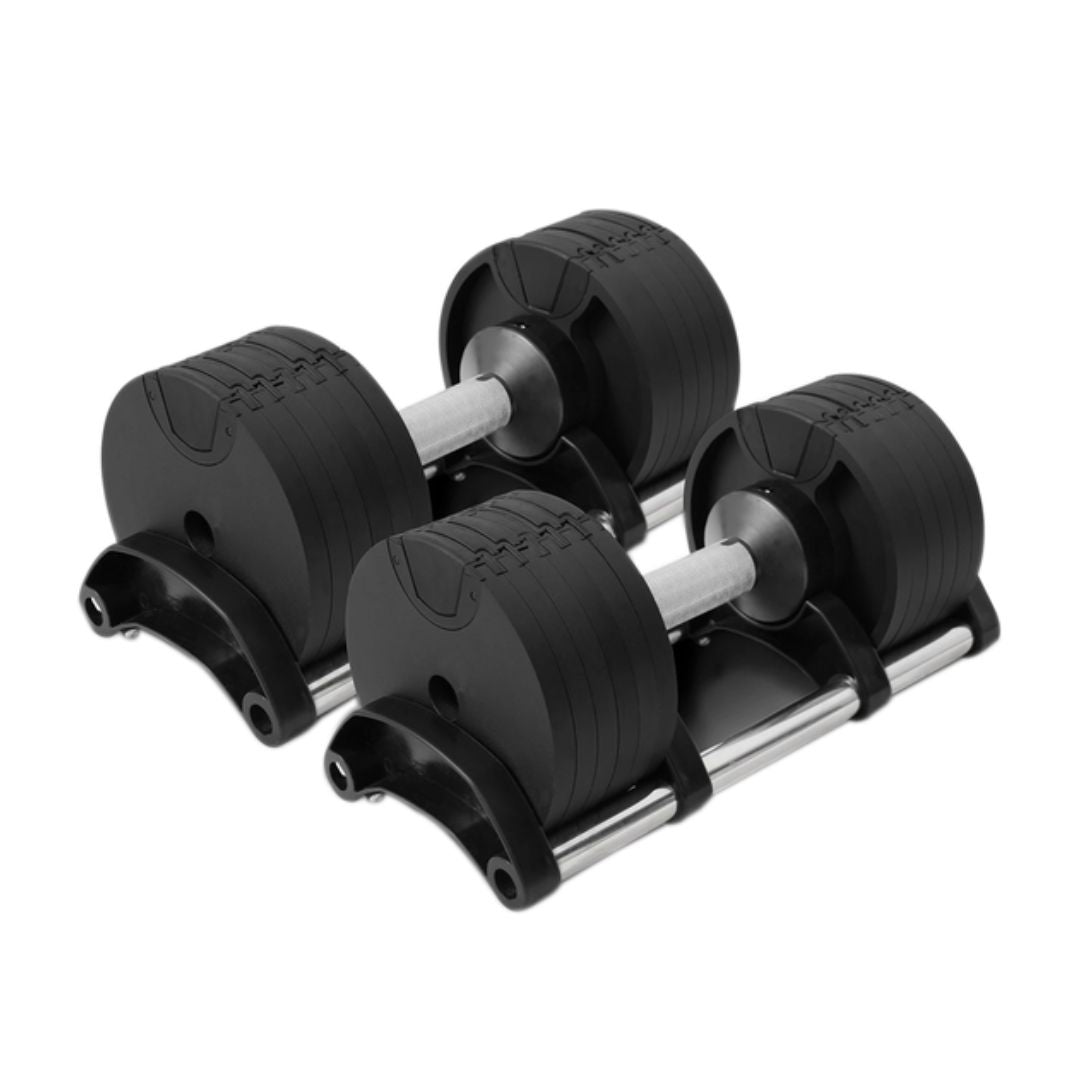 Haltères ajustables NUO Style
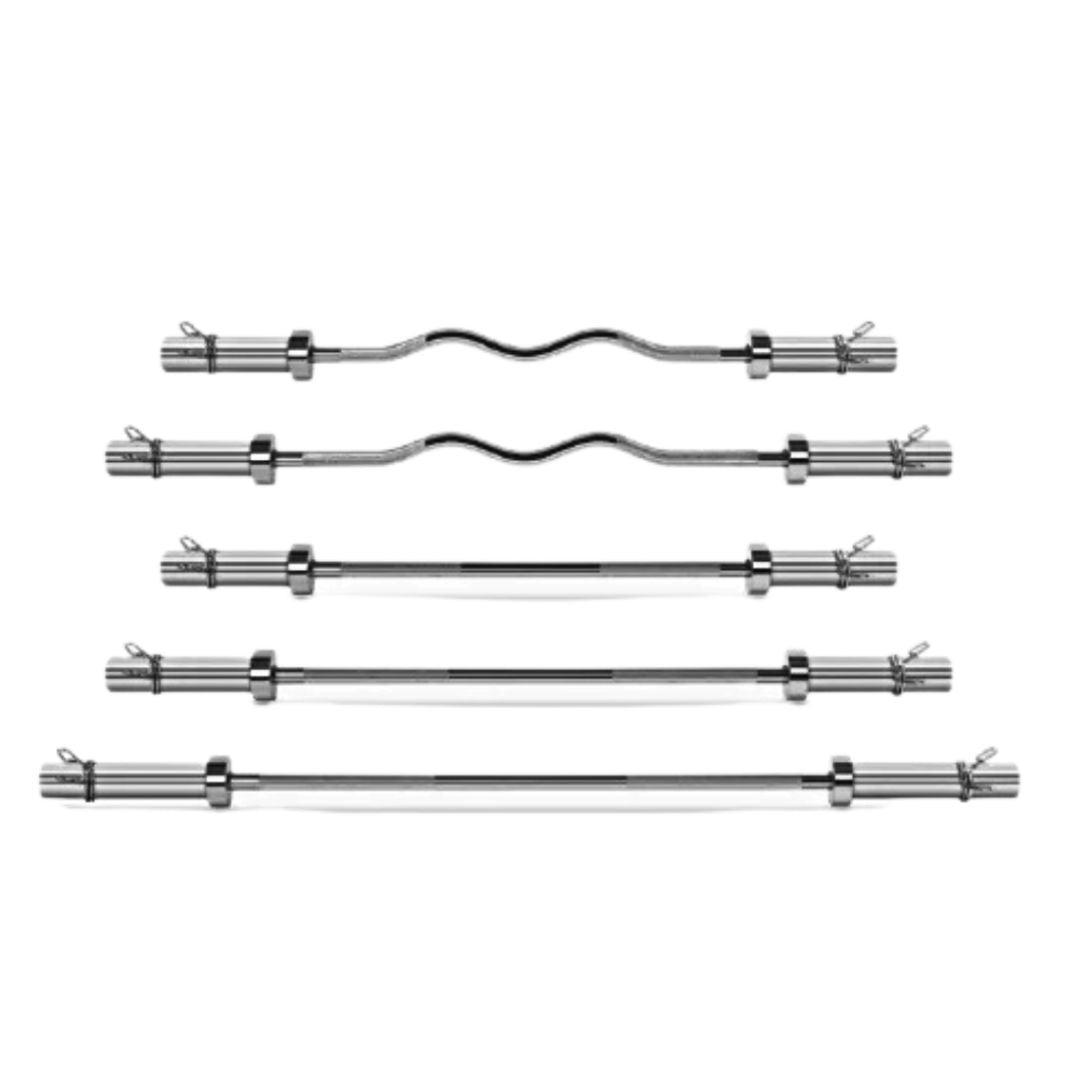 Barres olympiques 2"
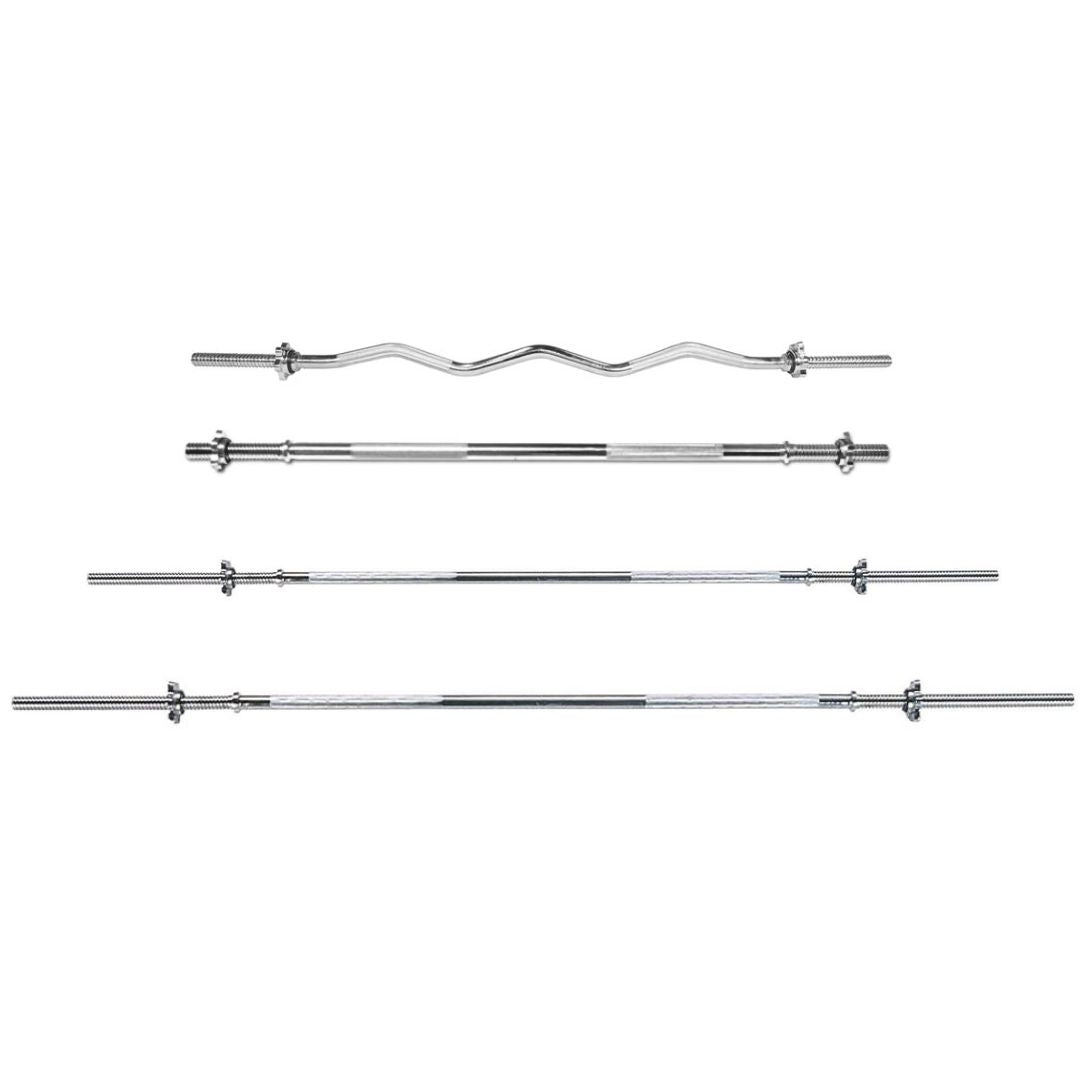 Haltères standards 2,54 cm
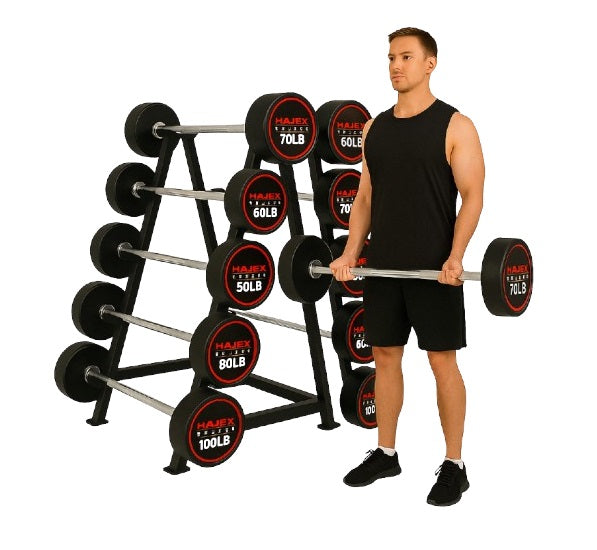
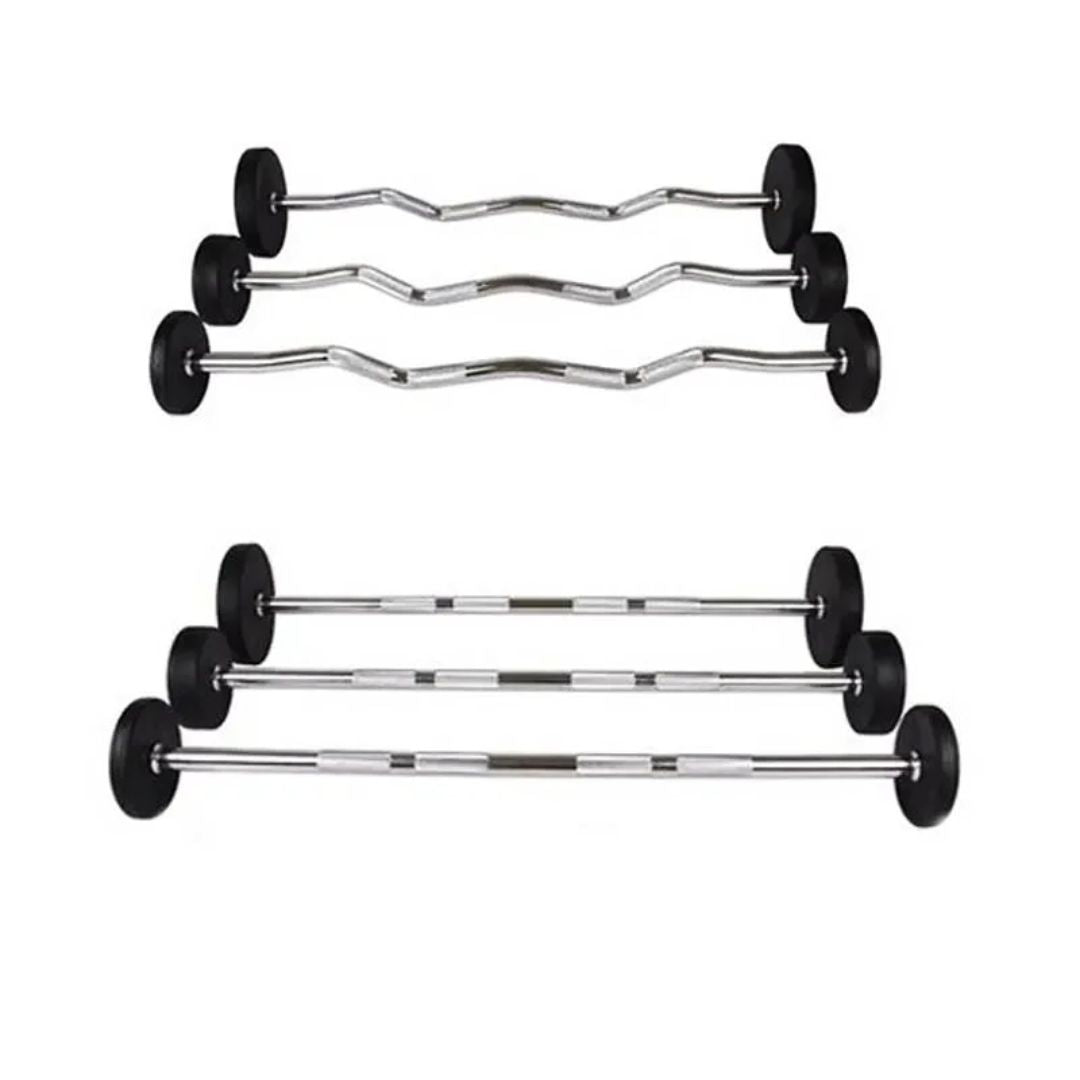 Barres à poids fixes
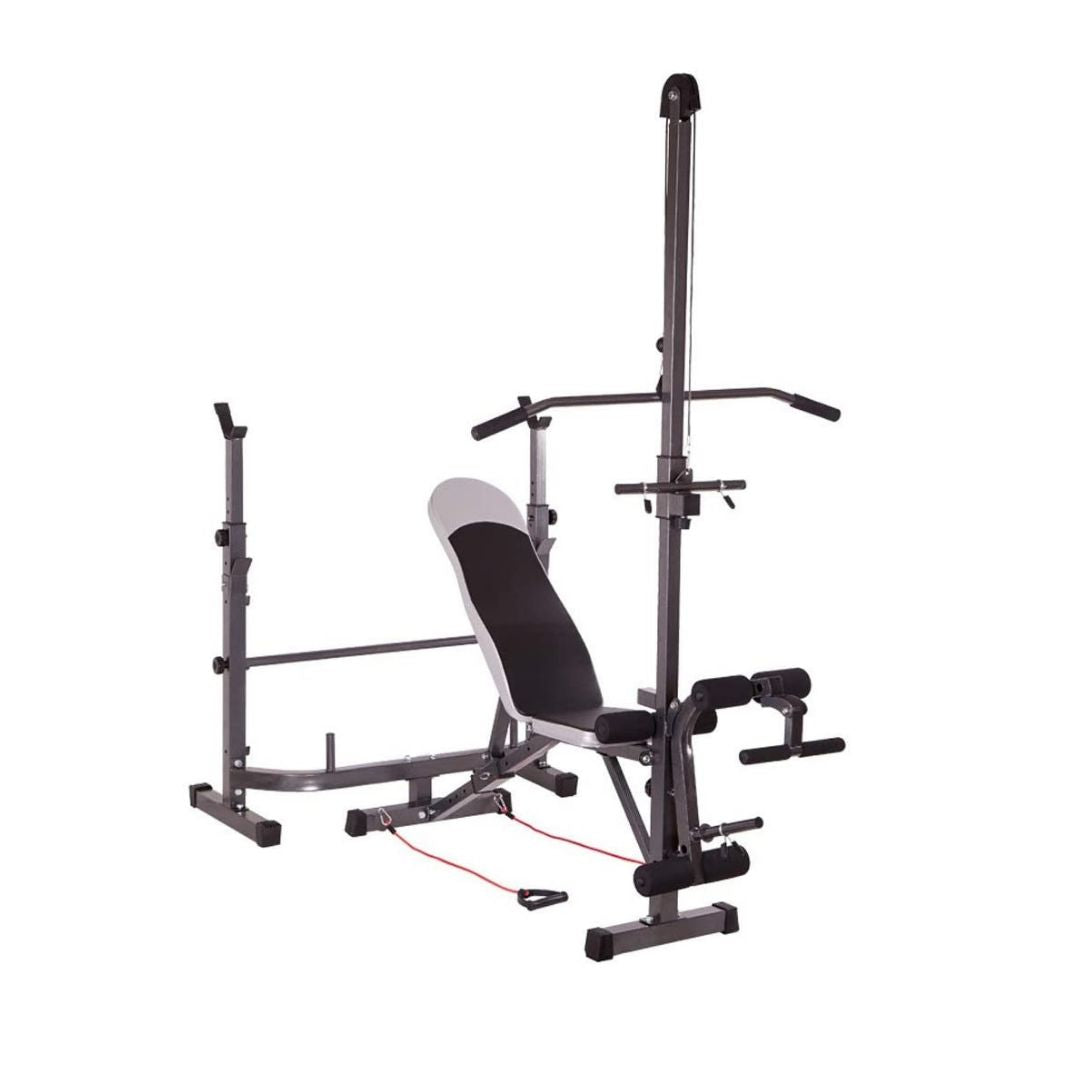 Bancs avec poulie et rack
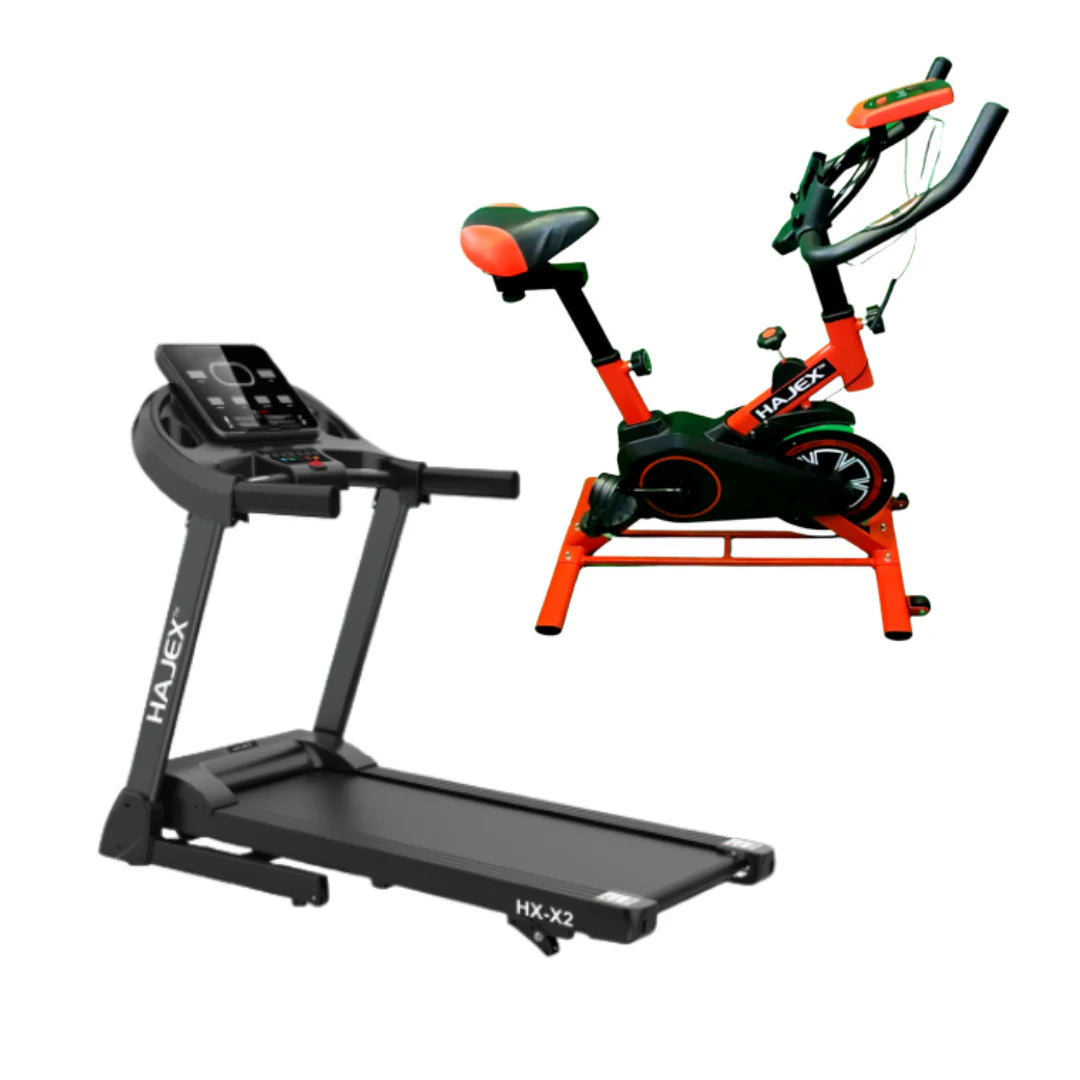 CARDIO
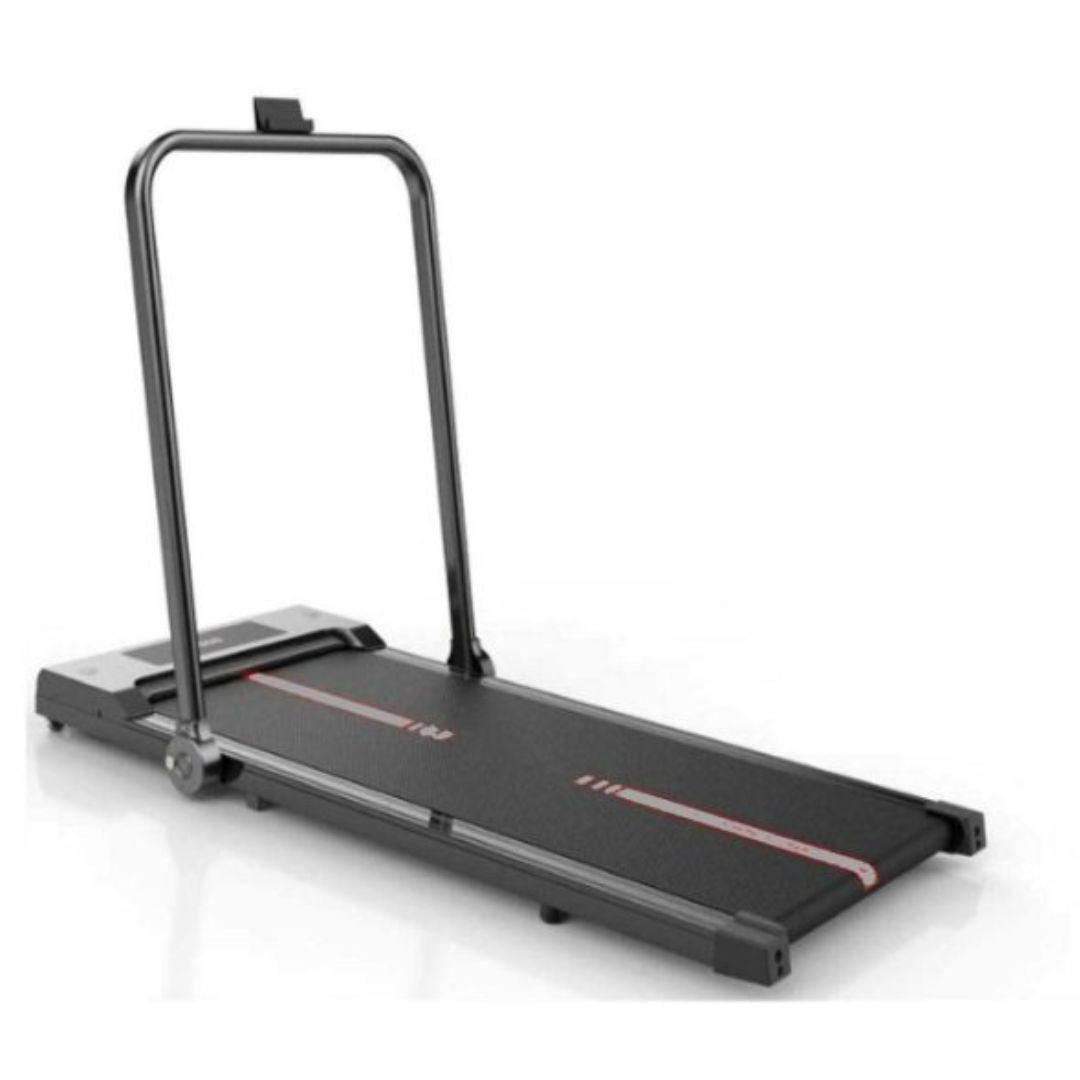 Tapis de marche pliables
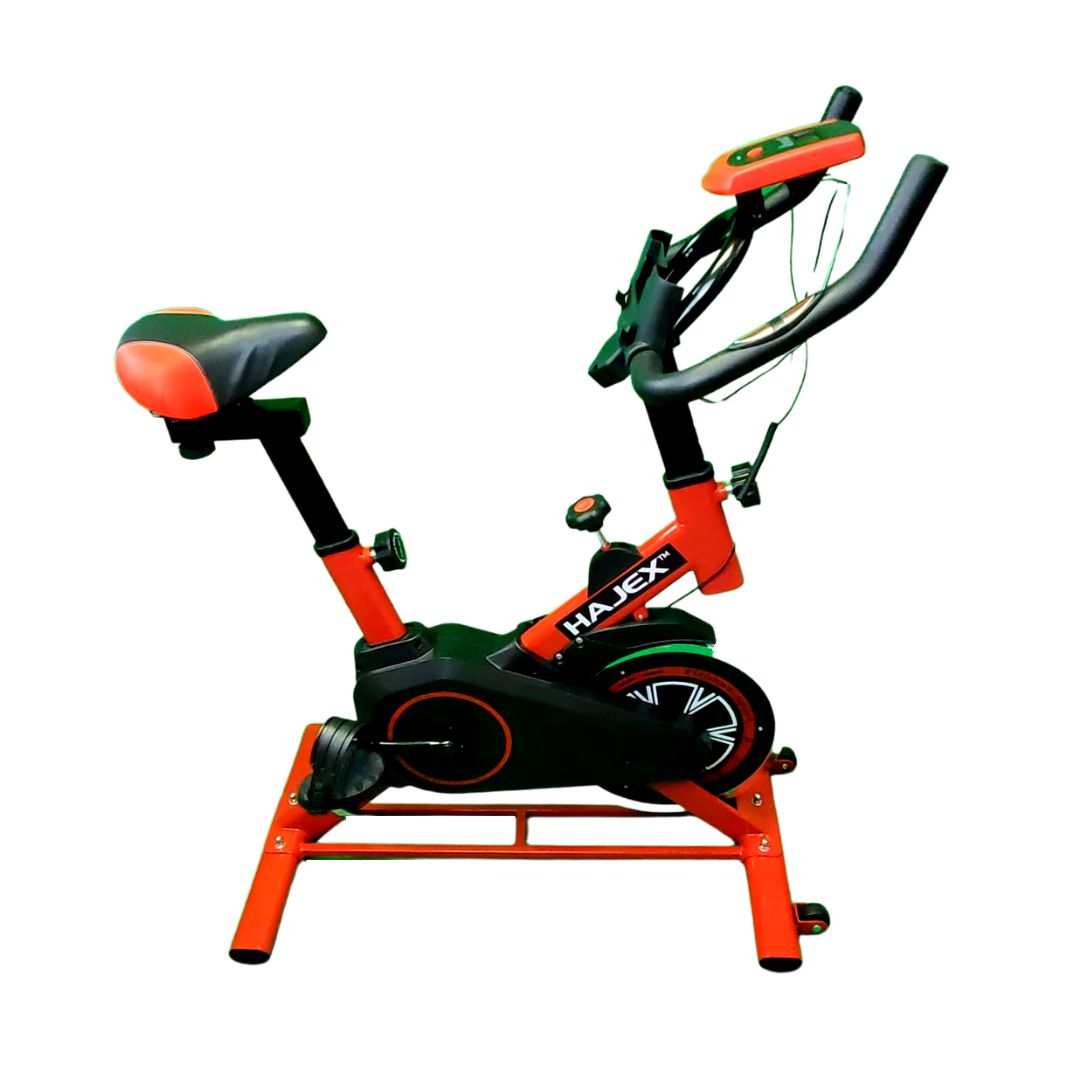 Vélos d'exercice
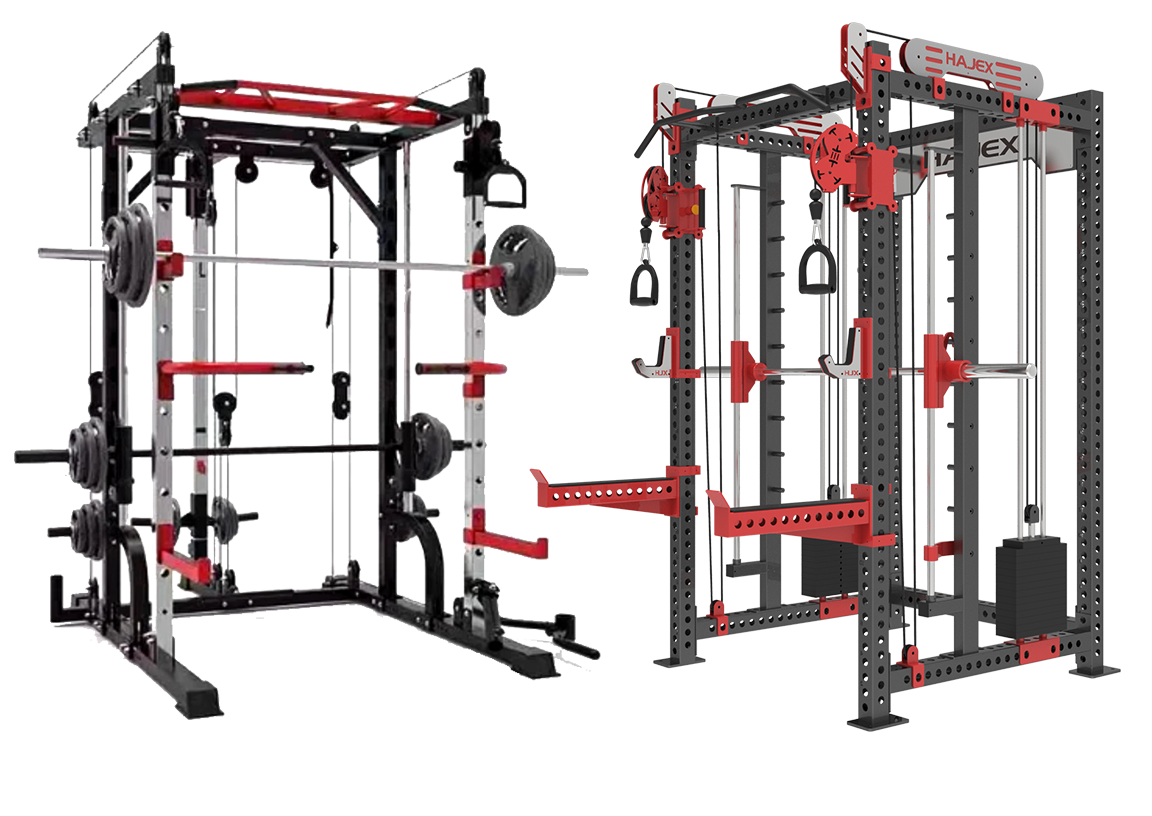 RACKS, CAGES ET APPAREILS SMITH
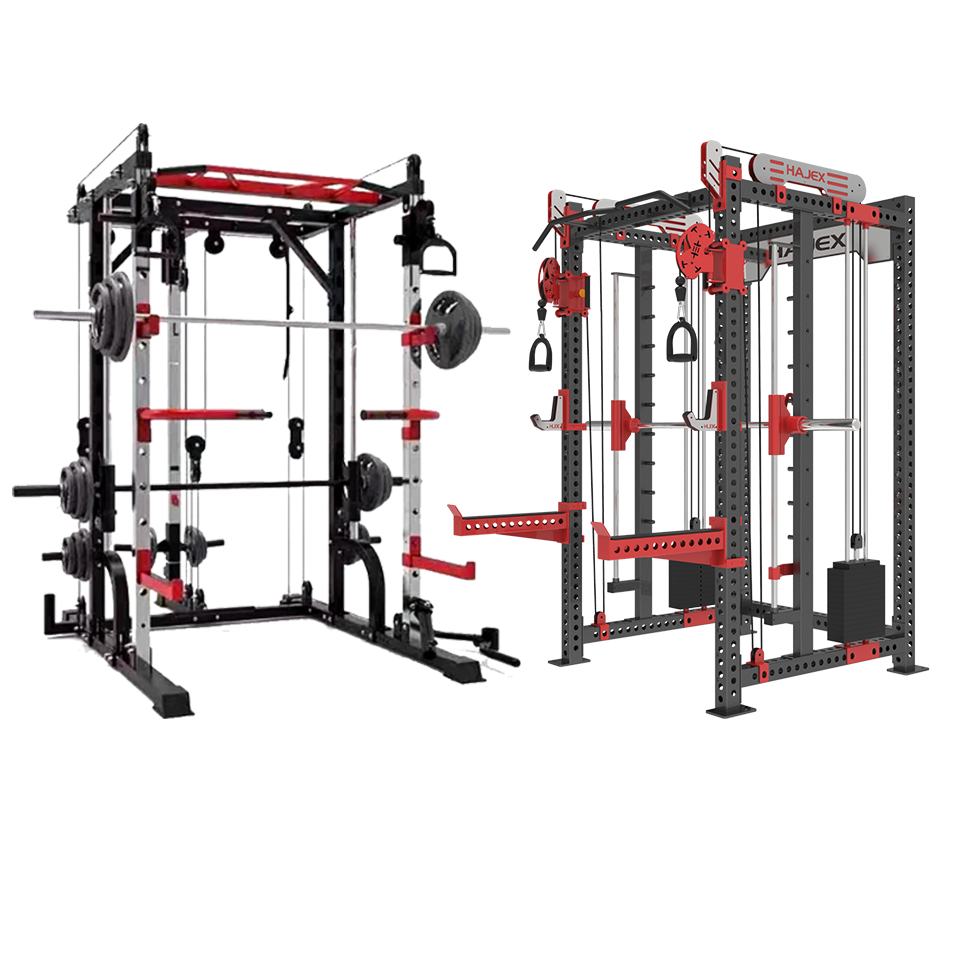 Machines Smith
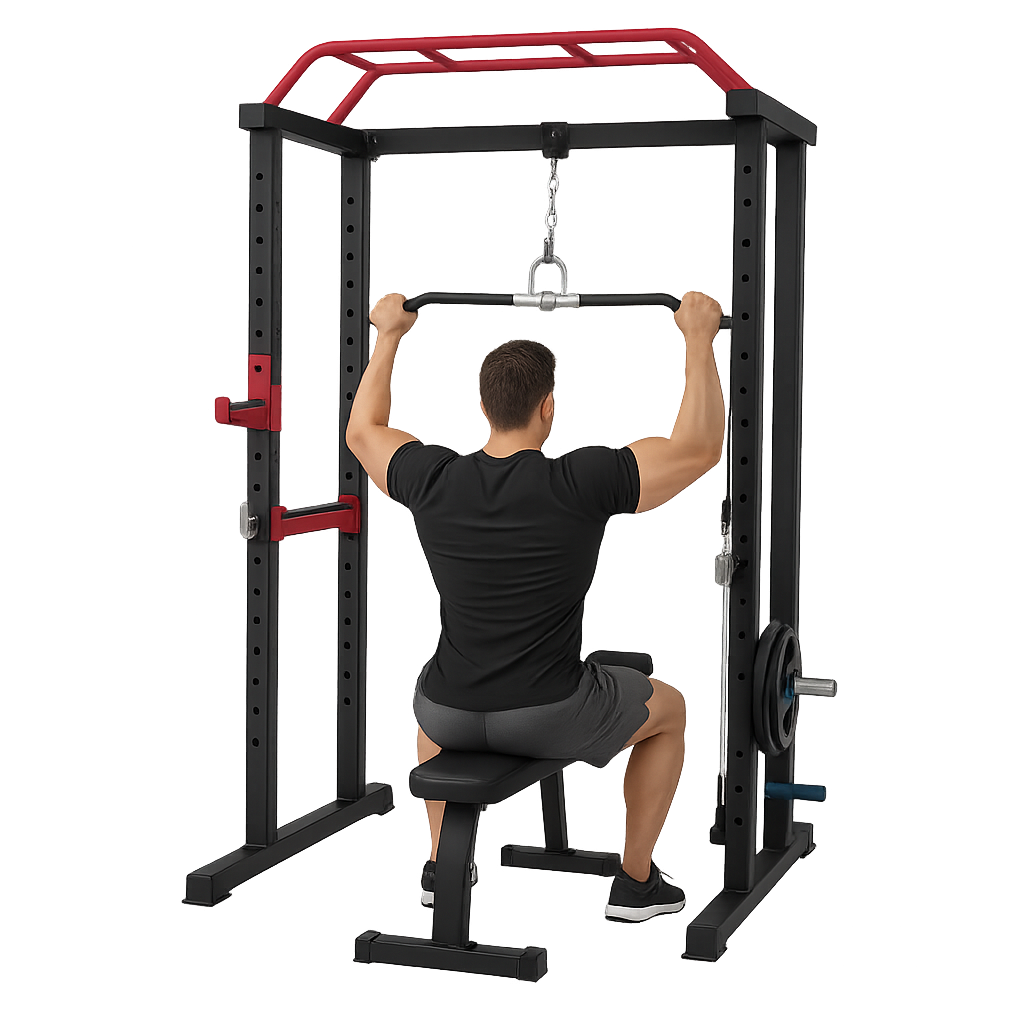 Supports d'alimentation
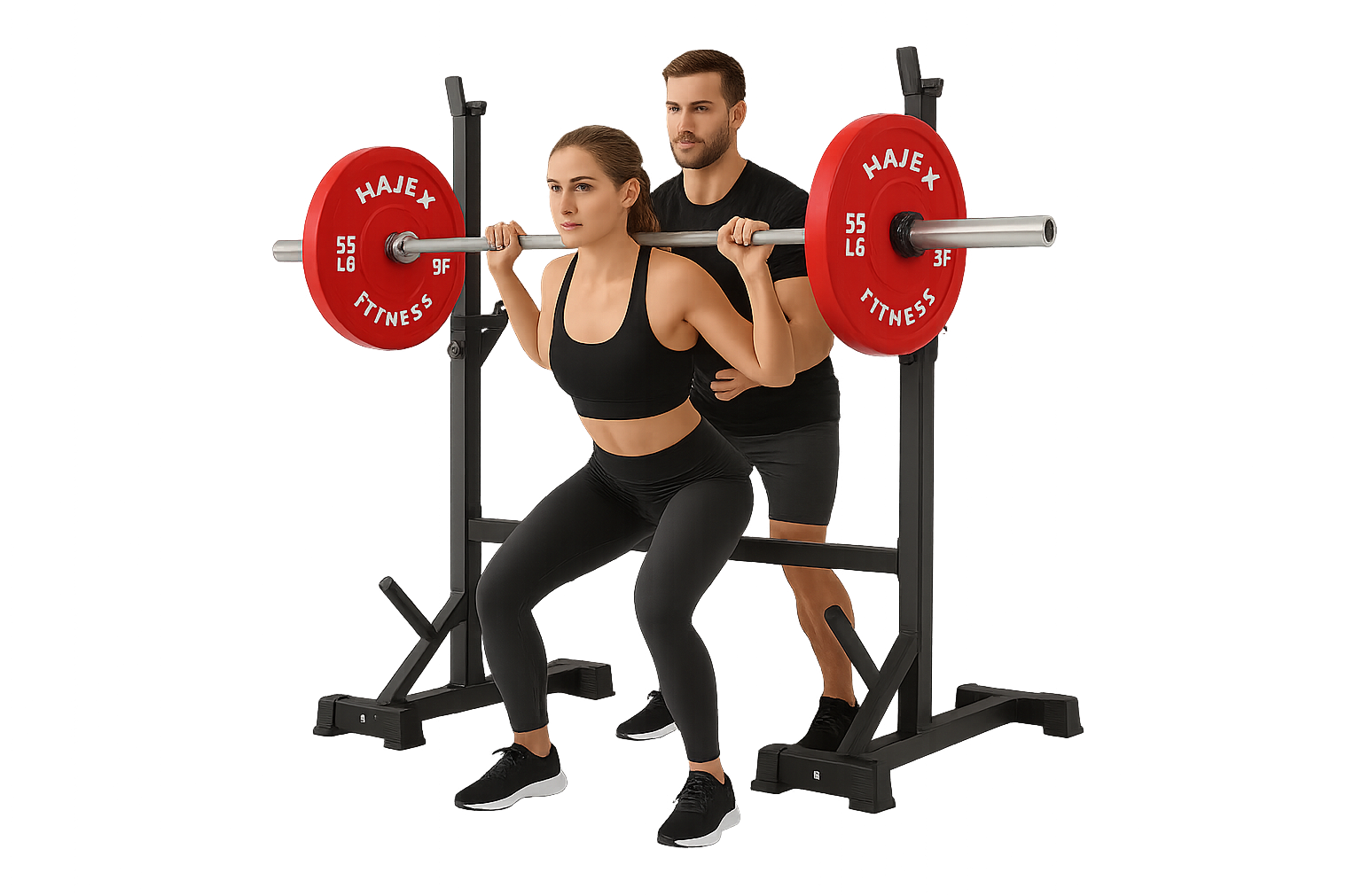 Supports à squats
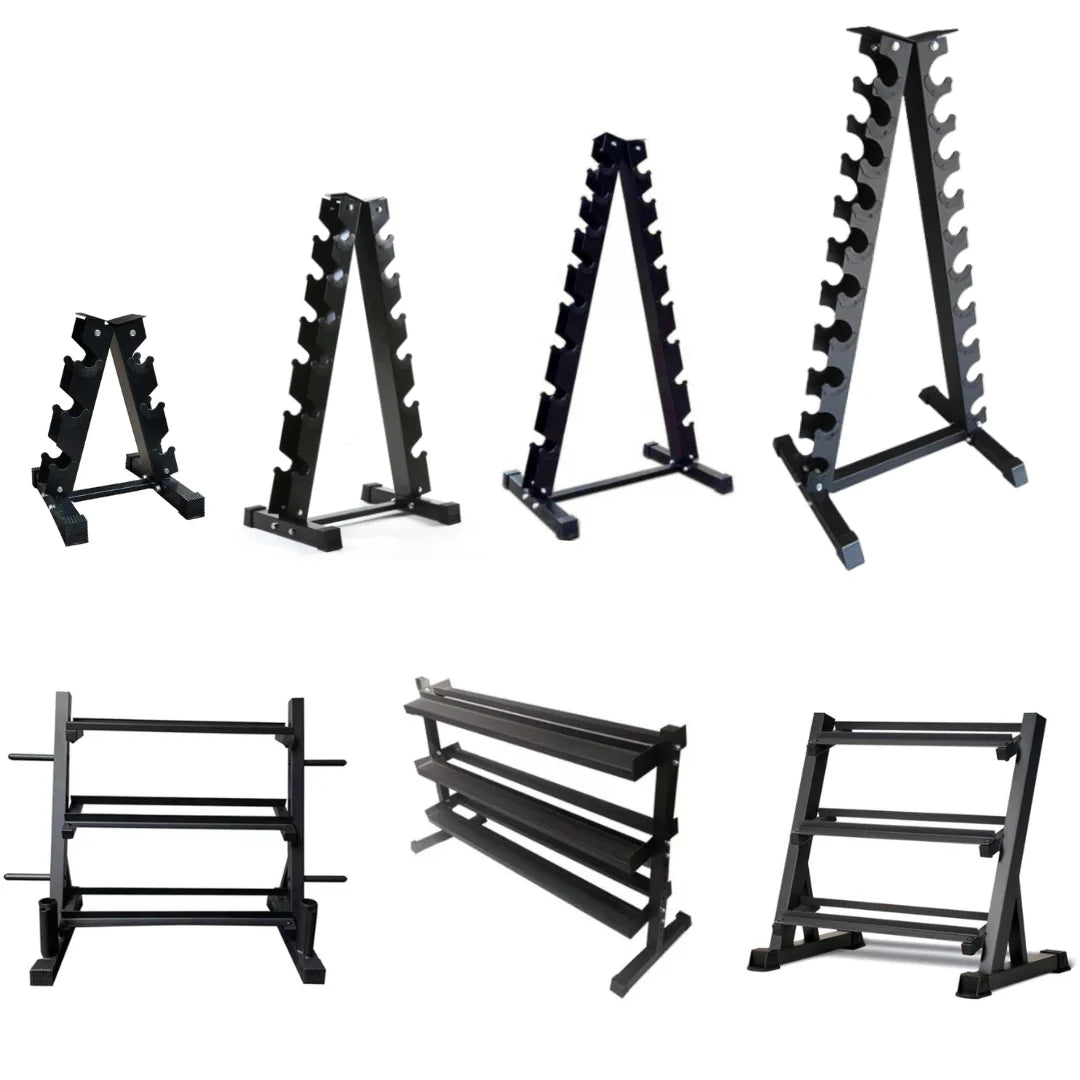 RAYONNAGES DE STOCKAGE
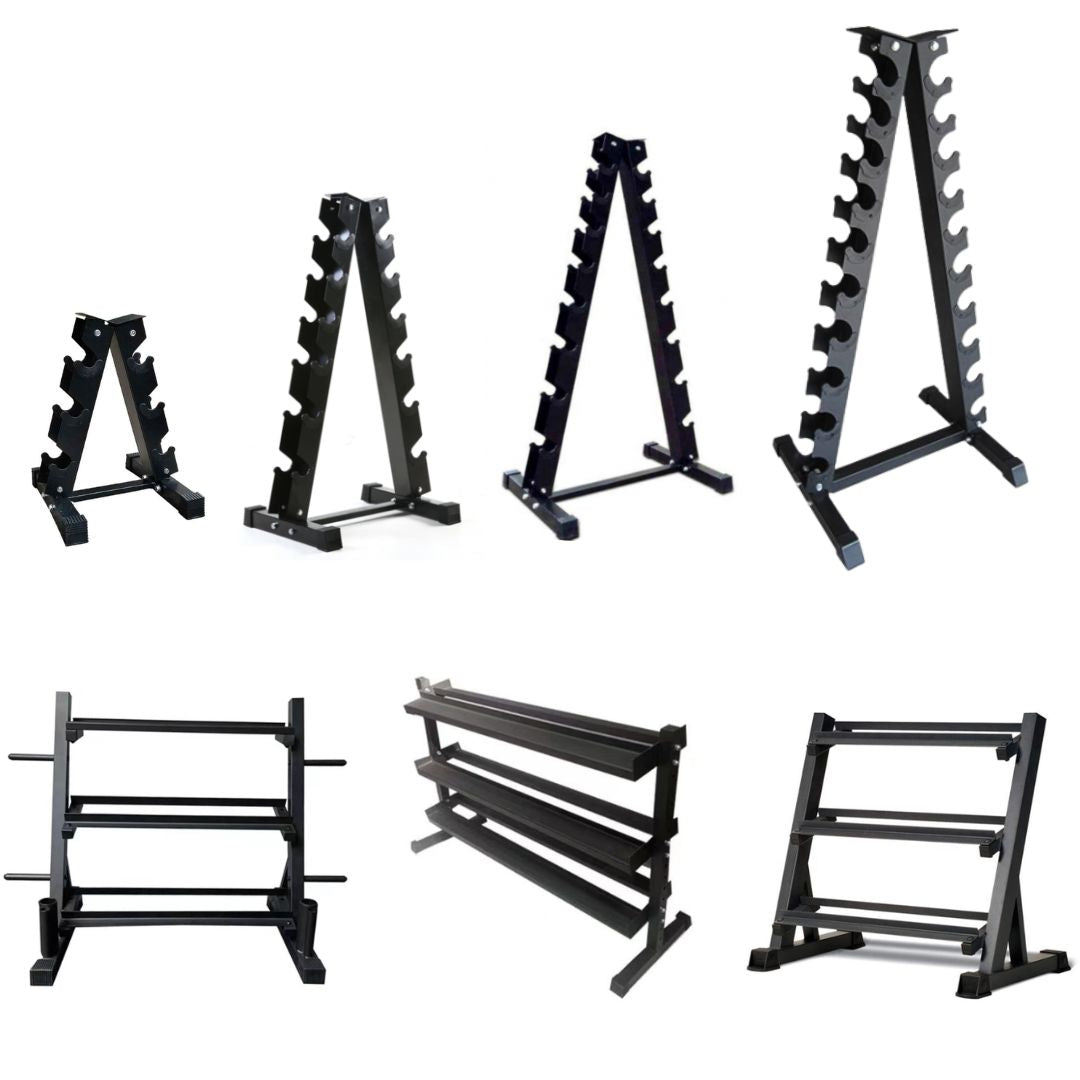 Râteliers pour haltères et kettlebells
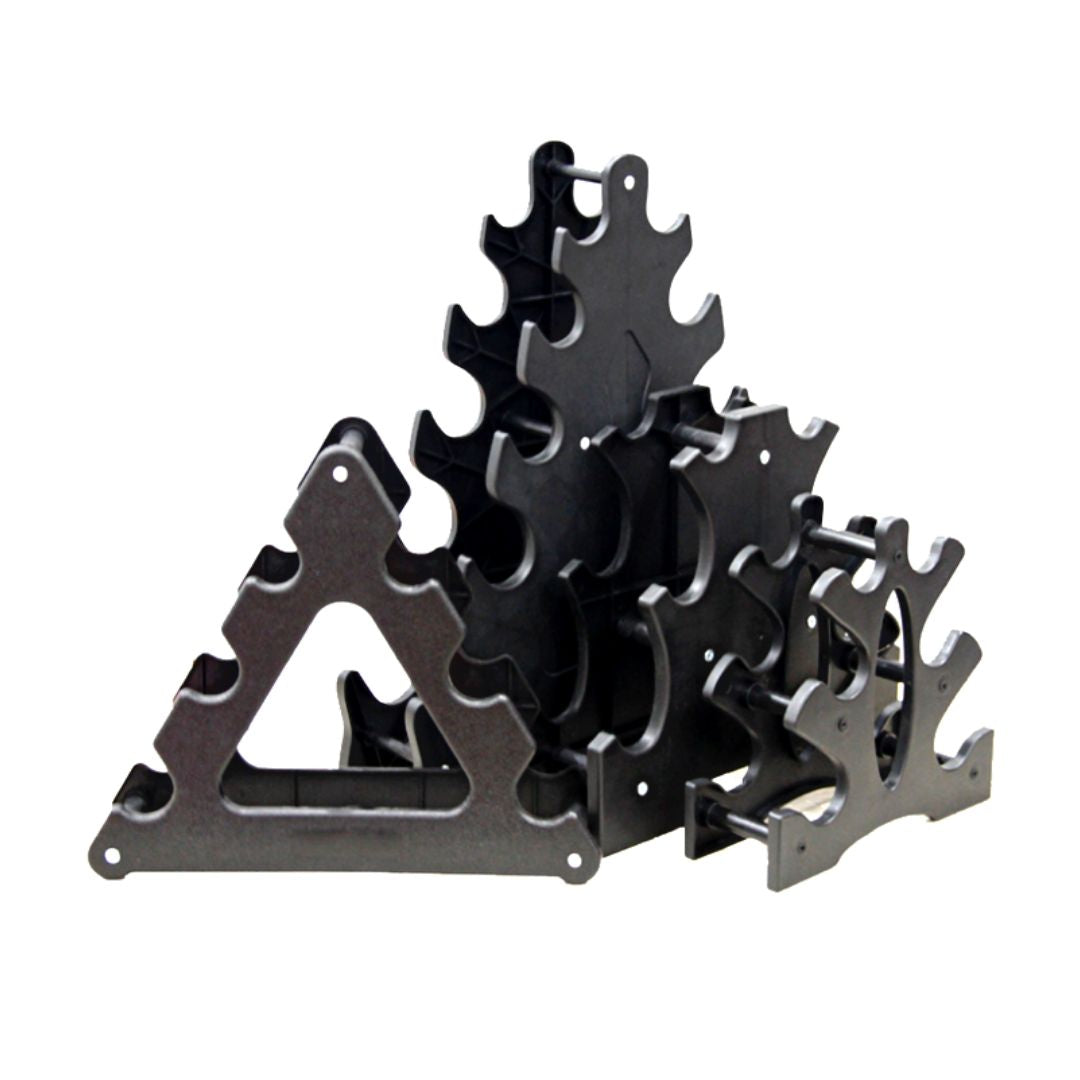 Mini-râteliers pour haltères
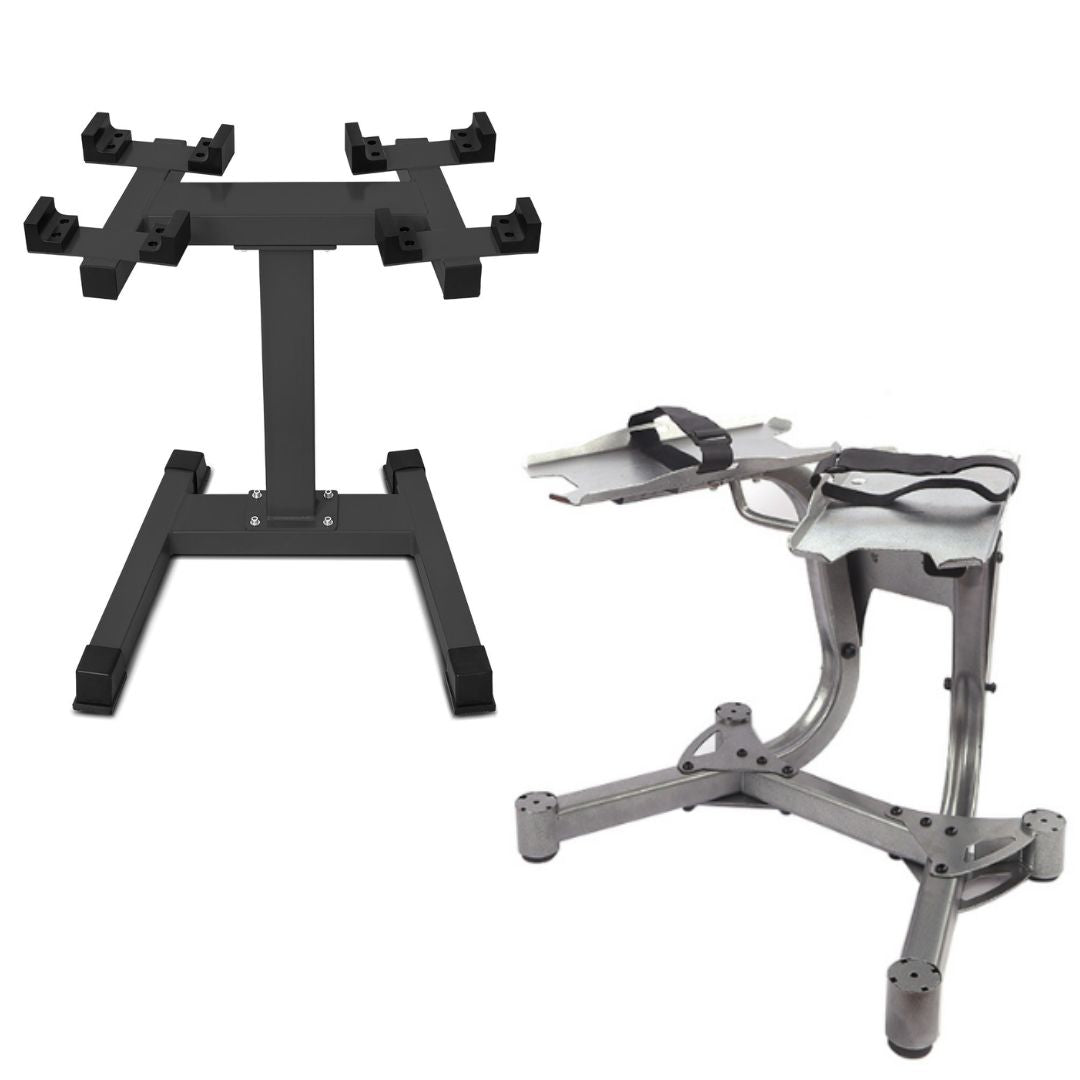 Supports réglables pour haltères
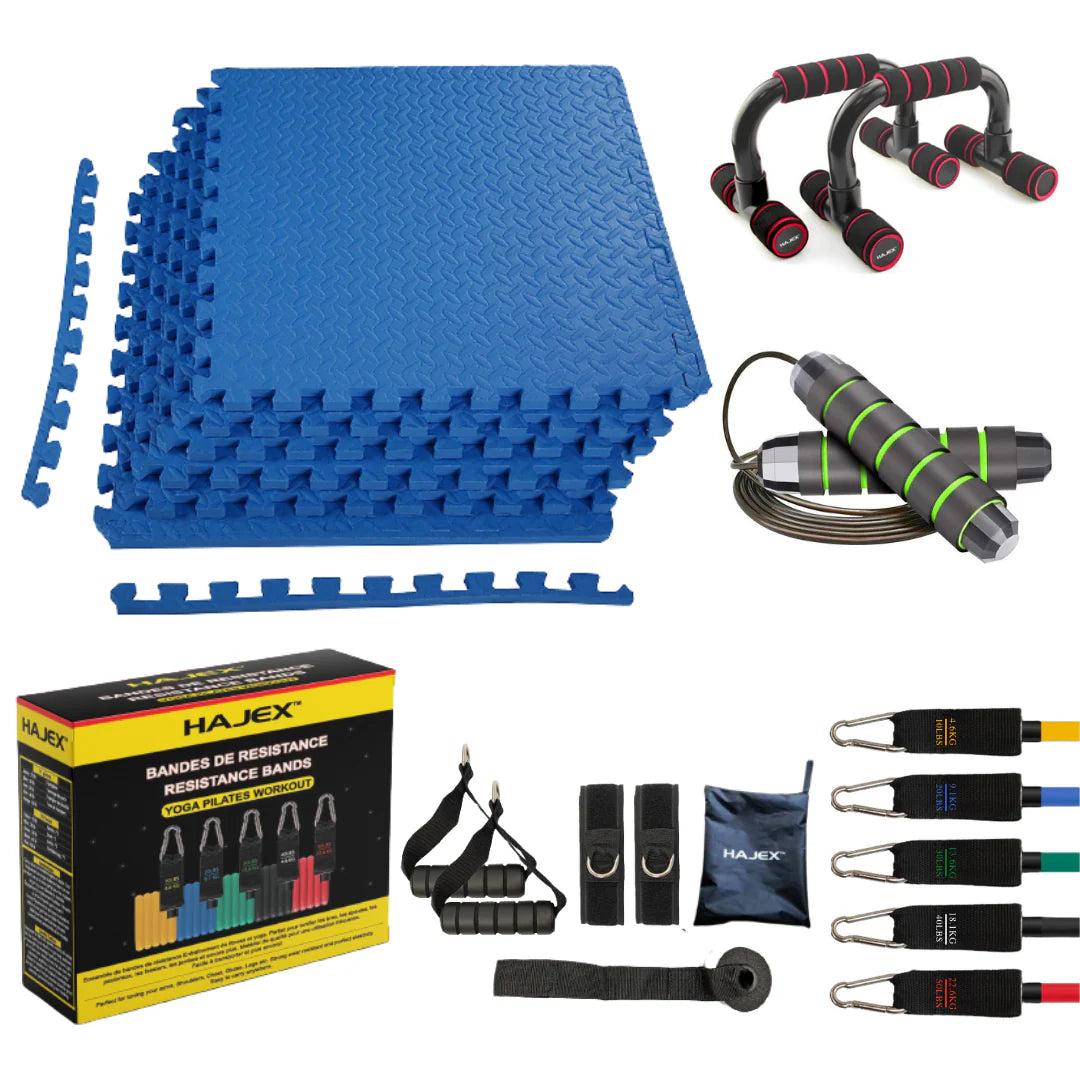 PLUS
PLUS
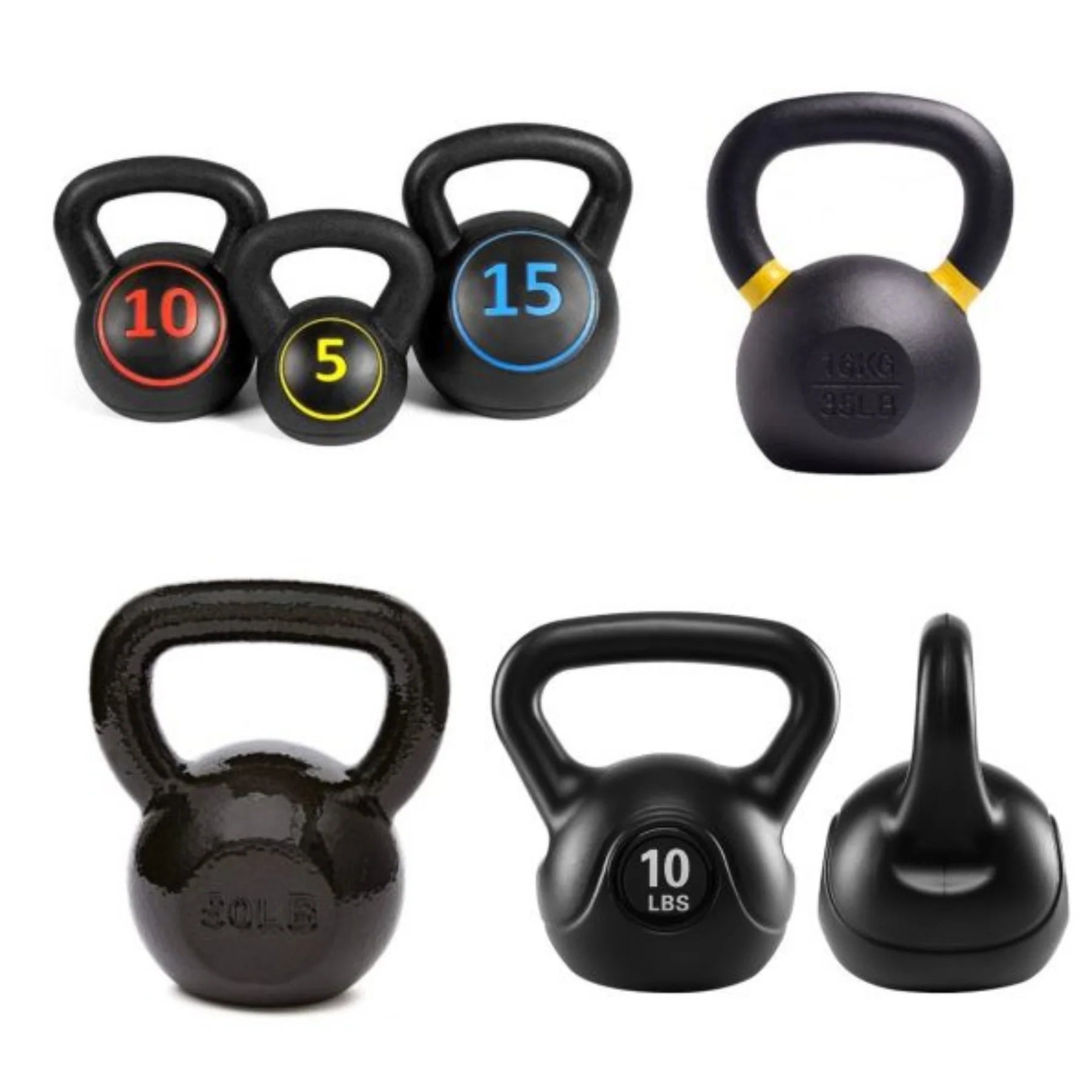 Kettlebells
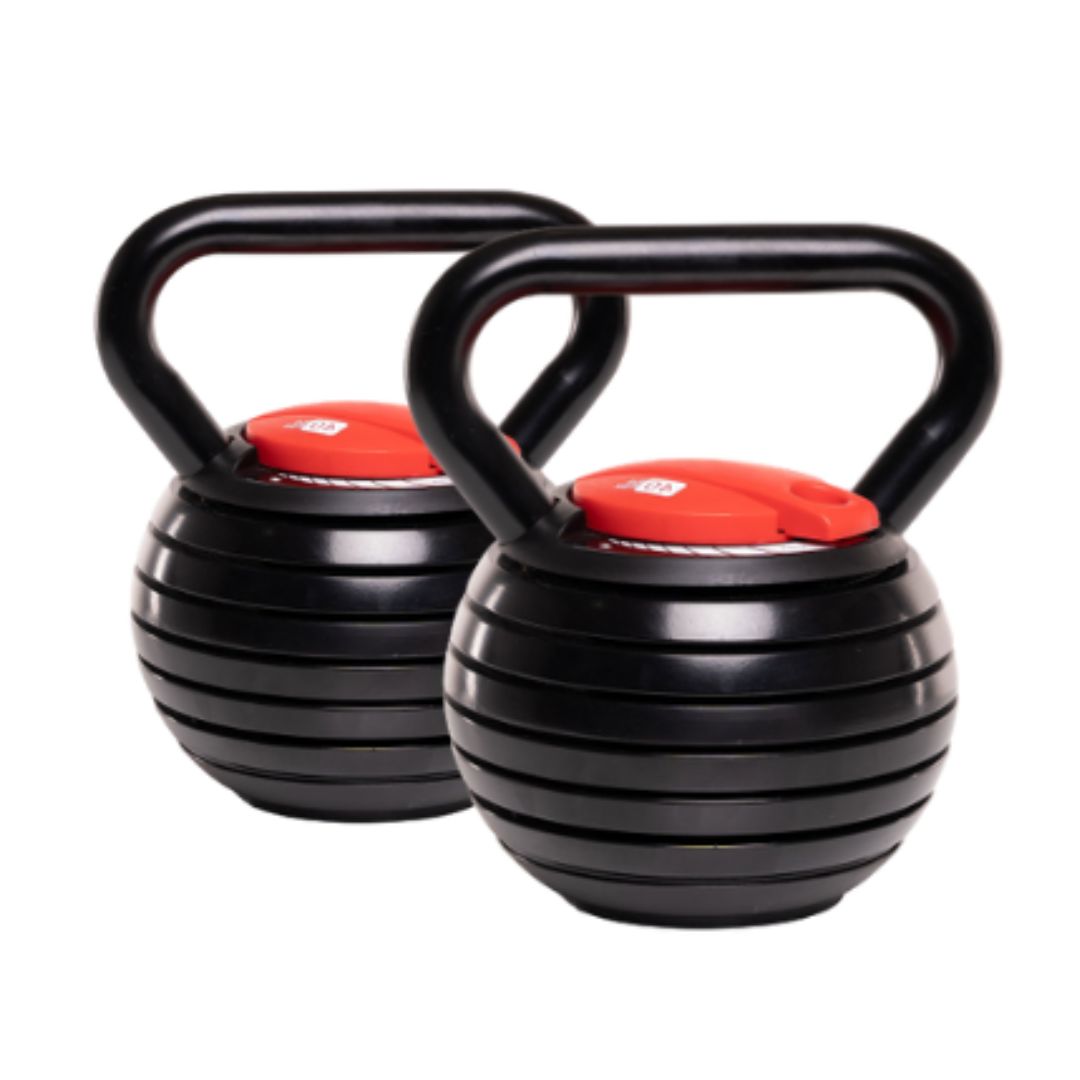 Haltères russes réglables - Unité et Paire
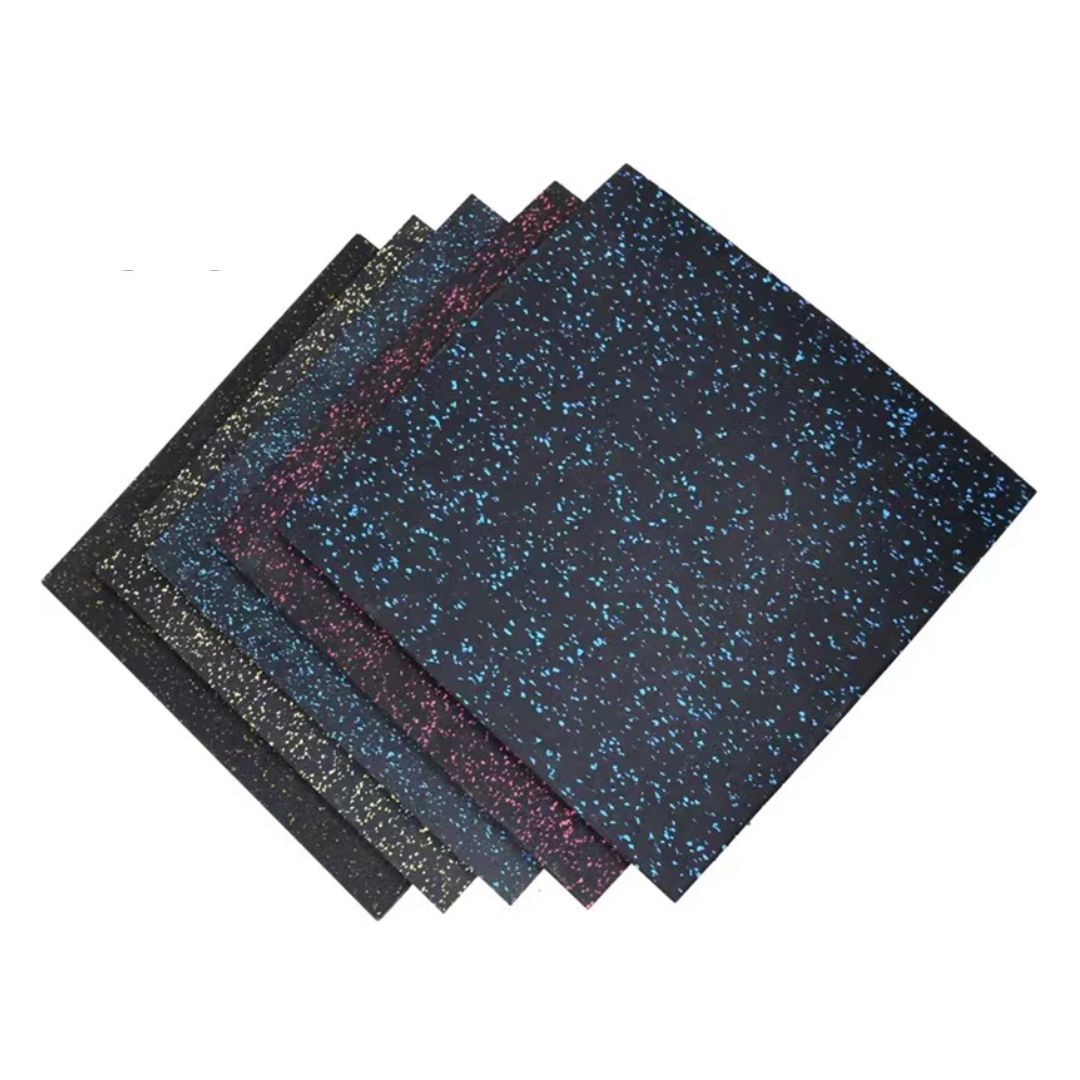 Tapis de sol
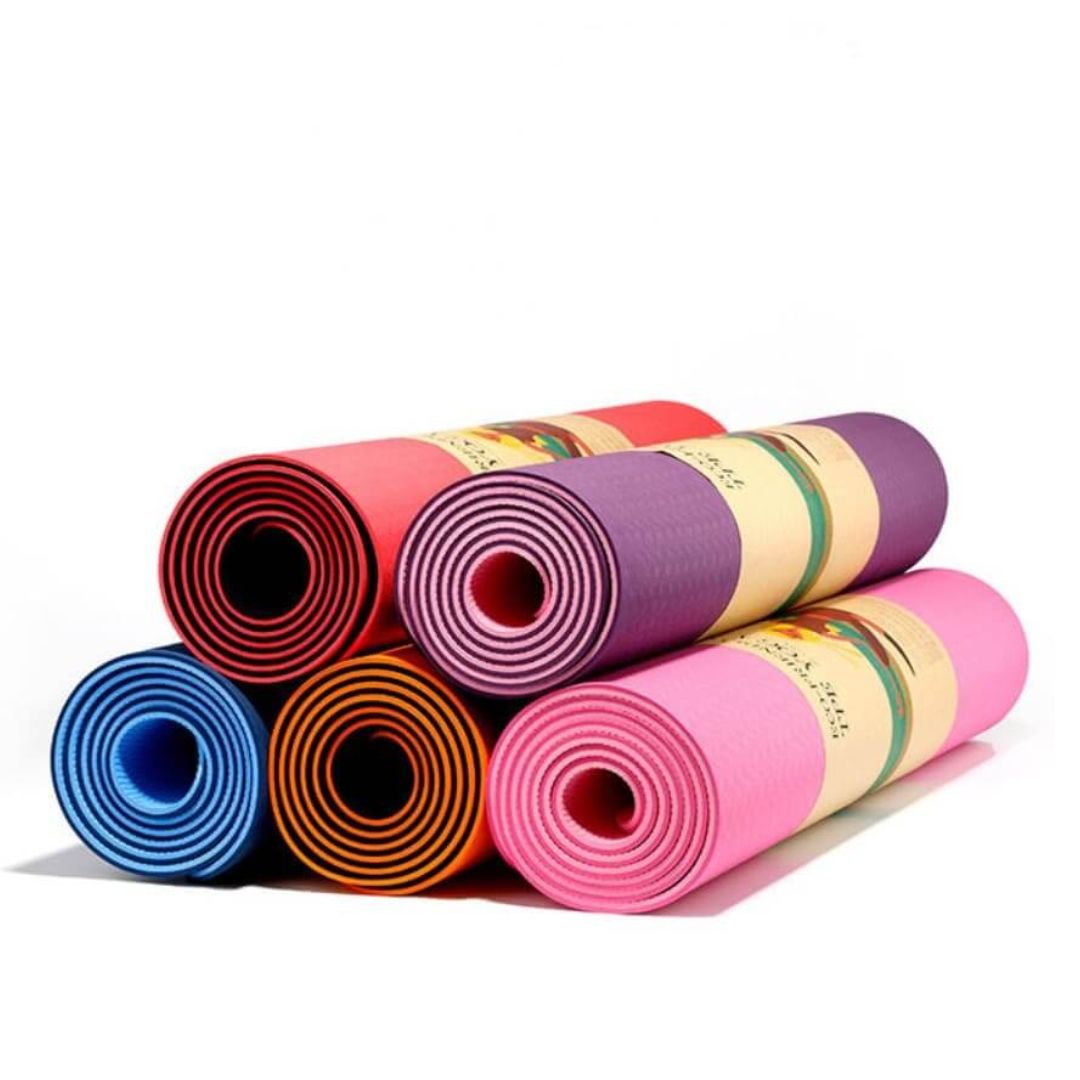 Yoga
Yoga
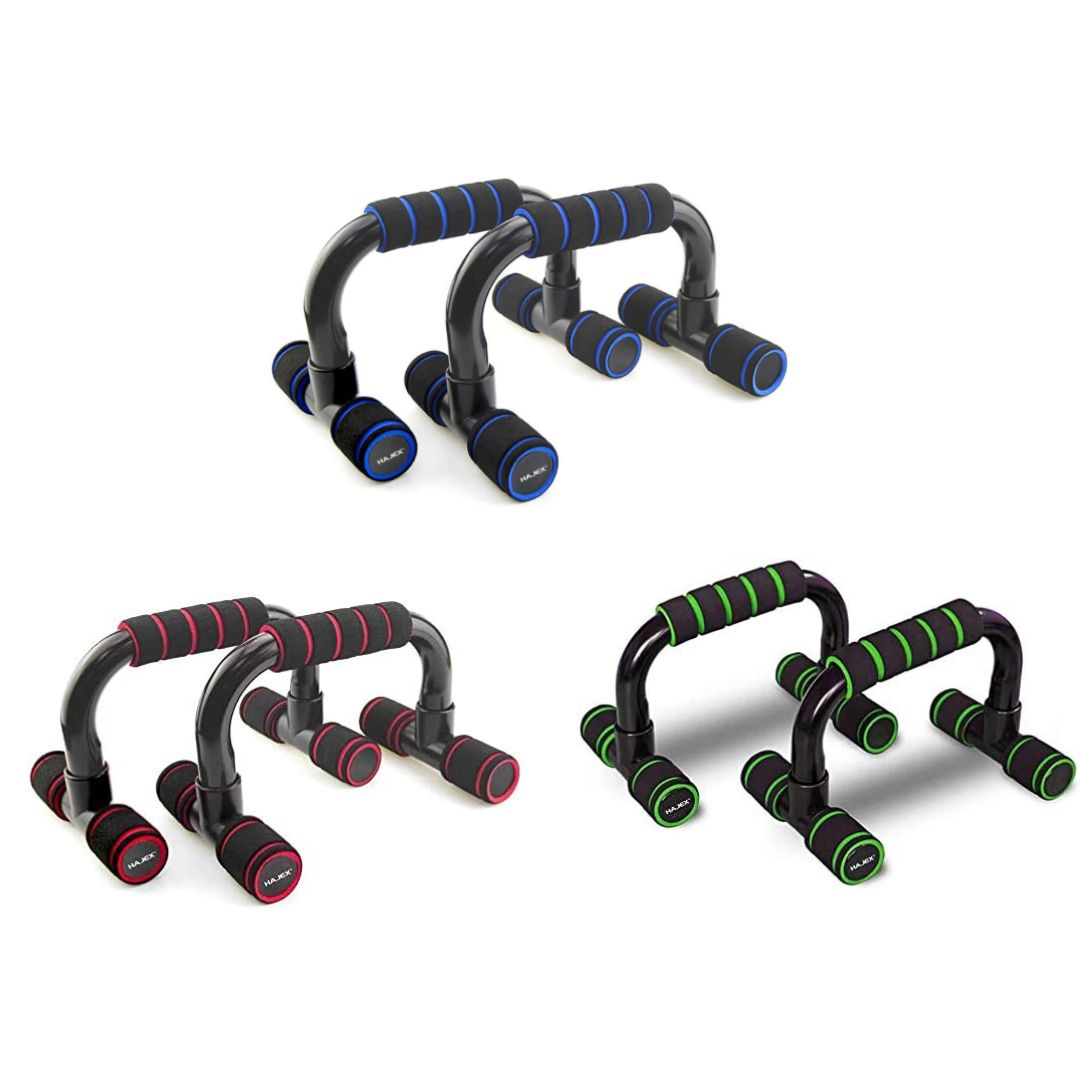 Pompe
Pompe
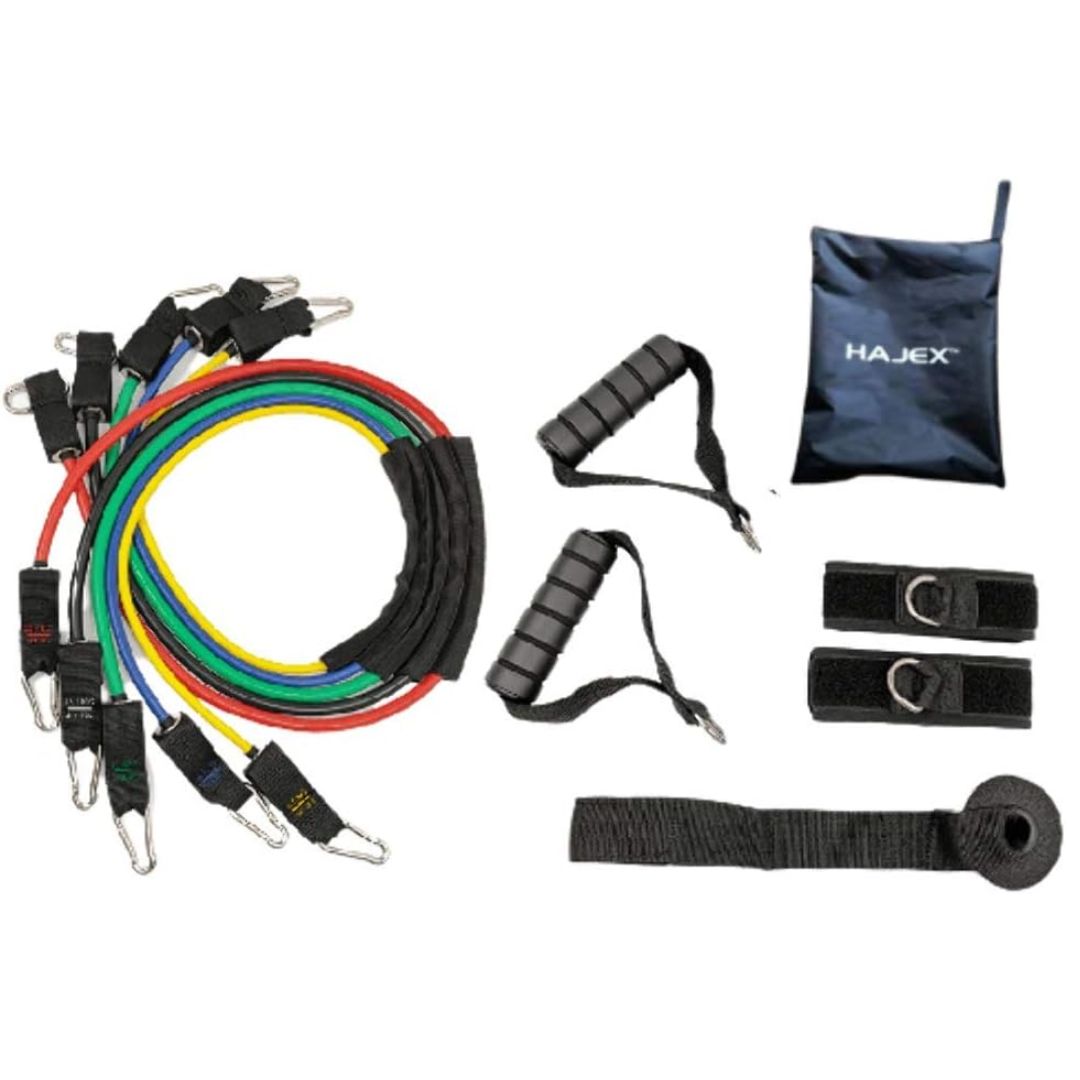 Bandes de résistance
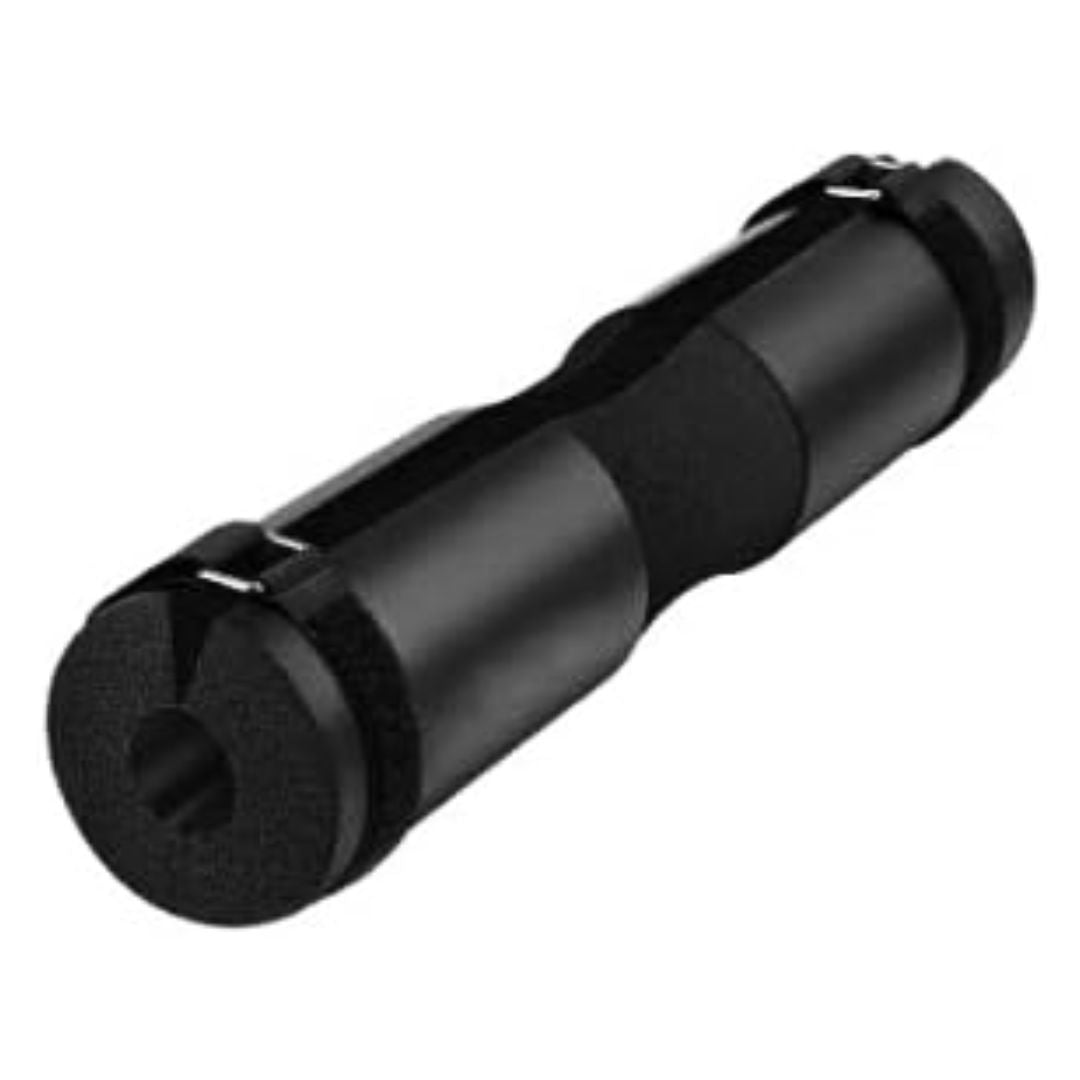 Protections de barre
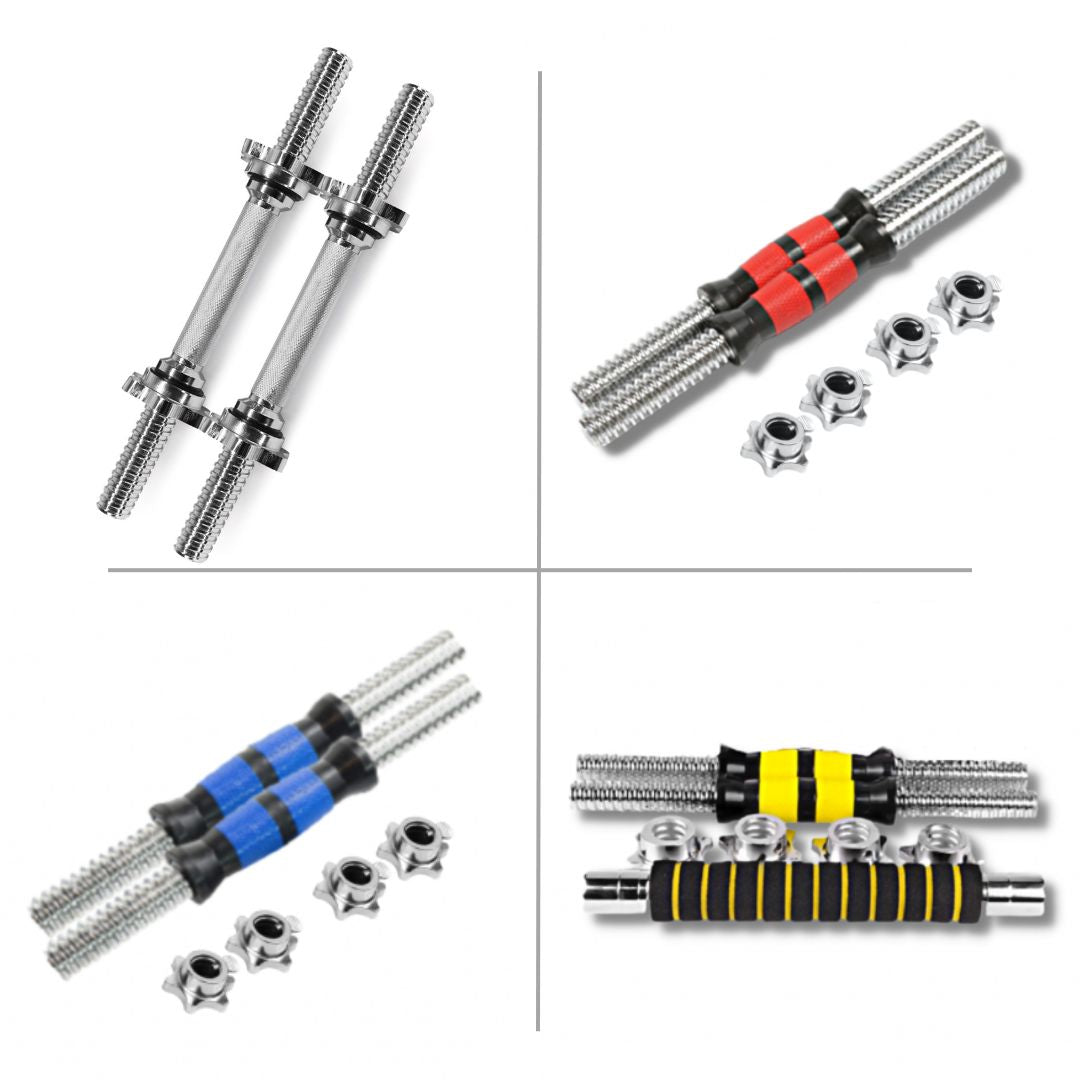 Poignées d'haltères
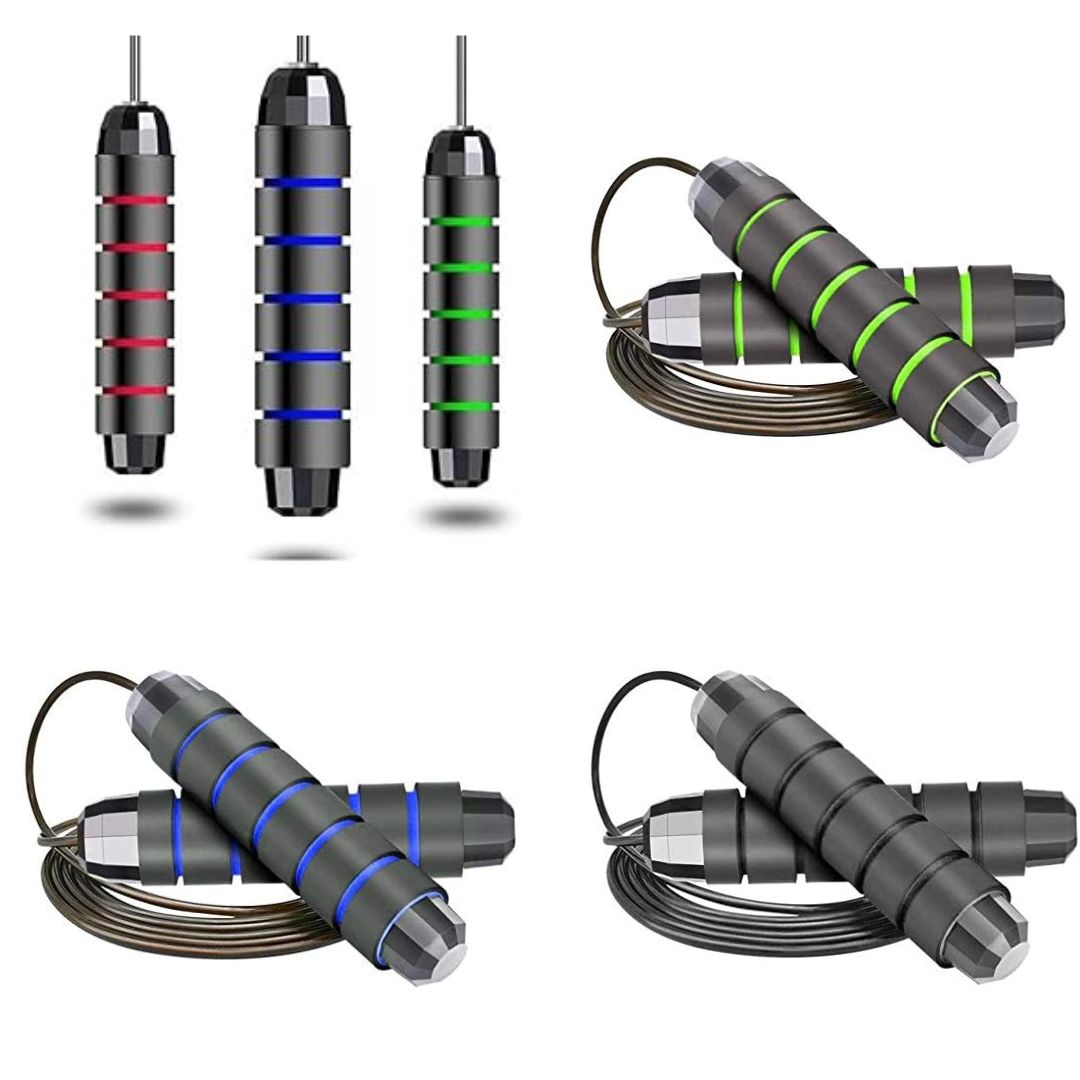 Cordes à sauter


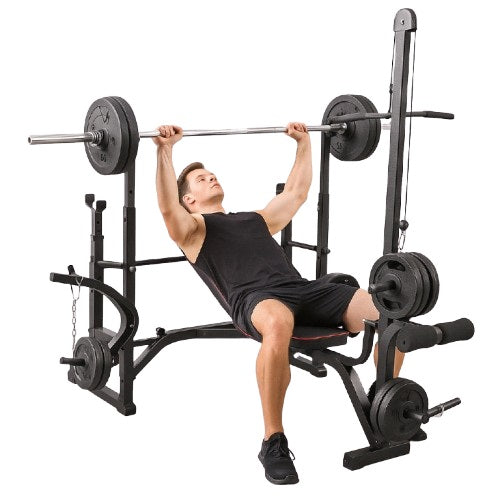

Olympic vs. Standard Barbells: The 2-Inch vs. 1-Inch Decision That Shapes Your Whole Home Gym
Most people spend weeks researching plates and benches, then grab whatever barbell is cheapest. That's backwards. Your barbell's sleeve diameter — 1 inch (standard) or 2 inches (Olympic) — determines which weight plates fit, which racks you can use, and how far your home gym can grow. It's the one purchase that locks in your entire ecosystem.
The core difference: sleeve diameter
Standard bars have 1-inch (25 mm) sleeves and take standard plates. They're lighter, shorter, and cheaper — a great fit for beginners, general fitness, and anyone training in a smaller space.
Olympic bars have 2-inch (50 mm) sleeves, take Olympic plates, and are built to hold significantly more weight. Sleeves on quality Olympic bars also rotate, which reduces wrist and elbow strain on cleans, snatches, and even heavy curls.
Load capacity: where the gap gets serious
A typical 1-inch standard bar is comfortable in the 100–250 LB range. A quality 2-inch Olympic bar handles 700 LB or more. If your goal is progressive strength training — squats, deadlifts, bench press with real loading — you will outgrow a standard bar. It's not a question of if, but when.
The compatibility trap
Here's the mistake we see constantly: someone buys standard plates on sale, then a year later wants a squat rack or Smith machine — and discovers nearly all racks, benches with bar catches, and machines are built around 2-inch Olympic bars. Now they're either re-buying their entire plate collection or hunting for adapter sleeves that never feel quite right.
Rule of thumb: if a rack, Smith machine, or serious strength goals are anywhere in your future, start Olympic. If your training is dumbbell-style movements, light barbell work, and general conditioning in a compact space, standard is a perfectly smart, budget-friendly choice.
Length matters too
- 4 FT bars — tight spaces, curls, presses, and accessory work. Available in both 1-inch and 2-inch at HAJEX.
- 5–6 FT bars — the home gym sweet spot. Long enough for squats and bench in most rack setups, short enough for a garage or basement.
- 7 FT+ Olympic bars — the full commercial standard. Required for wider power racks and Olympic lifting; make sure you have the floor space and ceiling clearance.
Straight vs. EZ curl
A straight bar is your foundation — squats, deadlifts, presses, rows. An EZ curl bar's angled grips reduce wrist strain on curls and triceps extensions, making it the best second bar you'll buy. If you'd rather skip plate-loading entirely for accessory work, fixed-weight straight and EZ bars from 20 to 150 LB let you grab and go like dumbbells.
What we recommend
Starting out, training at home, budget-conscious: a 1-inch standard bar in 4–6 FT paired with standard plates. You can build serious fitness on this setup.
Building a gym you won't outgrow: a 2-inch Olympic bar — 6 FT for most home spaces, 7.2 FT if you're running a full-size rack — with Olympic rubber plates or bumper plates if you train deadlifts or Olympic lifts on a hard floor.
Every HAJEX barbell ships from our Montreal or Delta, BC warehouses, so you're covered coast to coast in Canada and the USA.
The bottom line
Pick your sleeve diameter first, and everything else — plates, rack, bench, future upgrades — falls into place. Standard for compact, budget-friendly training. Olympic for a gym that grows with you. Either way, buy the bar for the lifter you plan to become, not just the one you are today.


