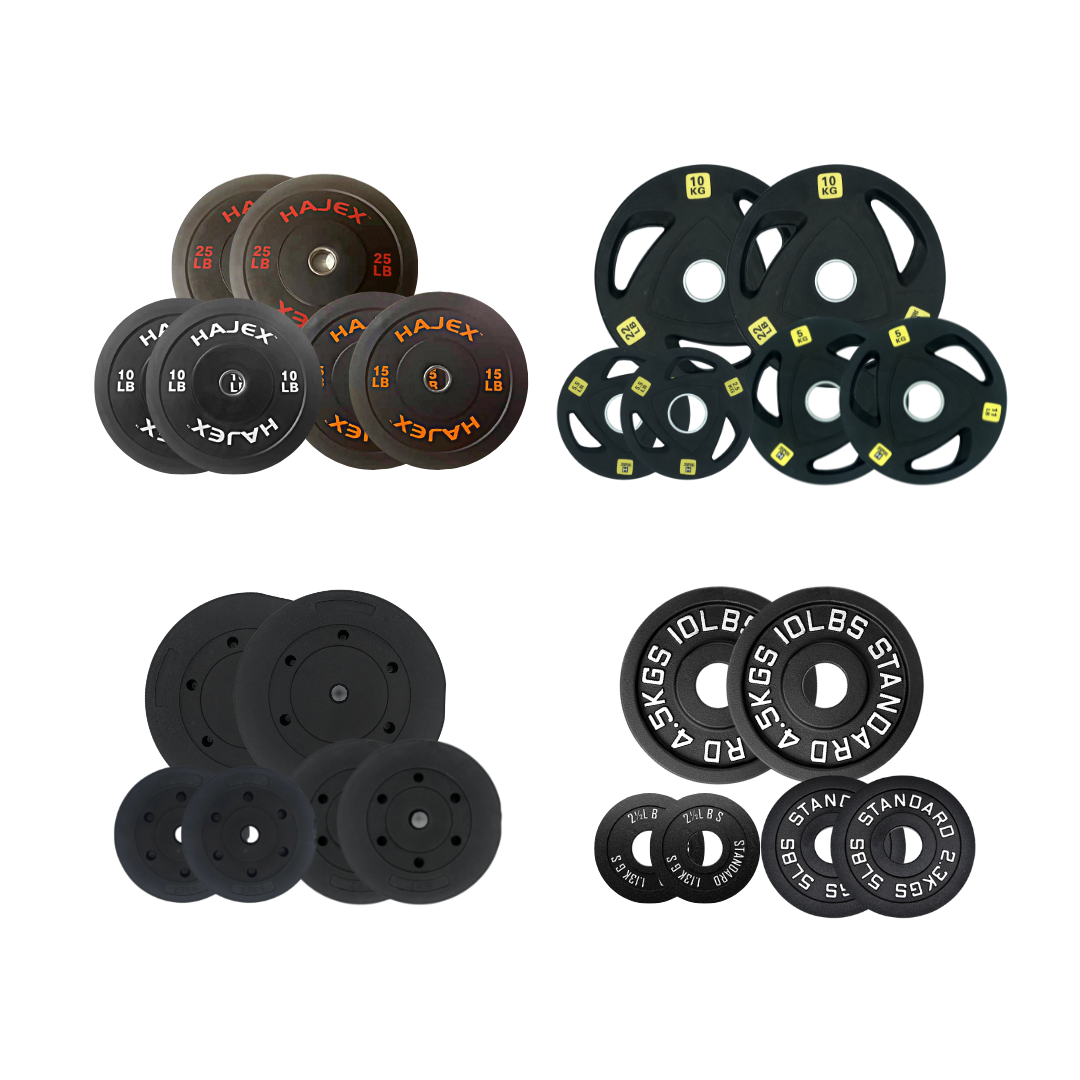
 DISQUES DE POIDS
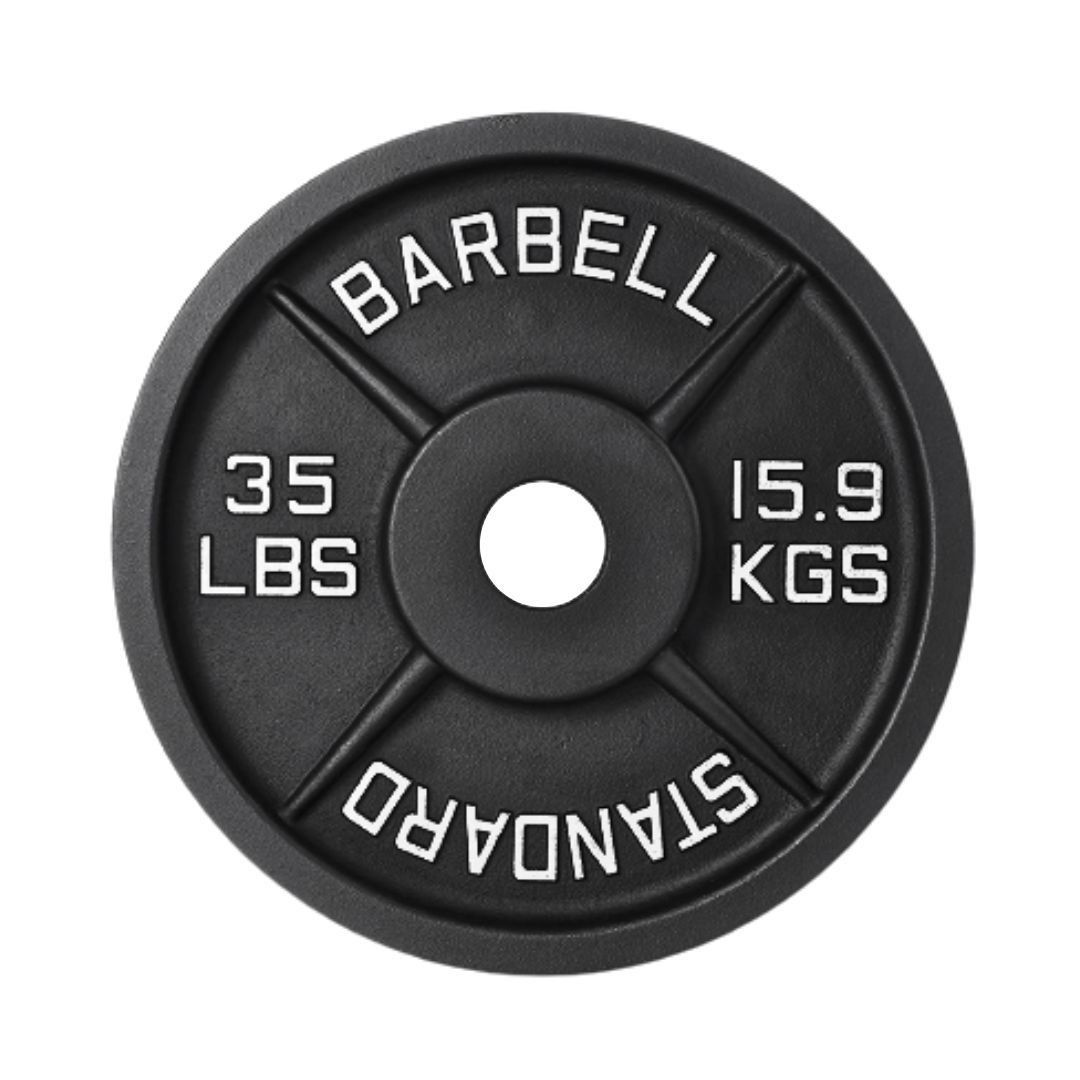 Plaques olympiques en fonte
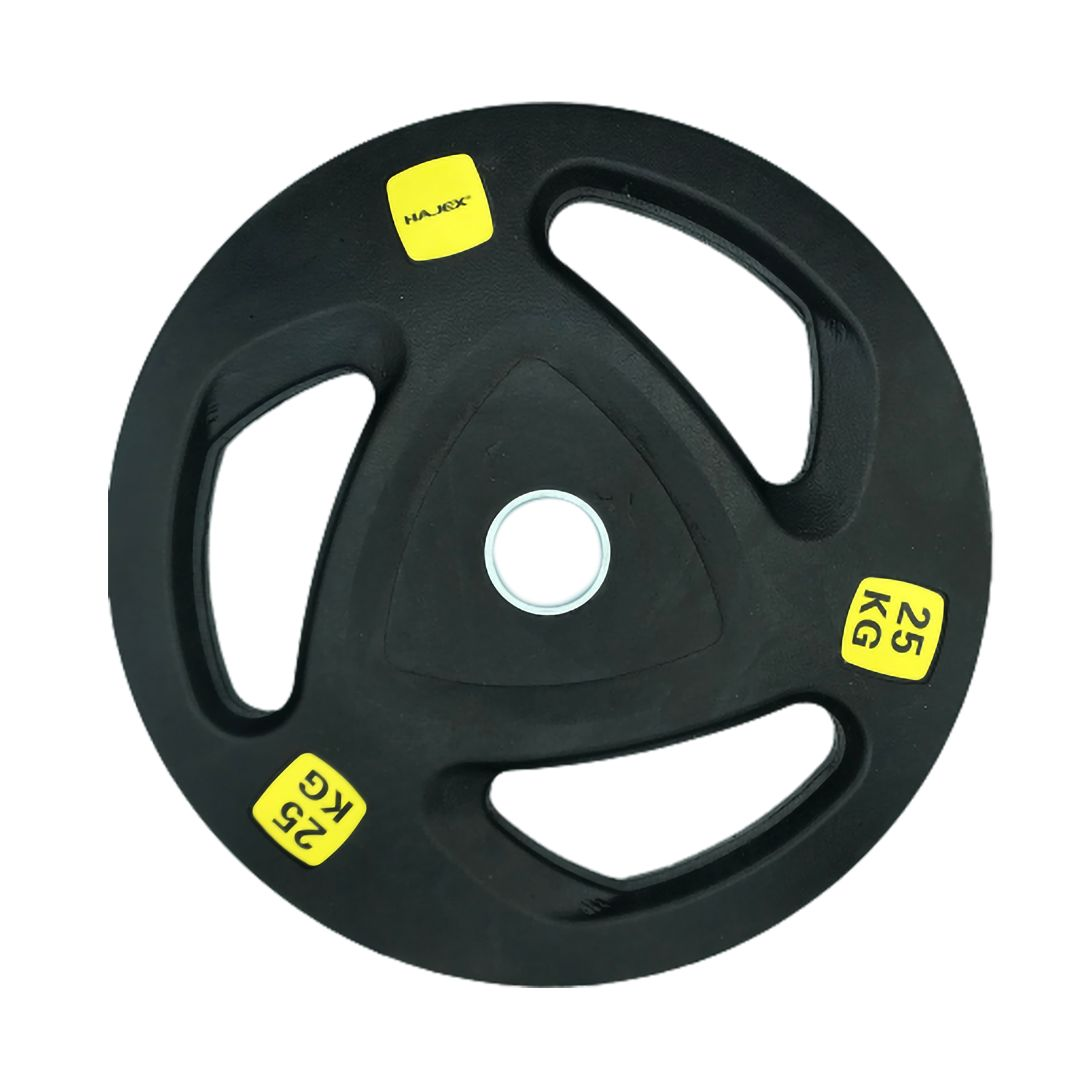 Plaques de poids olympiques en caoutchouc
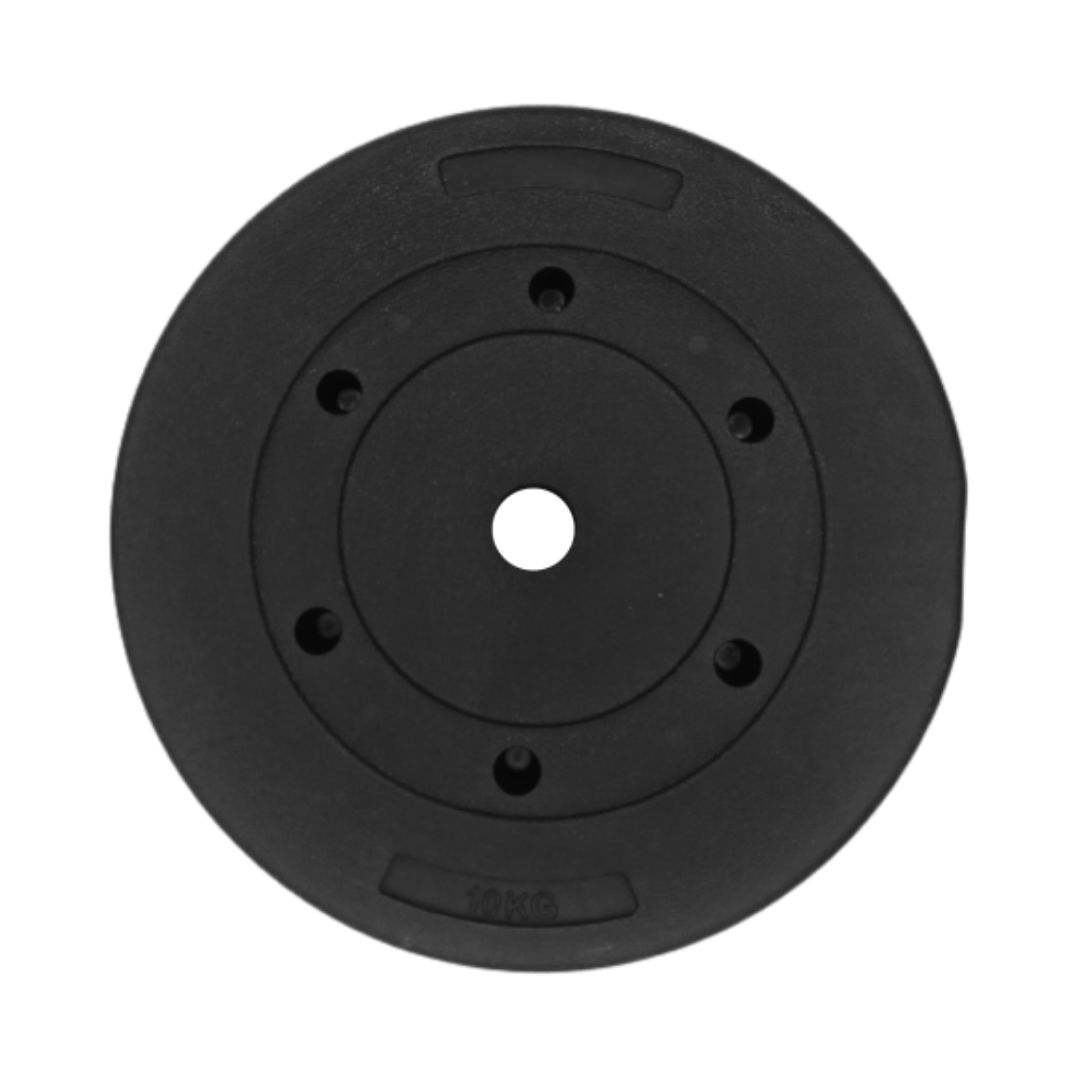 Plaques de poids en PVC
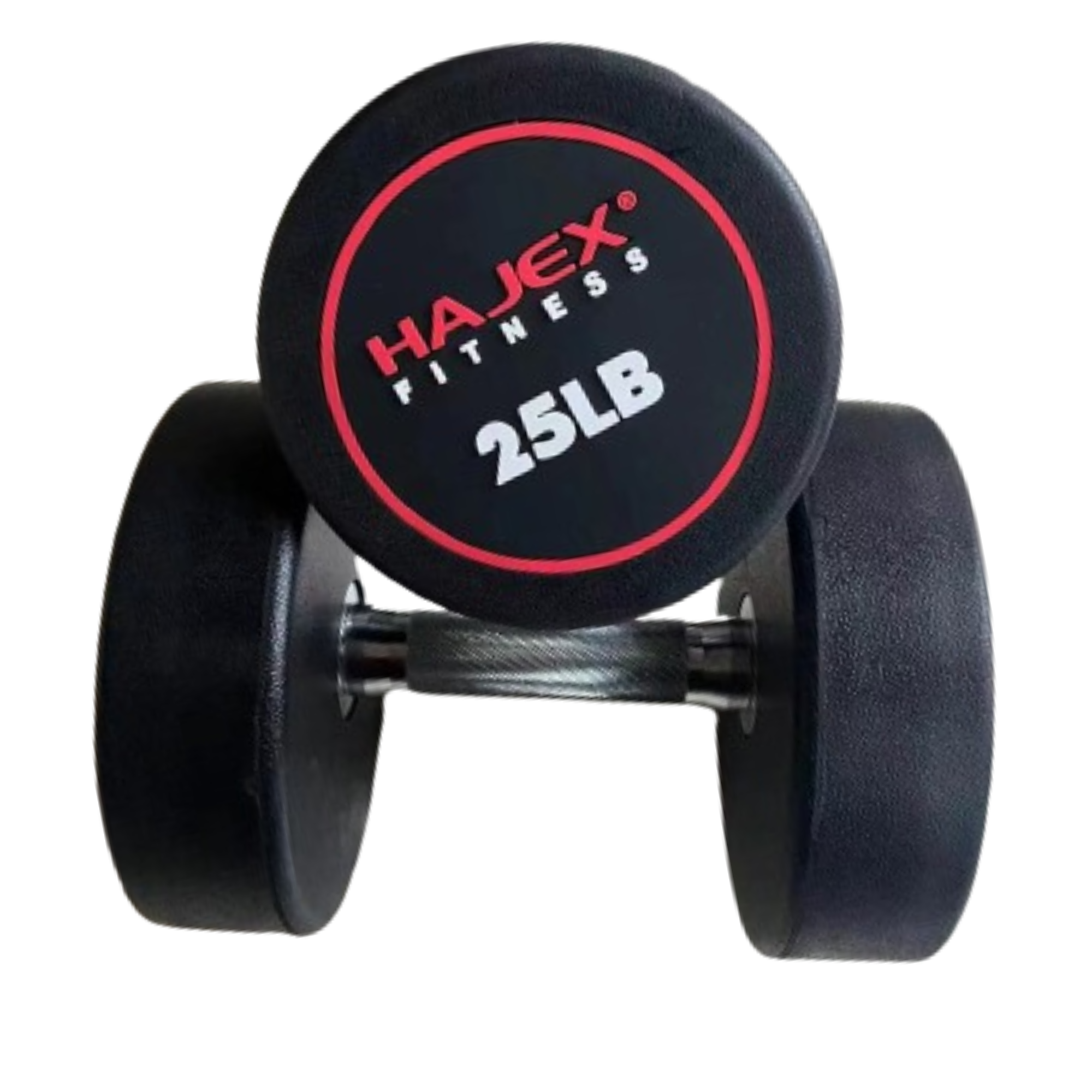 HALTÈRES
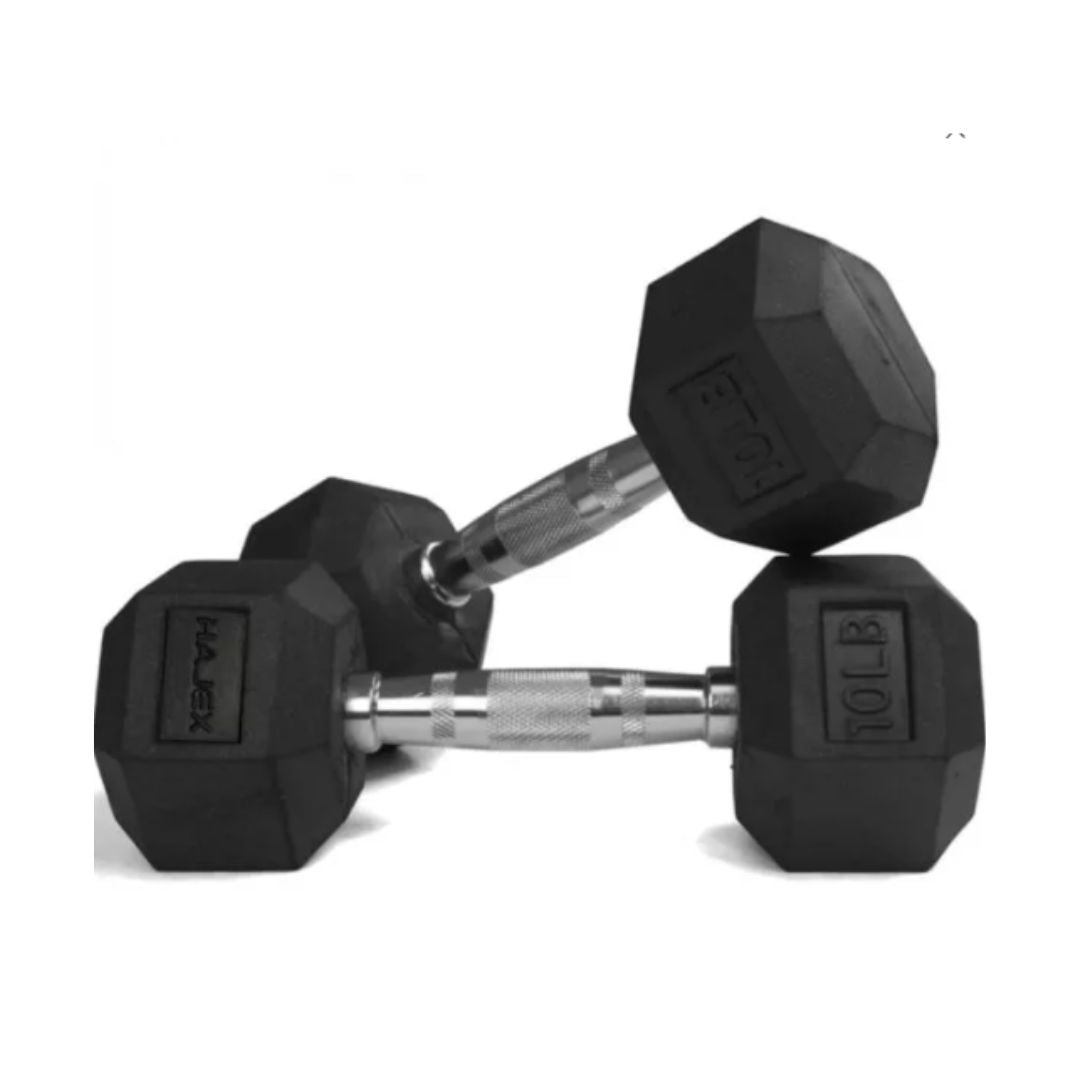 Haltères hexagonaux en caoutchouc
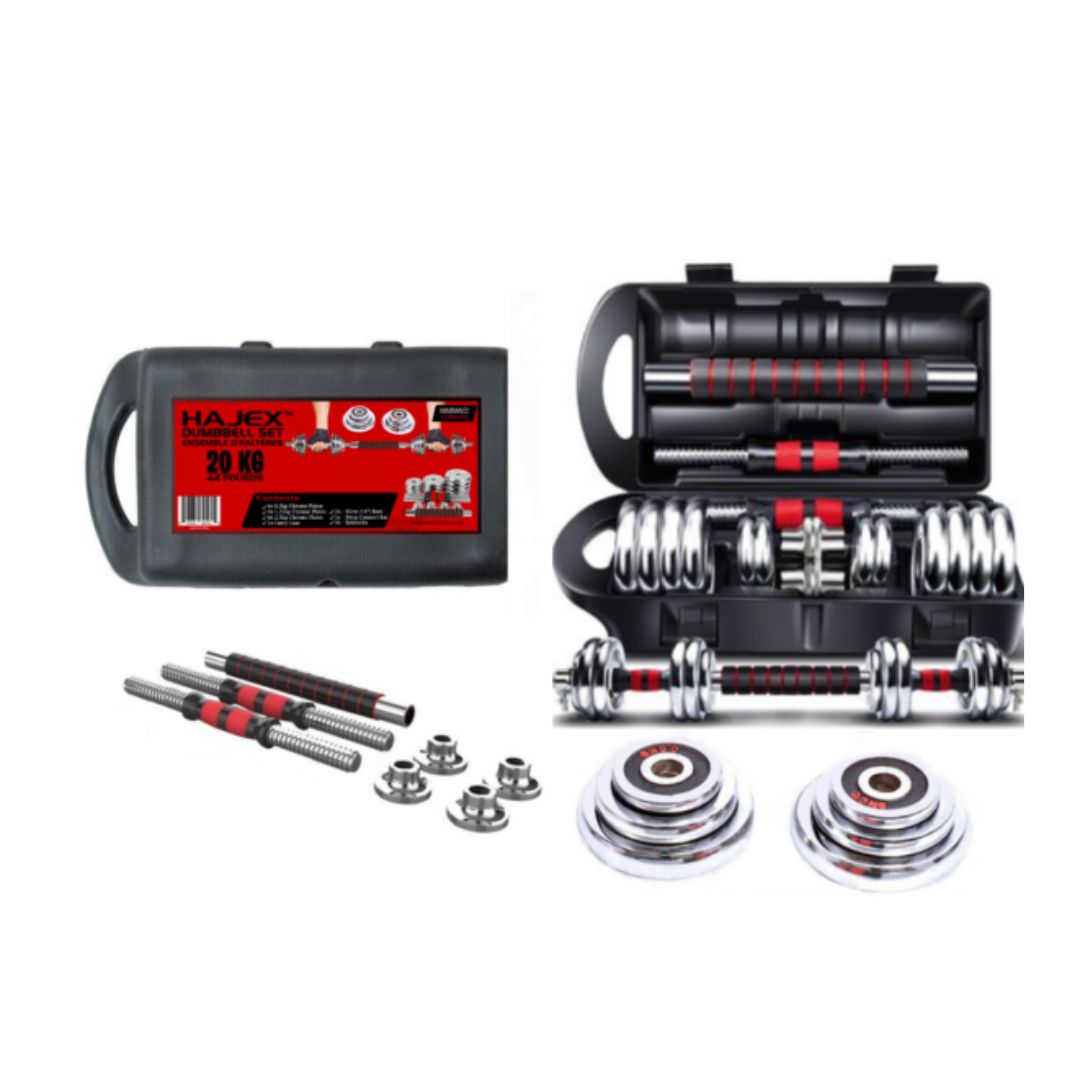 Haltères réglables en fonte
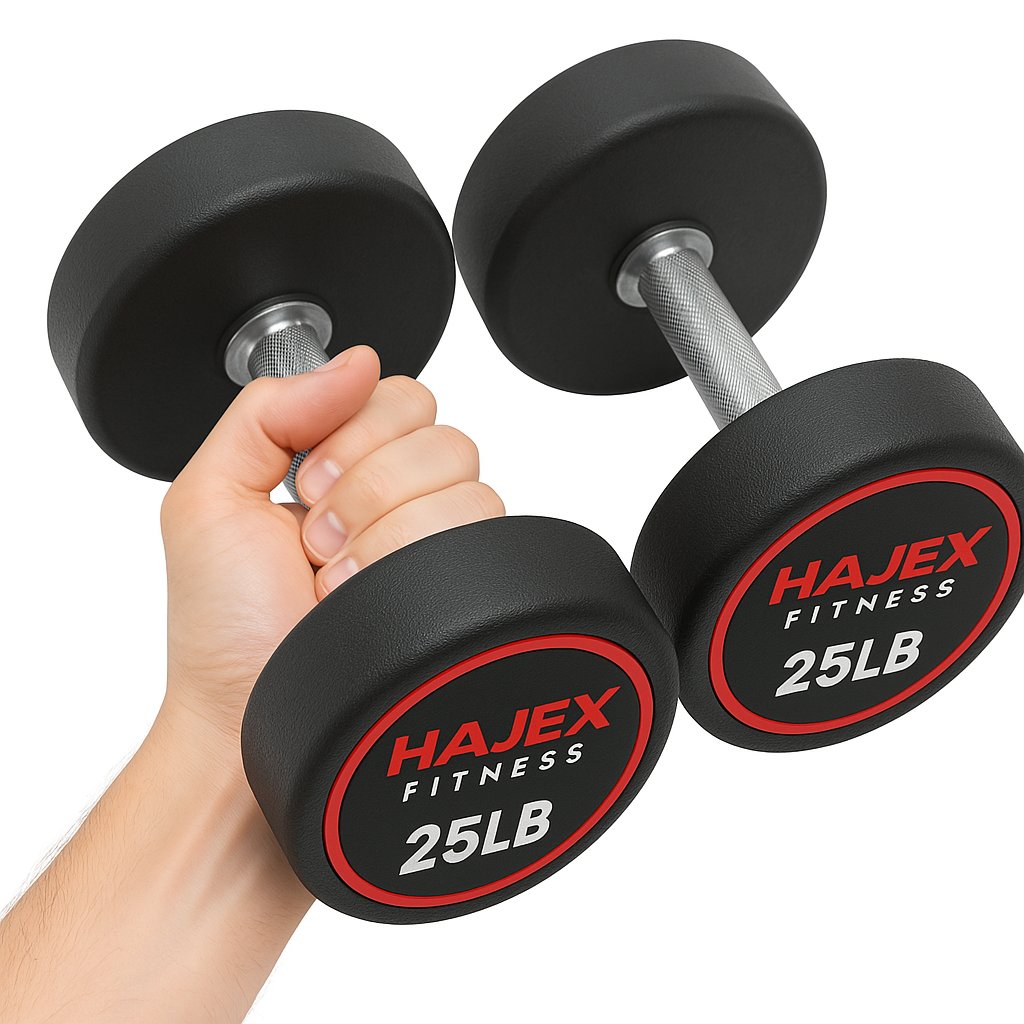
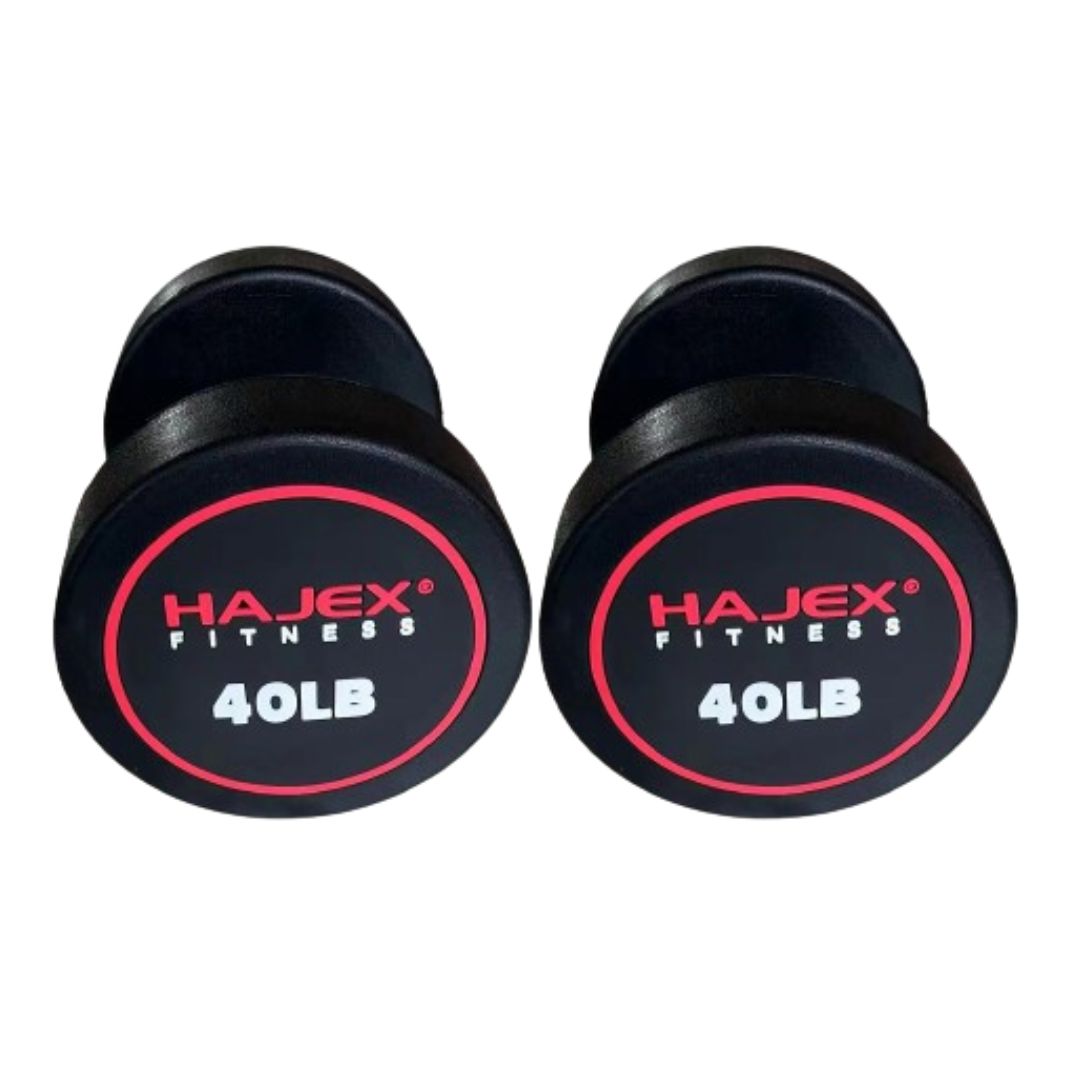 Haltères à tête ronde
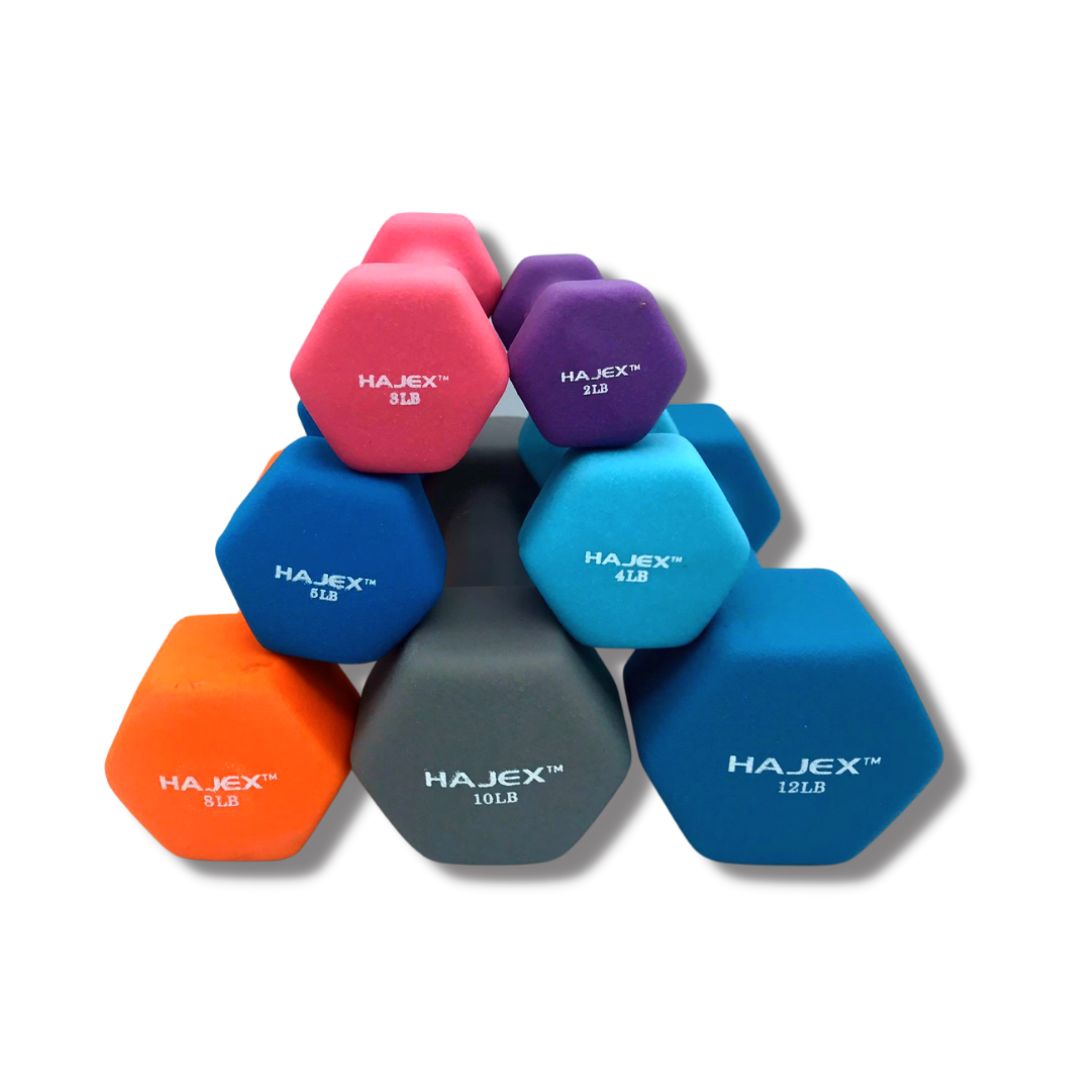 Haltères en néoprène
 BANCS
BANCS
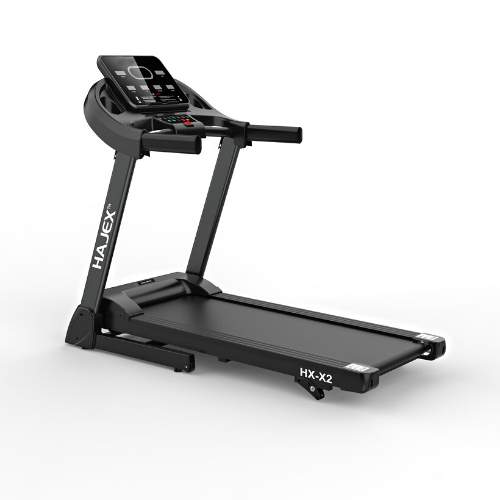 CARDIO
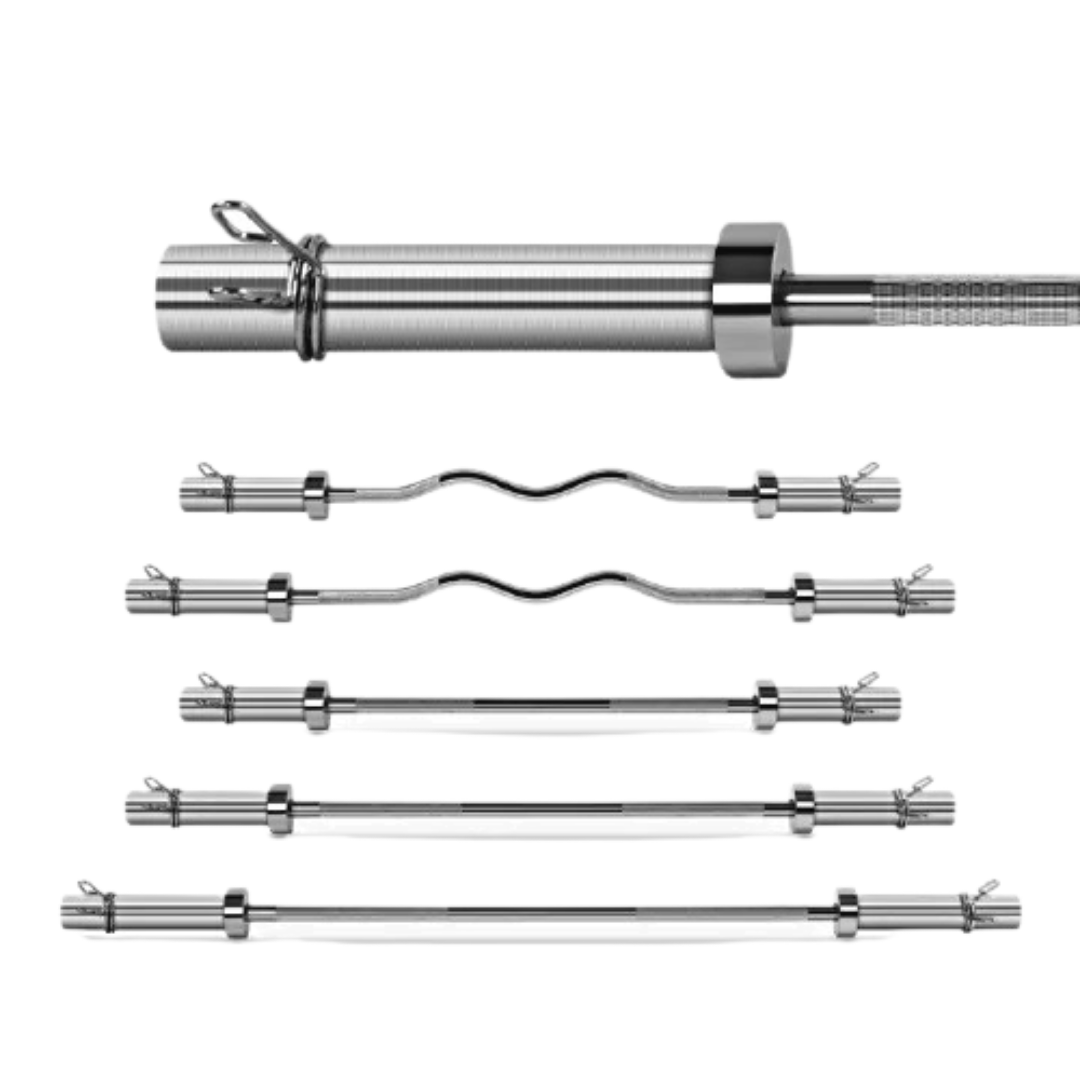 BARRES D'HALTÈRES
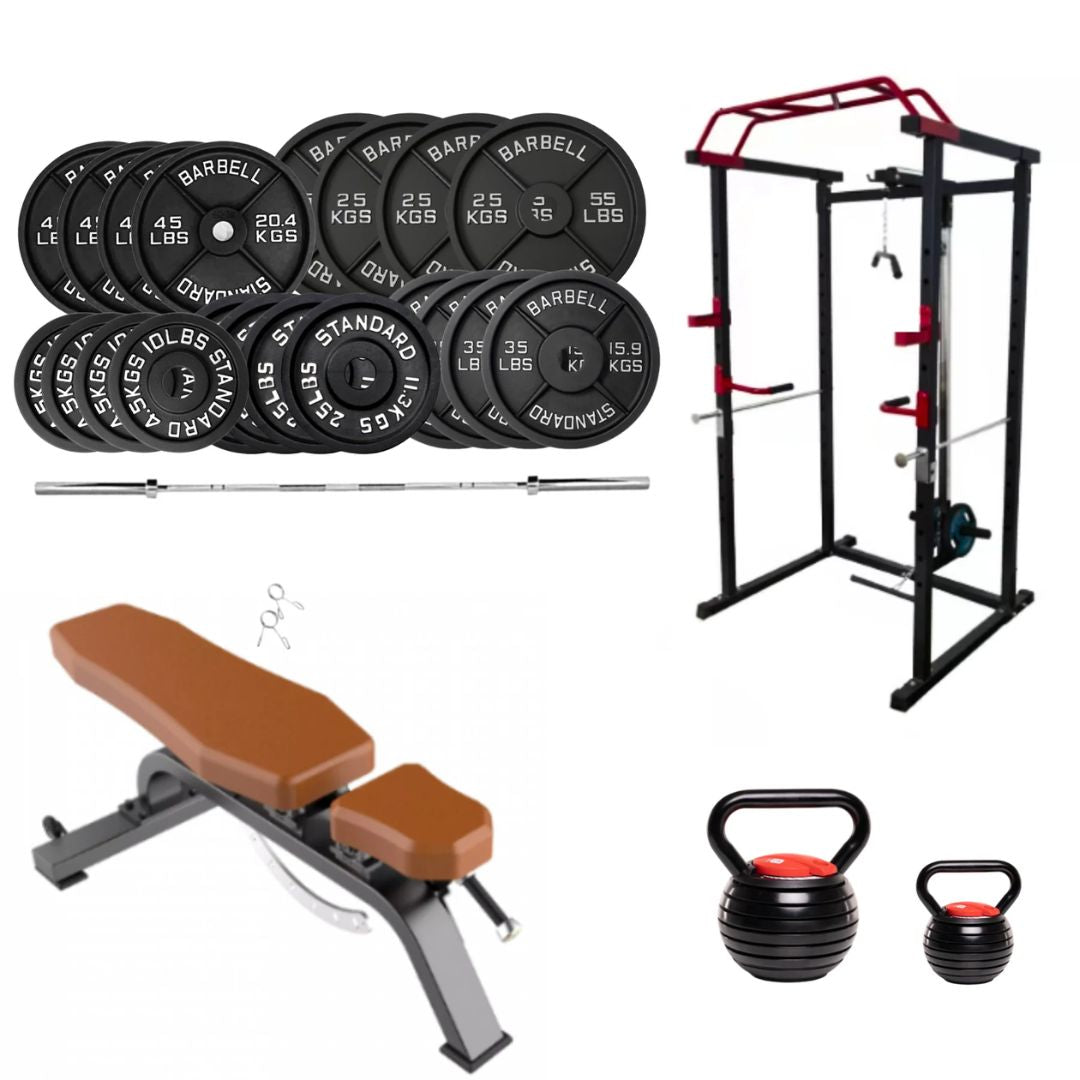 Offres sur les équipements de gym à domicile
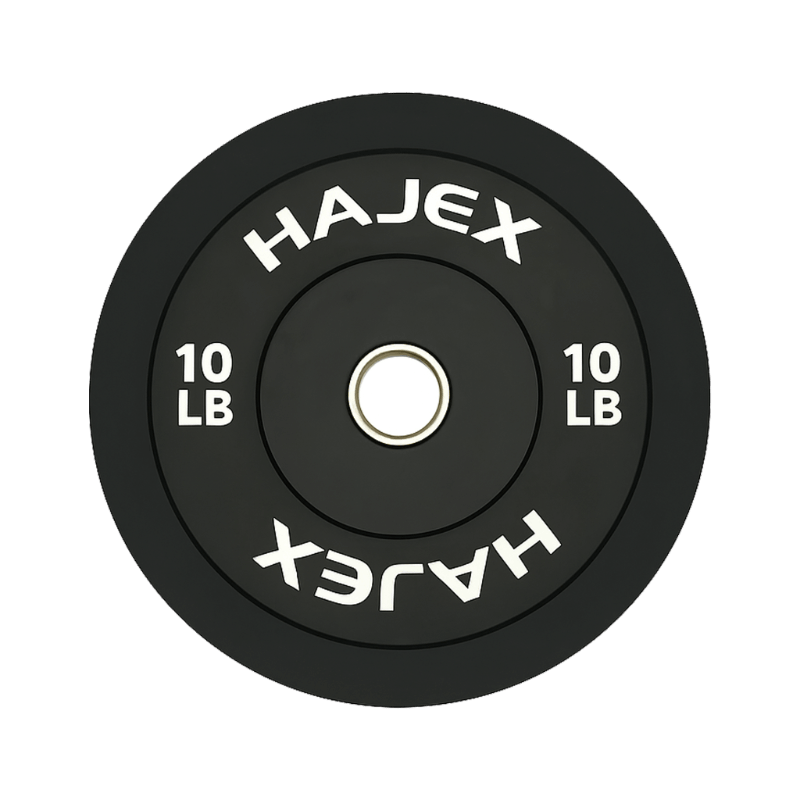 Plaques de pare-chocs olympiques
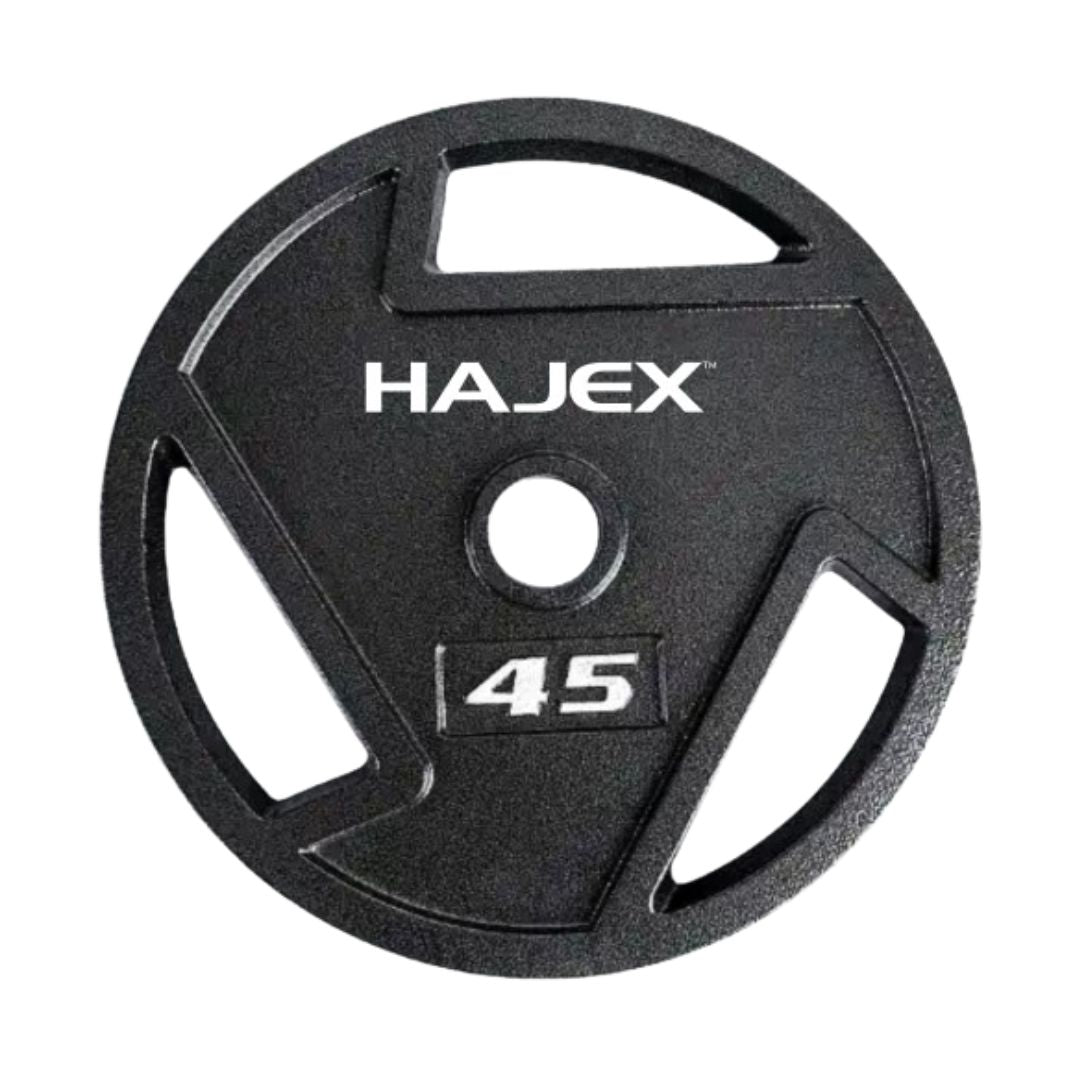 Disques Tri-Grip
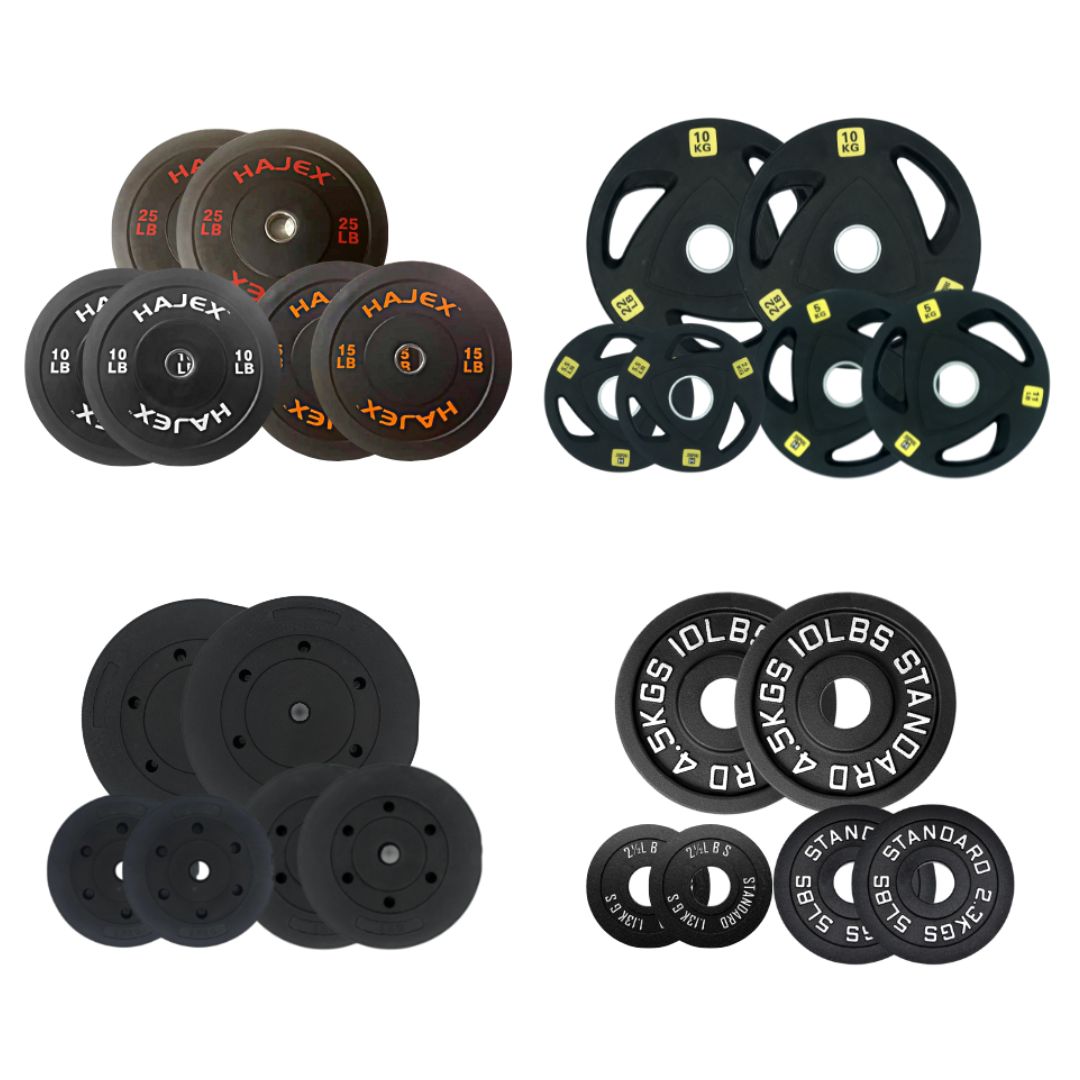 Ensemble de disques de poids
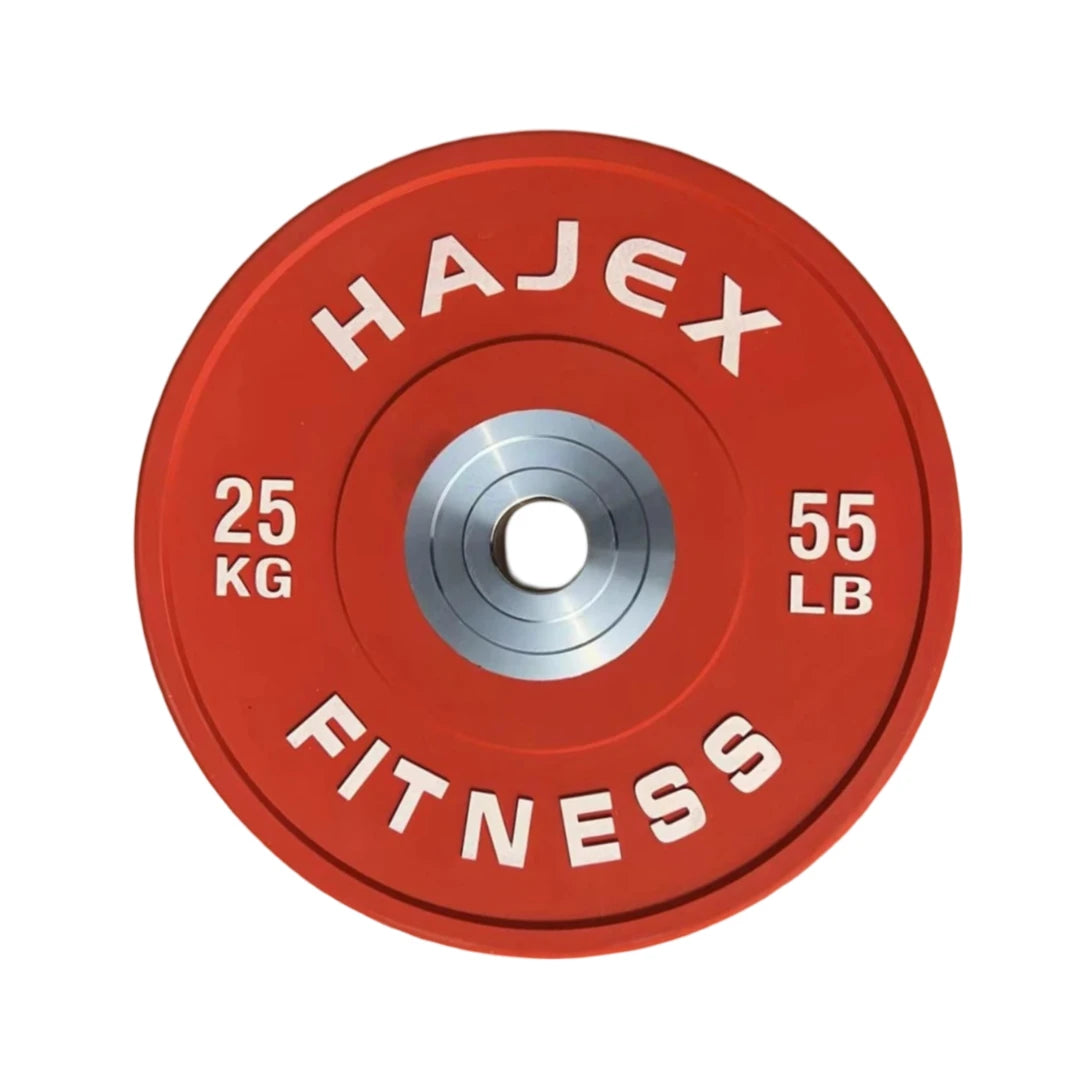 Plaques de pare-chocs Olympic Steel Hub
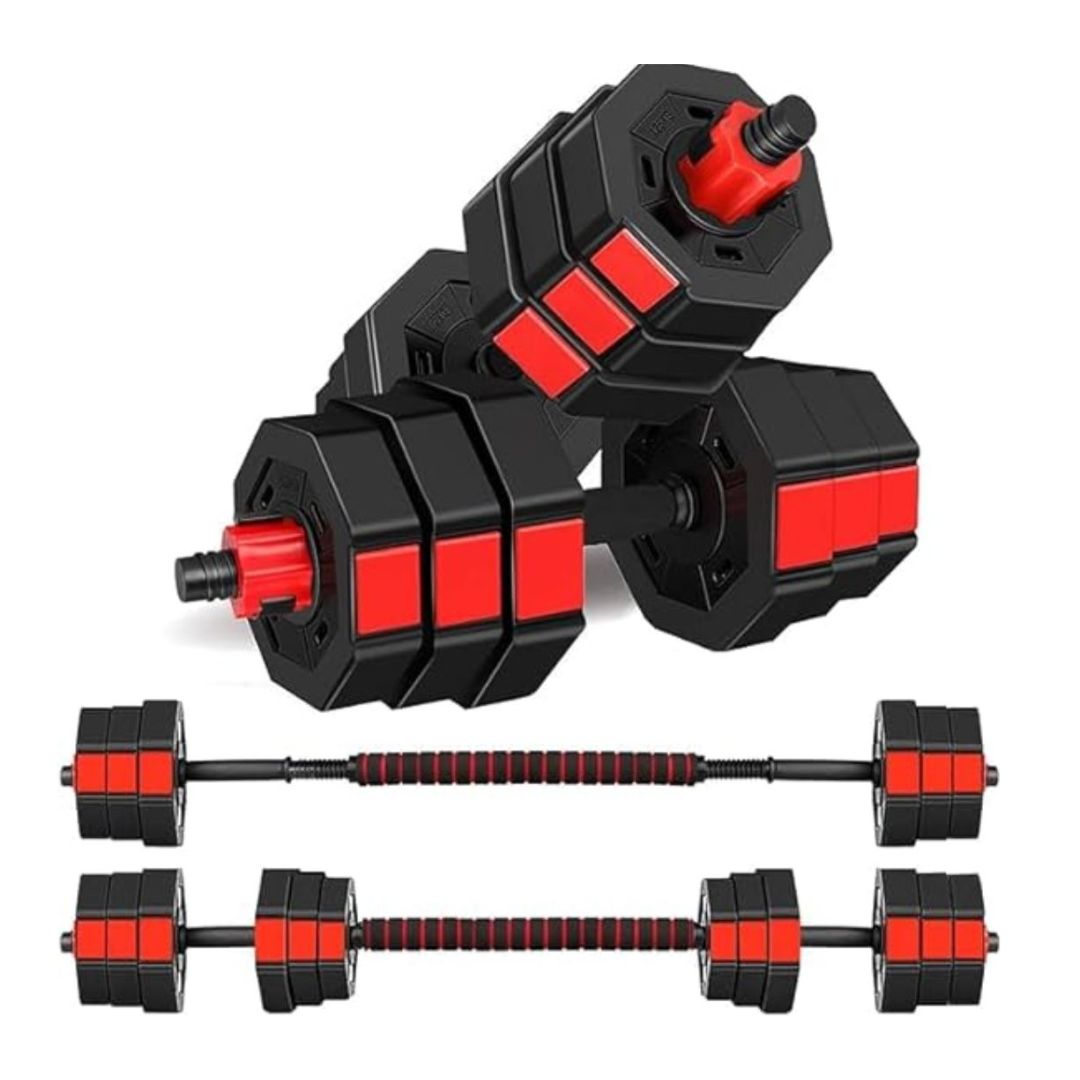 Haltères en PVC
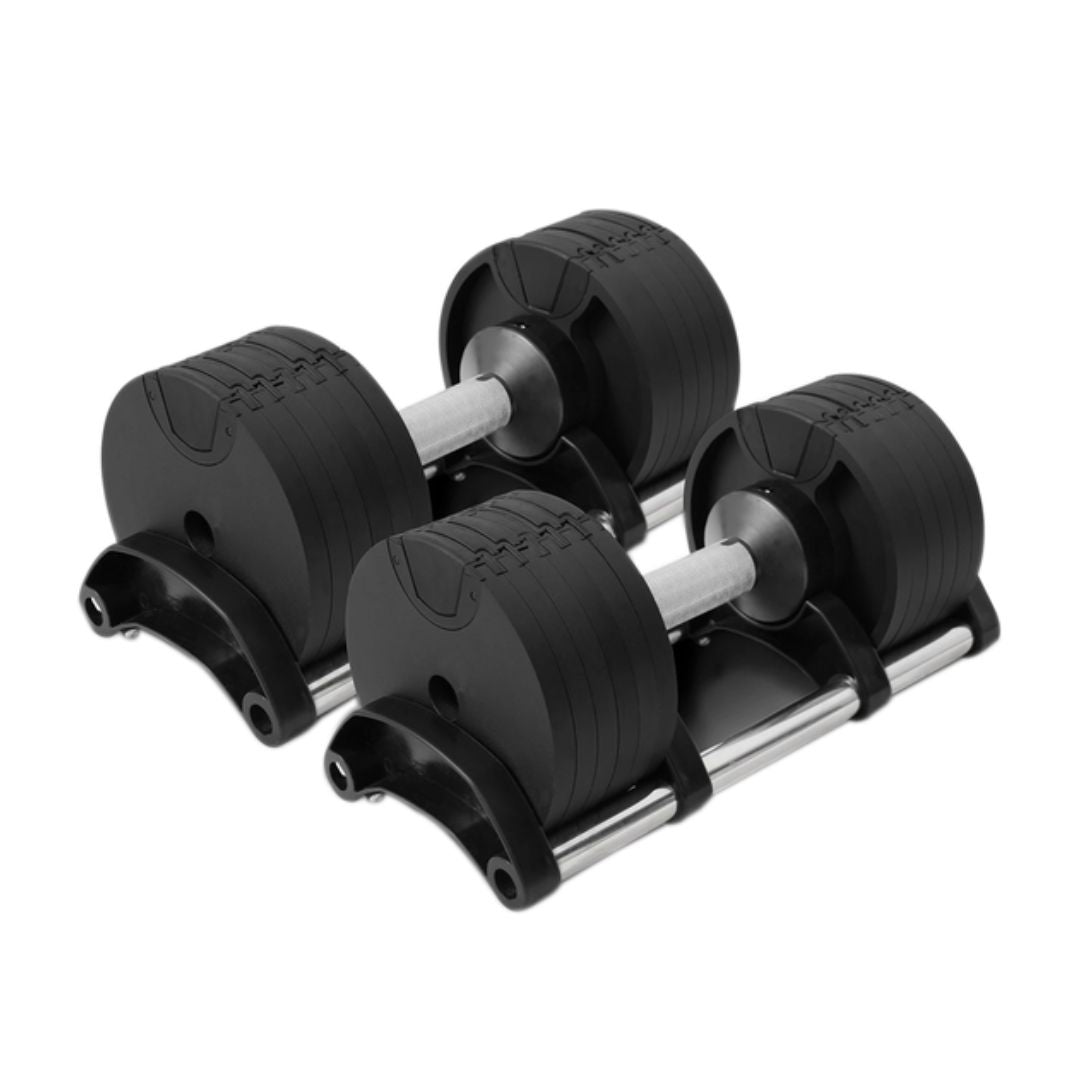 Haltères ajustables NUO Style
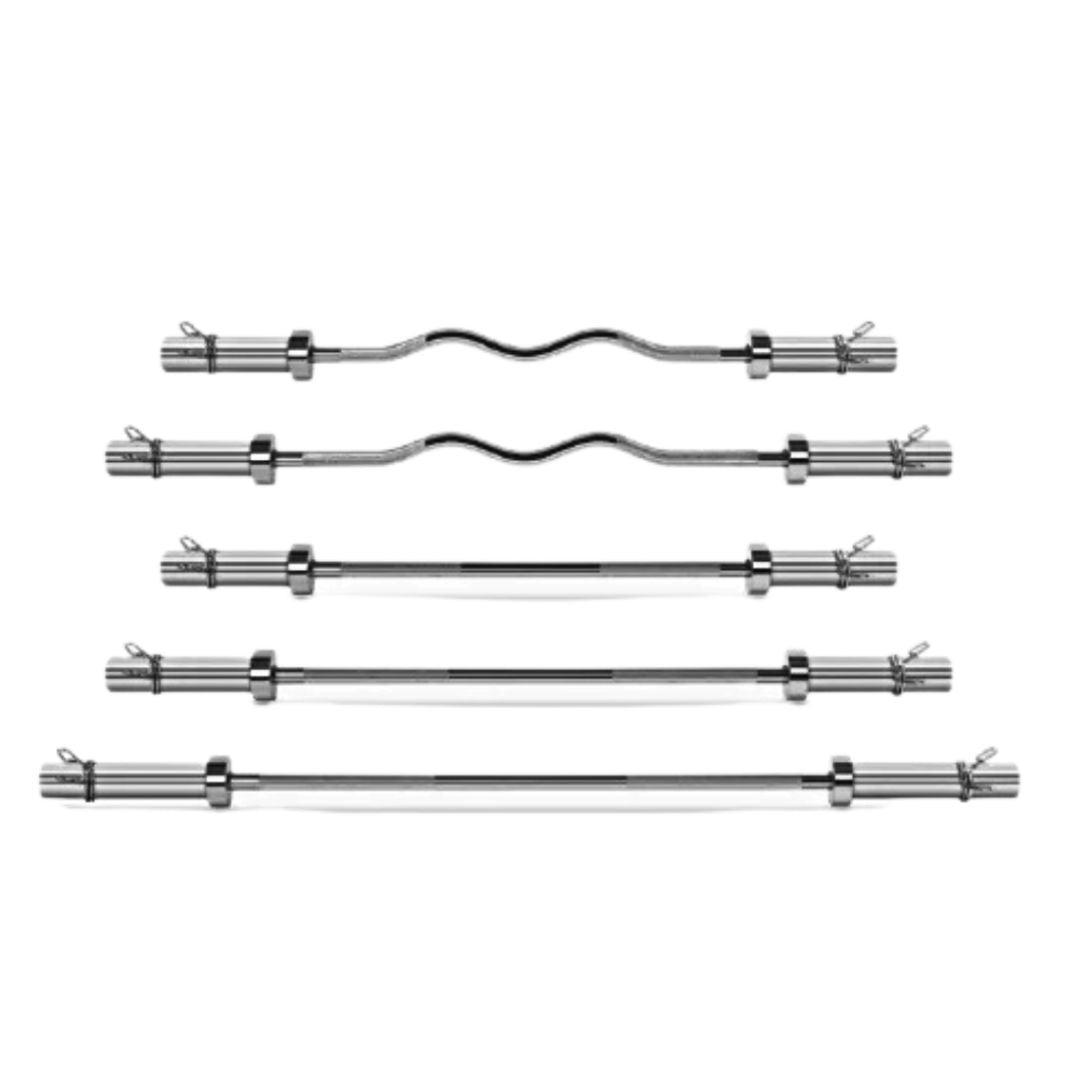 Barres olympiques 2"
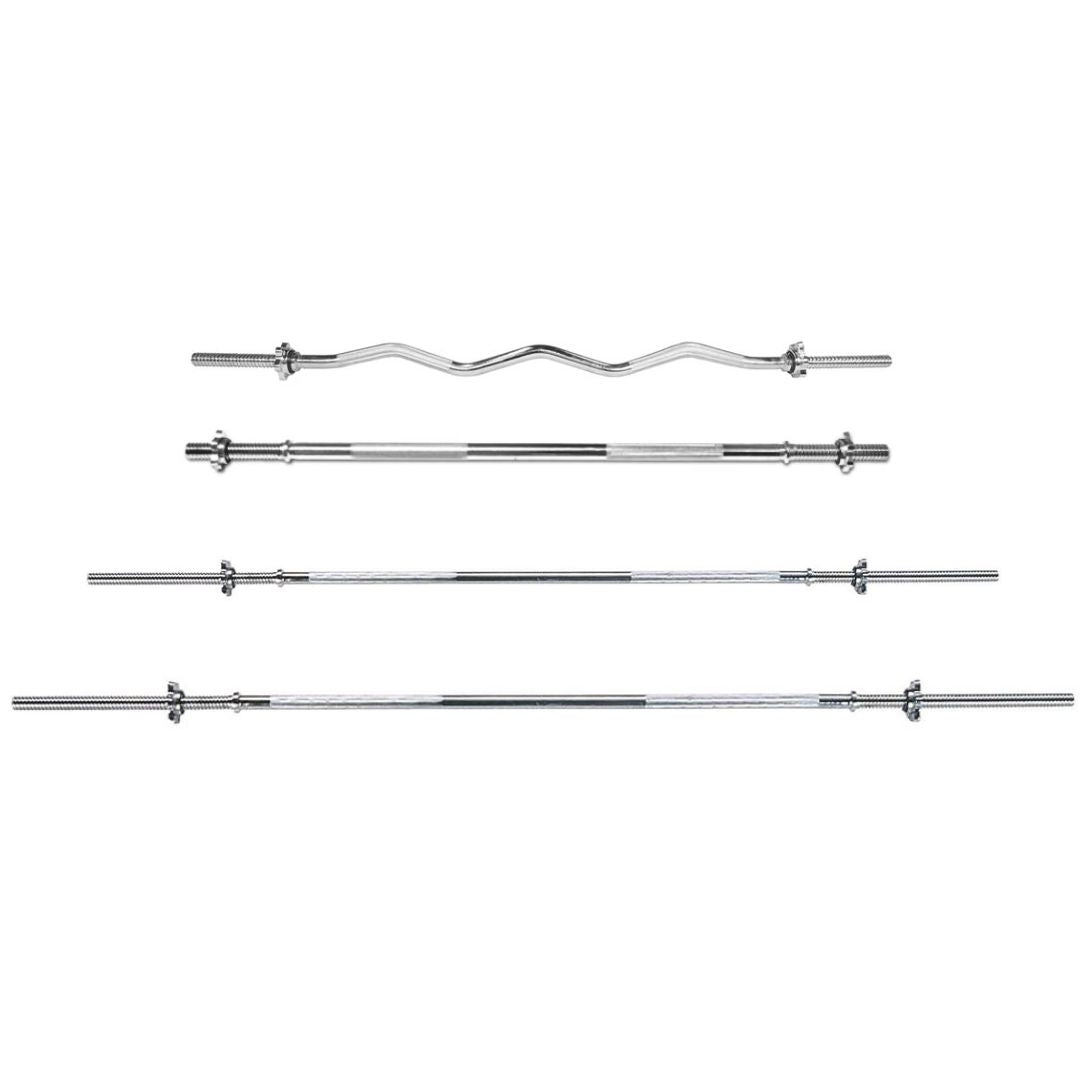 Haltères standards 2,54 cm
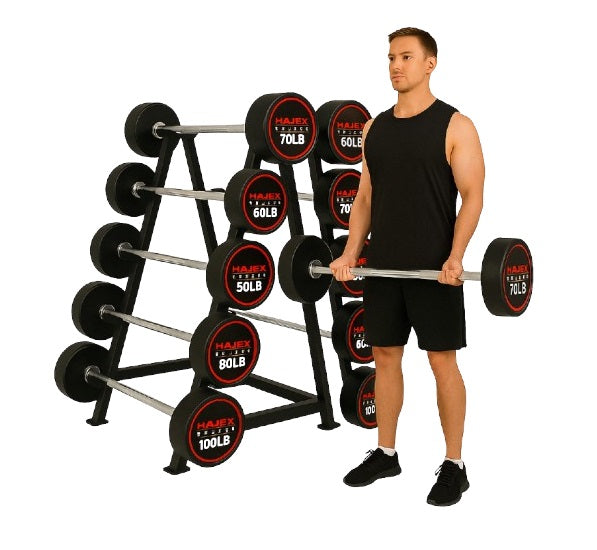
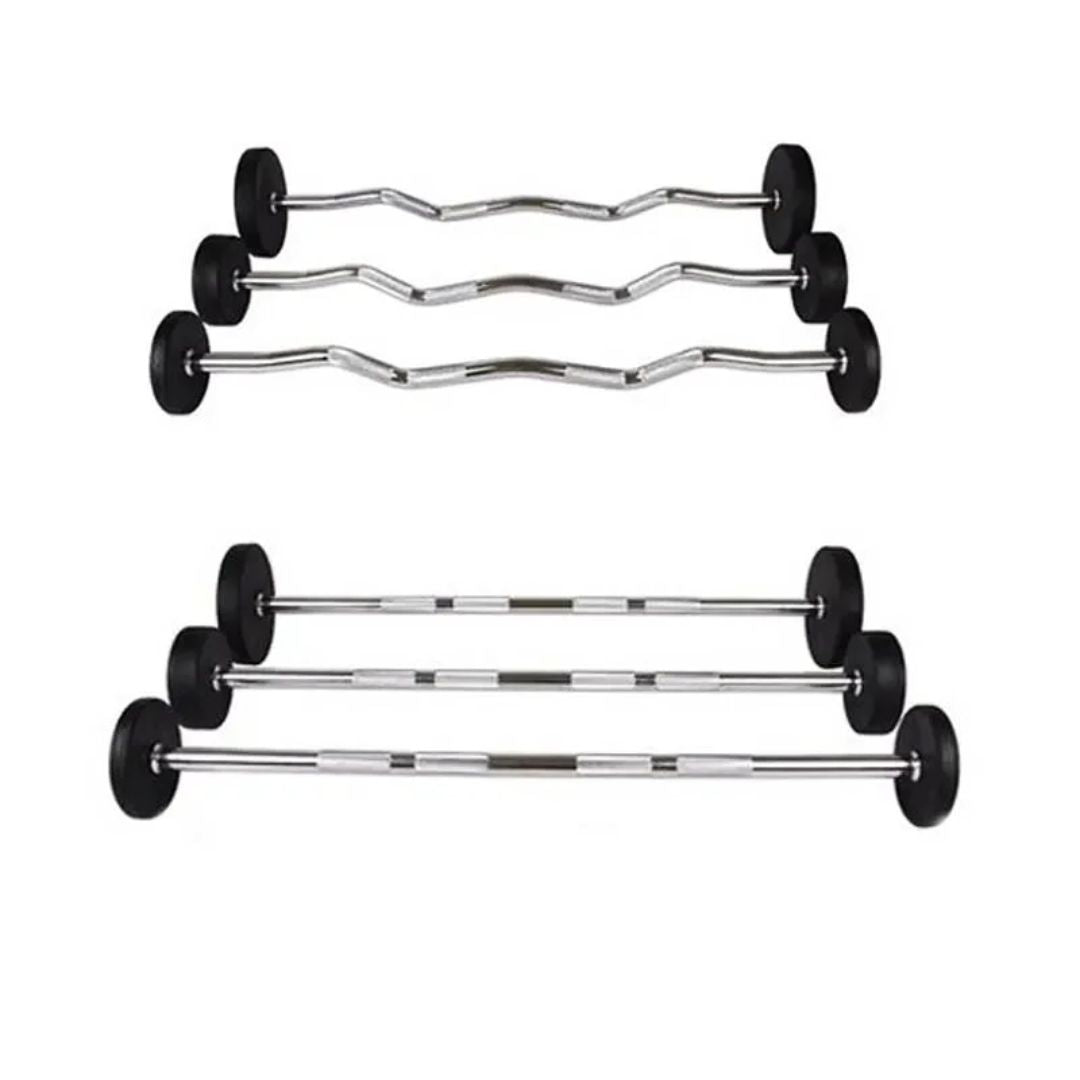 Barres à poids fixes
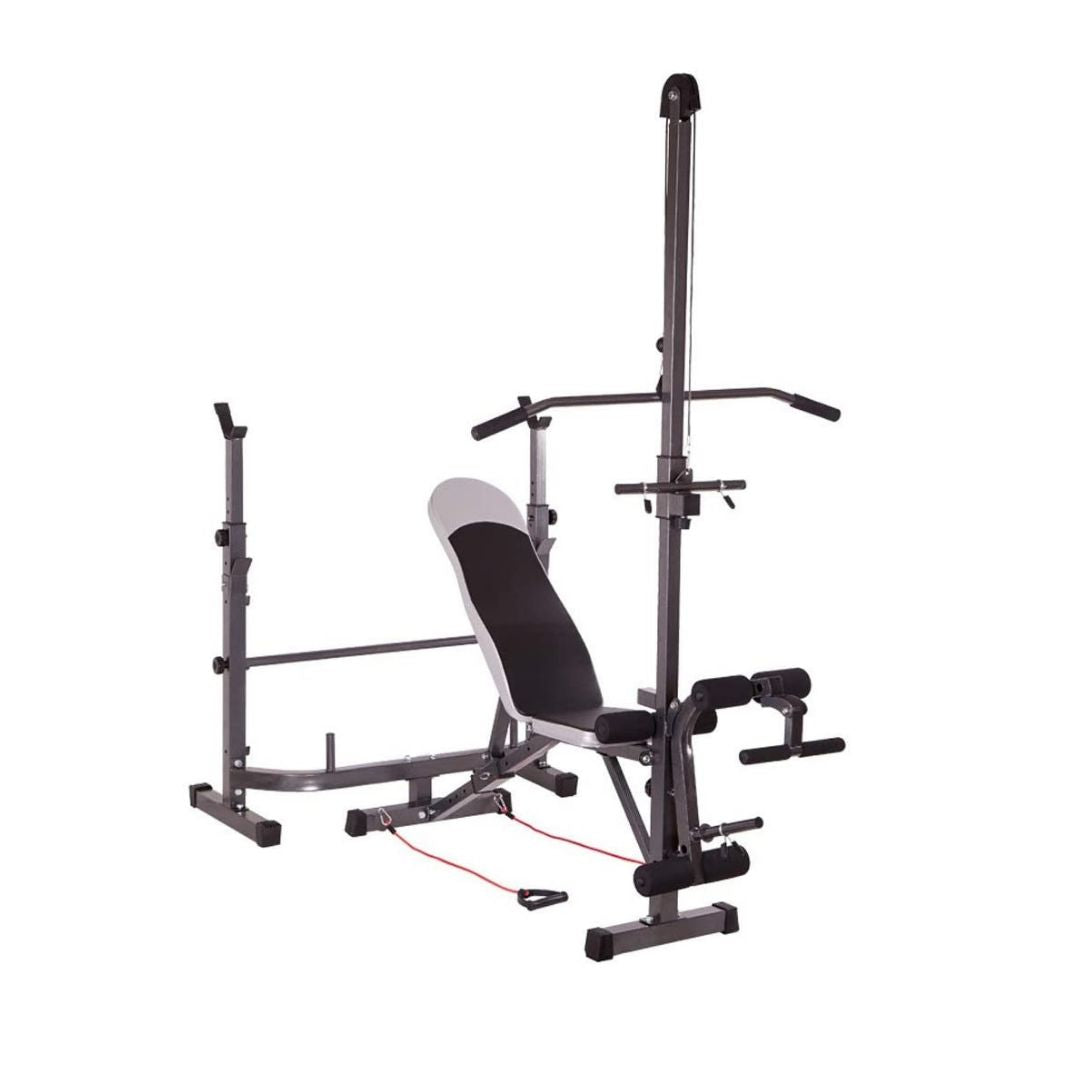 Bancs avec poulie et rack
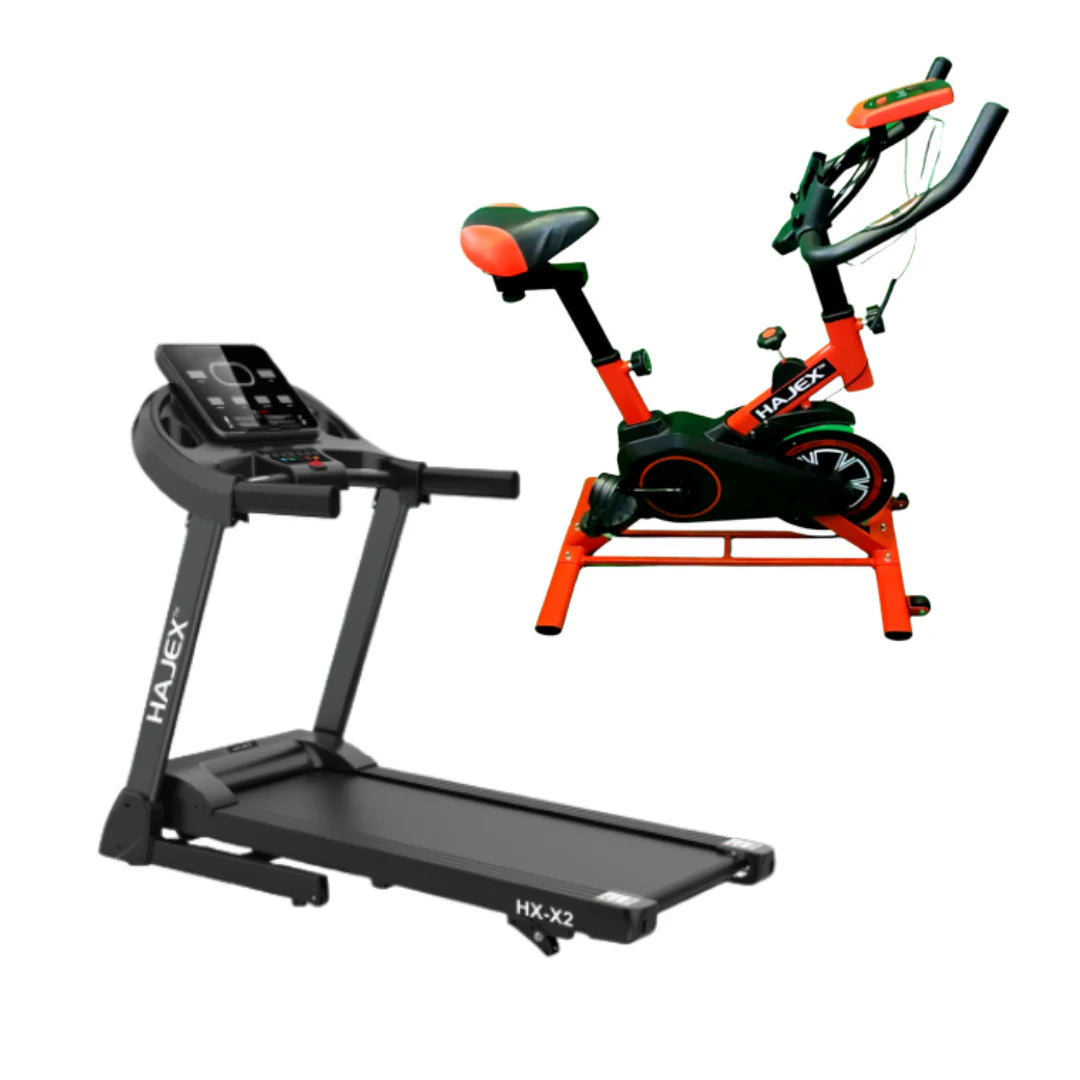 CARDIO
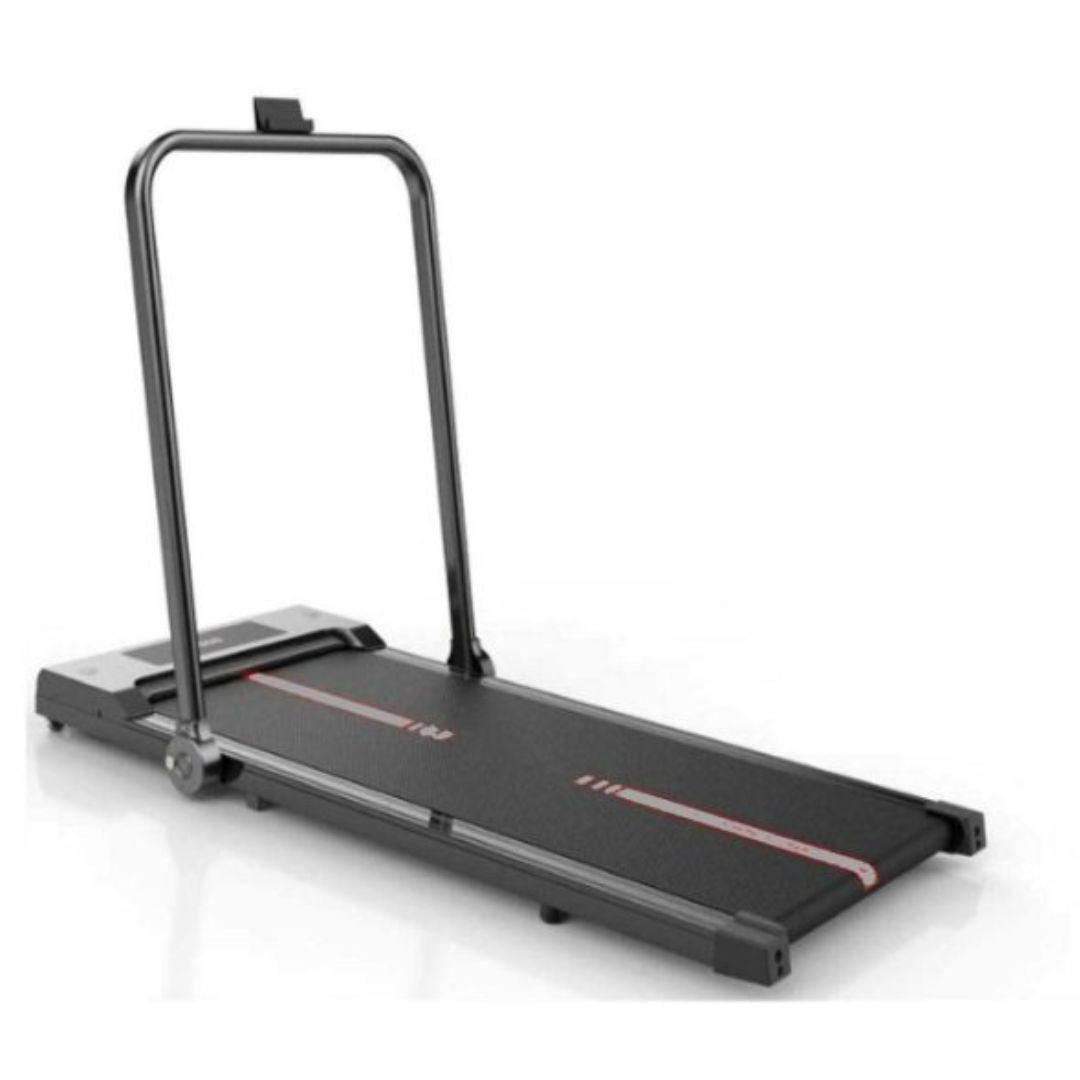 Tapis de marche pliables
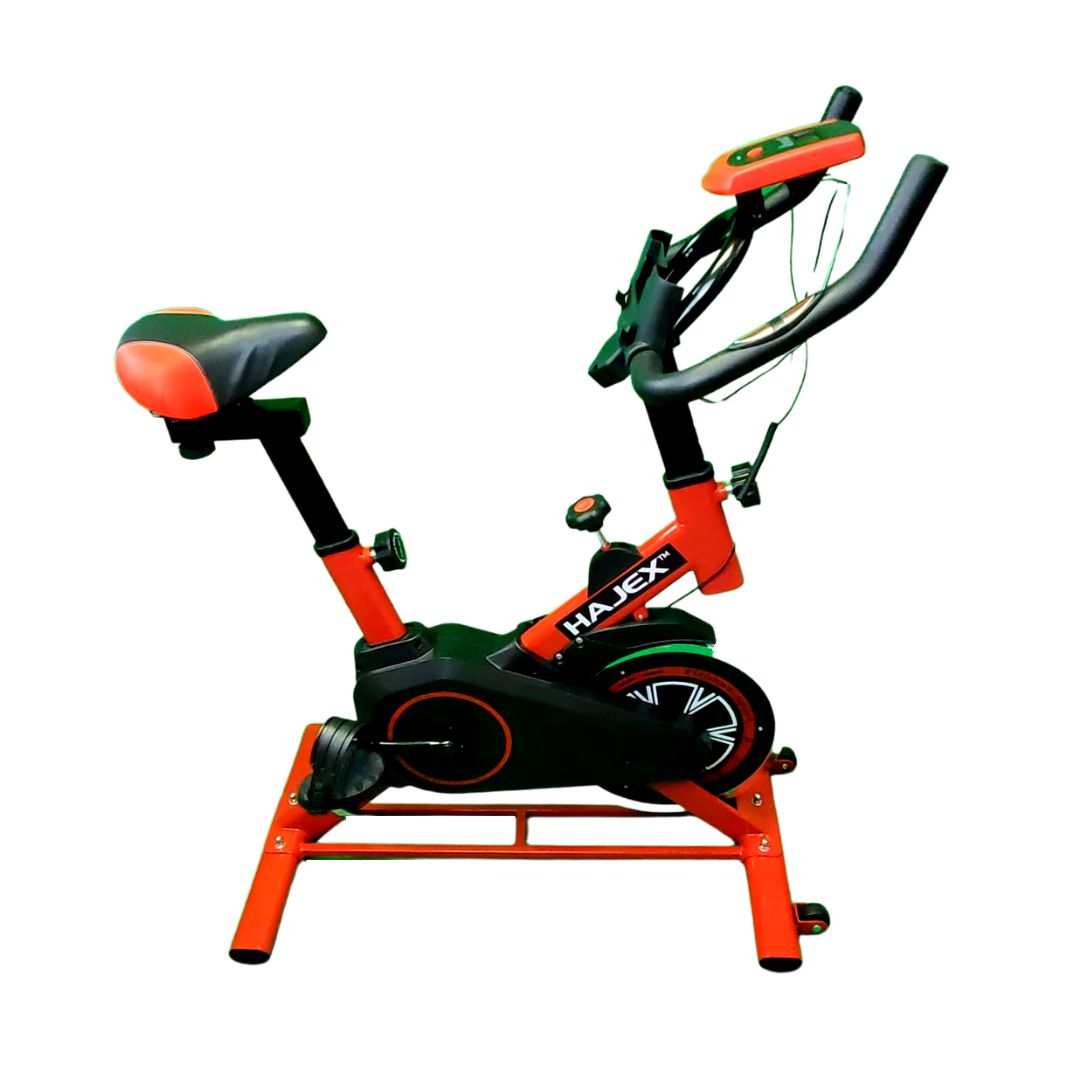 Vélos d'exercice
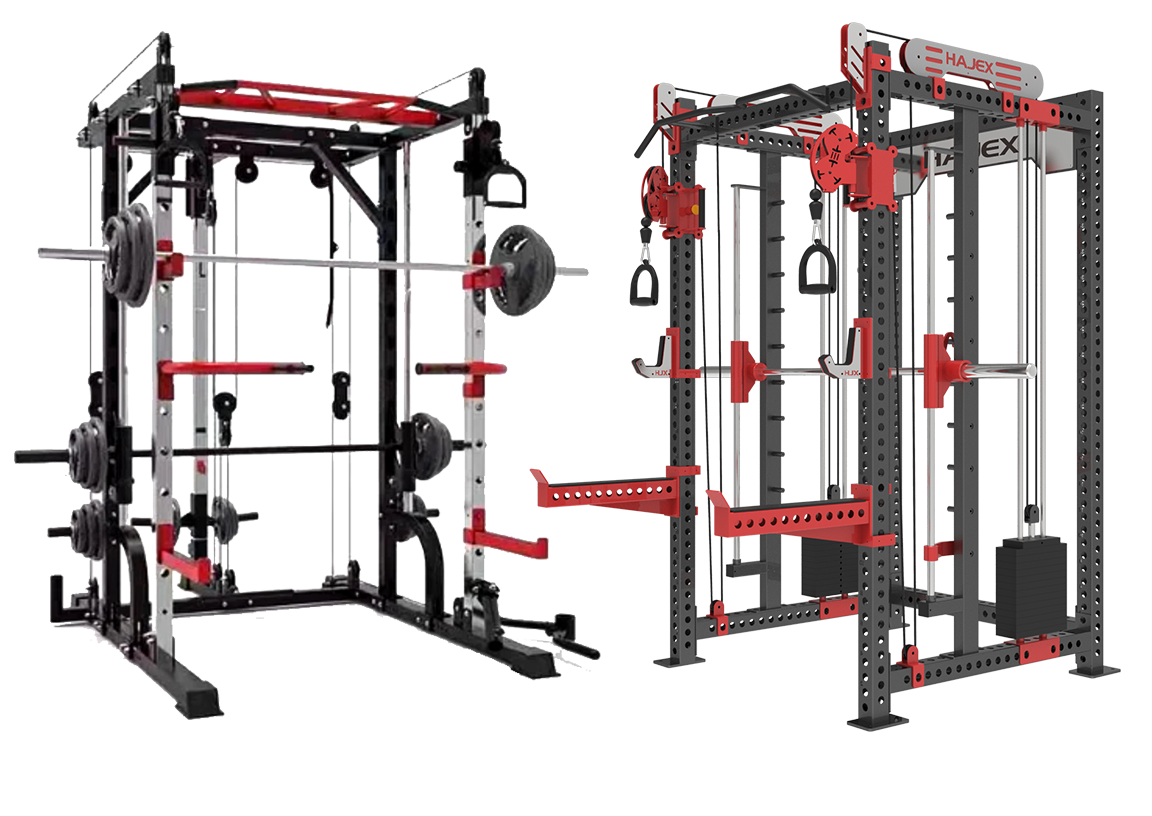 RACKS, CAGES ET APPAREILS SMITH
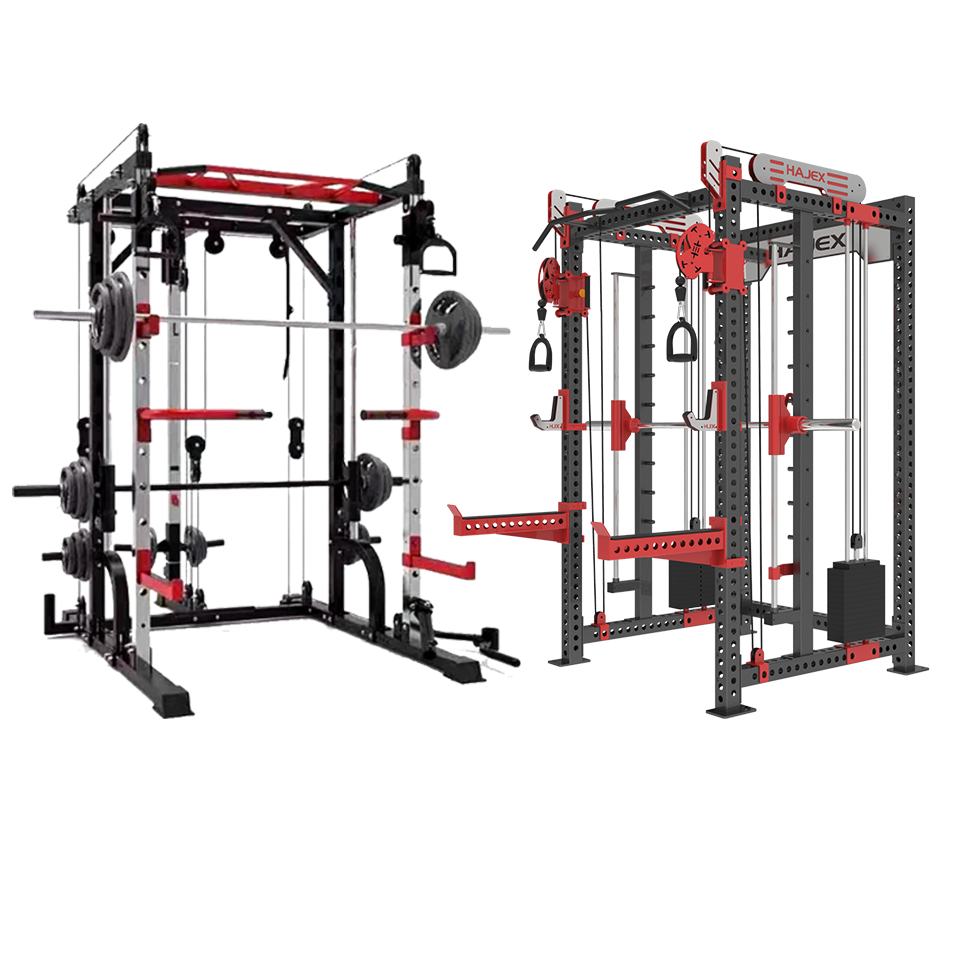 Machines Smith
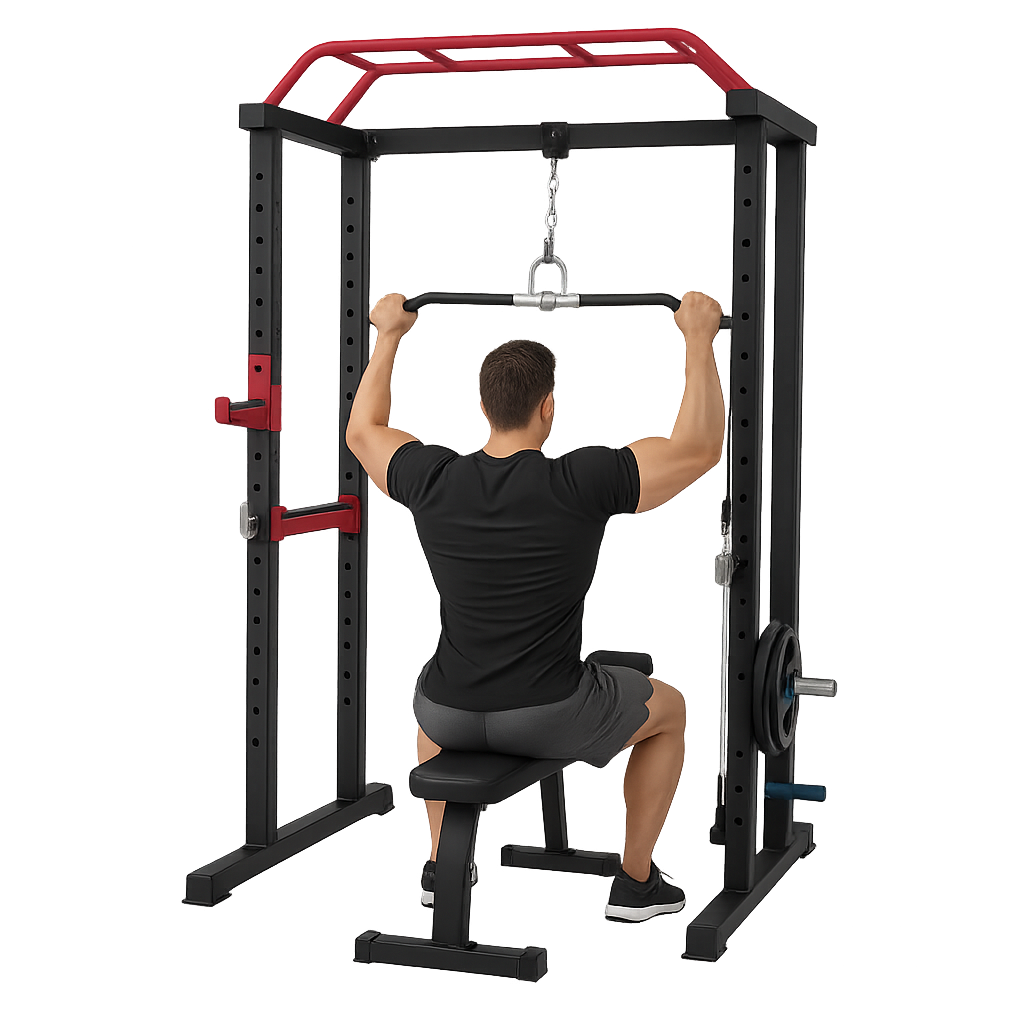 Supports d'alimentation
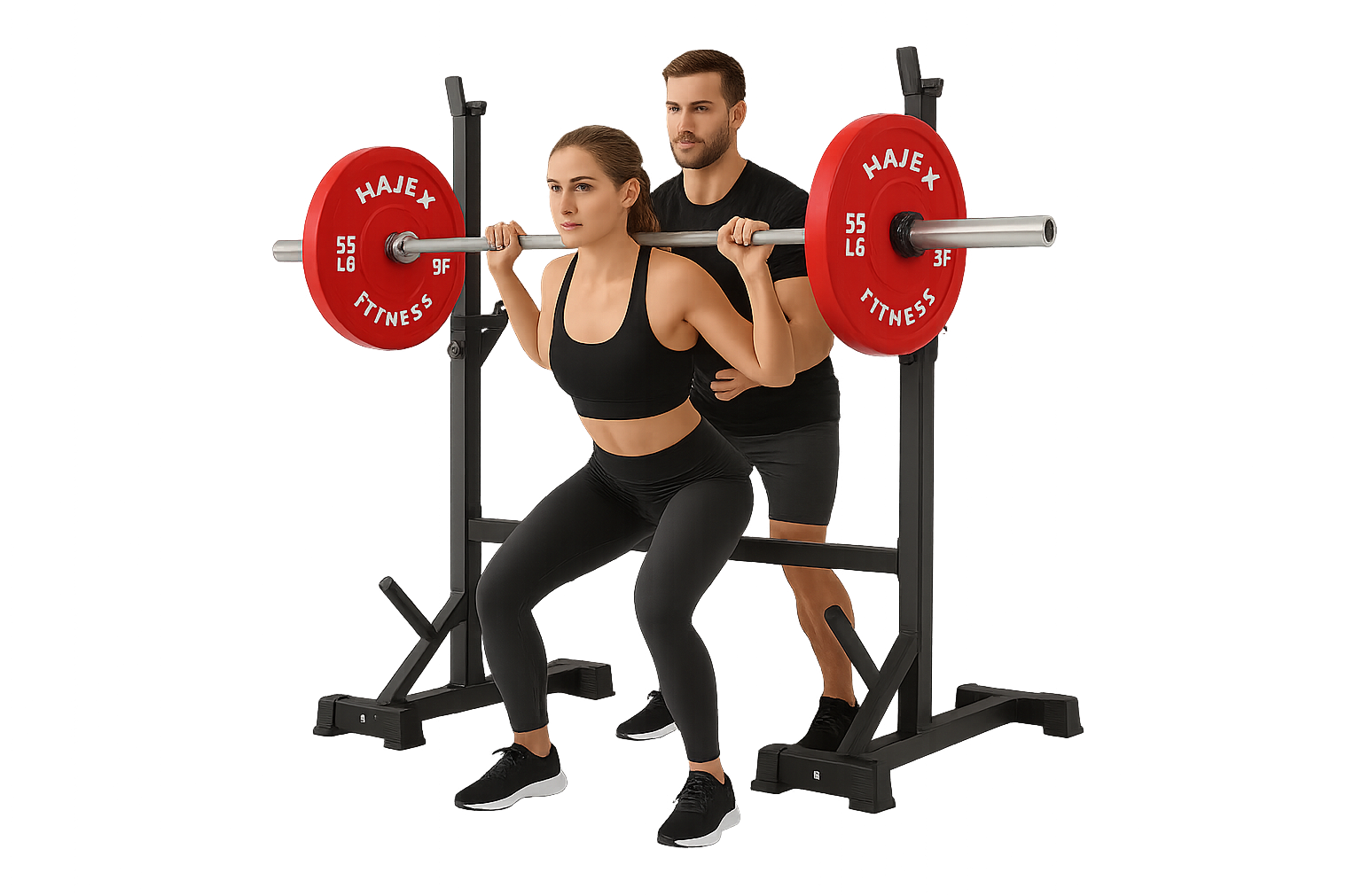 Supports à squats
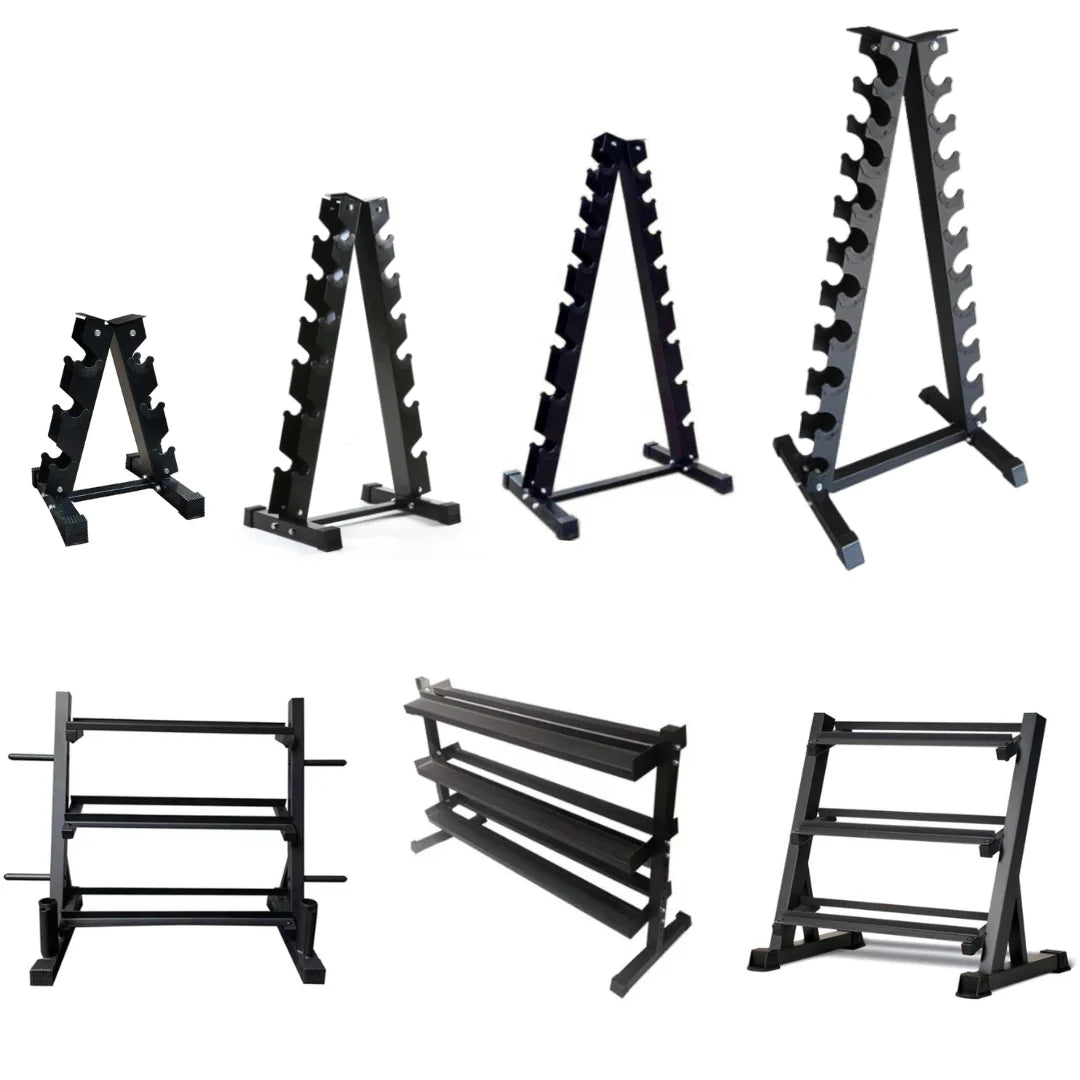 RAYONNAGES DE STOCKAGE
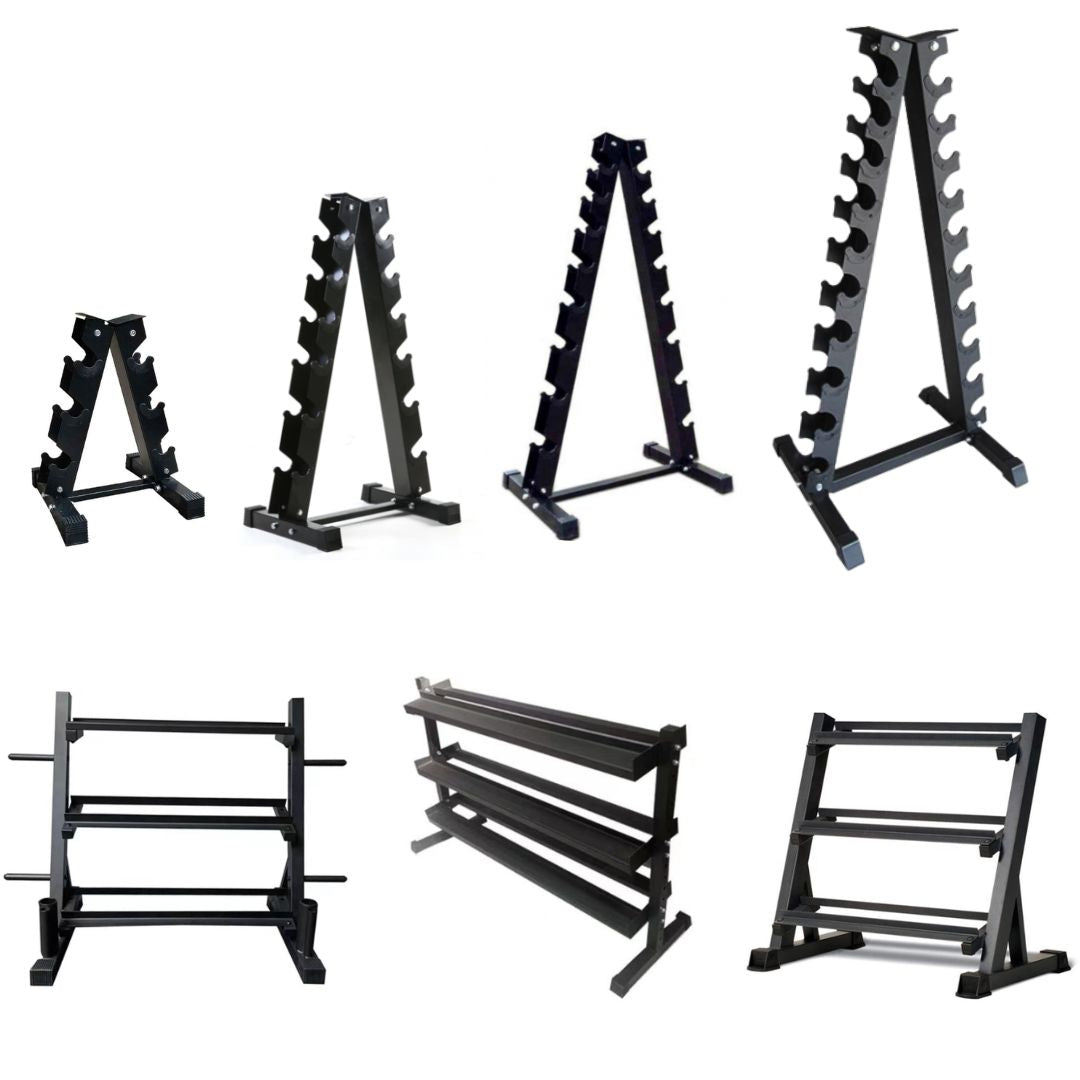 Râteliers pour haltères et kettlebells
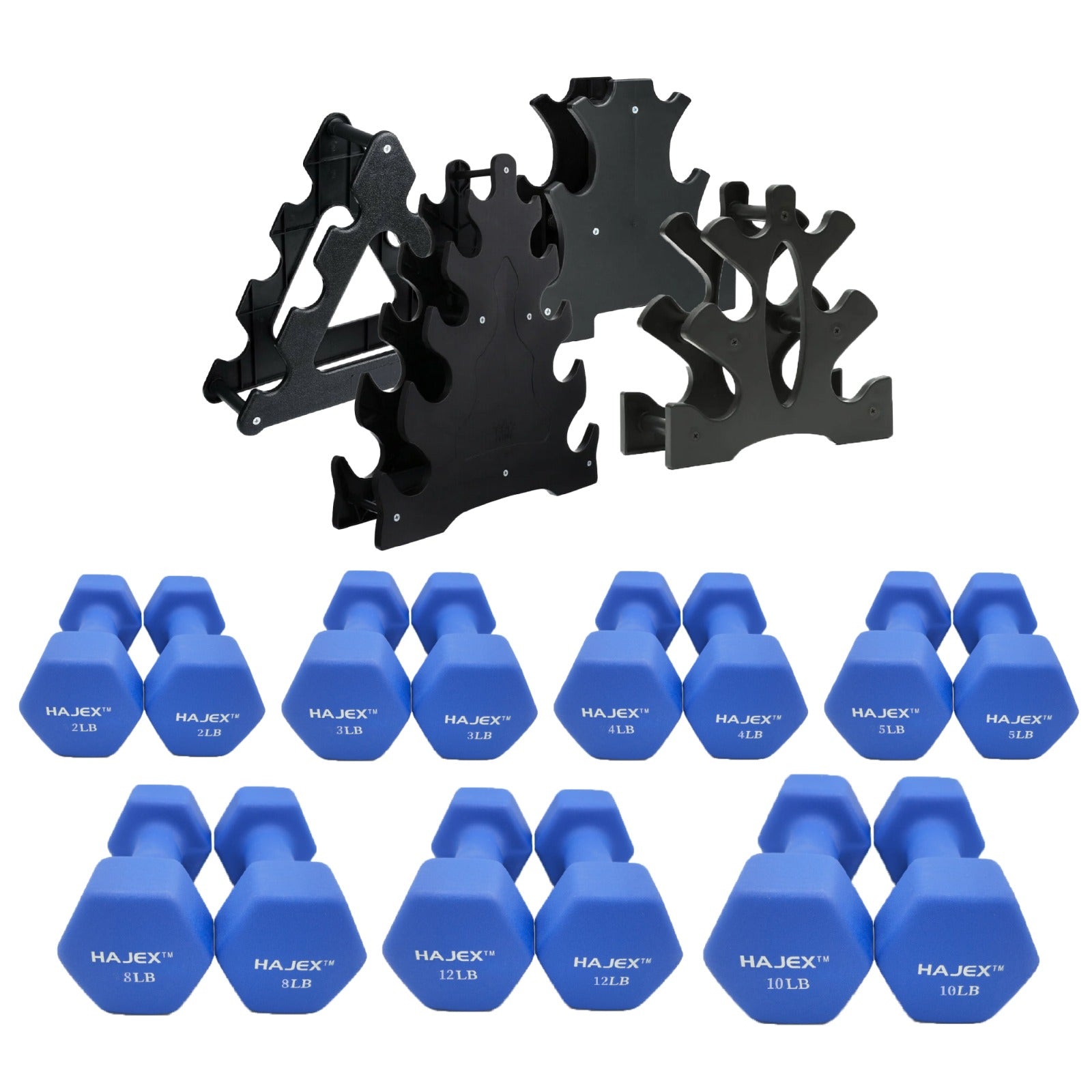
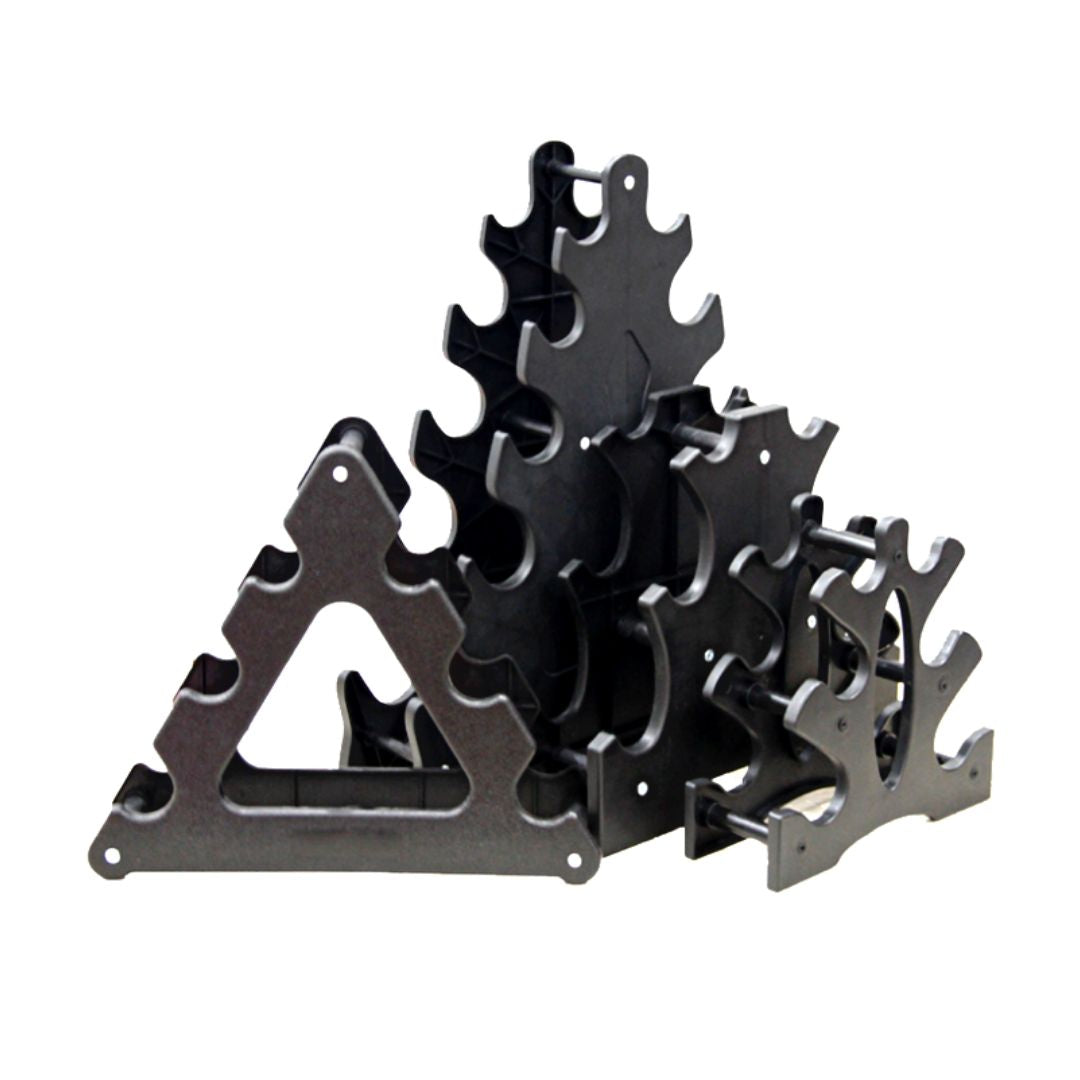 Mini-râteliers pour haltères
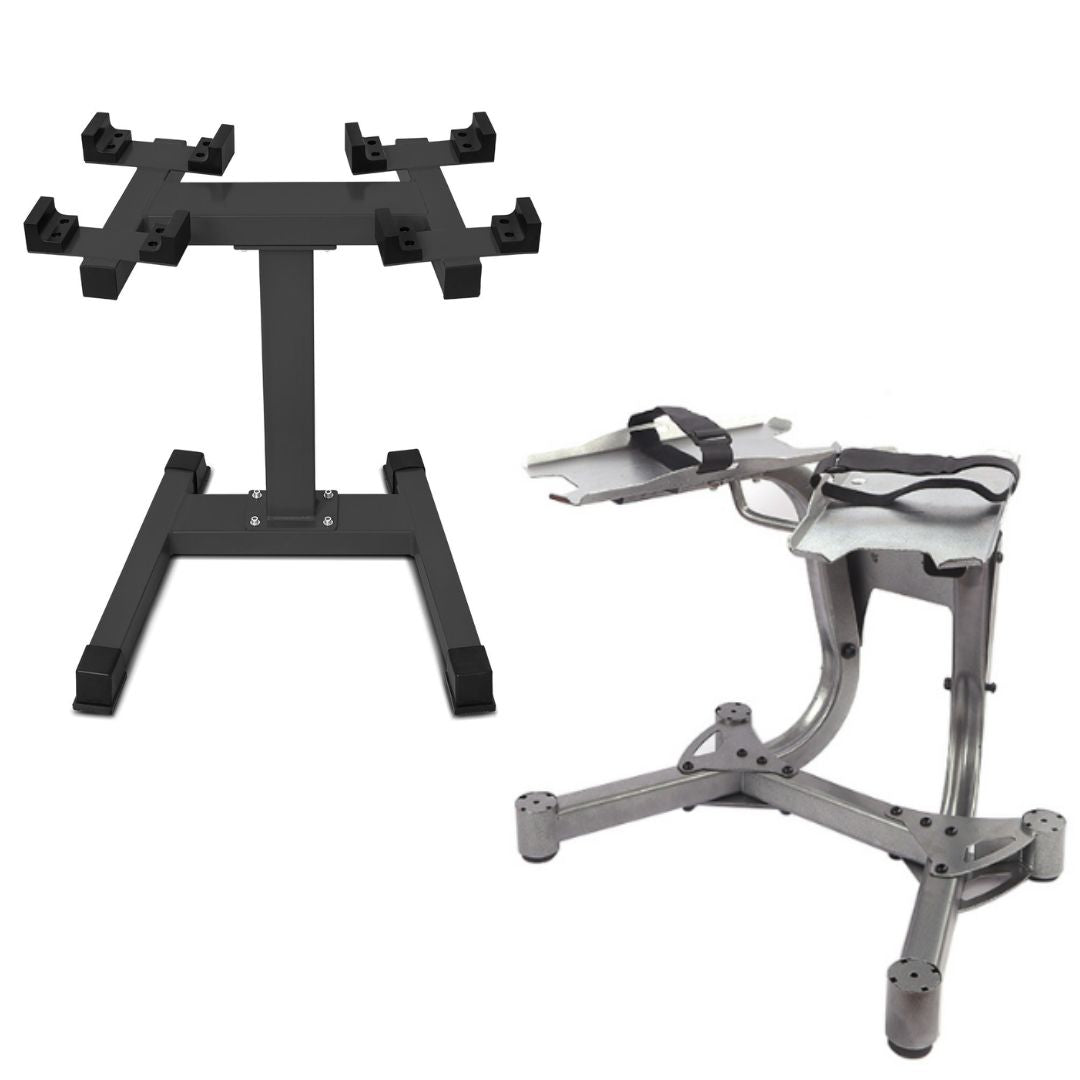 Supports réglables pour haltères
 PLUS
PLUS
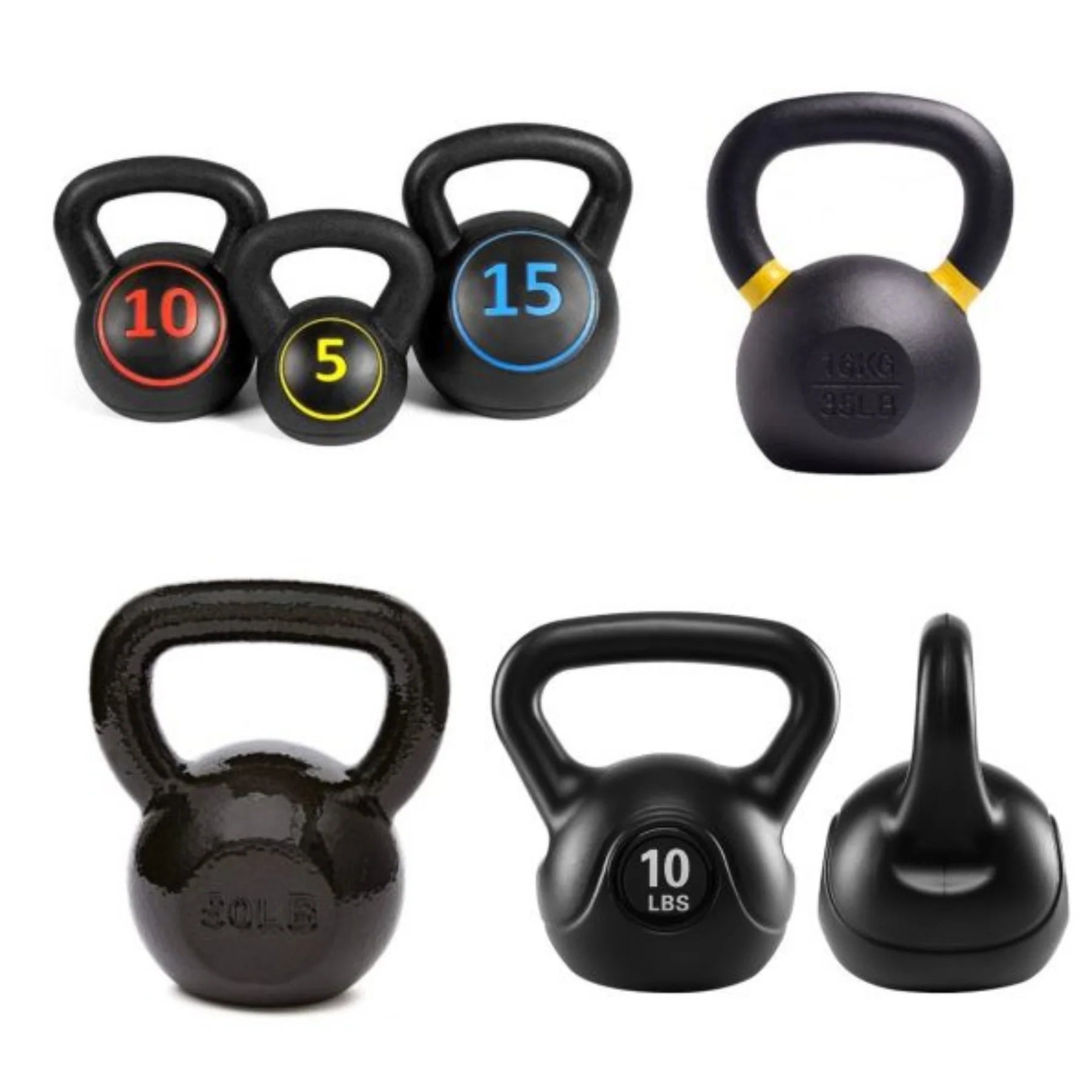 Kettlebells
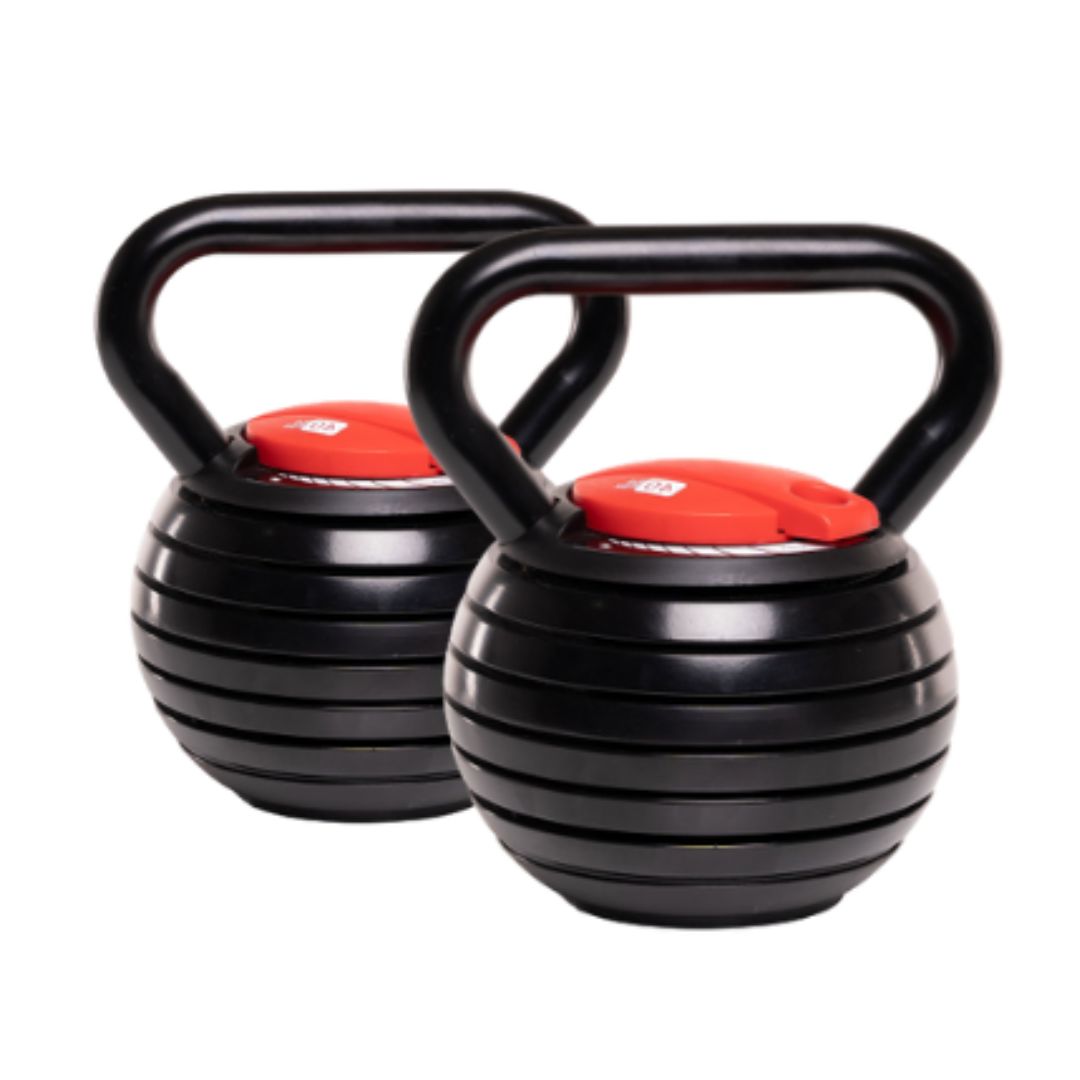 Haltères russes réglables - Unité et Paire
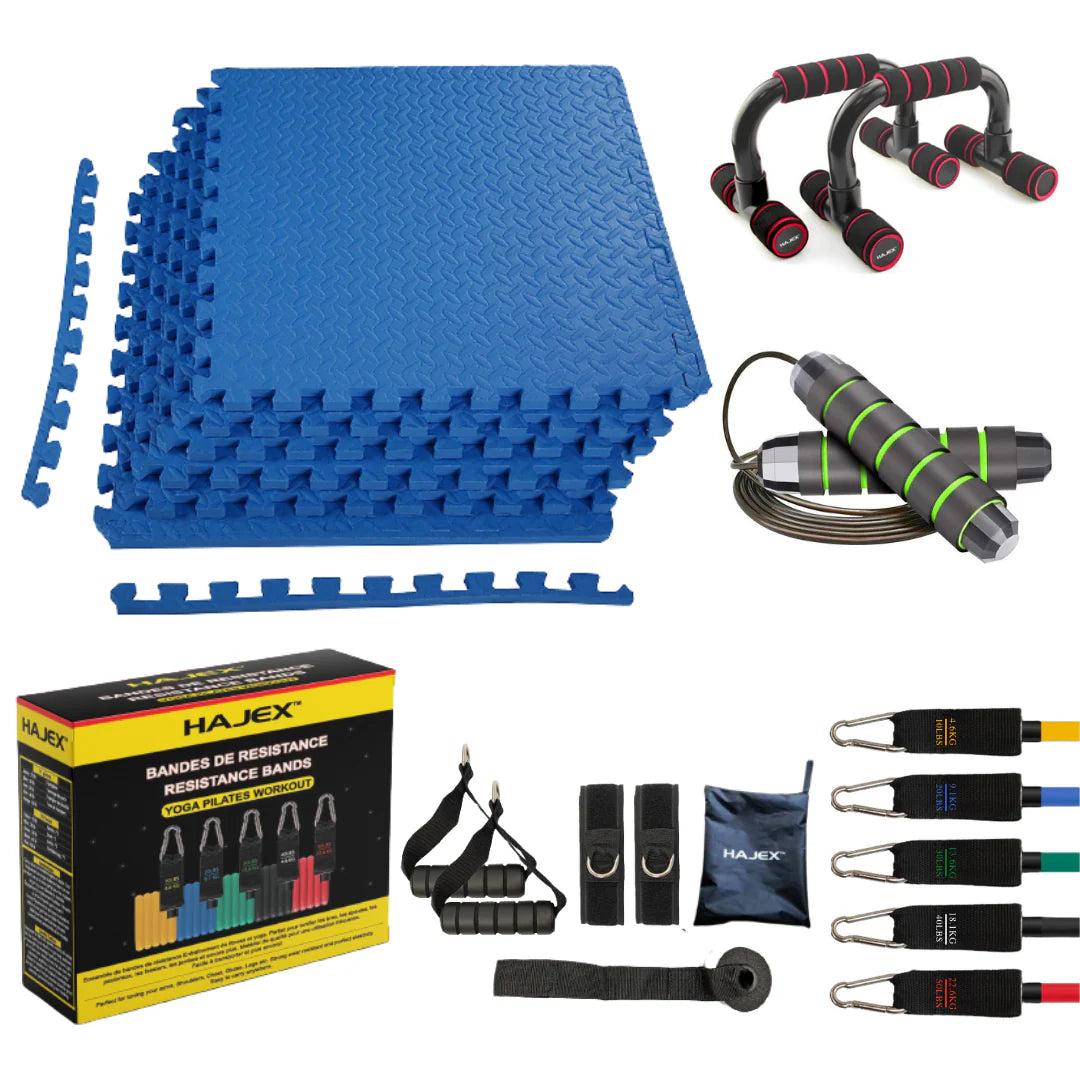
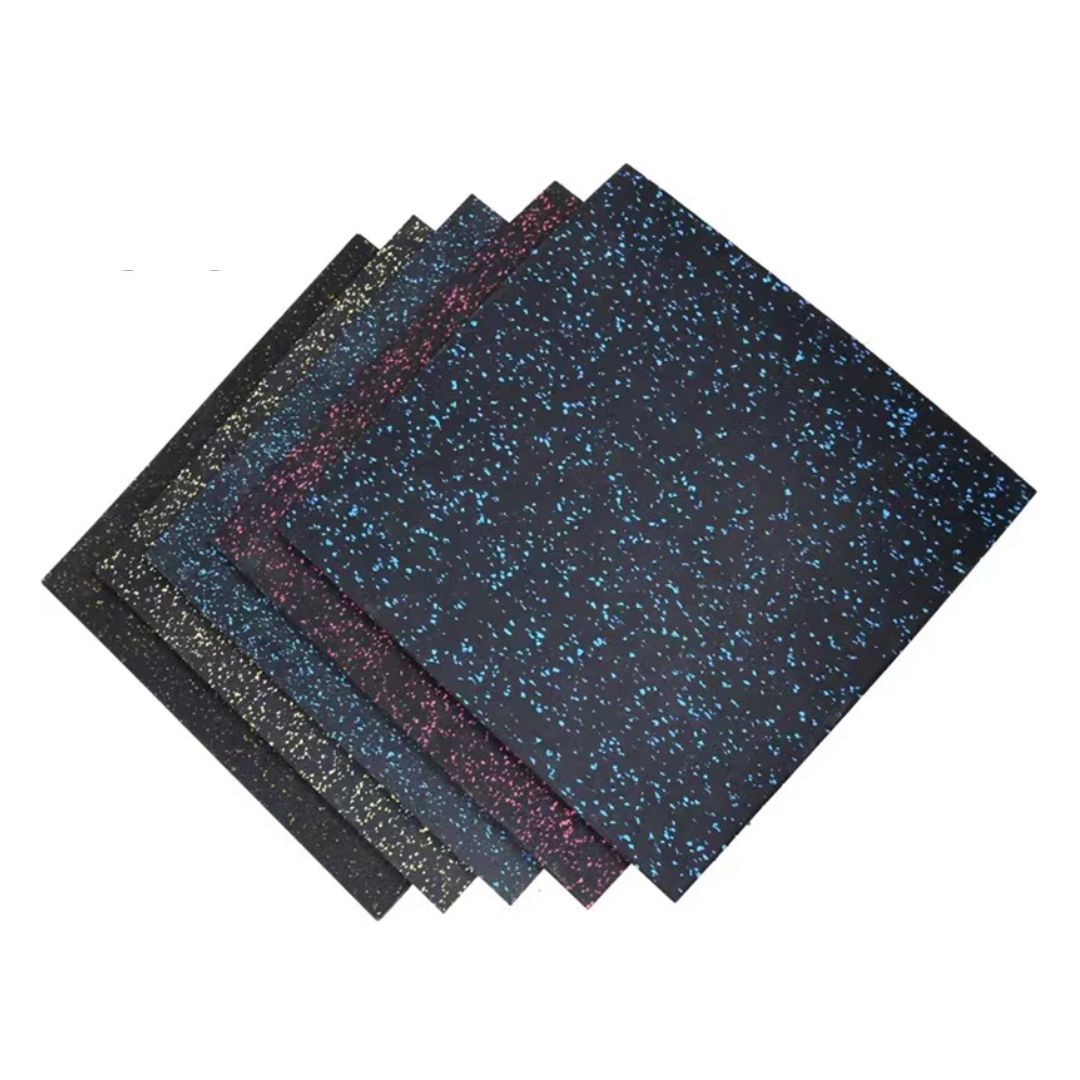 Tapis de sol
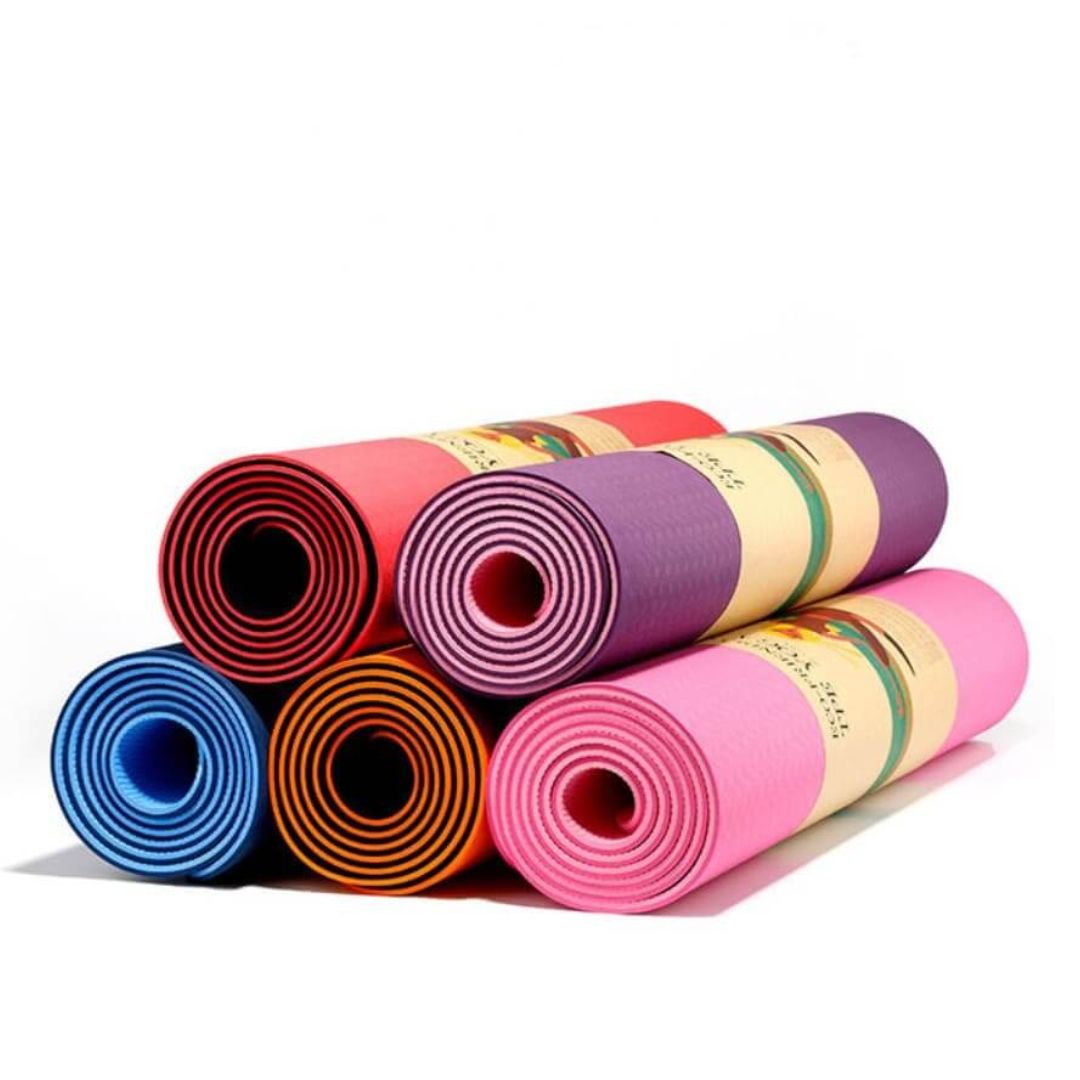 Yoga
Yoga
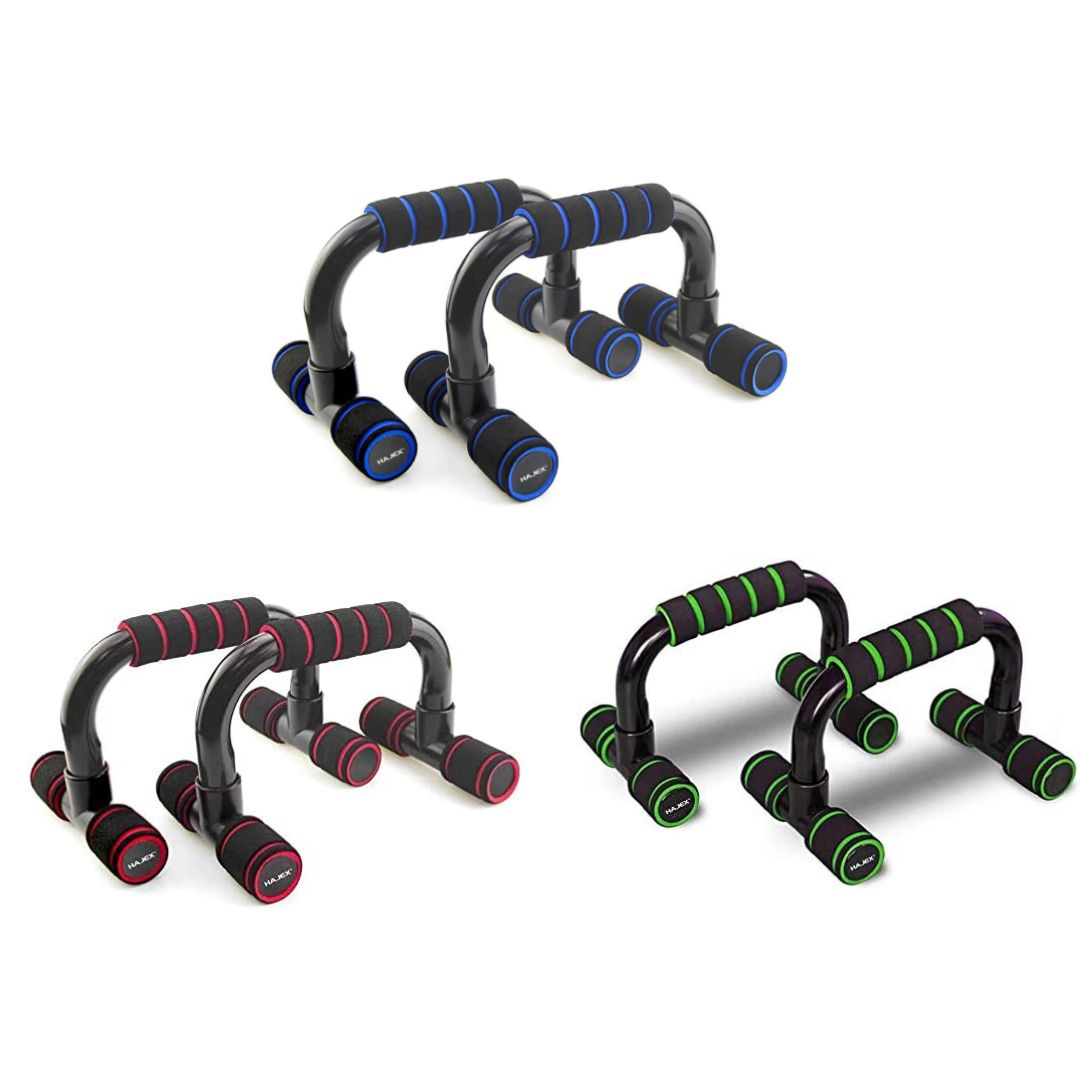 Pompe
Pompe
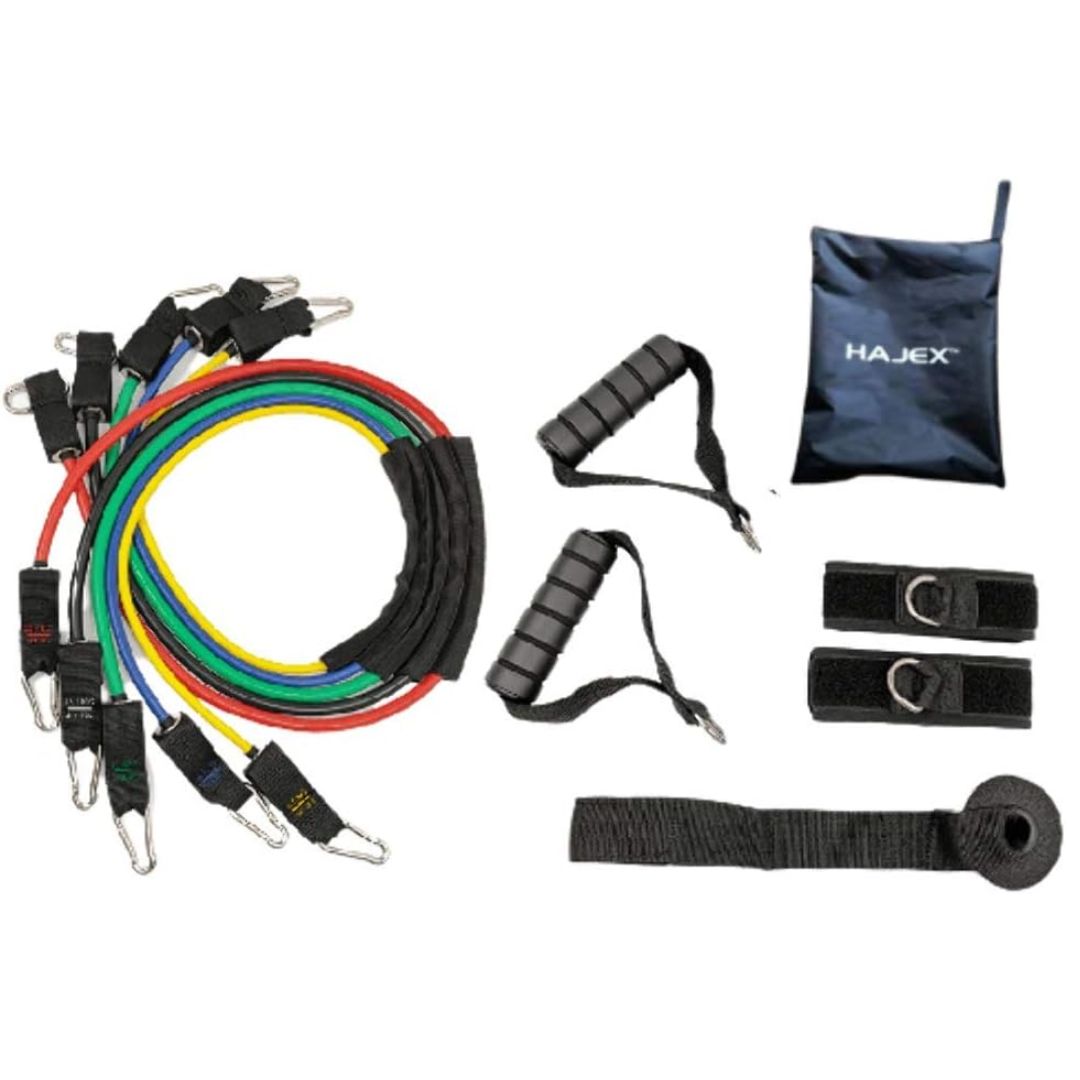 Bandes de résistance
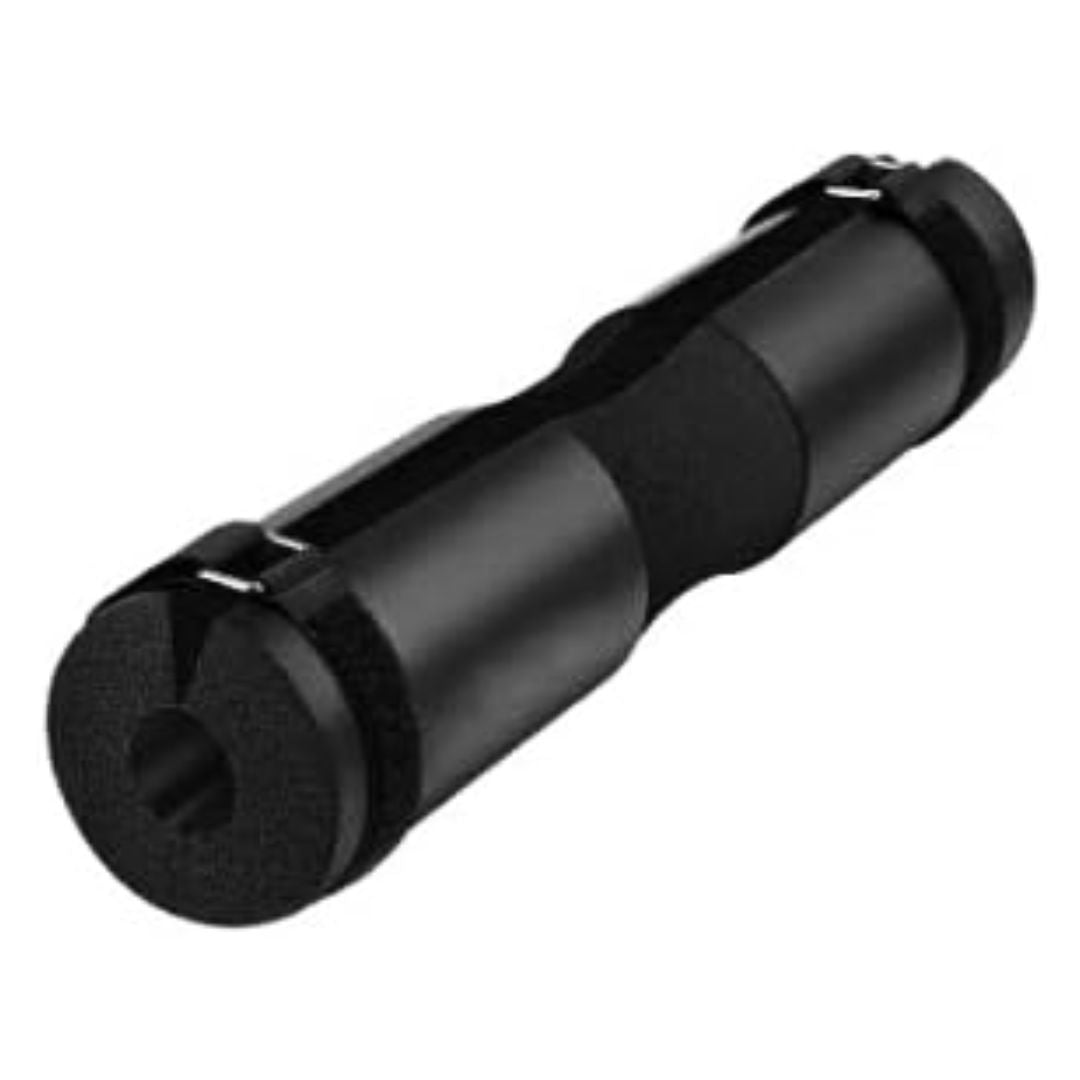 Protections de barre
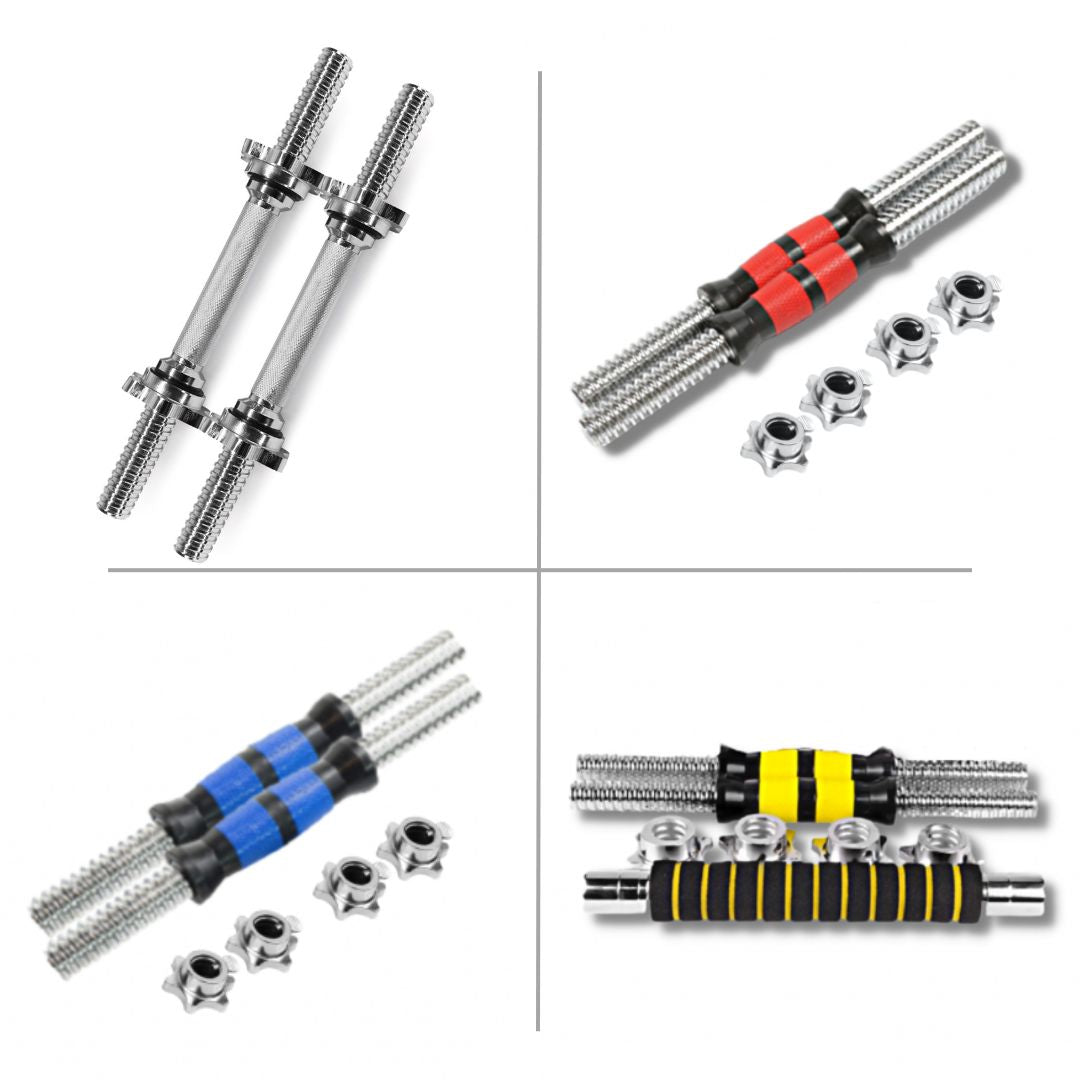 Poignées d'haltères
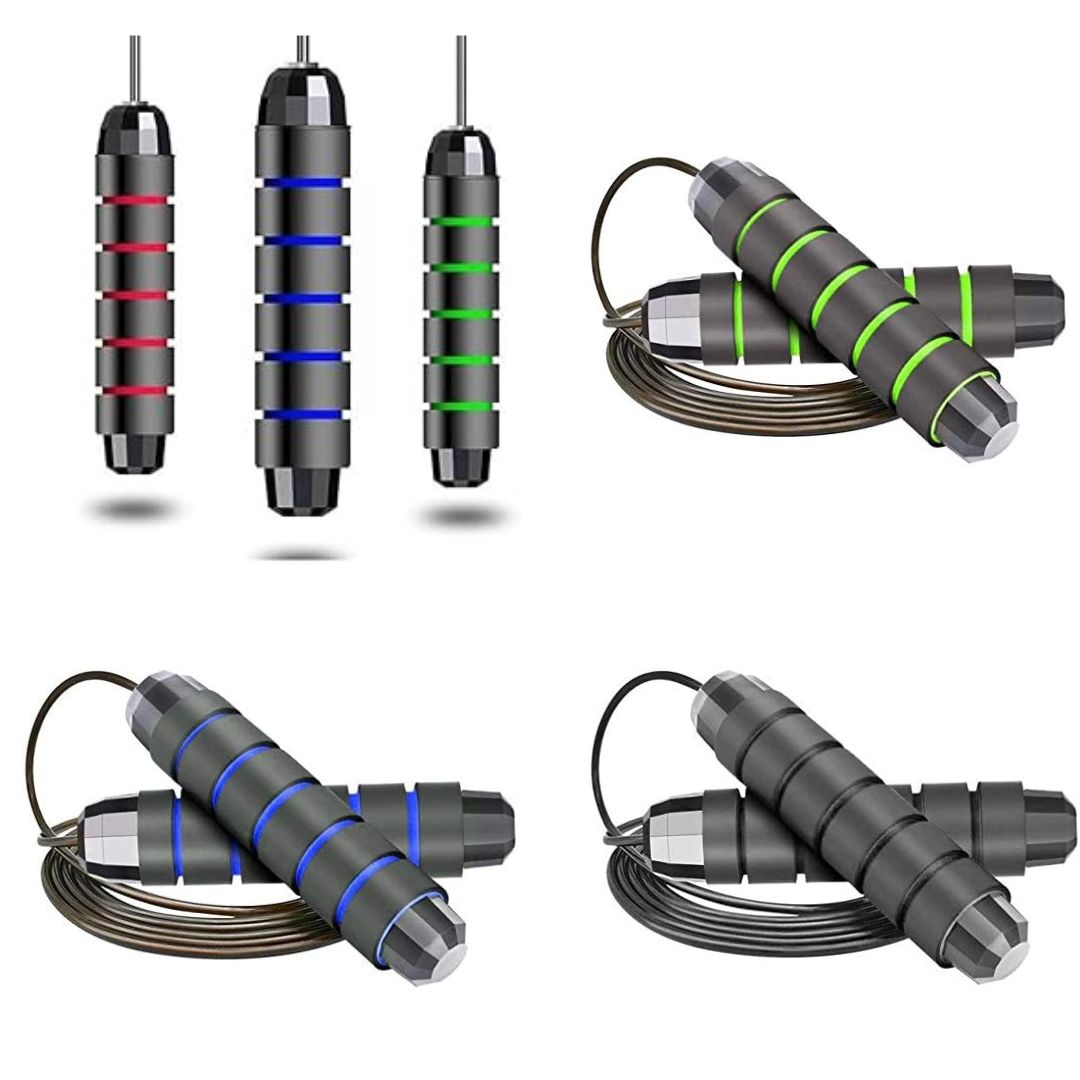 Cordes à sauter


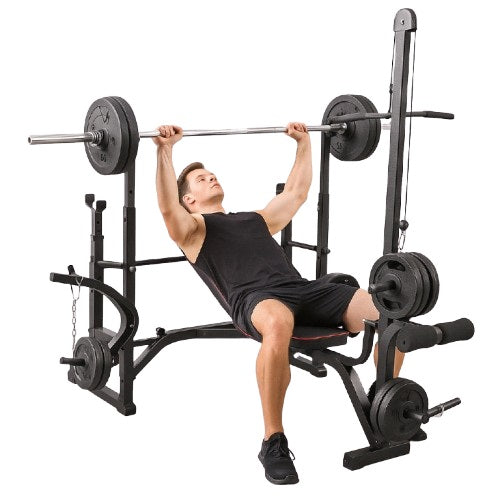

Free weights vs machines: what science actually says
Walk into any commercial gym and you will find two camps: the free weight section filled with barbells, dumbbells, and plates, and the machine circuit lined with cables and guided equipment. Gym culture has debated this for decades. The truth, backed by research, is more nuanced than either side admits.
Here is what the science actually says — and how to use that to train smarter.

What are we actually comparing?
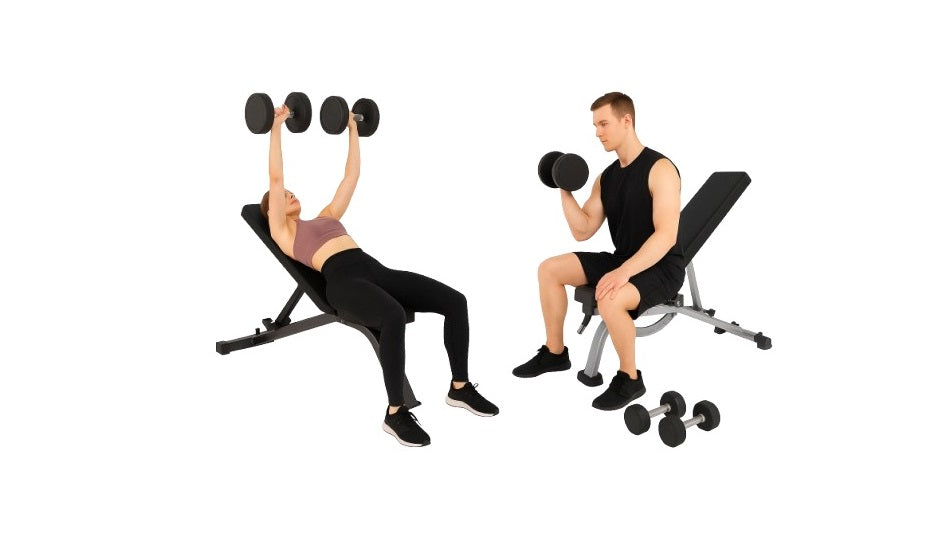
Free weights include anything that moves freely through space — dumbbells, barbells, kettlebells, and weight plates. Your body must stabilize the load while moving it.
Machines guide movement along a fixed path. The cable, lever, or pulley system controls the range of motion for you. Some machines are plate-loaded; others use a weight stack.
Both recruit muscle. The difference is in how they recruit it — and that difference matters depending on your goal.
What research says about muscle activation
Studies comparing free weights and machines consistently show that free weight exercises recruit more total muscle activity. A 2020 study published in the Journal of Human Kinetics found that free weight squats activated significantly more muscle in the core, hamstrings, and stabilizer muscles compared to the leg press machine — even at the same relative load.
The reason: when you hold a barbell or dumbbell, your body must stabilize the weight against gravity in all planes of motion. Machines remove that demand. This is not always a disadvantage — but it is always a trade-off.

The case for free weights
Free weights win on several fronts that matter for long-term strength and athleticism:
More functional carry-over. Picking up a heavy dumbbell resembles picking up something heavy in real life. A leg press machine does not. Free weight training builds the coordination, balance, and stability that transfers to daily movement and sport.
Greater hormonal response. Multi-joint free weight movements like squats and deadlifts trigger a larger hormonal response — more testosterone and growth hormone — than isolated machine exercises at equivalent effort levels. This matters for overall muscle building.
Full range of motion. Free weights allow you to move through your natural joint range, which varies from person to person. Machines are built around an average, which may not match your anatomy.
Versatility and cost. A pair of dumbbells can perform dozens of exercises. A machine does one or two. For a home gym, free weights are vastly more space- and cost-efficient.
Shop HAJEX Rubber Hex Dumbbells → Shop Weight Plate Sets →
The case for machines
Machines are not just for beginners. They have legitimate advantages in specific situations:
Isolation work. If you want to target a specific muscle precisely — a cable fly for the chest, a leg curl for the hamstrings — machines do it better. The guided path removes the stabilizer demand and lets the target muscle work harder in isolation.
Safer for injured athletes. When a joint is compromised, machines allow training around an injury by limiting the range or plane of motion. This is clinically useful in rehabilitation.
Lower technical barrier. A beginner can sit at a machine and get a productive training stimulus immediately. A barbell squat requires weeks of practice to perform safely. For absolute beginners, machines reduce injury risk during the learning phase.
Training to failure safely. On a machine, you can push to muscular failure without a spotter. On a barbell bench press, that is a genuine safety risk without a rack or partner.

What the research actually recommends
The scientific consensus is clear: both modalities build muscle effectively. A 2018 meta-analysis in the Journal of Strength and Conditioning Research found no statistically significant difference in hypertrophy (muscle growth) between free weight and machine training when volume and effort were equated.
The practical takeaway: the best program uses both. Free weights for the big compound movements that drive overall strength and athleticism. Machines for targeted isolation work and for training around weaknesses or injuries.
How to structure it for your goal
If your goal is general fitness and strength: Build your program around free weight compound movements — squats, deadlifts, rows, presses, lunges. Add machines for 1–2 isolation exercises per muscle group if you want more volume.
If your goal is bodybuilding: Use heavy free weights for compounds, then finish each session with machines for isolation and to safely push high-rep sets to failure. This is exactly how most competitive bodybuilders train.
If you are a beginner: Start with machines to build a base and learn the movement patterns. Introduce free weights gradually over your first few months as your coordination and confidence improves.
If you train at home: Free weights are your default — they give you the most versatility per dollar. A set of hex dumbbells and a weight plate set covers 80% of what most people need.

What HAJEX offers for both
For free weight training, HAJEX stocks everything from entry-level rubber hex dumbbells to full commercial-grade Olympic barbells and bumper plate sets — all shipped from Montreal and Delta to anywhere in Canada.
For machine-style training, our NUO Style Adjustable Dumbbells and Smith Machines bring commercial gym functionality to your home or facility without the commercial gym price tag.
Shop Rubber Hex Dumbbells → Shop Weight Plate Sets → Shop Bumper Plates → Shop NUO Adjustable Dumbbells →
The bottom line
Free weights build more functional strength and activate more total muscle. Machines excel at isolation, safety, and accessibility. Neither is superior — they are tools, and the best tool depends on the job.
Stop asking which is better. Start asking which is right for your goal, your experience level, and your training day. The answer is almost always: both.


