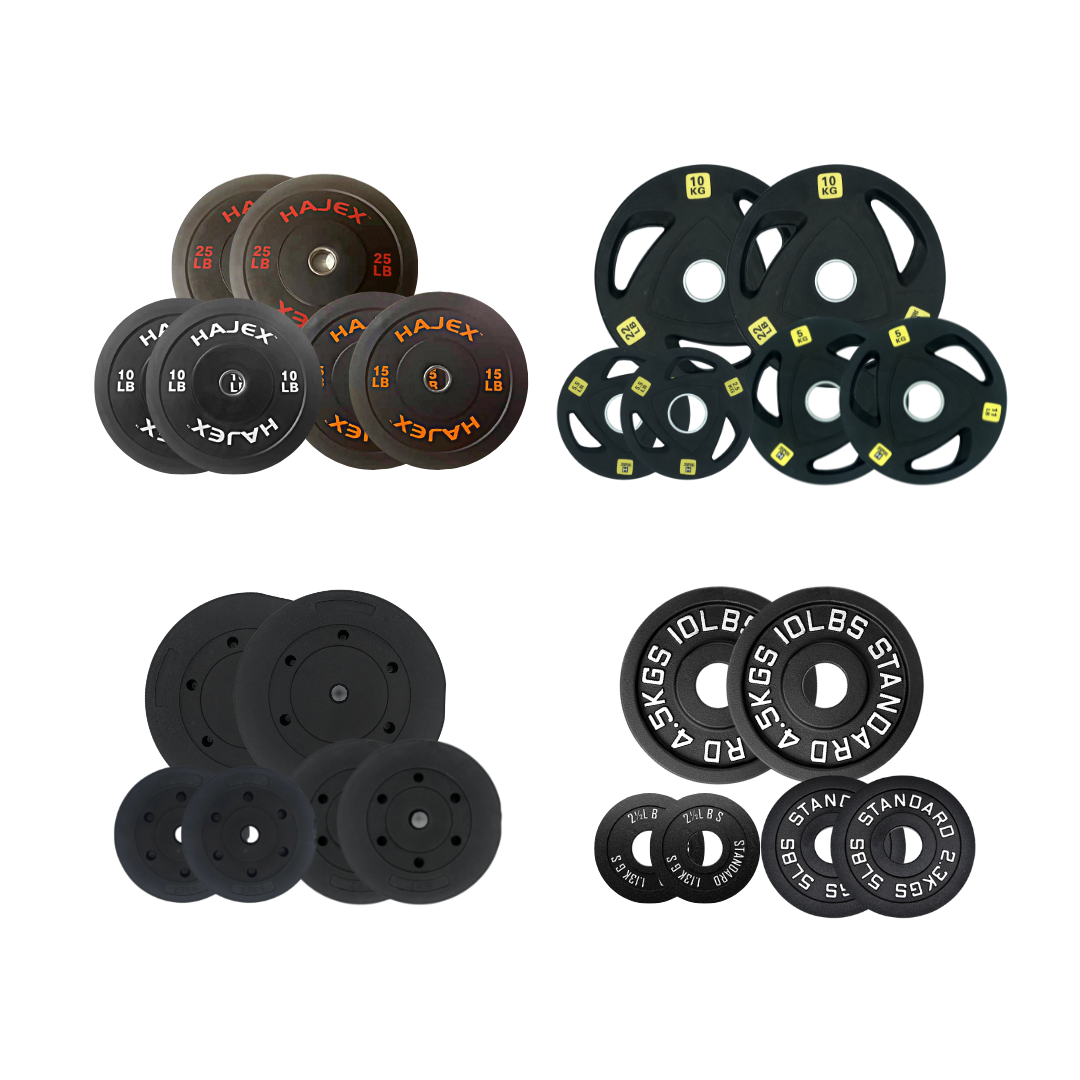
 DISQUES DE POIDS
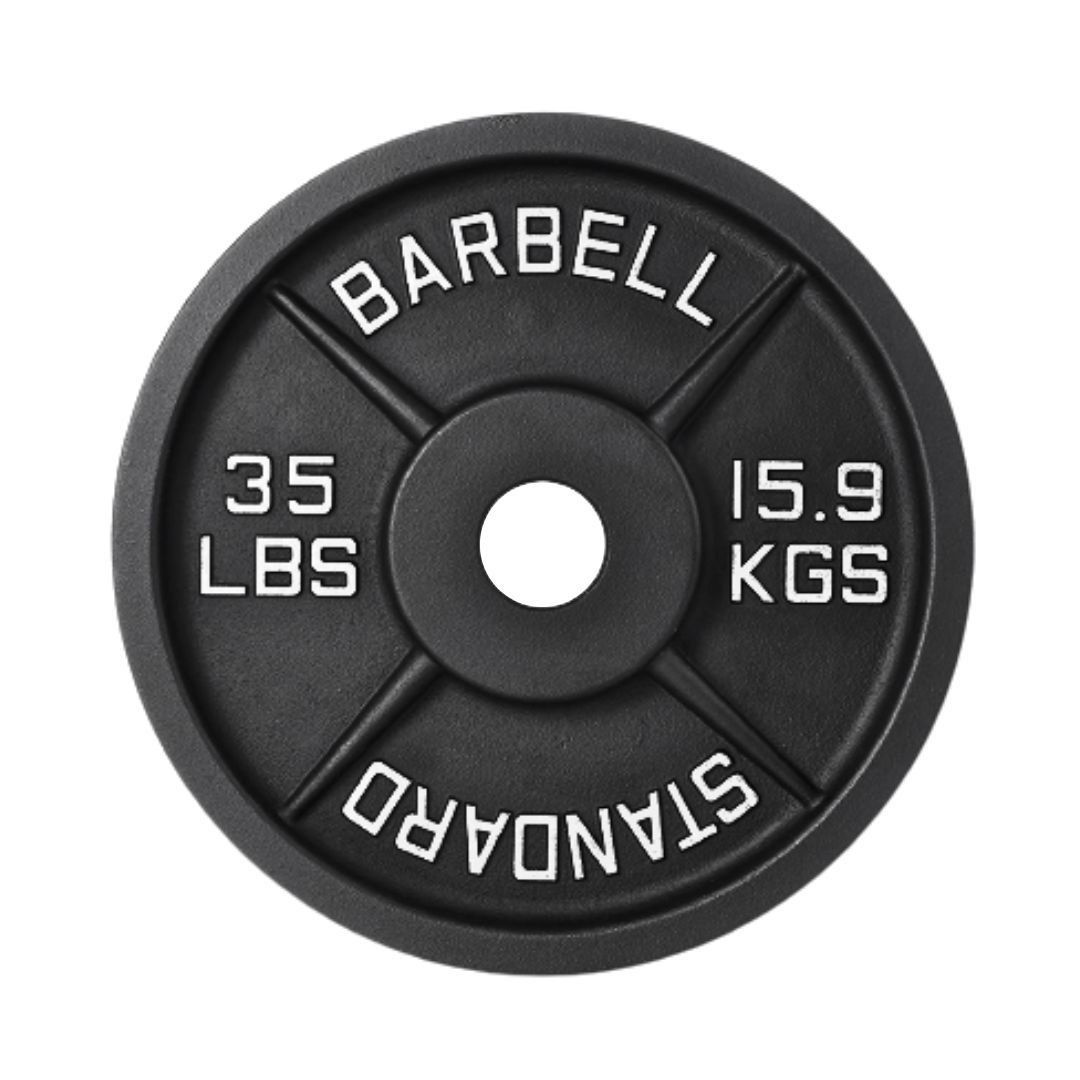 Plaques olympiques en fonte
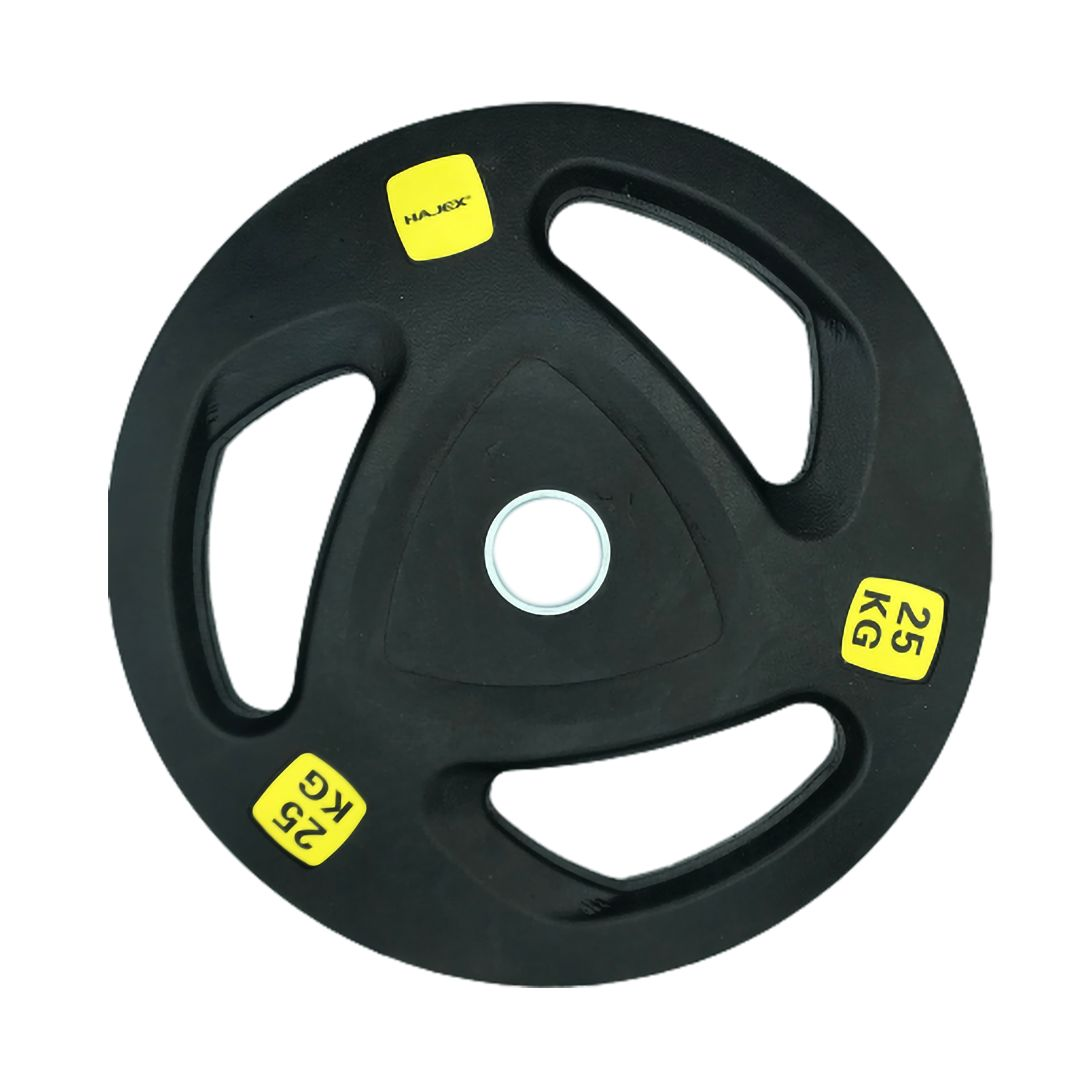 Plaques de poids olympiques en caoutchouc
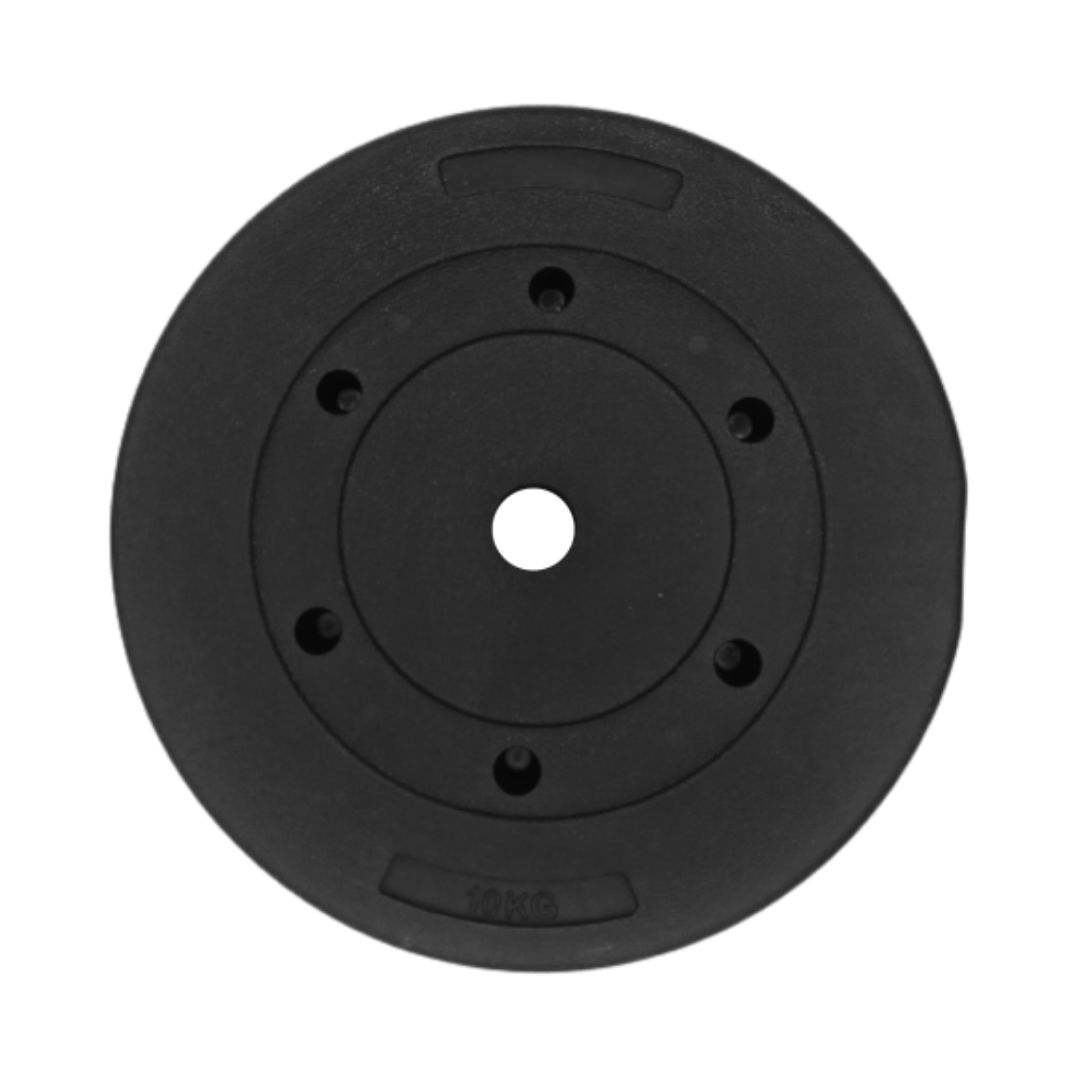 Plaques de poids en PVC
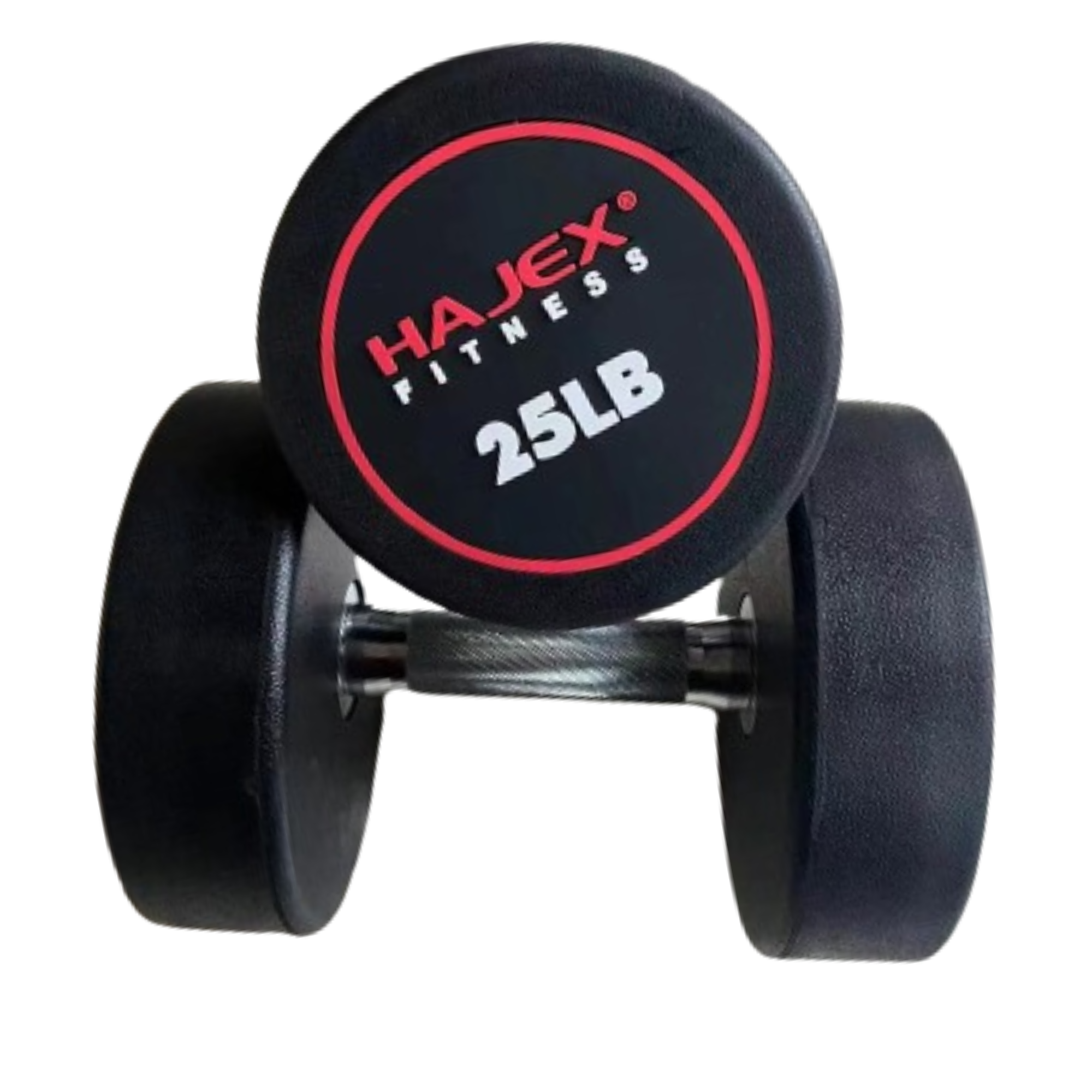 HALTÈRES
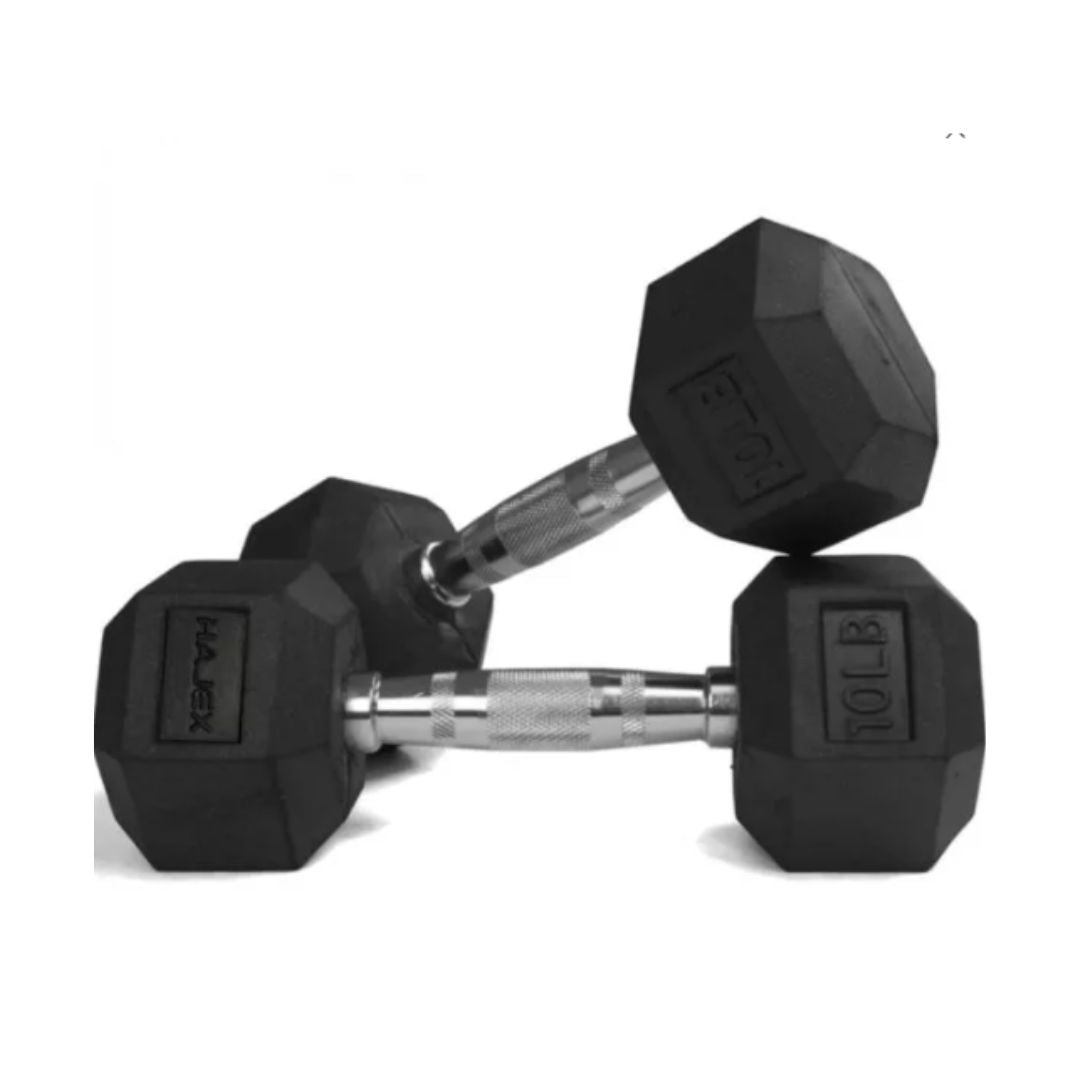 Haltères hexagonaux en caoutchouc
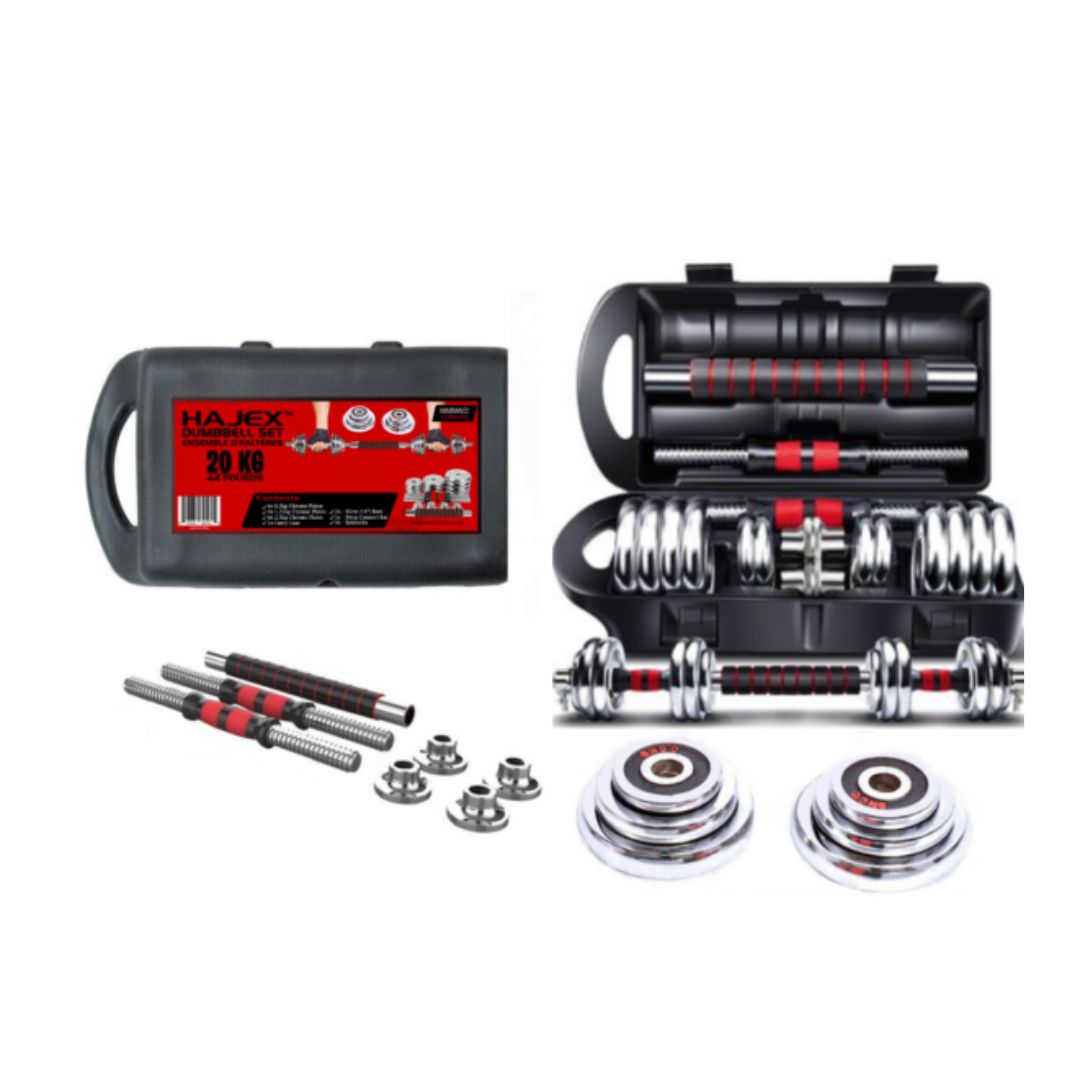 Haltères réglables en fonte
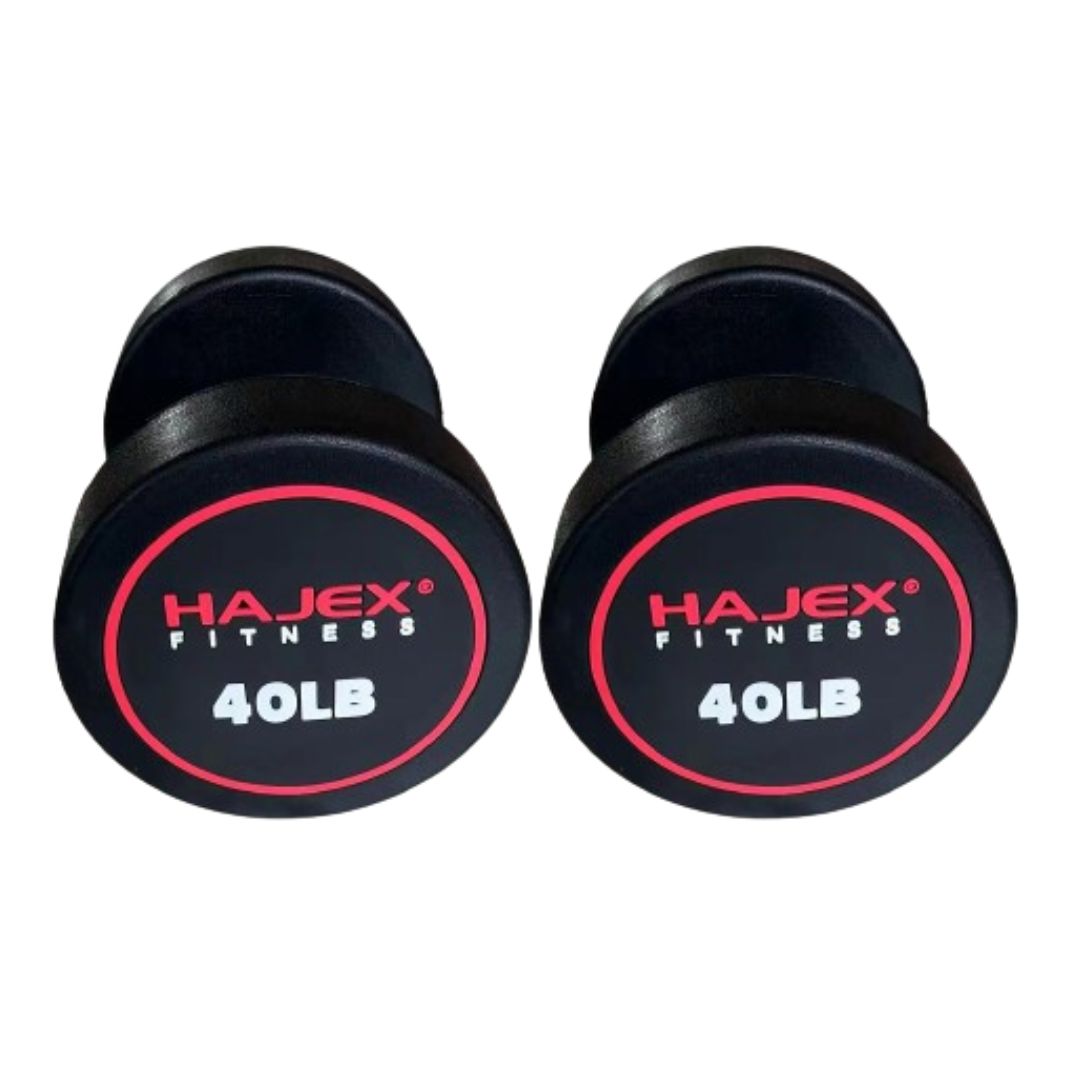 Haltères à tête ronde
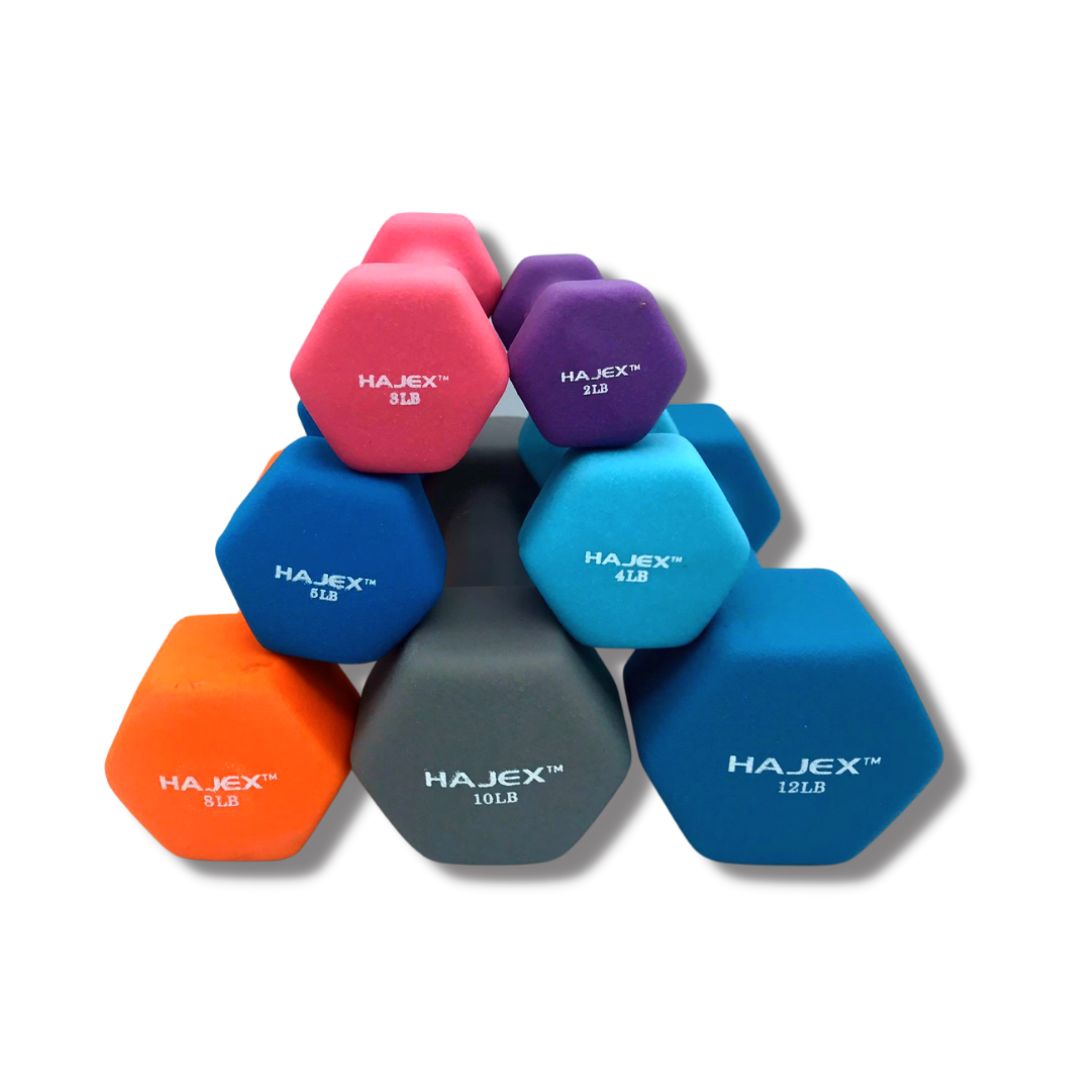 Haltères en néoprène
 BANCS
BANCS
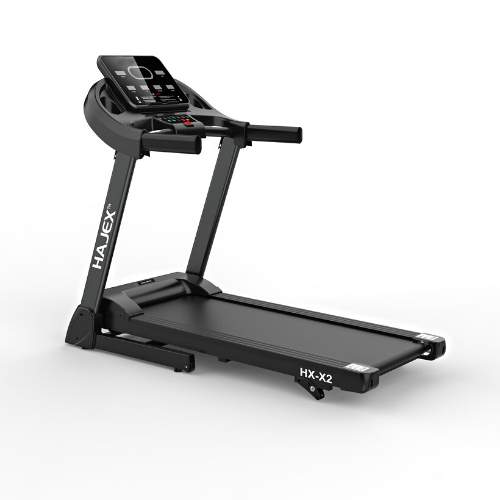 CARDIO
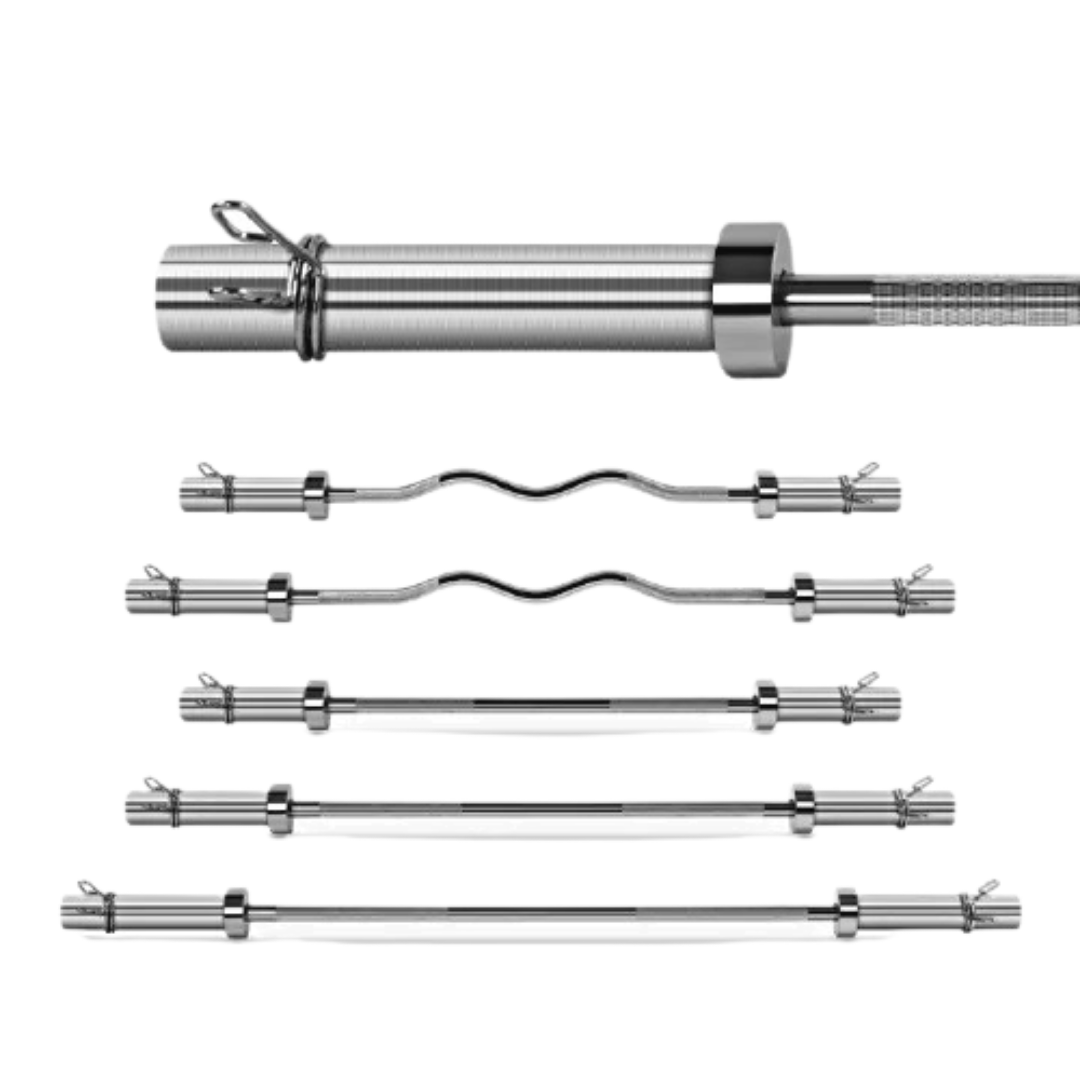 BARRES D'HALTÈRES
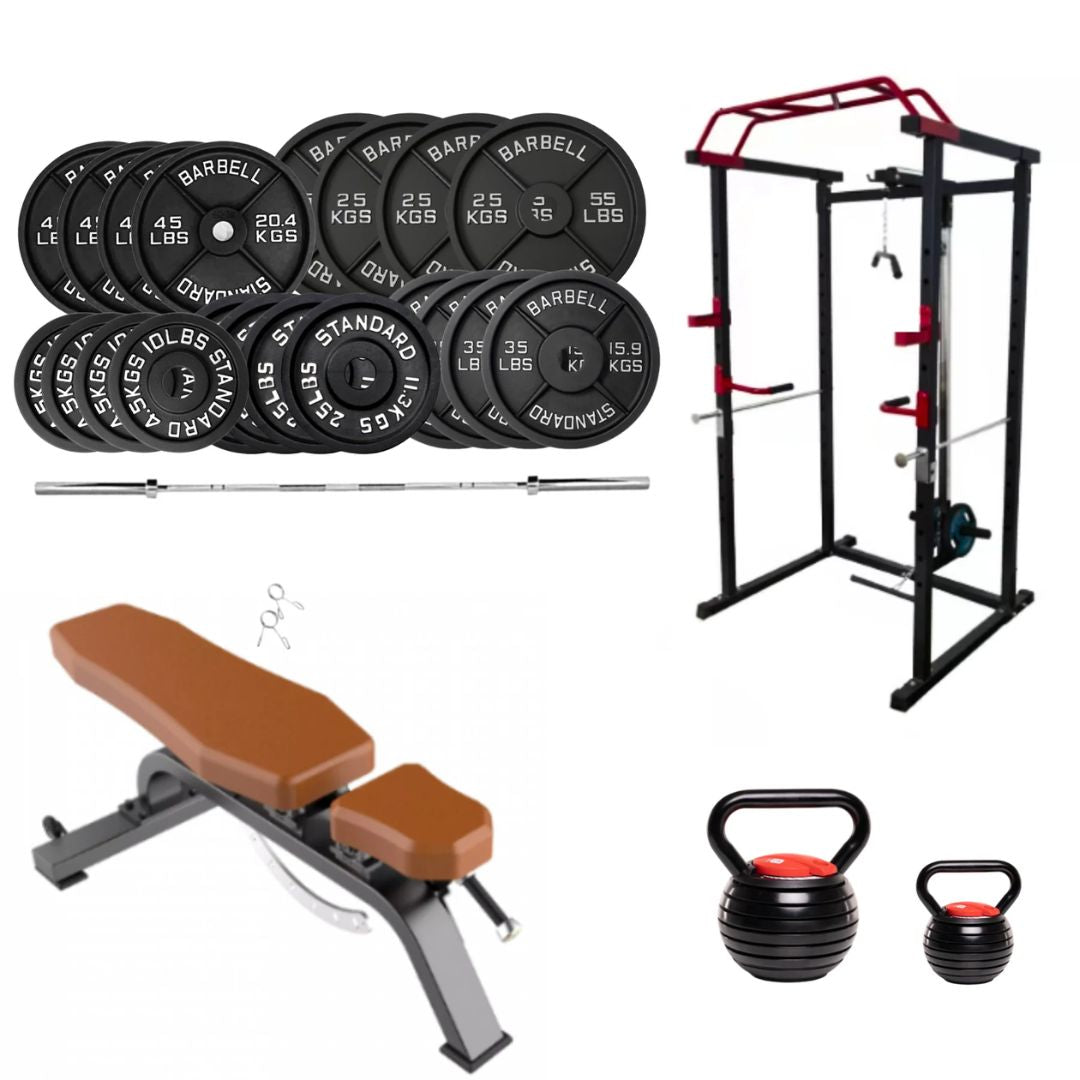 Offres sur les équipements de gym à domicile
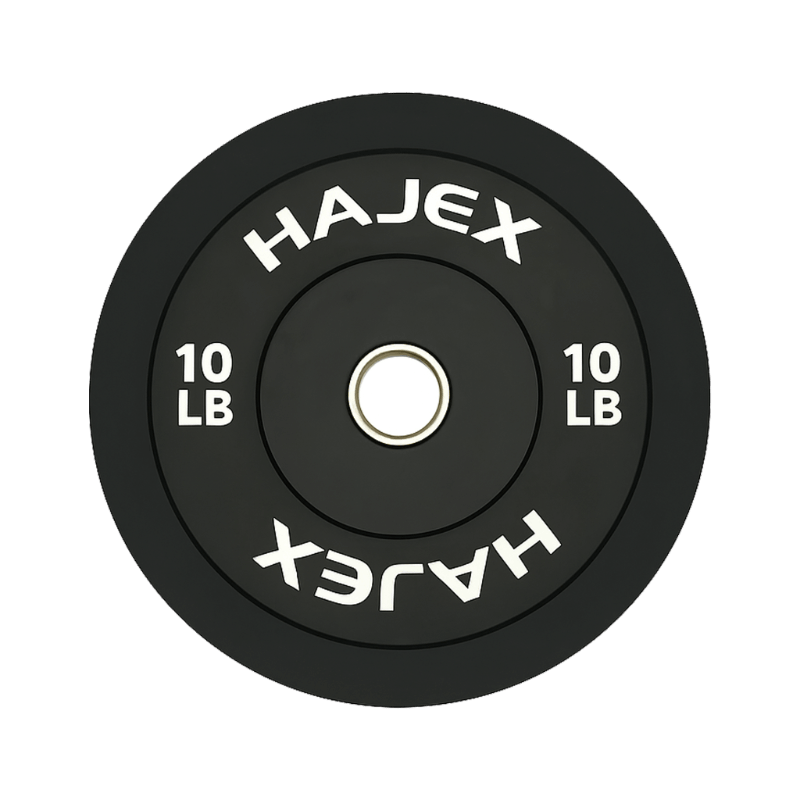 Plaques de pare-chocs olympiques
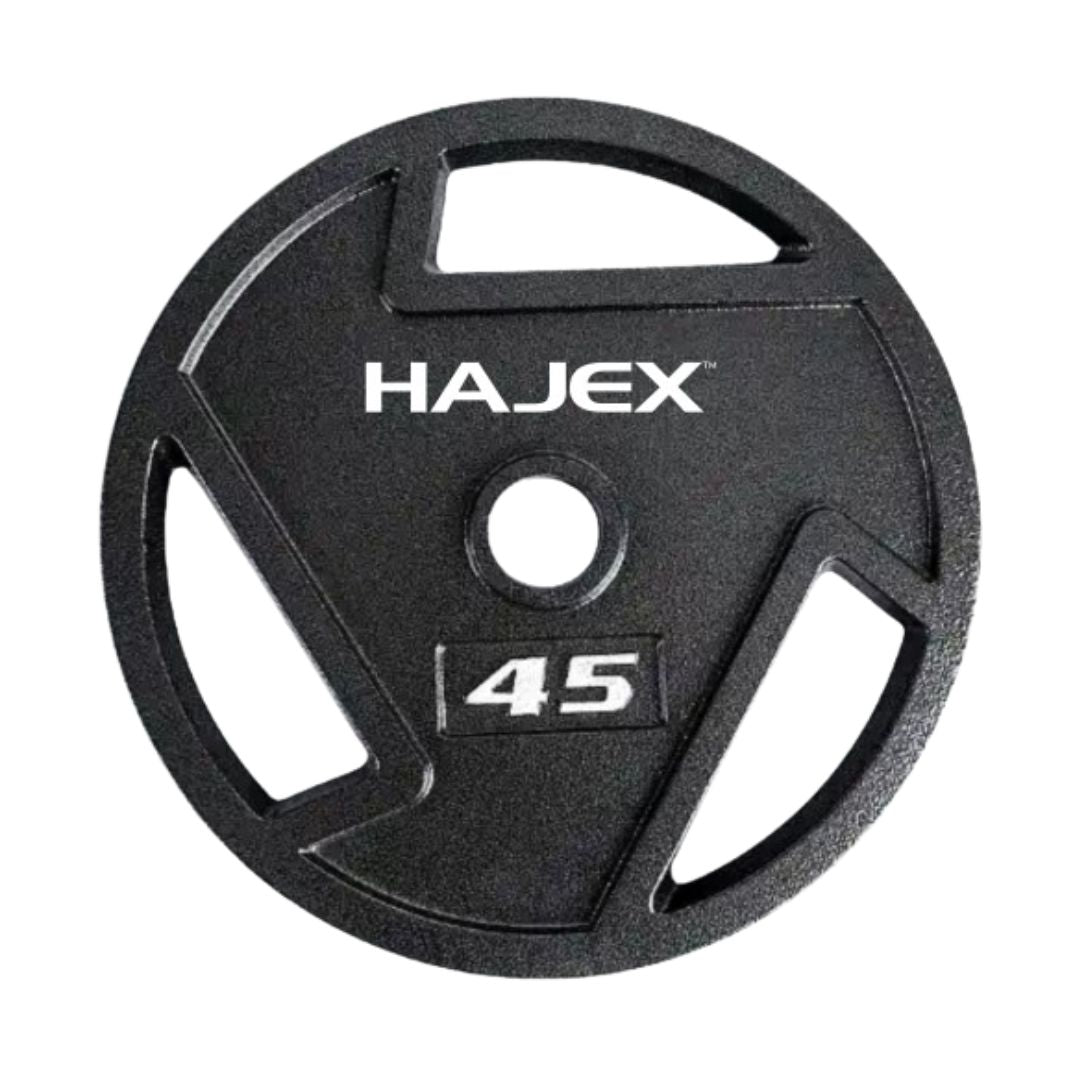 Disques Tri-Grip
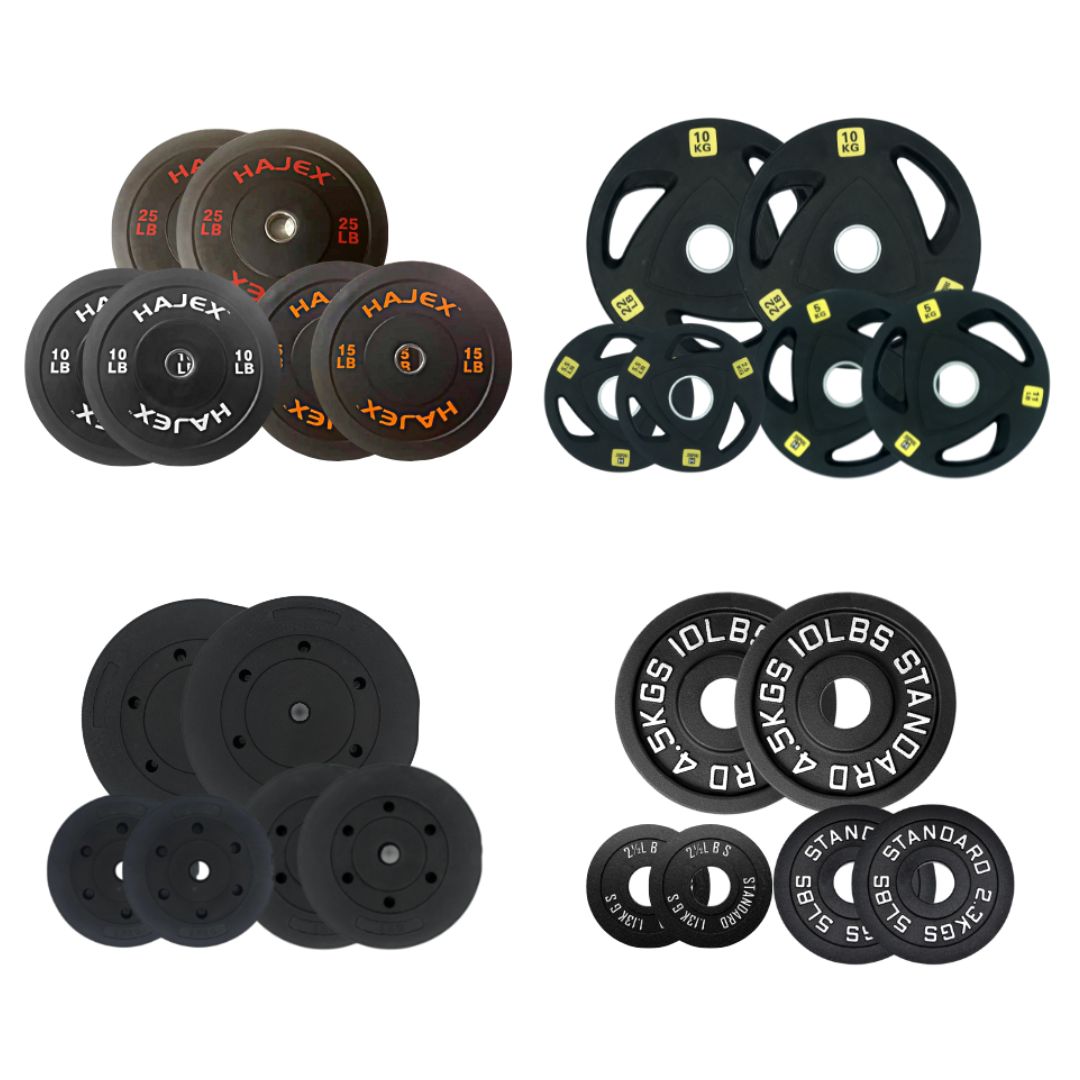 Ensemble de disques de poids
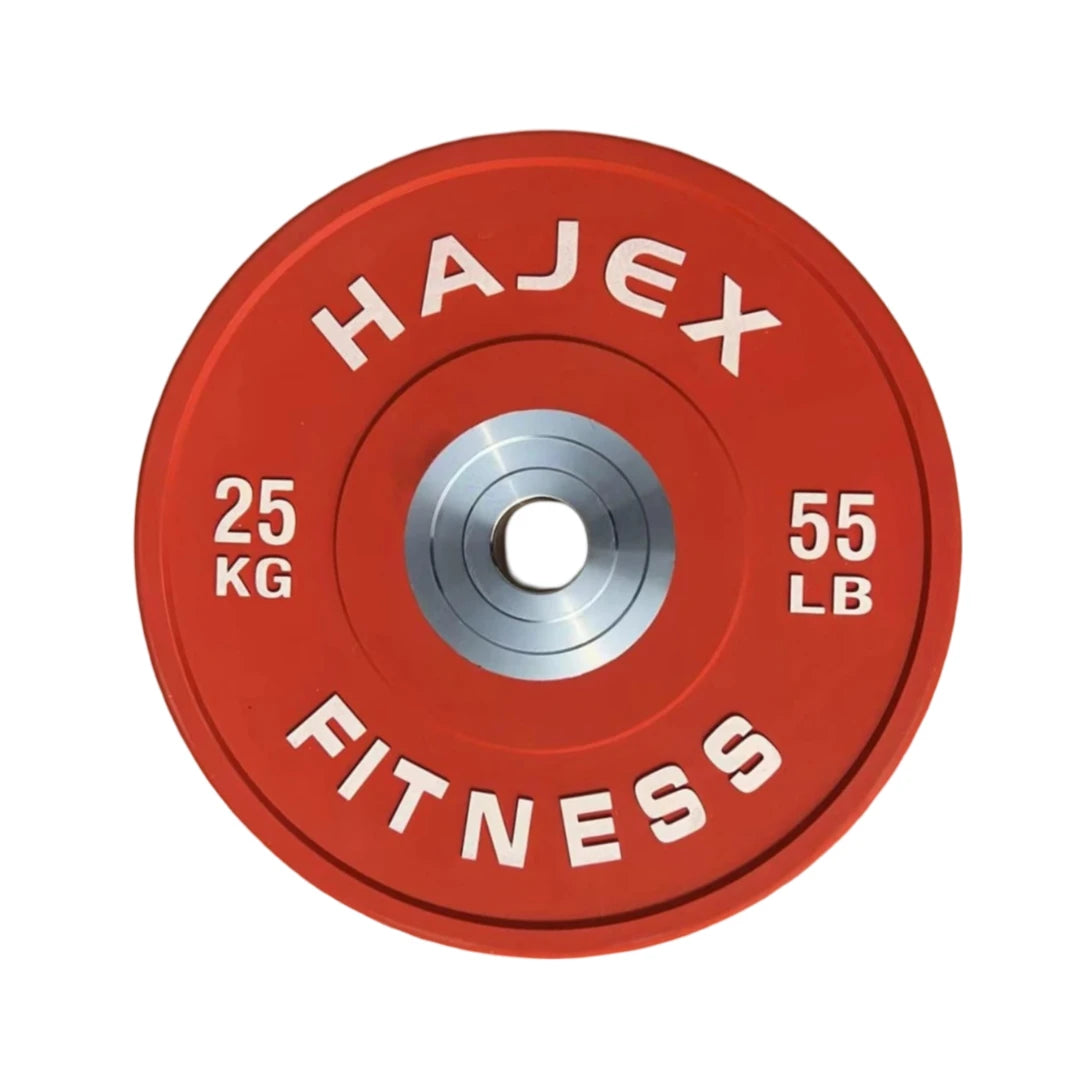 Plaques de pare-chocs Olympic Steel Hub
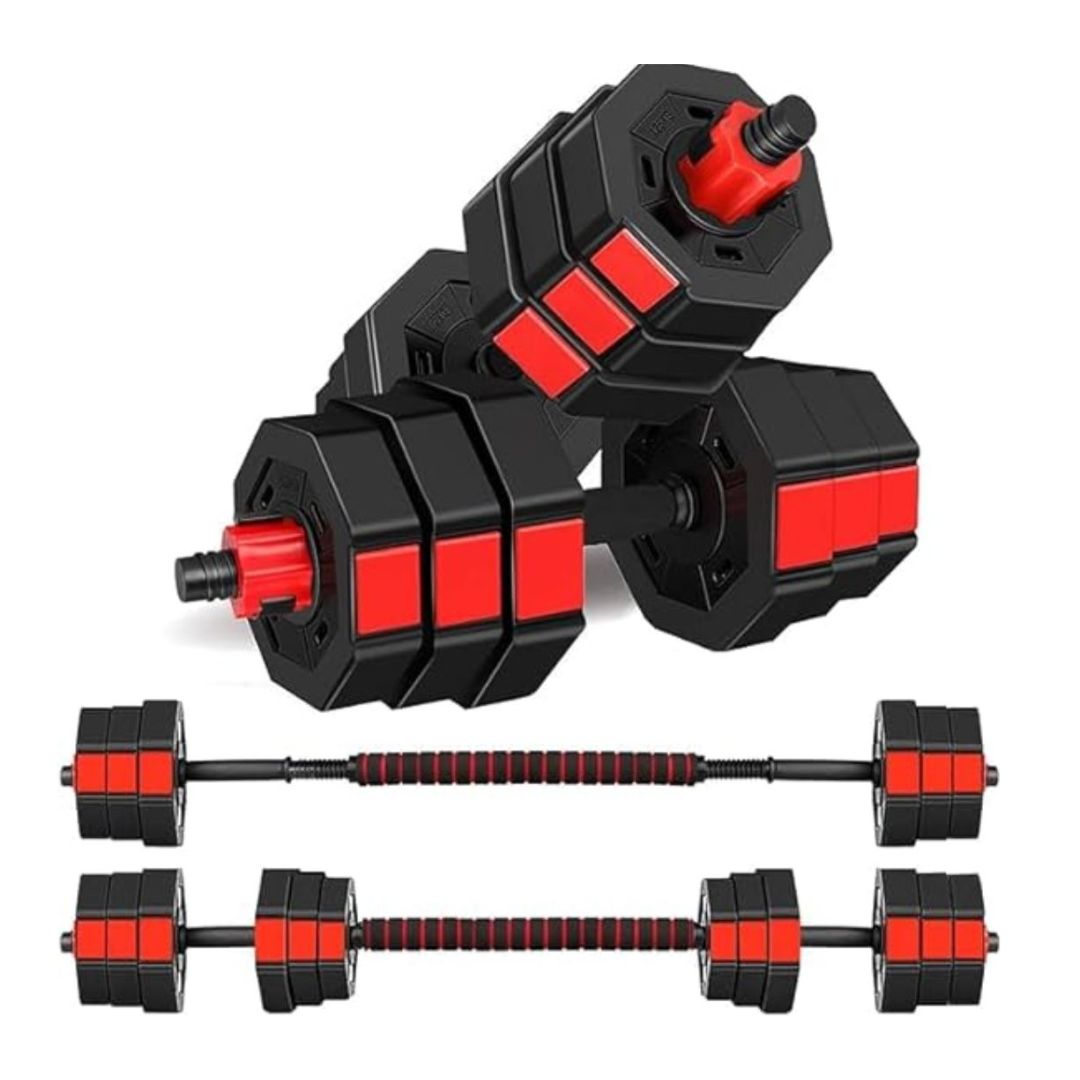 Haltères en PVC
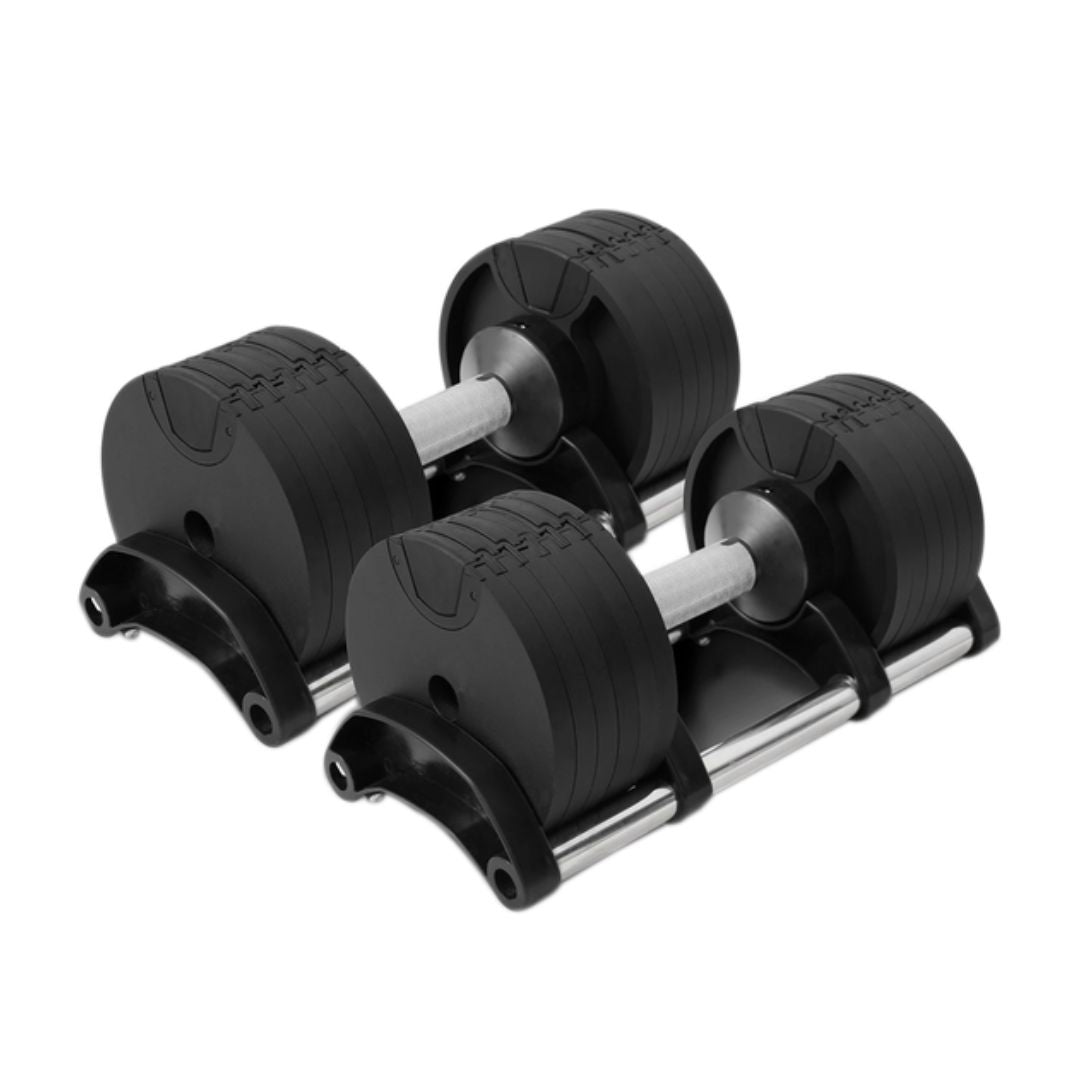 Haltères ajustables NUO Style
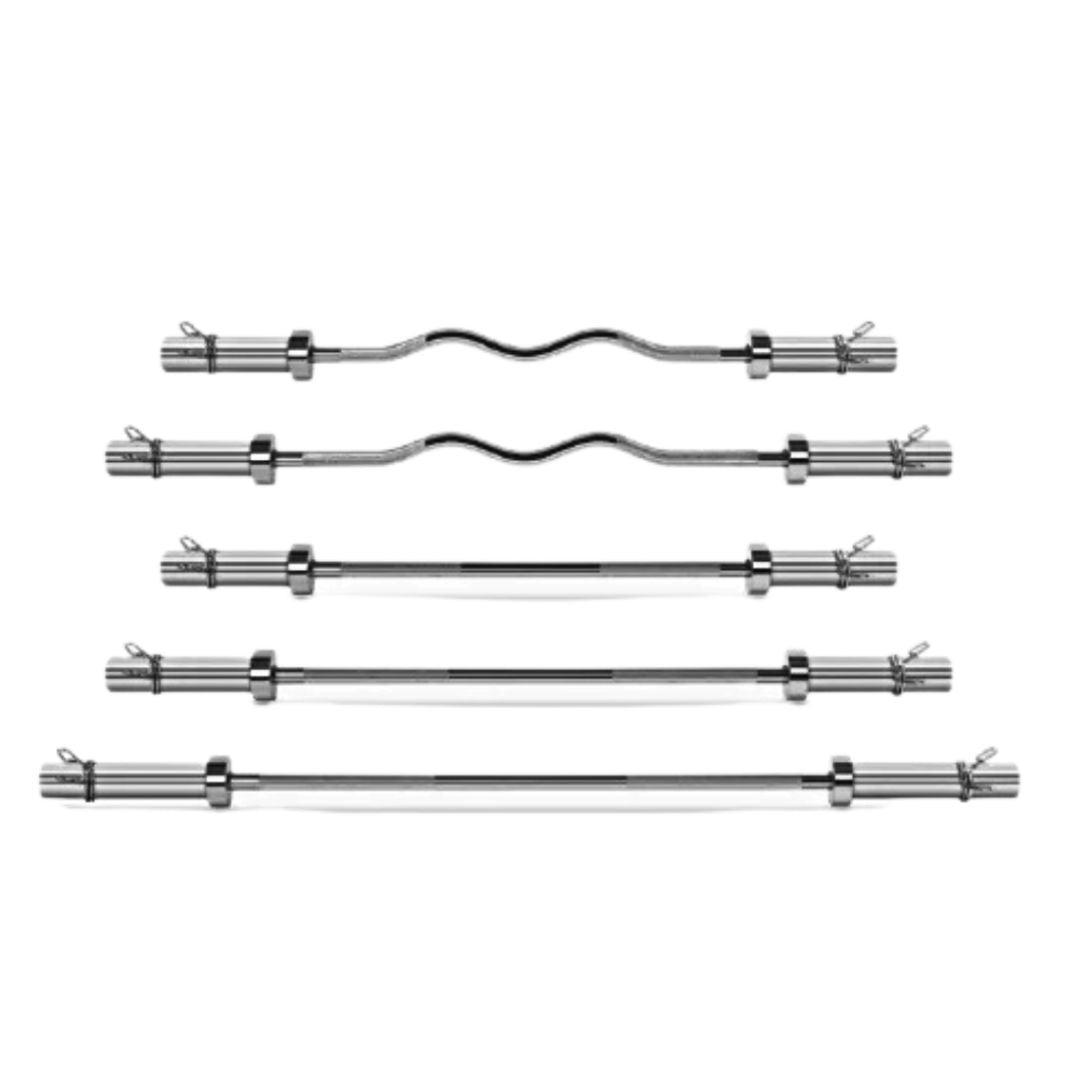 Barres olympiques 2"
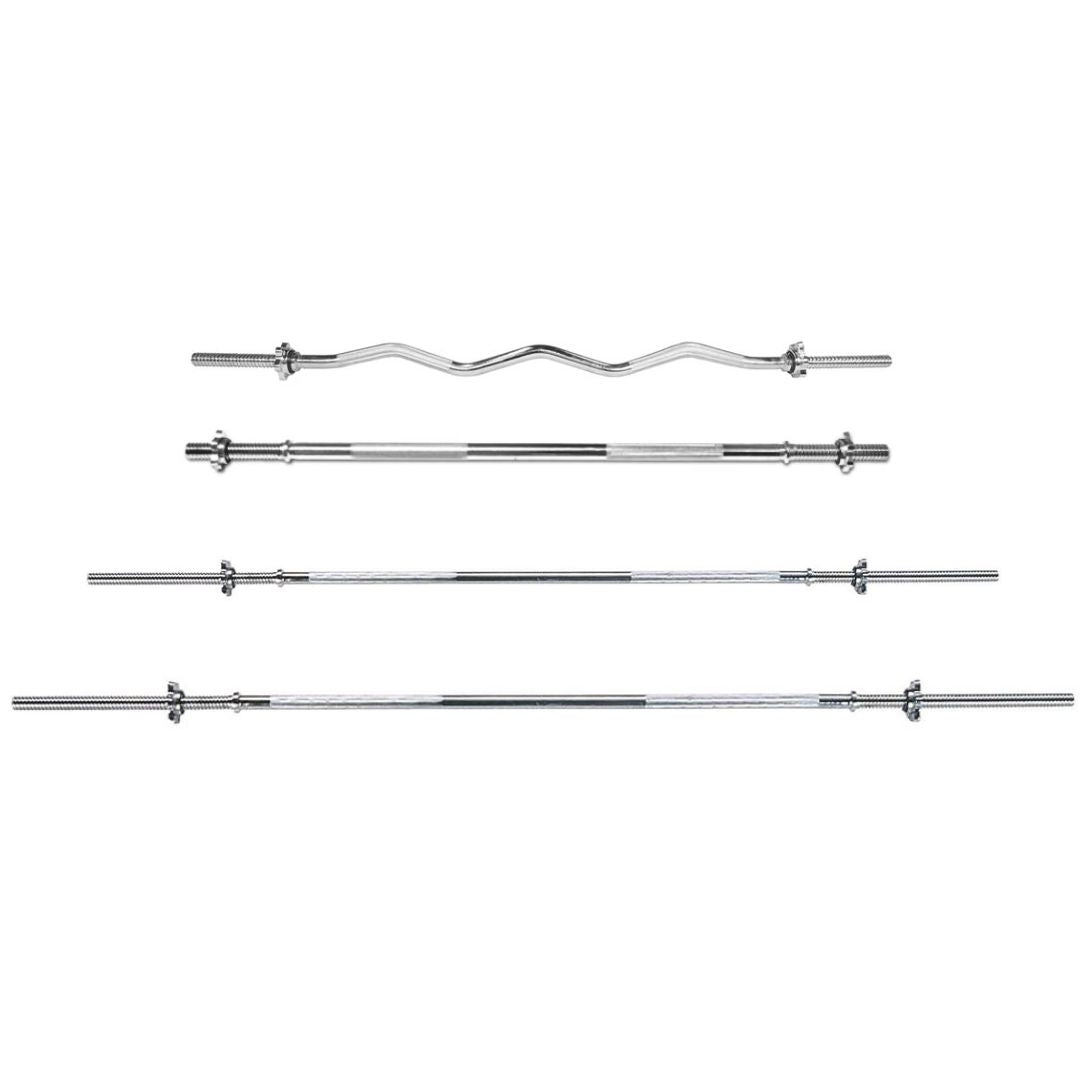 Haltères standards 2,54 cm
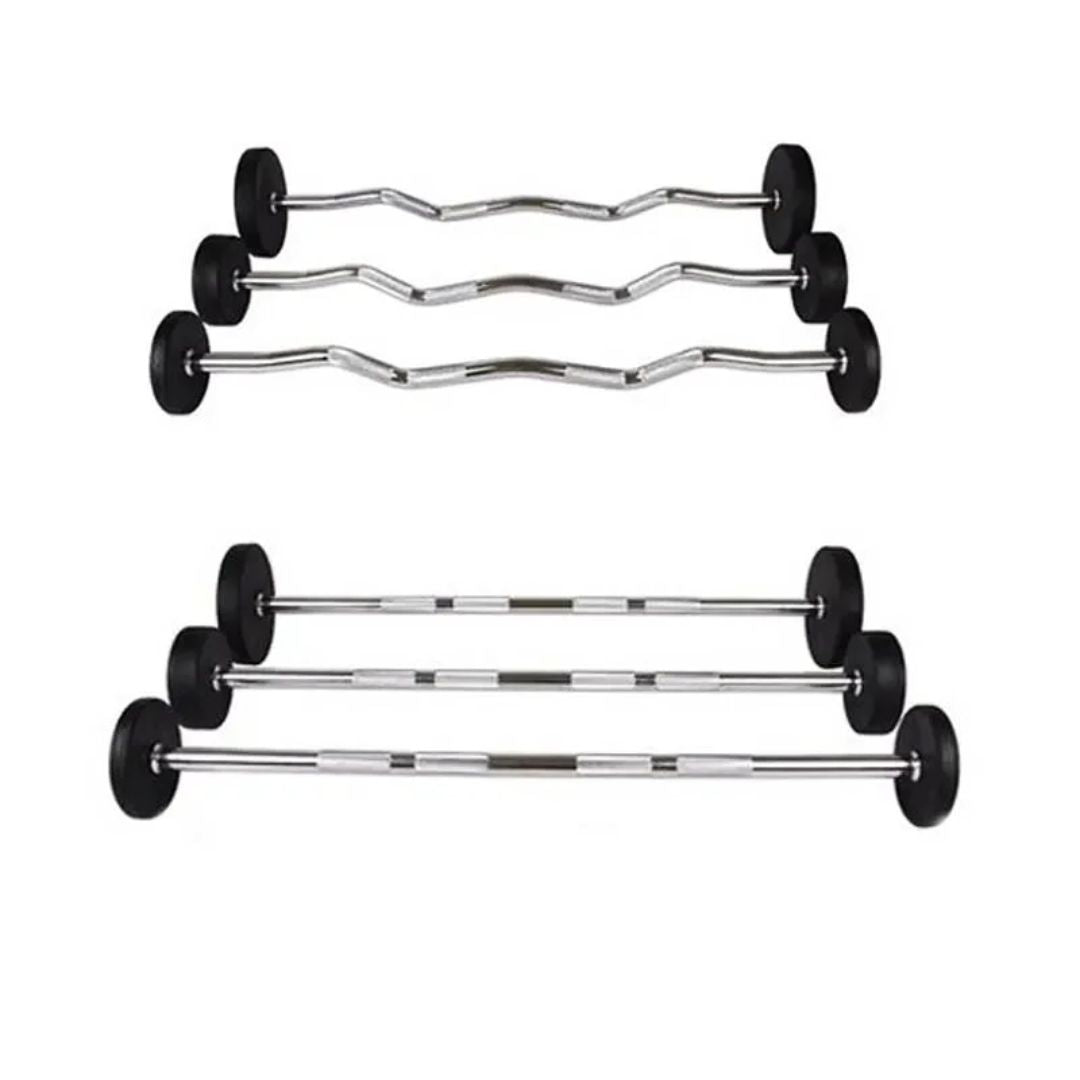 Barres à poids fixes
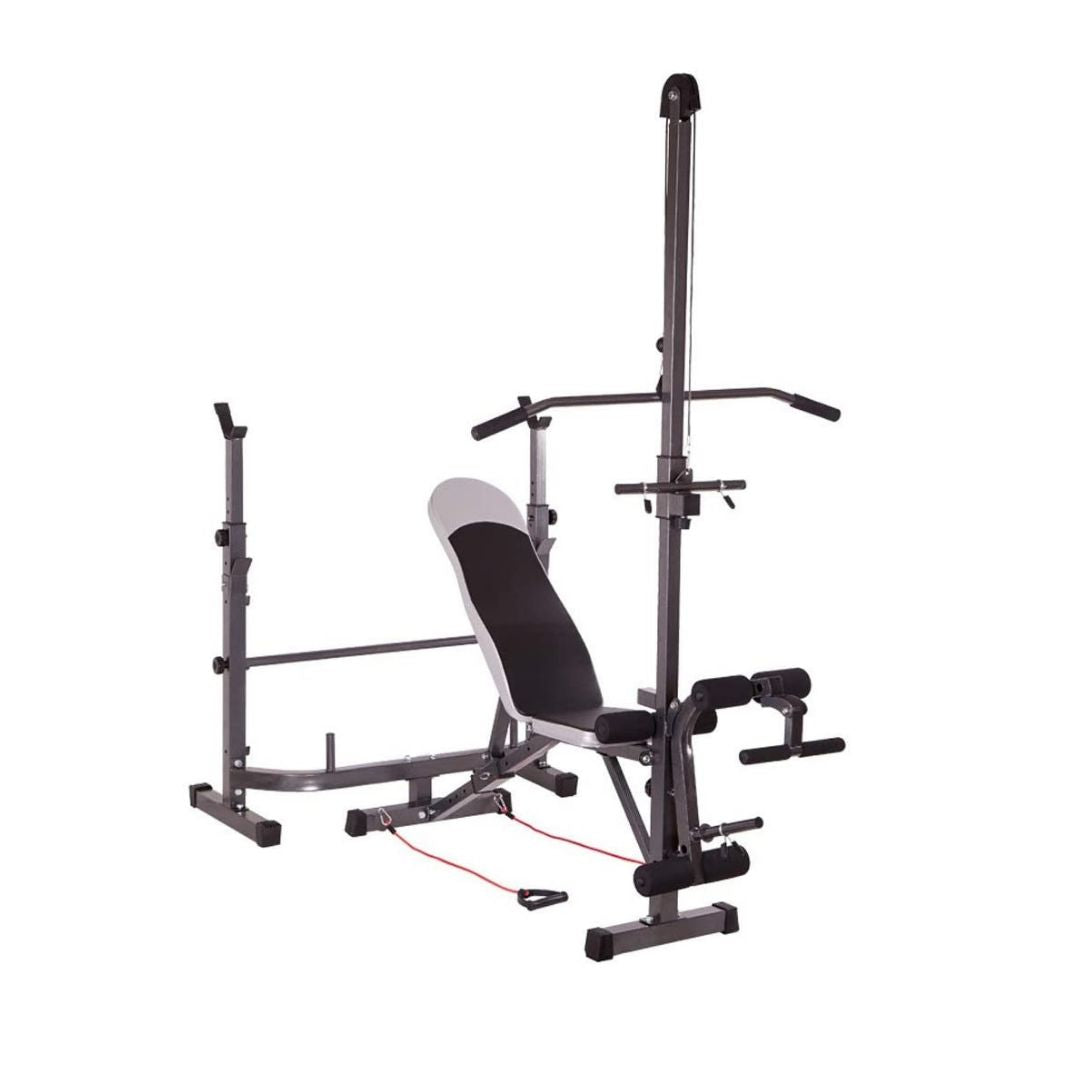 Bancs avec poulie et rack
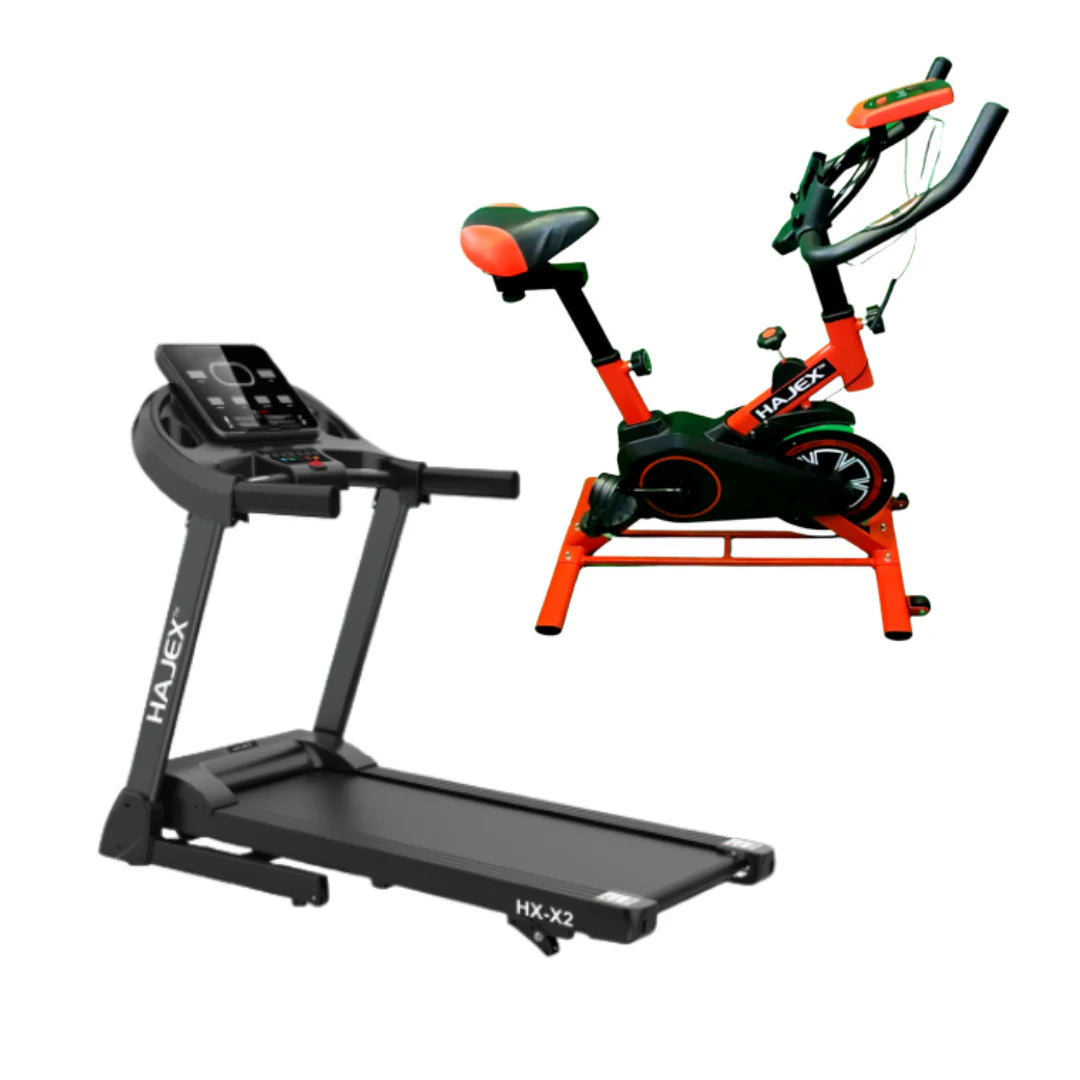 CARDIO
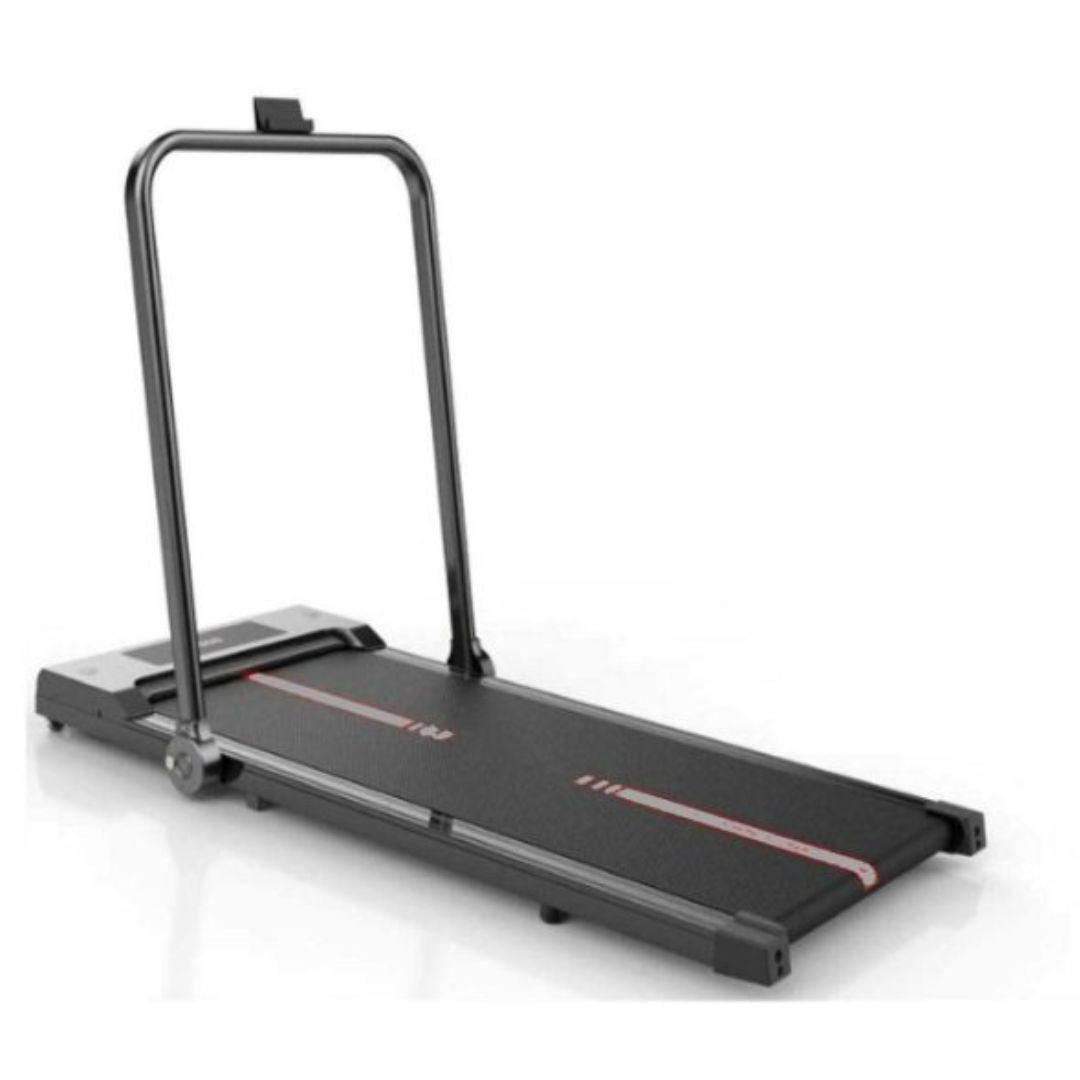 Tapis de marche pliables
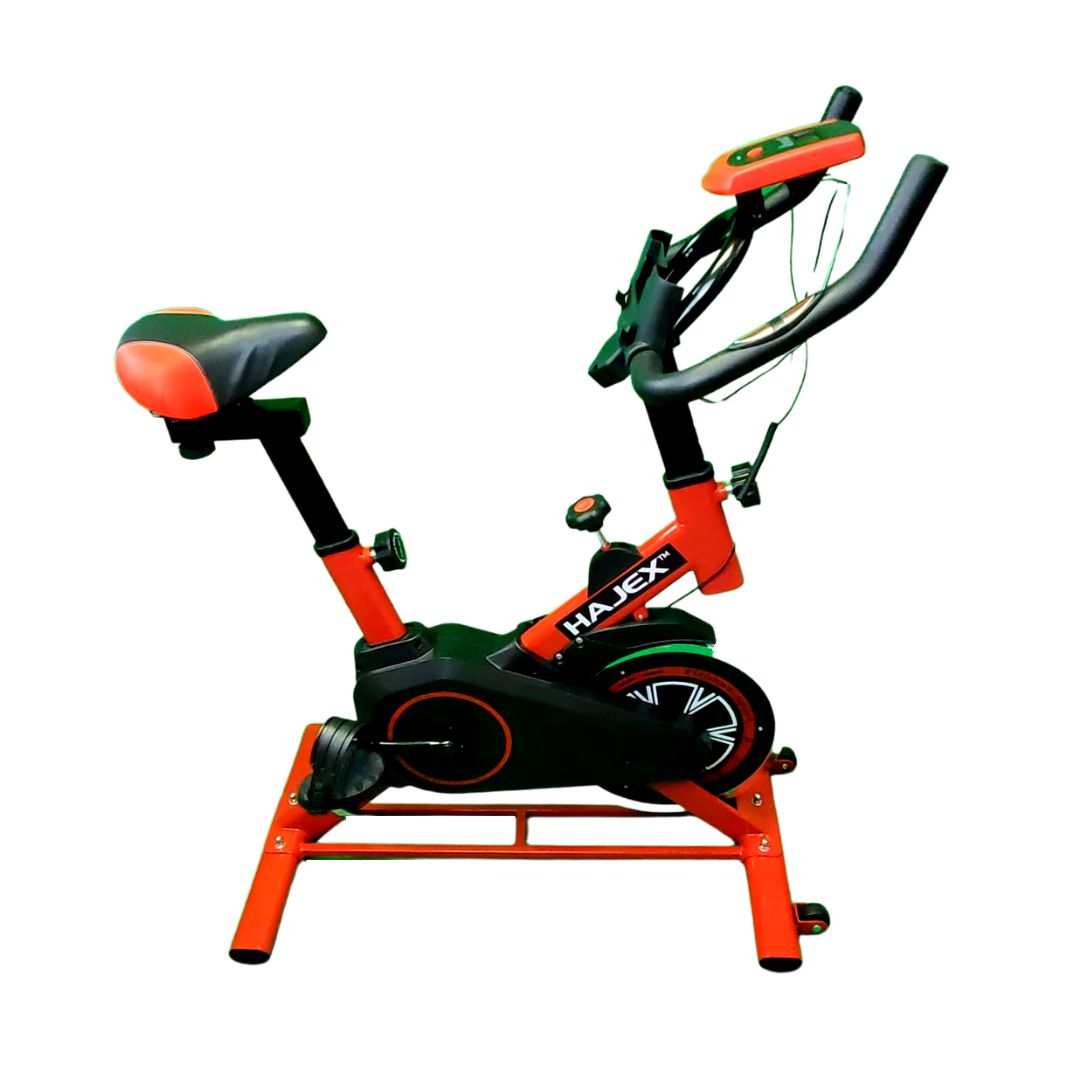 Vélos d'exercice
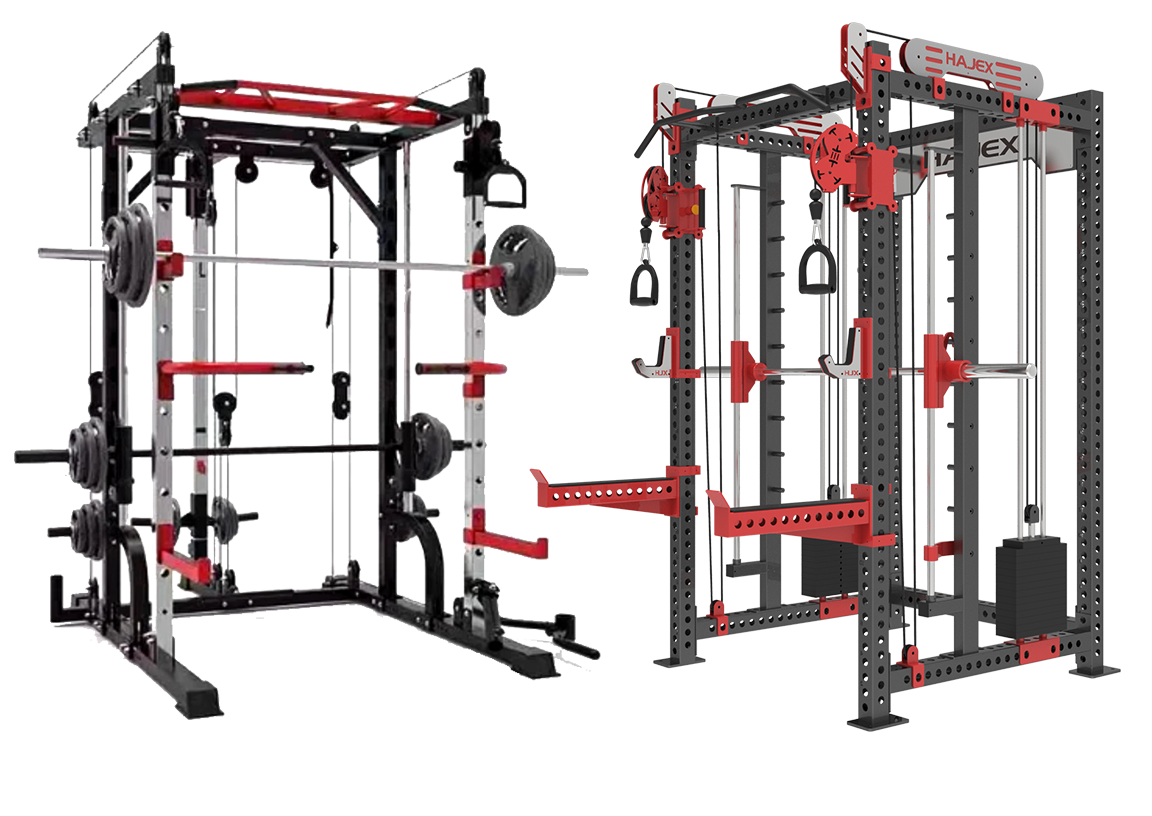 RACKS, CAGES ET APPAREILS SMITH
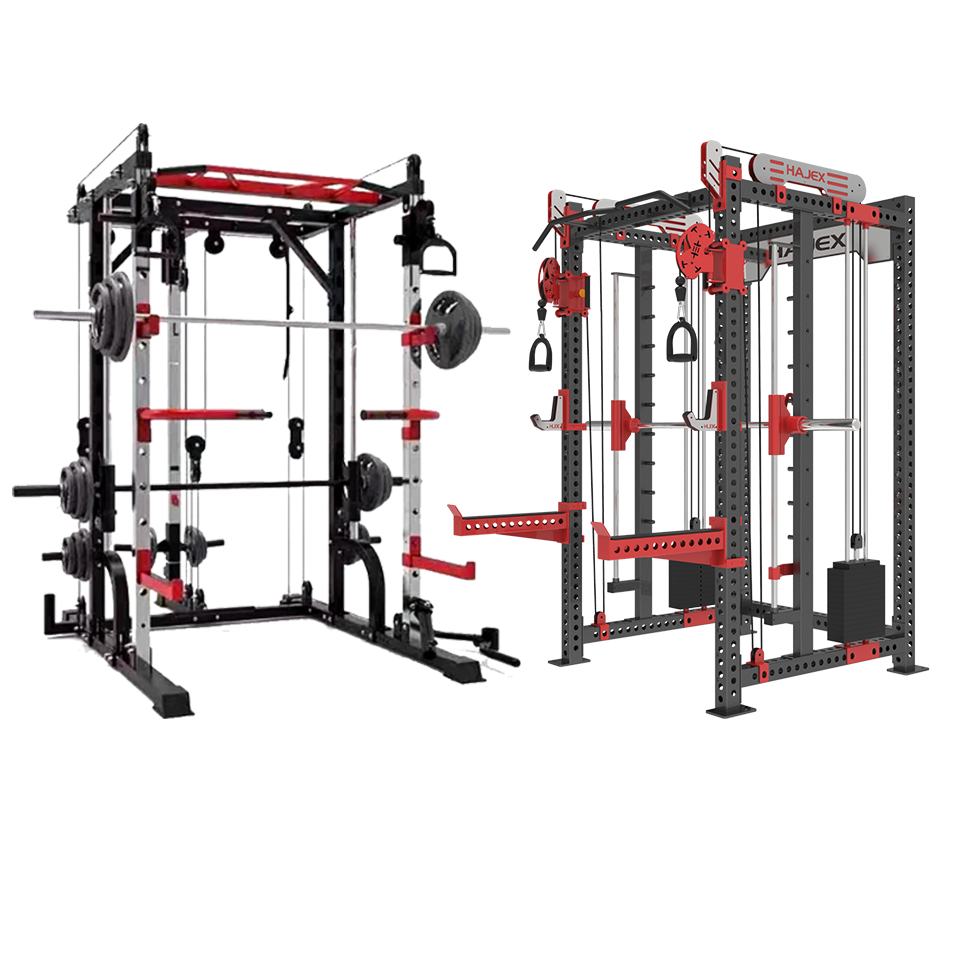 Machines Smith
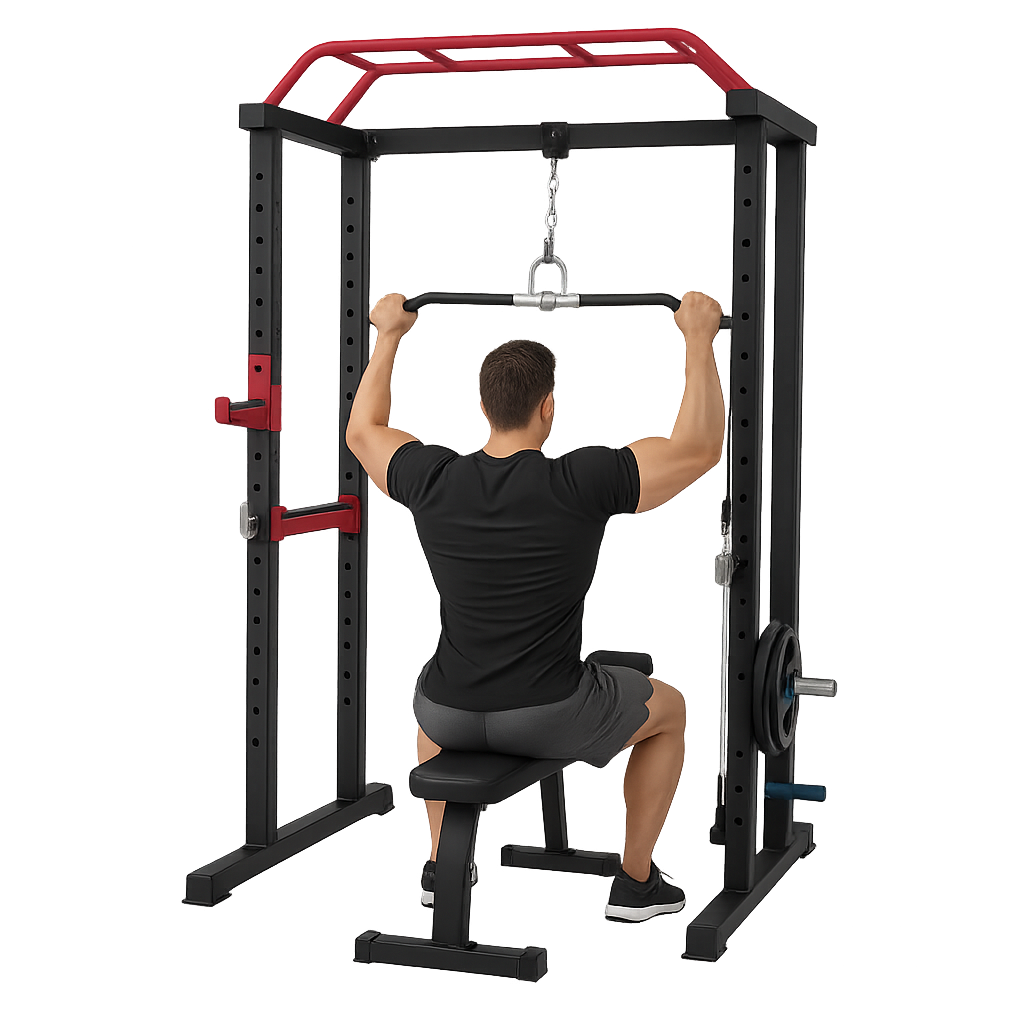 Supports d'alimentation
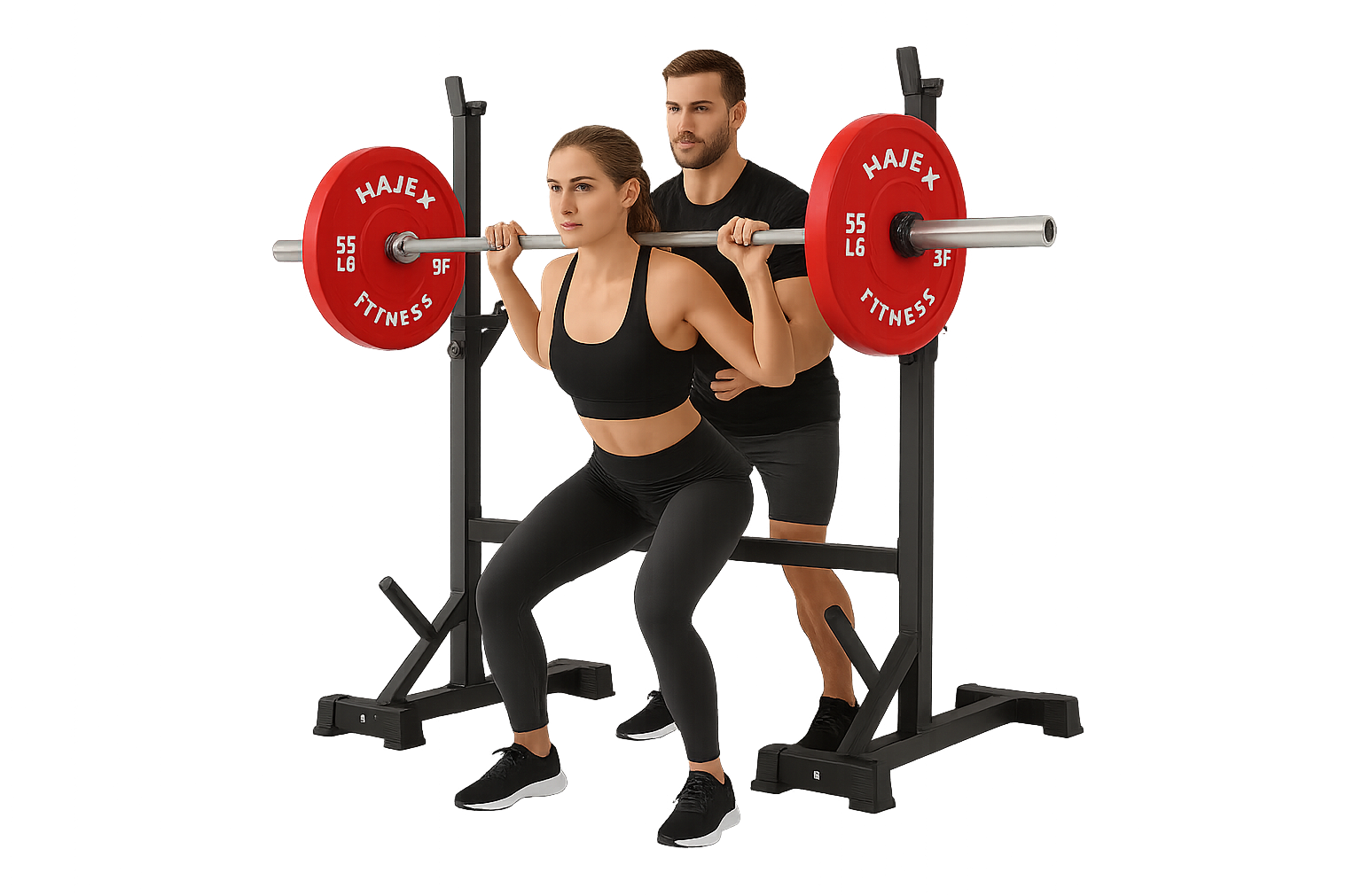 Supports à squats
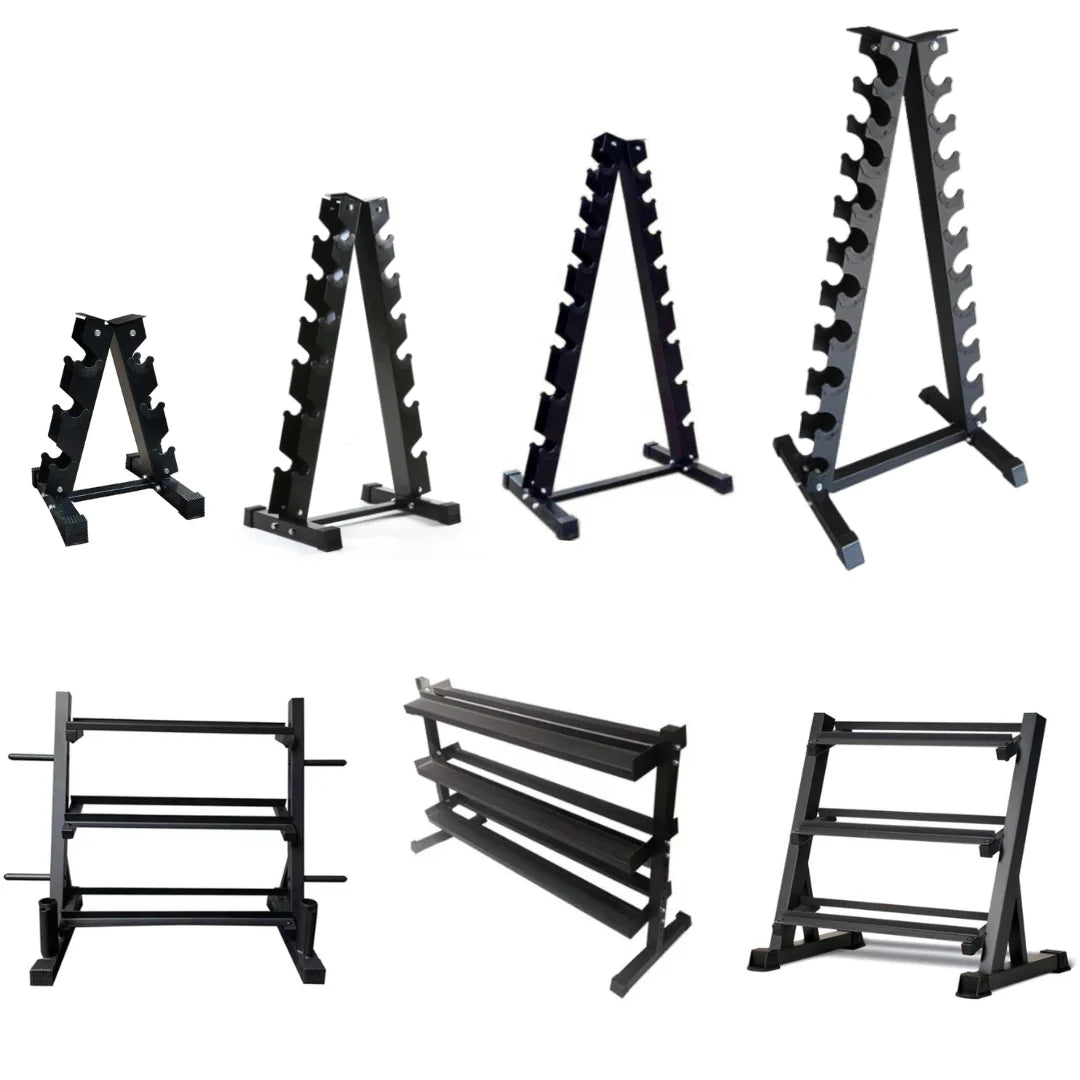 RAYONNAGES DE STOCKAGE
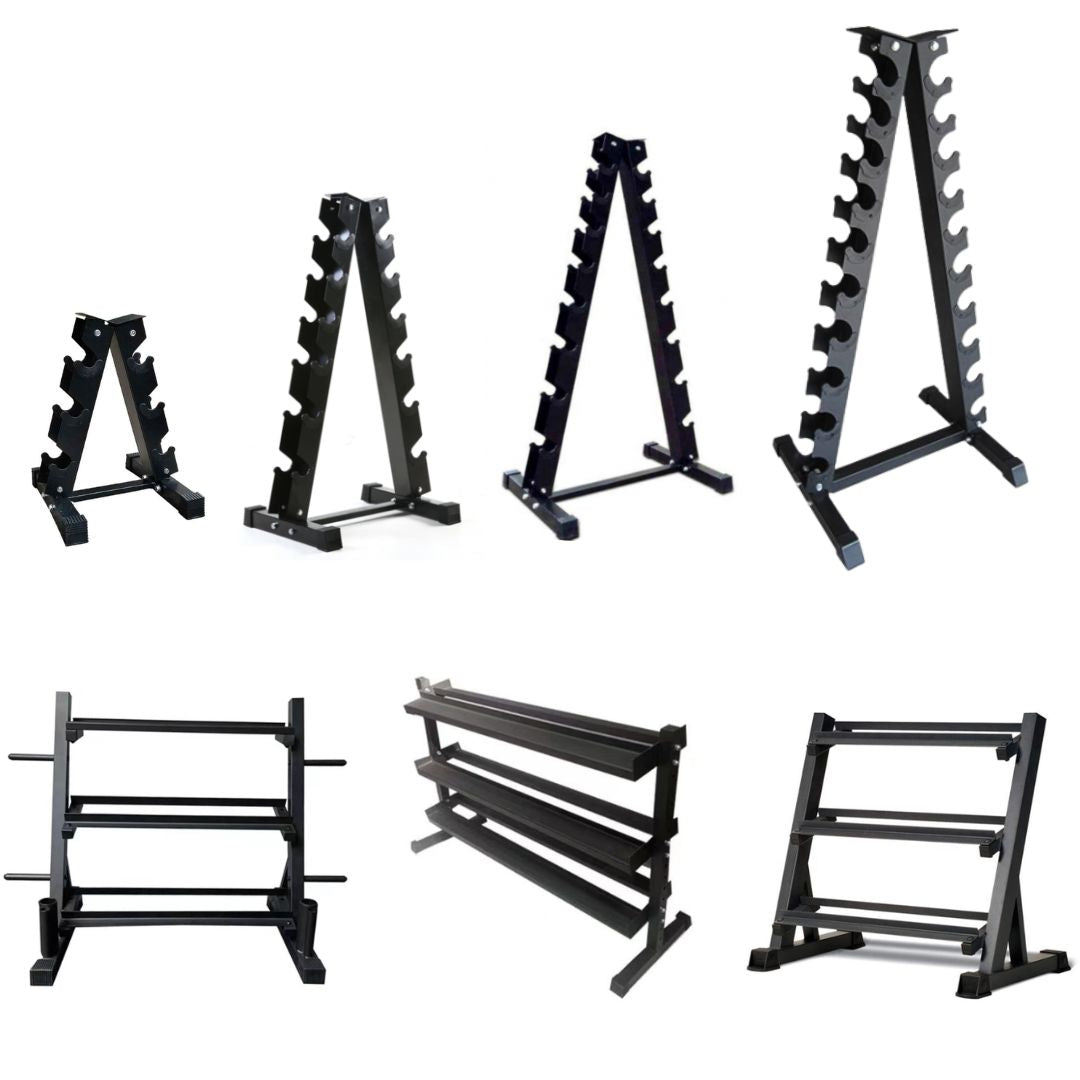 Râteliers pour haltères et kettlebells
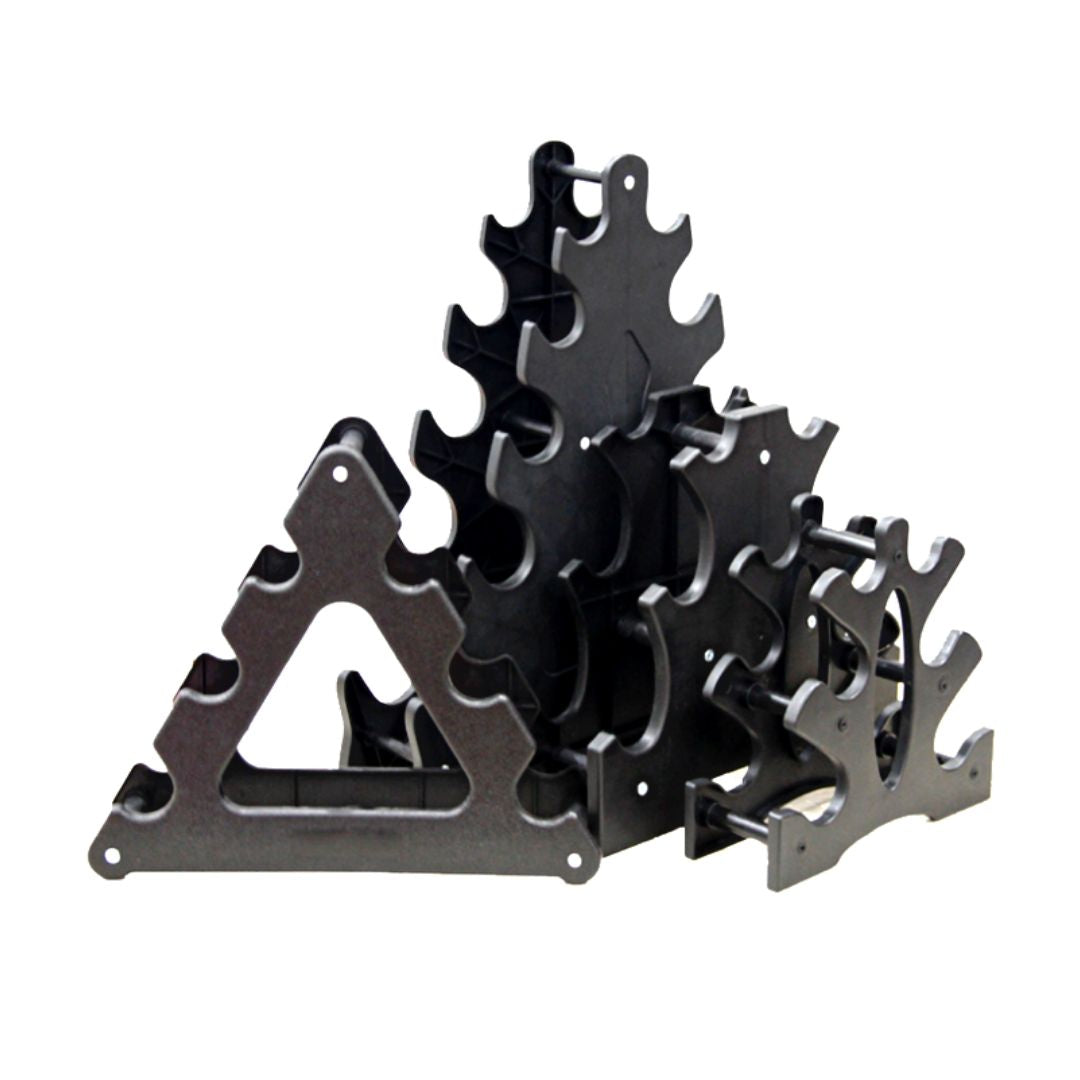 Mini-râteliers pour haltères
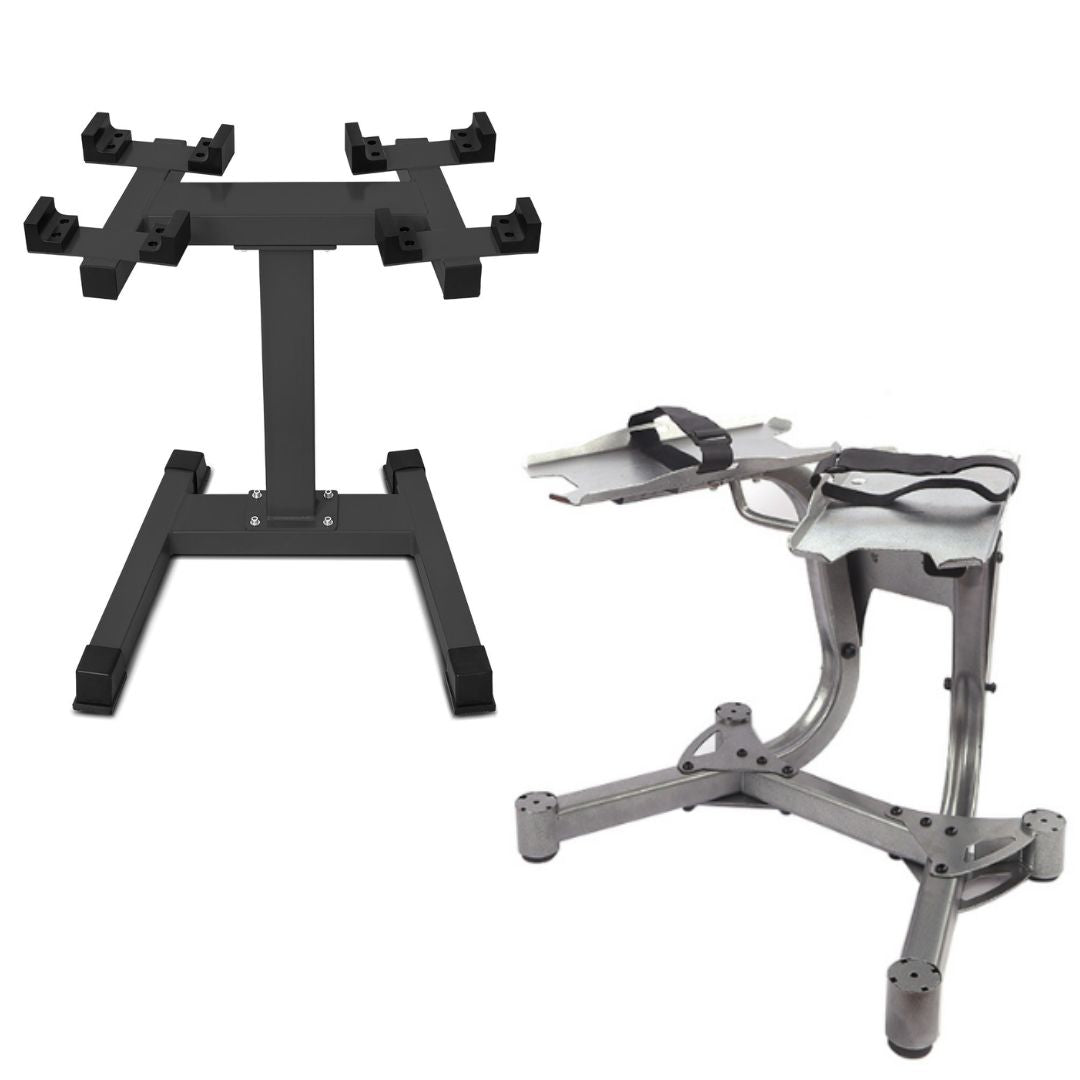 Supports pour haltères réglables
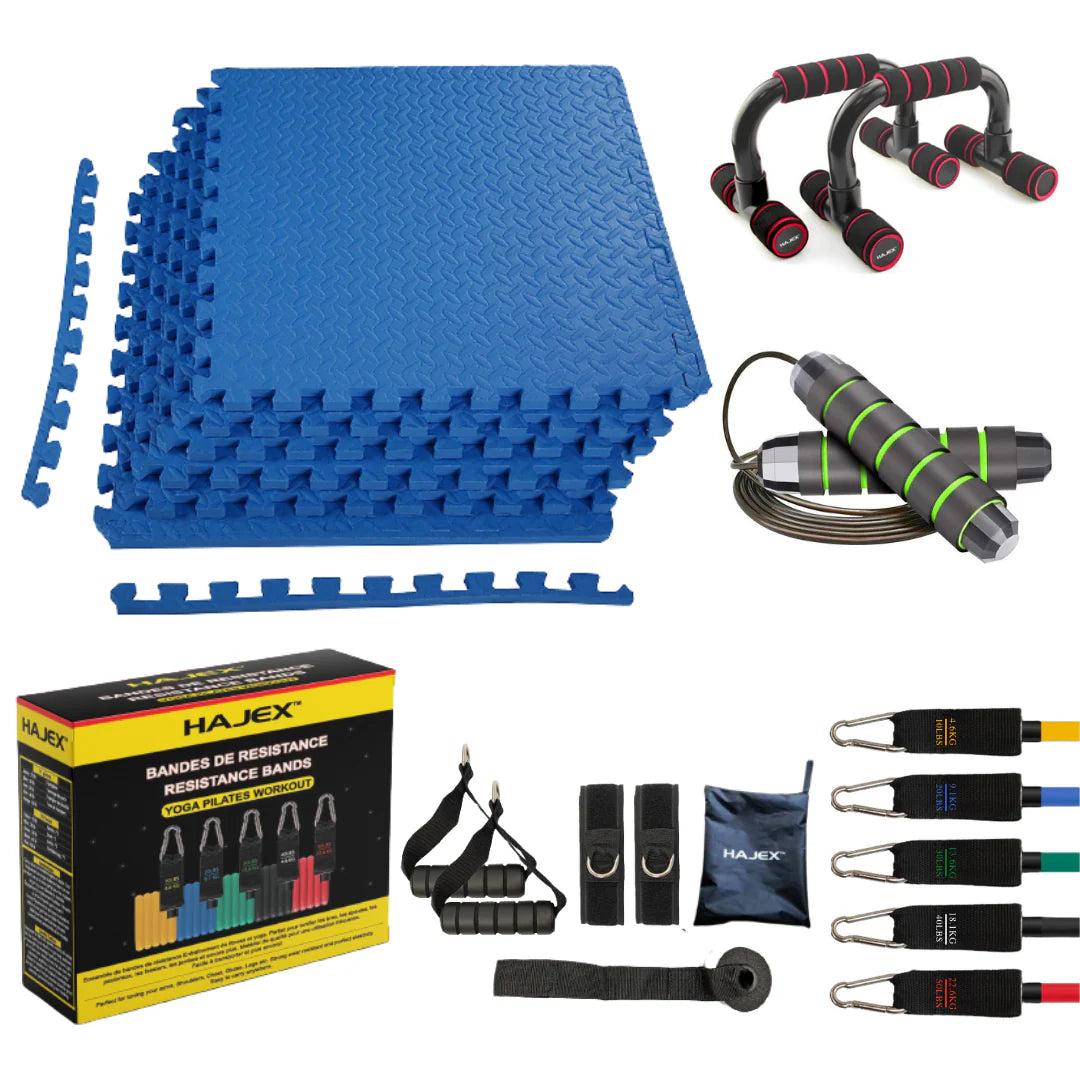 PLUS
PLUS
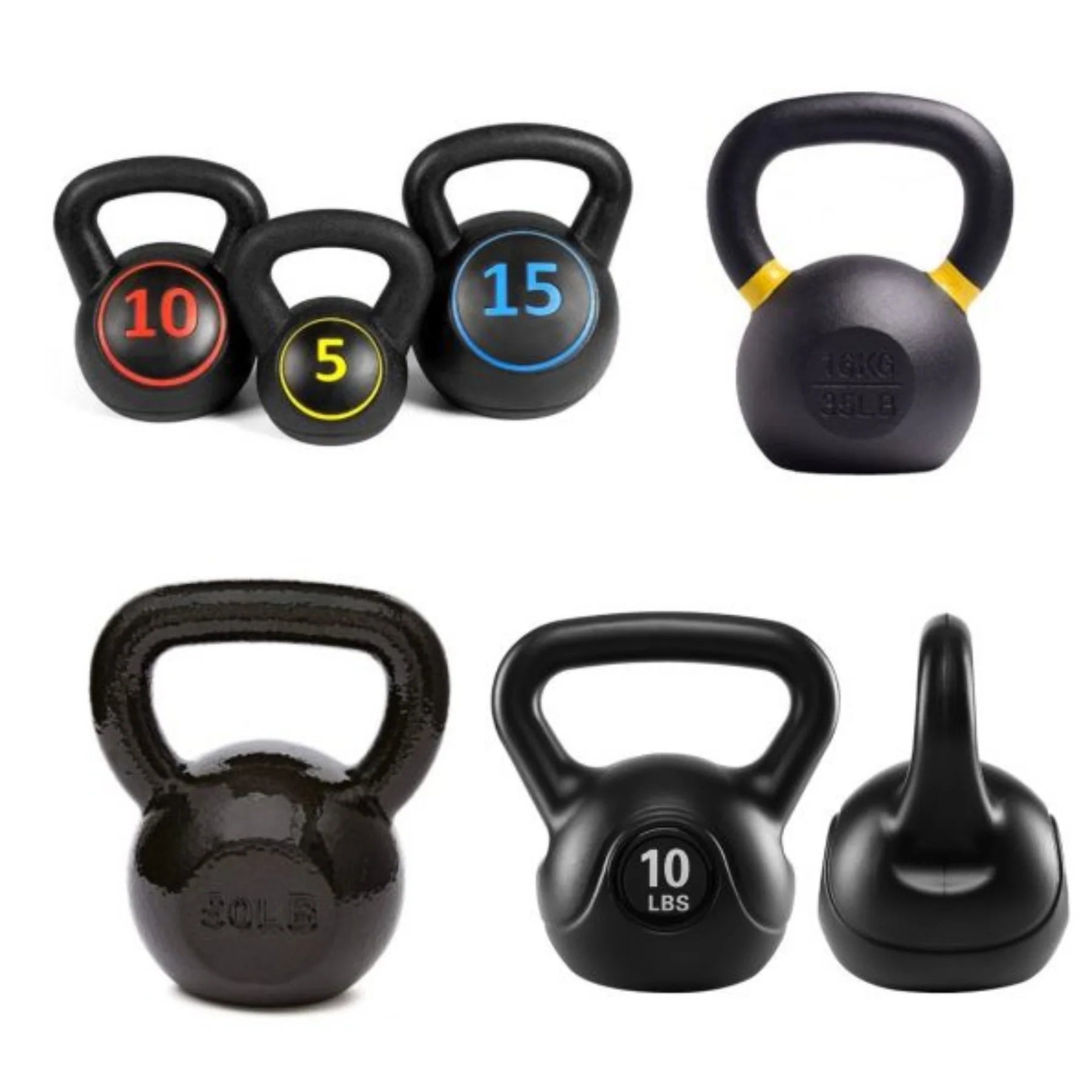 Kettlebells
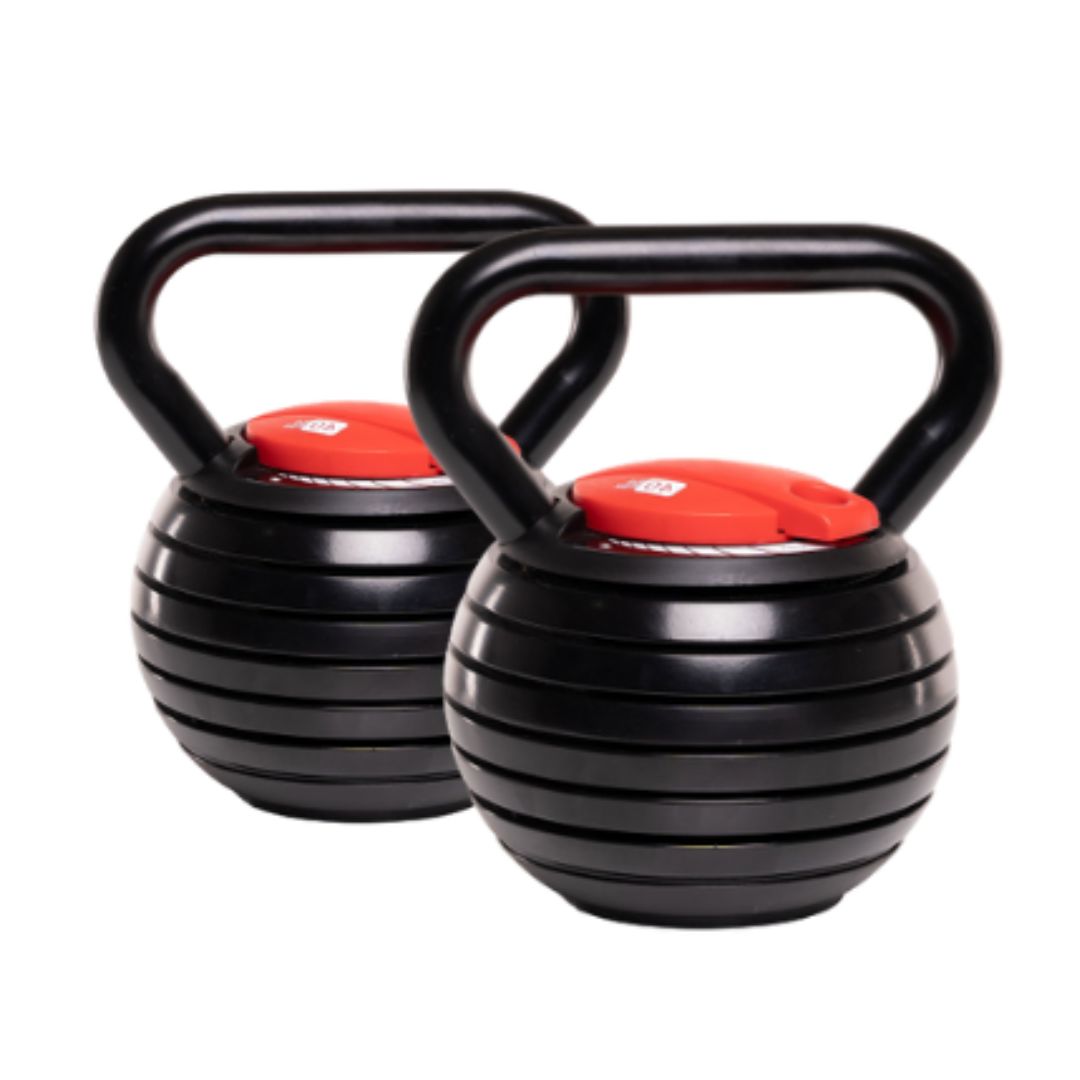 Haltères russes réglables - Unité et Paire
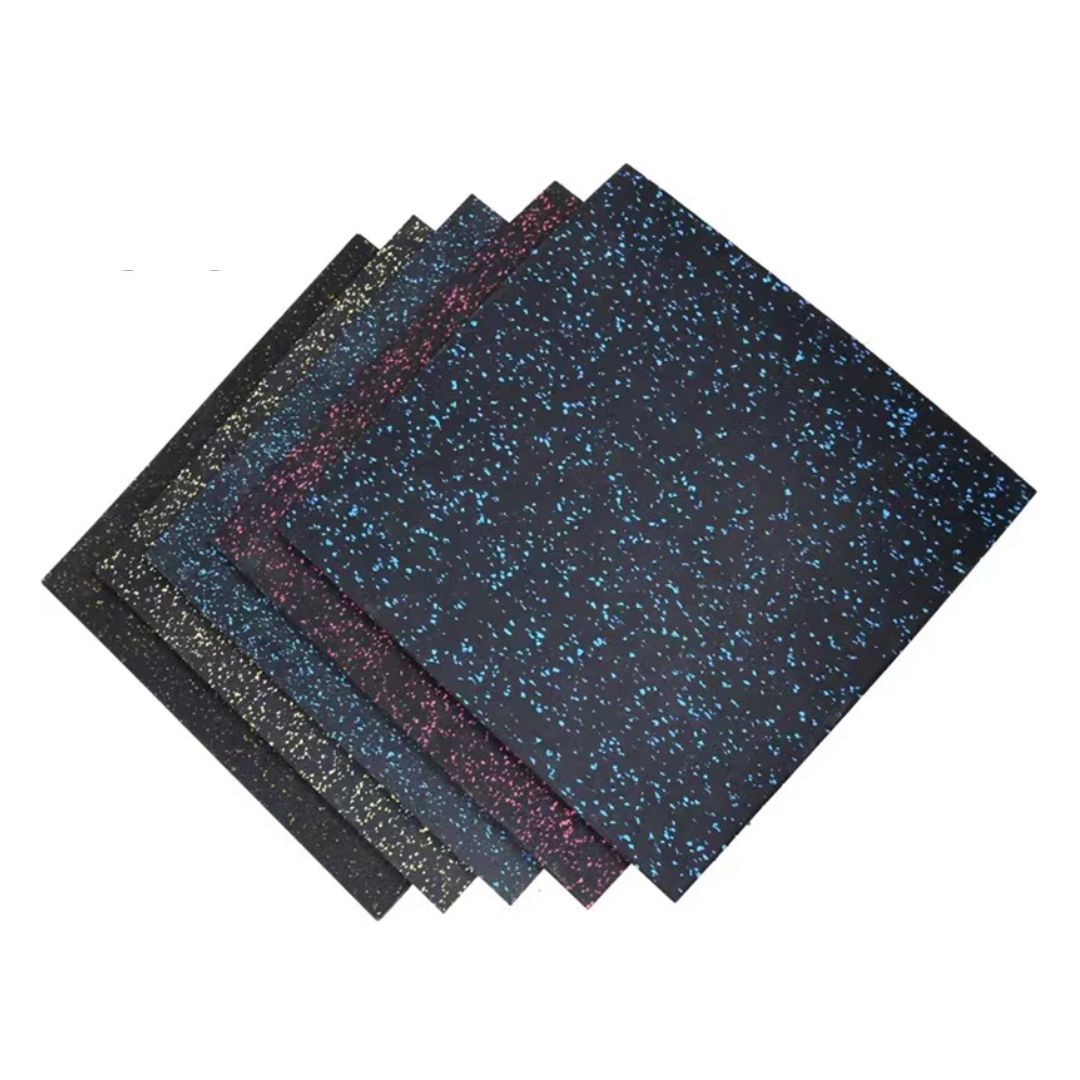 Tapis de sol
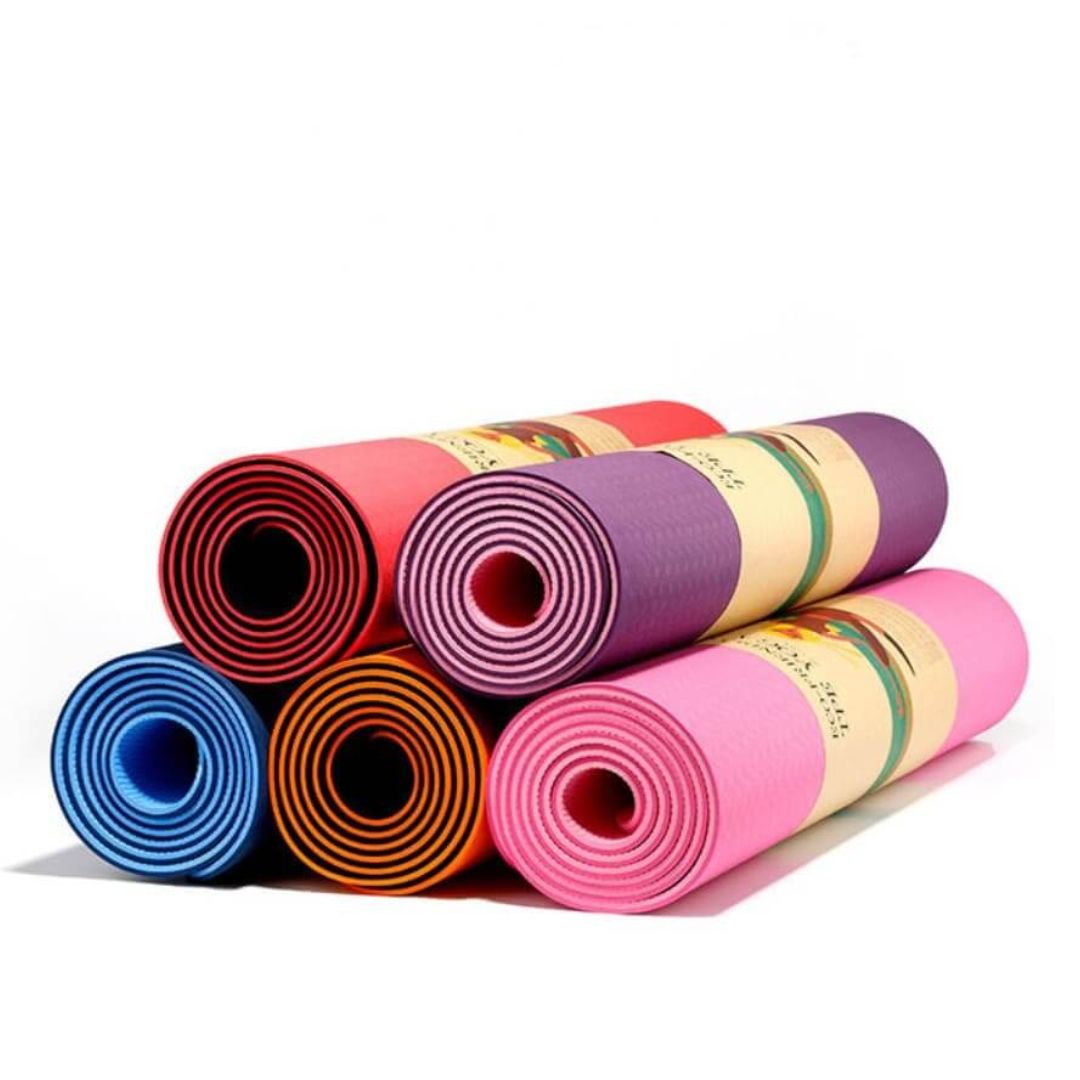 Yoga
Yoga
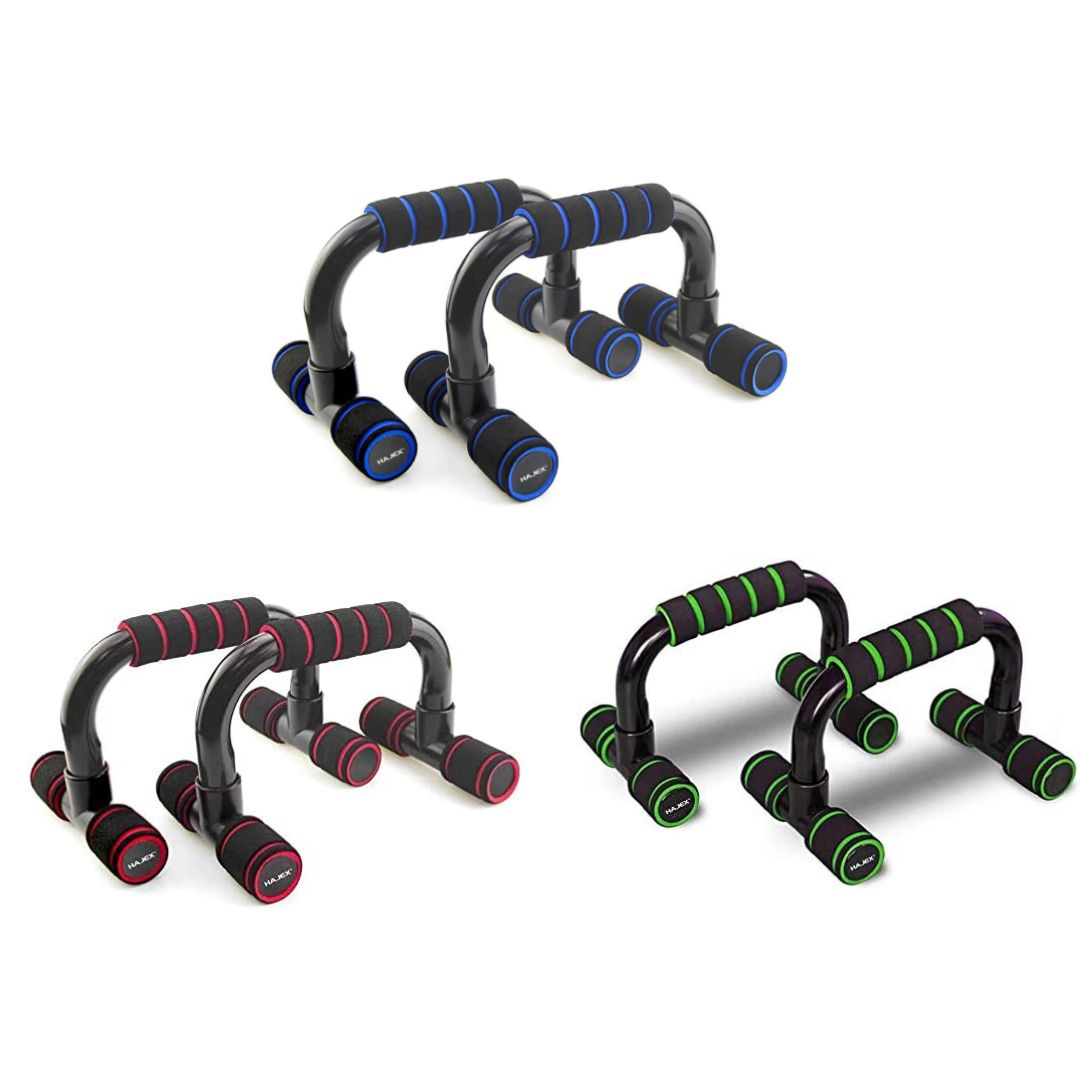 Pompe
Pompe
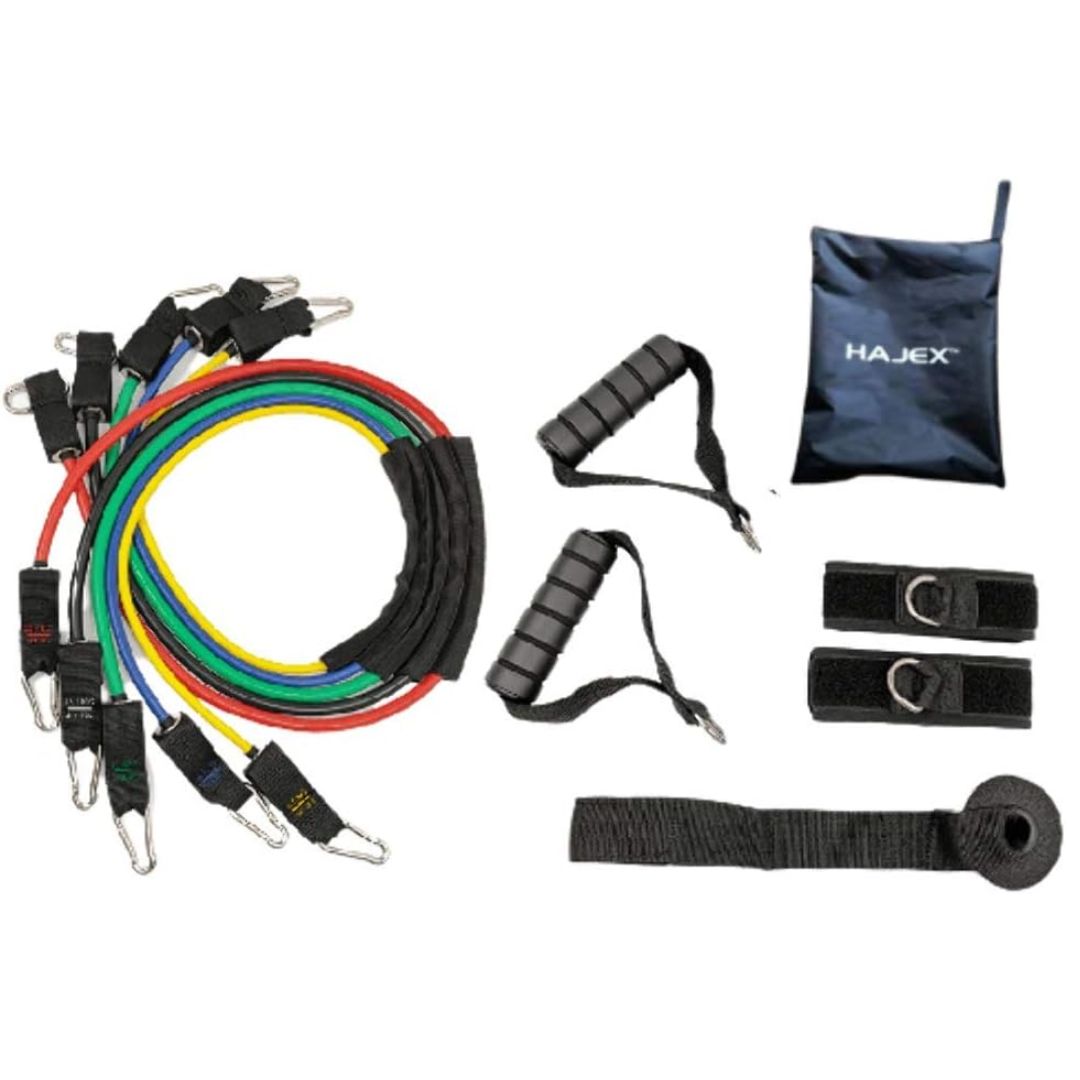 Bandes de résistance
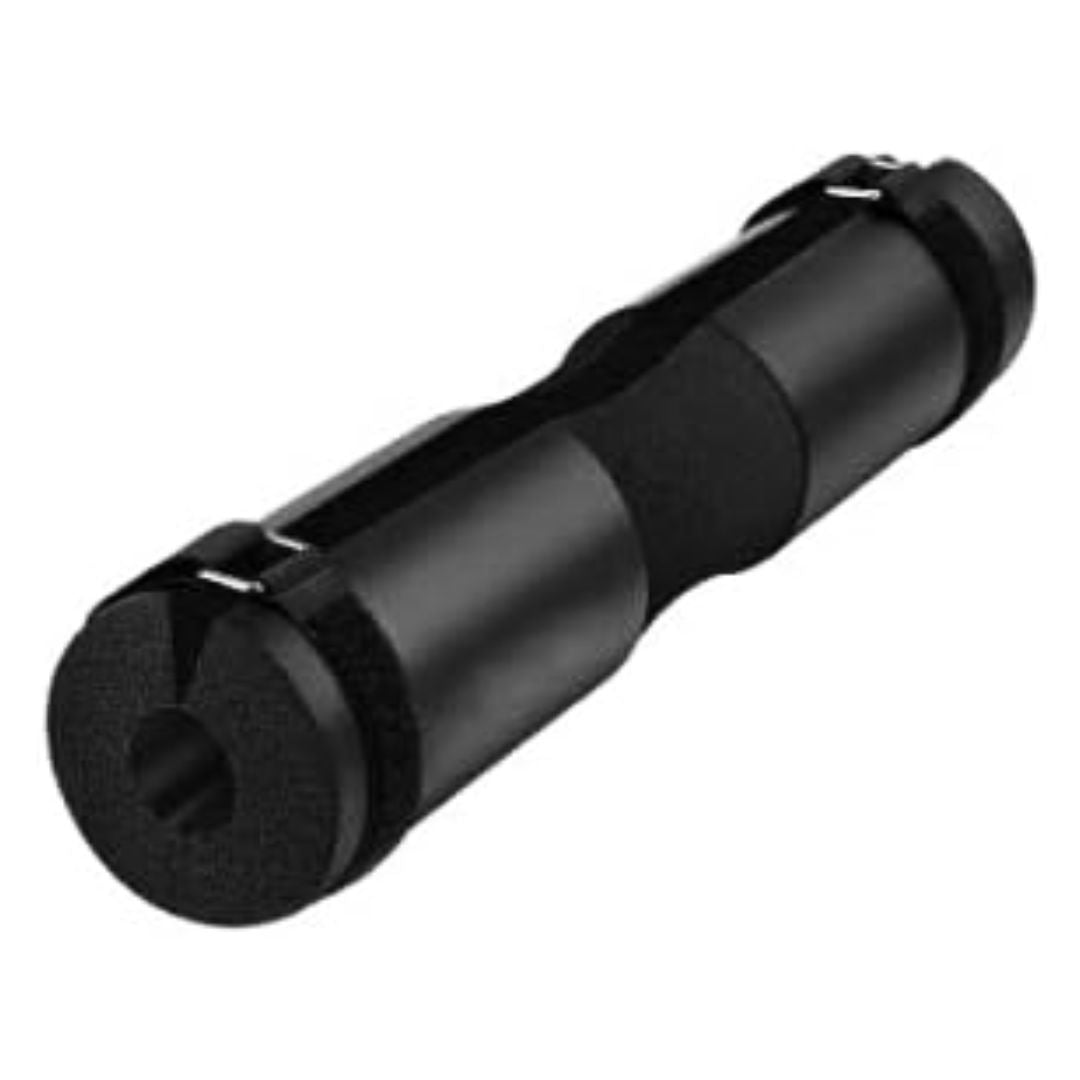 Protections de barre
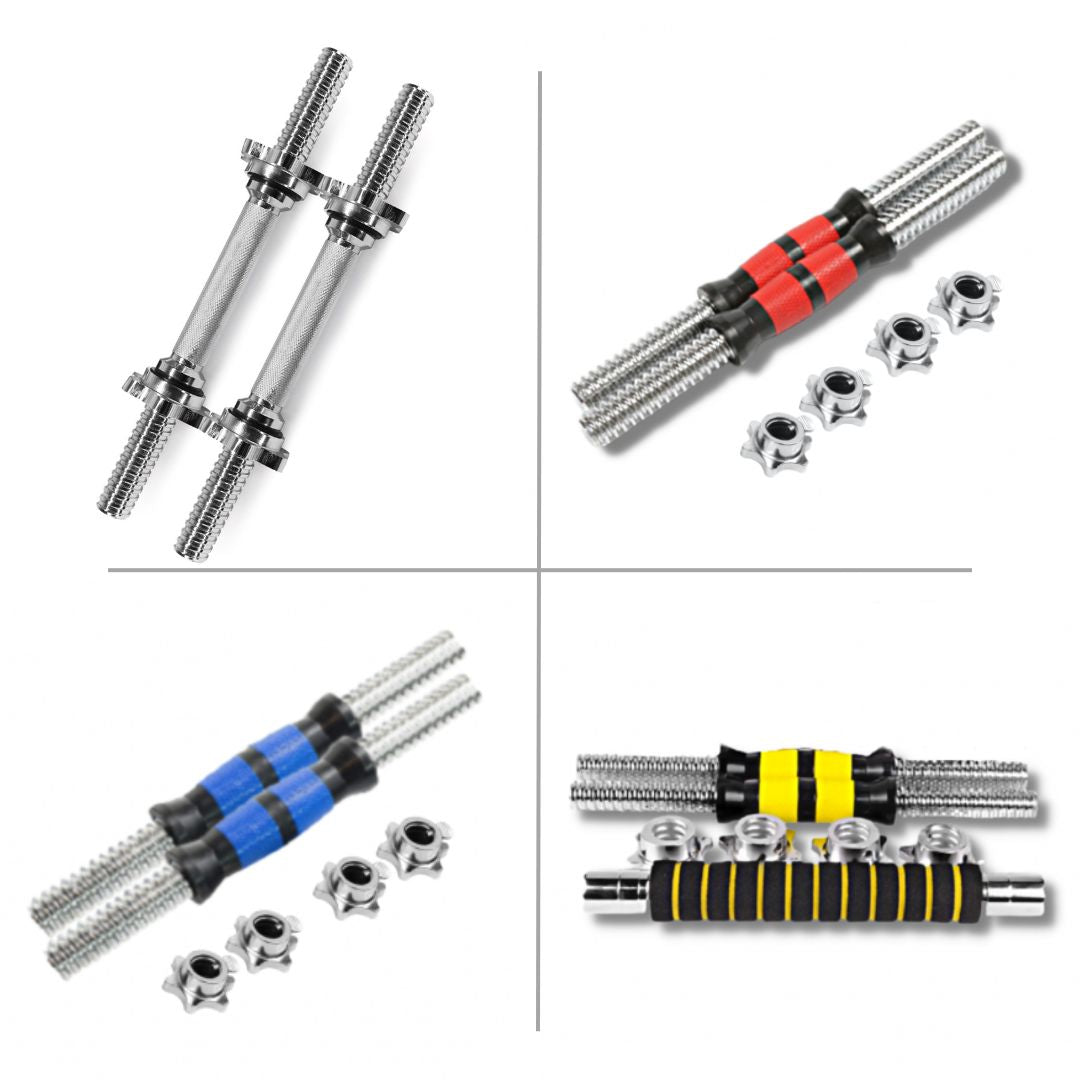 Poignées d'haltères
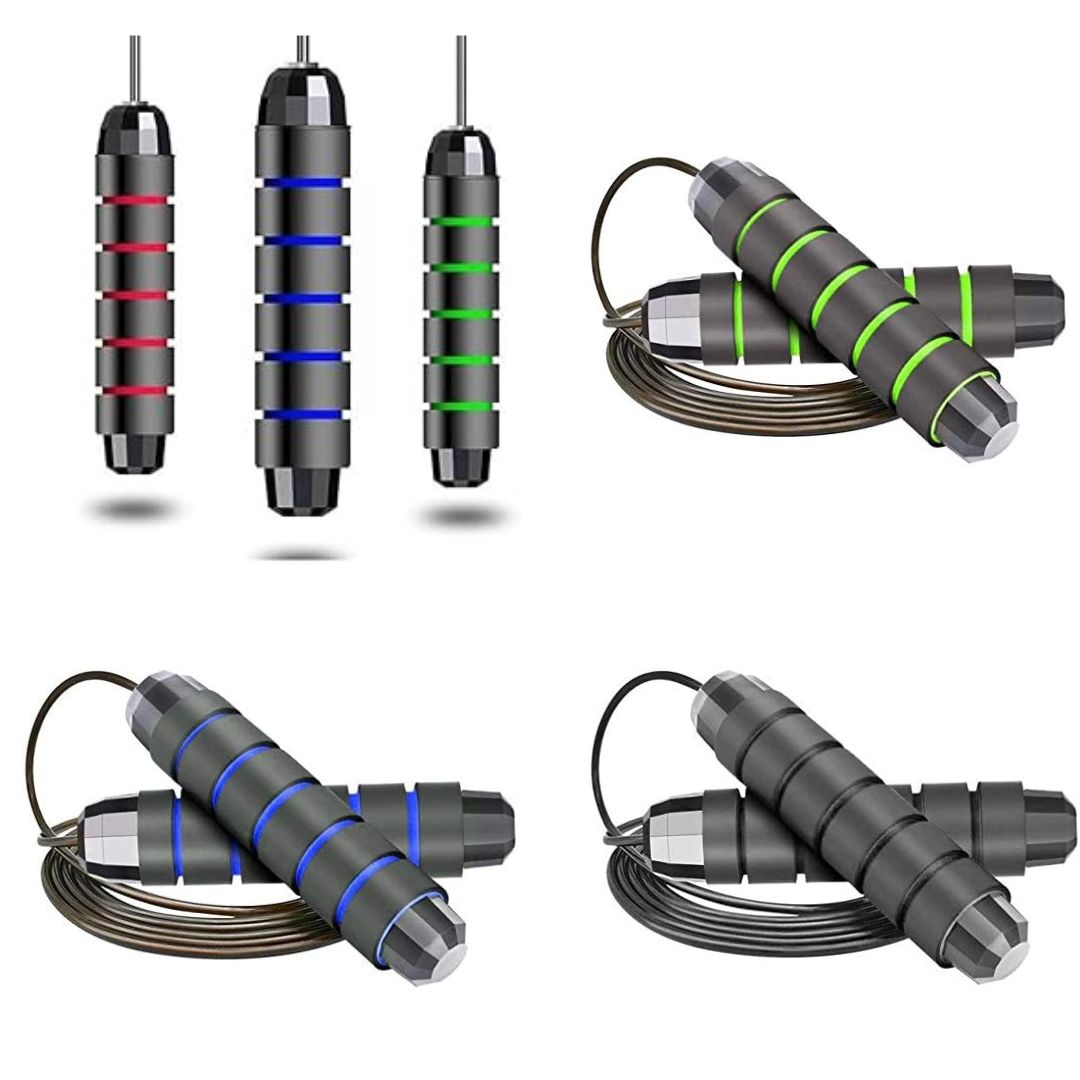 Cordes à sauter



Haltères hexagonaux caoutchoutés : Pourquoi le revêtement en caoutchouc noir est idéal pour les gymnases à domicile
Entrez dans n'importe quelle salle de sport — commerciale ou à domicile — et le support d'haltères est presque toujours garni de la même chose : des têtes hexagonales recouvertes de caoutchouc noir sur une poignée en acier moleté. C'est devenu la norme pour une raison, et ce n'est pas seulement une question d'esthétique. Voici ce que la forme hexagonale et le revêtement en caoutchouc apportent à votre entraînement et à votre sol.
Pourquoi hexagonale et non ronde
Un haltère rond roule. Posez-le après une série de presses au sol ou de « renegade rows », et il trouvera la pente la plus proche de votre sol et ira chercher votre pied. Une tête hexagonale a des côtés plats, de sorte que l'haltère reste exactement là où vous le posez — pas besoin de le courir à travers le garage, pas de cale sous le support pour l'empêcher de rouler. Cette stabilité est également importante en cours de série : les têtes hexagonales vous offrent une surface plate sur laquelle vous appuyer pour des mouvements comme les « renegade rows », les pompes sur haltères ou les presses au sol, où l'haltère doit rester immobile sous charge.
Pourquoi en caoutchouc, pas en chrome ou en fonte
Les haltères hexagonaux en caoutchouc HAJEX recouvrent un noyau en fonte d'un caoutchouc noir solide, et ce revêtement a trois fonctions à la fois. Premièrement, il protège votre sol — un haltère de 50 LB tombé sur du caoutchouc fait un bruit sourd ; la même chute avec une tête en fonte non revêtue peut fissurer le carrelage ou bosseler le parquet. Deuxièmement, il protège l'haltère lui-même — le caoutchouc ne s'écaille pas et ne rouille pas comme le fait la fonte exposée ou le placage chromé bon marché après des années d'utilisation. Troisièmement, il rend votre entraînement plus silencieux — rangez des haltères recouverts de caoutchouc et vous obtenez un léger cliquetis au lieu d'un bruit métallique, ce qui est important si votre salle de sport à domicile partage un mur avec une chambre ou un appartement en dessous.
Poignée moletée, incréments précis
La poignée elle-même est en acier moleté — pas en caoutchouc — car la sécurité de la prise est plus importante que l'amortissement. Une poignée moletée conserve son adhérence même avec des mains moites lors d'une série à répétitions élevées, ce qui est précisément le moment où une poignée lisse commence à glisser. La gamme hexagonale de HAJEX va de 2,5 LB à 150 LB par petits incréments, de sorte que la surcharge progressive ne vous oblige pas à sauter 10 LB à la fois comme le font certains ensembles fixes.
Les limites des haltères hexagonaux
Le compromis réside dans l'encombrement et le coût par livre. Une tête hexagonale prend plus de place sur l'étagère qu'un haltère rond ou réglable de même poids, et l'achat d'un ensemble complet de 5 à 50 LB en paires fixes coûte plus cher à l'avance qu'une seule paire réglable couvrant la même gamme. Si l'espace ou le budget est la contrainte principale, il vaut la peine de lire notre comparaison des haltères réglables et fixes avant de vous engager dans un ensemble hexagonal complet.
En résumé
Les haltères hexagonaux en caoutchouc sont la norme sûre, silencieuse et respectueuse du sol pour une raison : la forme hexagonale les empêche de rouler, le caoutchouc protège votre sol et votre investissement, et la poignée moletée maintient votre prise ferme série après série. Si vous avez l'espace de rangement nécessaire, il est difficile de se tromper en commençant par là.
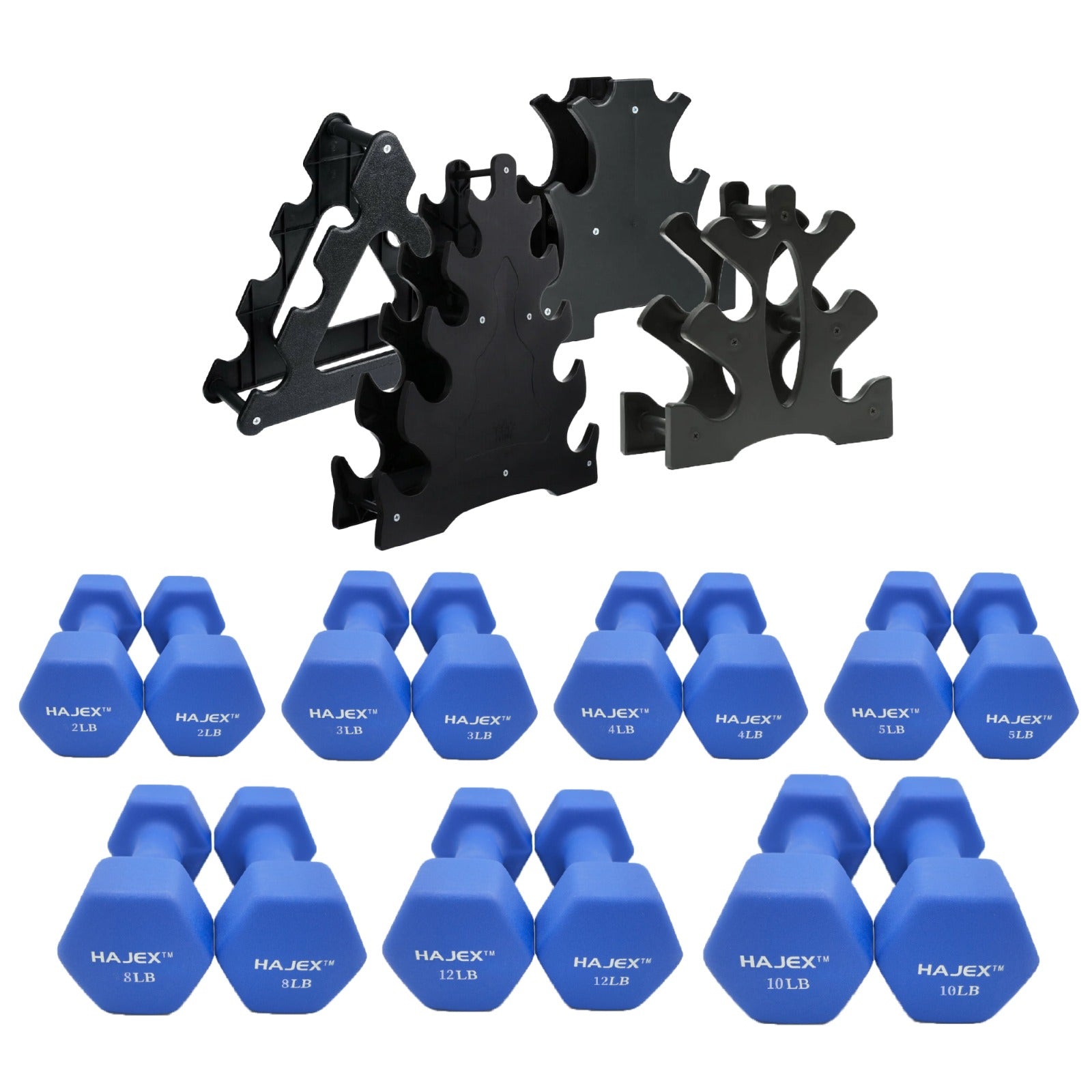
Découvrez la gamme complète — de 2,5 à 150 LB, à l'unité, par paires et en ensembles avec support — sur la page des haltères hexagonaux en caoutchouc HAJEX, ou contactez-nous à l'adresse support@hajex.com pour obtenir de l'aide afin de choisir un ensemble adapté à vos objectifs.


